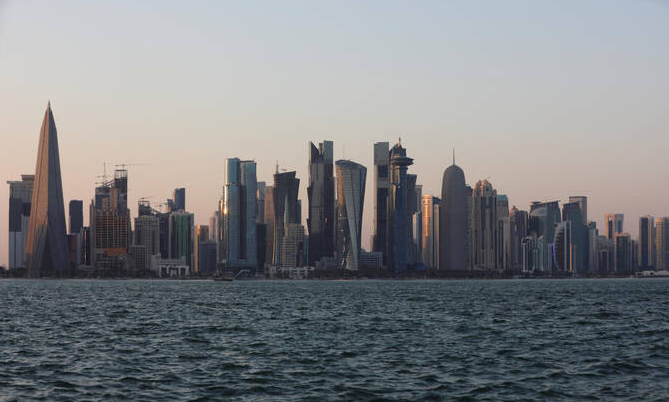
The U.S. and Iran commenced indirect technical discussions in Doha on July 1, aimed at establishing a lasting peace agreement and ensuring the resumption of shipping routes through the Strait of Hormuz. According to sources with direct knowledge of the negotiations, these talks stem from a 14-point interim accord signed in the previous month, designed to halt the ongoing conflict, which escalated following U.S.-Israeli military actions against Iran in February. The interim agreement outlines a framework for a 60-day negotiation period that seeks to pave the way for a comprehensive peace deal and secure the free flow of maritime shipping in the strategically significant strait.
In recent weeks, the U.S. and Iran have engaged in a public dispute regarding the interpretation of their interim agreement, which has escalated into a series of military confrontations. This ongoing tension suggests that there has been little advancement on more intricate matters, particularly concerning Iran’s nuclear program. According to two senior Iranian sources, Iran is striving for international acknowledgment of its authority over the Strait, emphasizing its right to impose fees on vessels navigating into and out of the Gulf.
This posture indicates Iran’s willingness to employ force if necessary. Despite the tumultuous situation, shipping traffic has begun to partially resume in the Strait, a critical artery that previously facilitated one-fifth of the global oil and liquefied natural gas trade prior to the onset of conflict.
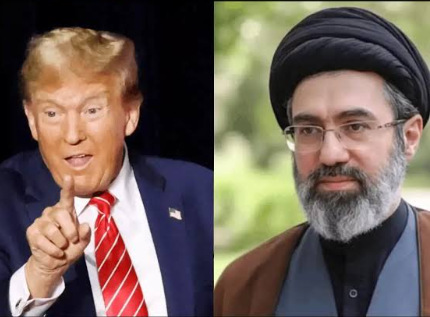
U.S. President Donald Trump emphasized the removal of Iran’s highly enriched uranium as a key priority, stating that “the denuclearization of Iran is moving along well.” In comments to reporters, he mentioned positive developments in talks held in Doha, although he provided no specific details and noted that the nuclear issue had not been addressed during these discussions. Trump’s remarks reflect ongoing diplomatic efforts concerning Iran’s nuclear program, suggesting optimism about future meetings.
U.S.-Iran Peace Deal: Focus on Hormuz and Frozen Assets
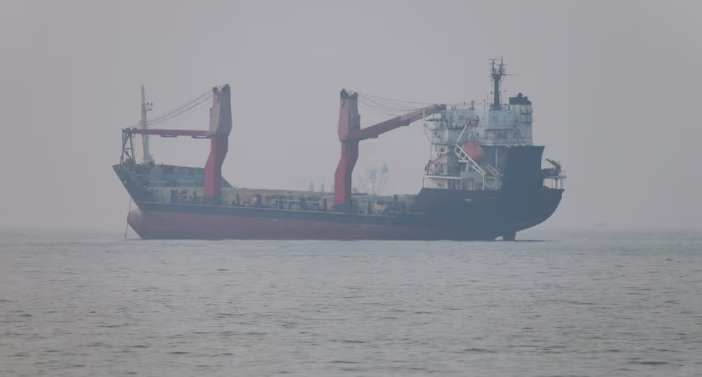
The ongoing indirect talks, which focus on issues regarding Hormuz and frozen assets, are being mediated by Qatar and Pakistan. These discussions commenced on Tuesday night and are structured as sessions between chief negotiators and specialists. An informed source revealed that Jared Kushner, former President Trump’s son-in-law, along with envoy Steve Witkoff, met with Qatar’s prime minister to establish the groundwork for these negotiations, although they are not participating in the talks themselves. Leading the Iranian delegation is Deputy Foreign Minister Kazem Gharibabadi, who is representing various bodies, including the foreign ministry, central bank, and agriculture ministry, in discussions with the Qatari prime minister and mediators.
Iran’s current negotiations focus on two primary priorities: the management of the Strait of Hormuz and the release of $6 billion in frozen assets. An Iranian official indicated that these issues would dominate discussions. In contrast, the U.S. prioritizes maintaining the free flow of maritime traffic through the strait, according to a source familiar with the negotiations. Additionally, reports from Iran’s state media mention an incident where a foreign container ship ran aground in the Strait of Hormuz, having entered shallow waters outside the designated shipping route as set by Iranian authorities. Vandana Hari, founder of Vanda Insights, remarked on the reopening of Hormuz, describing the situation as “patchy, unpredictable, and not fully transparent.”
The situation in Hormuz remains variable and uncertain, according to Vandana Hari, the founder of Vanda Insights, an oil market analysis provider. Following the outbreak of conflict, Iranian forces have conducted attacks on Gulf states that host US military installations, resulting in significant casualties, particularly in Iran and Lebanon, and contributing to rising oil and fuel prices.
Recently, oil prices saw a slight increase after a decline during a pause in hostilities marked by Iranian and US military actions. An interim agreement between the US and Iran aims to de-escalate tensions, which includes a potential resolution to the conflict involving Hezbollah, the Iran-backed militant group in Lebanon.
Simultaneously, the US has facilitated a distinct negotiation effort with the Lebanese government that culminated in a proposed security framework. However, Hezbollah has rejected this framework, indicating a risk of deepening the current stalemate in Lebanon. Diplomatic efforts involving the US and other parties regarding Lebanon were notably active until Tuesday evening, as reported by a knowledgeable source involved in the discussions.
U.S.-Iran Peace Deal: Intensive Diplomacy on Lebanon
The text discusses the significant impact of a war on regional stability, particularly focusing on Lebanon. It highlights that the conflict led to Iranian attacks on Gulf states that host U.S. military bases, resulting in a substantial humanitarian toll with thousands of casualties primarily in Iran and Lebanon. Additionally, the war contributed to rising oil and fuel prices, indicating wider economic repercussions tied to the conflict’s escalation and its implications for diplomatic relations in the area.
Trump is under significant domestic pressure to address the economic repercussions of the ongoing war ahead of the midterm elections scheduled for November. He is also facing criticism from within his own party, as the interim deal is perceived as failing to meet U.S. objectives. Meanwhile, in Iran, although the theocratic leadership has endured the war, it is confronted with widespread public discontent due to a severely damaged economy. On the commodities front, oil prices have seen a decline of approximately 1%, with U.S. West Texas Intermediate crude falling to $69.12 per barrel, marking its lowest point since February 27, just prior to the war’s commencement.
The interim agreement between the U.S. and Iran aims to end the ongoing conflict between Israel and the Iran-backed militant group Hezbollah in Lebanon. Concurrently, the U.S. is facilitating separate negotiations between Israel and the Lebanese government, leading to a proposed framework security deal. However, Hezbollah has dismissed this deal, and analysts caution that it may further entrench Israel’s occupation in southern Lebanon. Up until Tuesday evening, there has been extensive diplomatic engagement regarding Lebanon by the various involved parties, according to a source with insight into the negotiations.
Summary: Key Developments in the U.S.-Iran Peace Talks
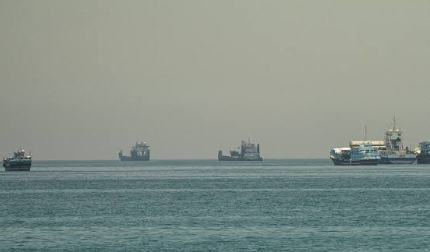
- Strait of Hormuz a focus of technical discussions in Qatar
- Iran also prioritizing release of frozen assets
- Visit by U.S. envoys set groundwork for talks, source says
- Intensive diplomacy has continued on Lebanon, source says
Intensive diplomatic efforts continue regarding the Strait of Hormuz, which has become a focal point for technical discussions in Qatar. Concurrently, Iran is emphasizing the importance of the release of its frozen assets. The groundwork for ongoing talks has been established through the recent visit of U.S. envoys. Additionally, there are significant diplomatic activities centered around Lebanon.
Pingback: Breaking: Trump Backs Declassification of 2020 Election Documents - internationalmediawire.com