Declassification of 2020 Election
2020 Election U.S. President Donald Trump announced that his acting director of national intelligence, Bill Pulte, has significant authority to declassify records, which may include documents related to the 2020 election. This statement raises concerns given Pulte’s lack of national security experience and the precarious global context characterized by ongoing war and heightened tensions. Trump appointed Pulte to the position just a month prior, indicating a trust in him to manage sensitive information despite his brief tenure and perceived inexperience in the field.
Following a political backlash regarding his earlier nomination, President Trump appointed Jay Clayton, the U.S. attorney for Manhattan, amidst efforts to persuade Congress to enact a stringent voter identification bill. During a press briefing at Joint Base Andrews, Trump remarked that Clayton’s appointment would be temporary, lasting “maybe a month or two,” and authorized him to declassify documents as he sees fit. When questioned if this declassification included records related to the controversial 2020 election, Trump affirmed that he had instructed Clayton to proceed with such actions, implying fairness in doing so.
This context is particularly significant given Trump’s persistent and unfounded assertions of widespread fraud in U.S. elections, which he continued to uphold following his victory in the 2024 election after losing in 2020. Overall, Trump’s directive to the new acting Director of National Intelligence, Bill Pulte, to declassify “almost everything” during his interim position reflects ongoing political tensions and the contentious landscape of election integrity claims.
The Office of the Director of National Intelligence (ODNI) did not provide immediate comments regarding a request made by the office of Senate Intelligence Committee Chairman Tom Cotton. The ODNI is responsible for overseeing key intelligence agencies, including the Central Intelligence Agency (CIA) and the National Security Agency (NSA). The CIA serves as the premier foreign spy service, while the NSA is tasked with monitoring foreign communications and safeguarding the United States against cyber threats. The timeline for legislative action on Clayton’s nomination remains uncertain; however, President Trump informed reporters that a hearing is scheduled to take place in two weeks.
Congress is currently on recess due to the July 4 holiday, with no hearings indicated on the Senate Intelligence panel’s website. Pulte, who is presently at the helm of the Federal Housing Finance Agency, will continue in his role as the Office of the Director of National Intelligence (ODNI) until Clayton receives Senate approval. Reports indicate that Pulte has initiated plans to eliminate hundreds of jobs within the intelligence sector.
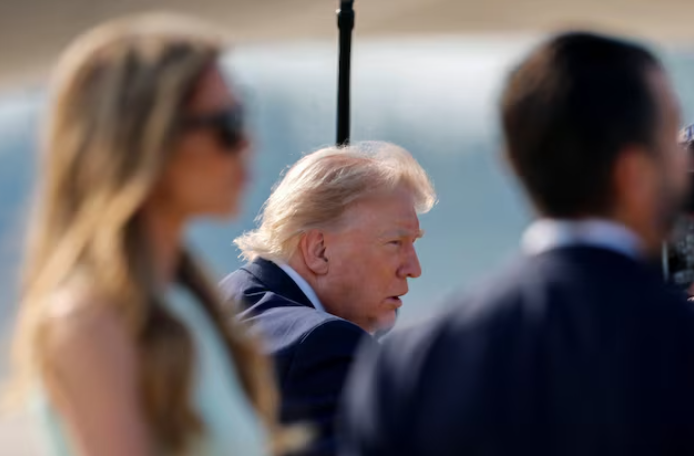
In a recent press gaggle before departing on Air Force One to North Dakota, President Trump stated, “Bill is there just for a fairly short period of time, but while he’s there, I said you can declassify whatever you want.” His remarks align with new reports from NBC News indicating that a White House task force is set to declassify documents from U.S. intelligence agencies. This initiative appears to be aimed at reinforcing Trump’s assertions concerning prior elections.
Acting Spy Chief Faces Bipartisan Scrutiny Over Qualifications
Bill’s brief appointment has led to discussions about his power to declassify documents, as indicated by President Trump during a press conference before boarding Air Force One. Trump mentioned that bill could declassify whatever he wanted amid reports from NBC News about a White House task force aiming to declassify documents from U.S. intelligence agencies to support Trump’s claims regarding past elections.
Furthermore, questions arise about Pulte’s tenure, having been appointed to the role just last month after Tulsi Gabbard’s resignation. He has come under considerable scrutiny from both Democratic and Republican factions due to his limited experience in intelligence and national security, as well as his controversial past as the director of the Federal Housing Finance Agency. His prior actions included sending criminal referrals to the Department of Justice against political adversaries, raising concerns about his qualifications for such a significant position.
Political and Intelligence Implications
Trump’s decision to delegate extensive declassification authority to Acting Director of National Intelligence Bill Pulte has sparked significant discussion regarding the tension between presidential authority and intelligence oversight. Critics express concern that the disclosure of sensitive intelligence documents, particularly those related to the 2020 election, could lead to the politicization of national security entities and diminish public trust in the intelligence community.
Proponents advocate for increased transparency to answer longstanding public inquiries surrounding election-related investigations and governmental actions. Nonetheless, detractors caution that selective declassification may compromise classified sources and techniques, threaten active intelligence operations, and exacerbate political polarization.
Legal authorities assert that although the president possesses broad constitutional powers regarding classified information, decisions about declassification involving intelligence agencies usually follow established review protocols designed to safeguard national security. Consequently, any substantial release of intelligence records is likely to encounter rigorous examination from Congress, former intelligence officials, and judicial bodies.
Potential Impact of Declassifying 2020 Election Records
The proposed declassification of intelligence records pertaining to the 2020 election raises significant political and legal implications. Proponents advocate for the release, citing enhanced transparency and the potential to resolve ongoing public concerns regarding election security. Conversely, detractors caution that such a move might politicize intelligence agencies and jeopardize public trust in their impartiality. This evolving issue is anticipated to be a contentious topic as legislators, intelligence officials, and legal scholars evaluate whether the declassified information will yield new insights or merely reignite long-standing political controversies surrounding the 2020 election.
What Comes Next
Bill Pulte is anticipated to act as the Director of National Intelligence until Jay Clayton’s Senate confirmation. During Pulte’s time in this role, scrutiny from lawmakers, intelligence officials, and legal experts will focus on any declassification orders he issues. The release of documents pertaining to the 2020 election could incite fresh political discourse, lead to congressional investigations, and potentially spark legal disputes concerning the management of classified materials and the extent of presidential power.
Trump commented on election records, stating, “I told him you could do it, it’s fair. You got to ask him,” when asked about documents related to the 2020 election. Despite losing the 2020 election, he went on to win a second term in the White House in 2024, while continuing to assert unfounded claims of widespread fraud in U.S. elections. Attempts to seek comments from the Office of the Director of National Intelligence and Senate Intelligence Committee Chairman Tom Cotton’s office received no immediate response.
Pingback: UK PM in waiting:Andy Burnham 10 year plan for defence housing and EU ties - internationalmediawire.com