
Healthcare fraud is a deliberate act carried out by medical providers, patients, and other parties, aiming to deceive the healthcare system for illegal benefits or payments. This form of fraud has far-reaching consequences, impacting individuals and businesses alike, and contributing to substantial financial losses—amounting to tens of billions of dollars annually. These losses can lead to higher health insurance premiums, unnecessary medical procedures for patients, and increased taxation for the general public.
The Federal Bureau of Investigation (FBI) serves as the principal agency responsible for investigating instances of healthcare fraud, addressing offenses that occur within both federal and private insurance frameworks. The FBI conducts its investigations collaboratively with an array of partners, including federal, state, and local law enforcement agencies, as well as partnerships focused on preventing healthcare fraud. Among these are the Healthcare Fraud Prevention Partnership and various insurance organizations, such as the National Healthcare Anti-Fraud Association and the National Insurance Crime Bureau. A recent example of these investigations involved five individuals with connections to Louisville who were charged in a nationwide healthcare fraud case, highlighting the ongoing efforts to combat this pressing issue.
Health care fraud can manifest in various ways. Key red flags to watch for include:
- Bills for services not received,
- Duplicate charges for the same treatment,
- Requests for insurance information from unknown sources,
- Unexplained charges on medical statements,
- Prescriptions issued without proper medical evaluation,
- Providers billing for more expensive services than rendered (upcoding),
- Pressure to share or lend your health insurance card.
Healthcare fraud refers to dishonest actions taken by medical providers, patients, or other individuals with the intent to gain financially through illicit means. This can encompass various fraudulent practices such as false billing, identity theft, and abuse of prescriptions. Such activities not only undermine the trust and integrity of healthcare services but also impose significant financial burdens on both taxpayers and patients.
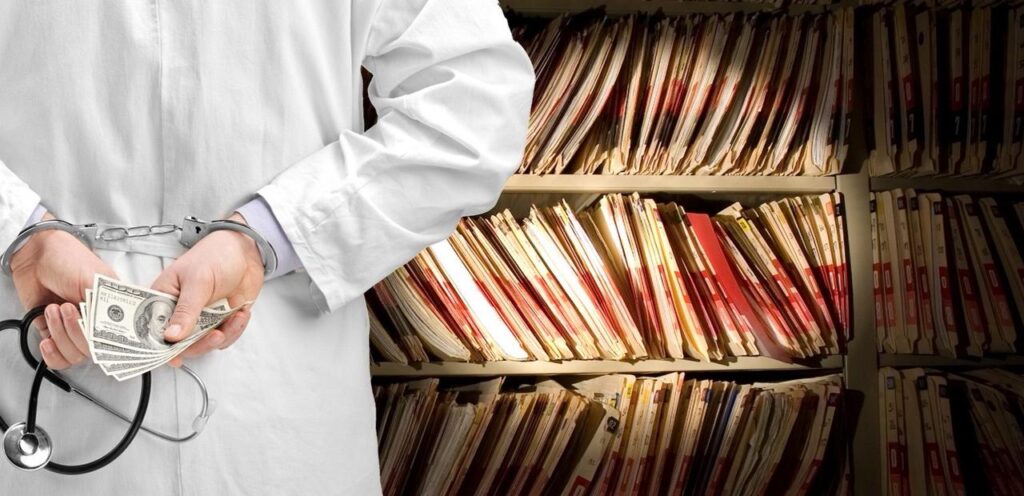
In a significant enforcement action, the U.S. Department of Justice announced its 2026 National Health Care Fraud Takedown, resulting in charges against several Kentuckians and local businesses for health care fraud. U.S. Attorney Kyle Bumgarner for the Western District of Kentucky revealed this information on June 23. A total of five individuals and two businesses, specifically KLF Company LLC and Freedom Center LLC, based in Louisville, along with Einar Serrano Reyes from Opa-Locka, Florida, face multiple charges, including health care fraud, identity theft, conspiracy to obtain controlled substances through fraudulent means, and theft of medical products.
One notable case involves Angela Renfro and Briana Gosnell, in which these defendants are accused of submitting over $11 million in fraudulent claims to Kentucky Medicaid, with more than $10.7 million disbursed as a result of this deceitful activity. Bumgarner emphasized the severe implications of these crimes, stating that such fraud not only costs taxpayers millions but also prioritizes the defendants’ profits over genuine patient care.
The indictments underscore the collaborative efforts among federal and state law enforcement agencies in Kentucky dedicated to fighting health care fraud. Bumgarner reiterated the commitment of the United States Attorney’s Office to thoroughly investigate and prosecute those involved in defrauding health care programs, as well as to pursue restitution on behalf of the American public.
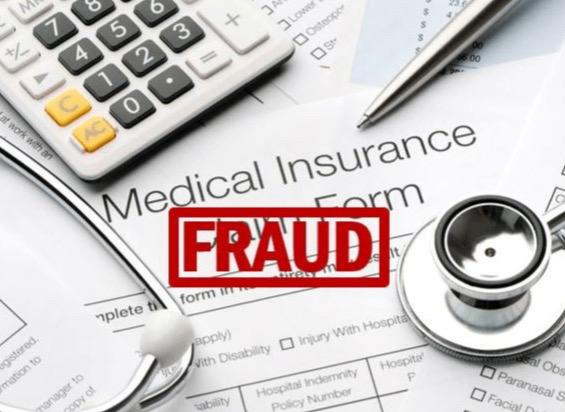
The document also elaborates on common health care fraud schemes, highlighting various tactics used by both medical providers and patients. Provider fraud includes practices such as double billing (submitting multiple claims for one service), phantom billing (charging for services not rendered), unbundling (billing separately for services that should be billed together), and upcoding (charging for more expensive services than provided). On the other hand, patient fraud encompasses bogus marketing (manipulating individuals to provide their insurance information for non-existent services), identity theft (using someone else’s insurance), and impersonation of health care professionals (illegally providing services without a license).

Additionally, prescription fraud includes forgery of prescriptions, diversion of legal medications for illegal use, and doctor shopping (seeking multiple prescriptions from various providers).
Protecting your health insurance information is crucial; it should be treated with the same care as a credit card. Avoid sharing it with others and exercise caution when using it at healthcare facilities. Be wary of “free” services that request this information, as they may not be legitimate and could result in fraudulent charges to your insurance provider. Regularly review your Explanation of Benefits (EOB) to ensure that the billed services, dates, and locations align with the care you actually received. If discrepancies arise, contact your health insurance provider promptly for clarification.
The National Health Care Fraud Takedown, spearheaded by the U.S. Department of Justice (DOJ), has led to charges against over 450 defendants for more than $6.5 billion in alleged health care fraud. The operations encompassed a range of fraudulent activities, including the exploitation of federal programs such as Medicaid, illegal opioid distribution, and deceptive wound care practices. The takedown’s extensive reach included cases initiated in 45 states and territories, with unprecedented collaboration from 50 state Medicaid Fraud Control Units, marking the largest effort of its kind in DOJ history.

The U.S. Department of Health and Human Services, represented by Secretary Robert F. Kennedy, Jr., emphasized the severe implications of health care fraud in a statement released on June 23. He underscored that fraud not only thwarts taxpayer resources but also endangers the health and safety of vulnerable patients. The Secretary announced a sweeping enforcement action aimed at deterring illicit practices, sending a robust message to potential offenders: those who exploit the healthcare system for personal gain will face prosecution and accountability.
The document also addresses the critical issue of prescription medication abuse, highlighting the serious repercussions of creating or using forged prescriptions. The financial toll of prescription fraud impacts a wide range of stakeholders, including physicians, hospitals, insurers, and taxpayers. However, the most devastating impact is on human life, as addiction related to prescription medication contributes to the loss of tens of thousands of lives annually.

To combat these issues, the document presents several critical guidelines for individuals taking opioids. It advises patients to adhere strictly to their doctor’s prescriptions and to limit the duration of opioid use. Additionally, sharing medications with others is strongly discouraged. Patients are encouraged to discuss non-opioid alternatives with their healthcare providers and to stay informed about the risks associated with opioid use by consulting resources from the CDC. Lastly, the document recommends the proper disposal of unused or expired pain medications at DEA-approved take-back sites to mitigate risks of misuse.