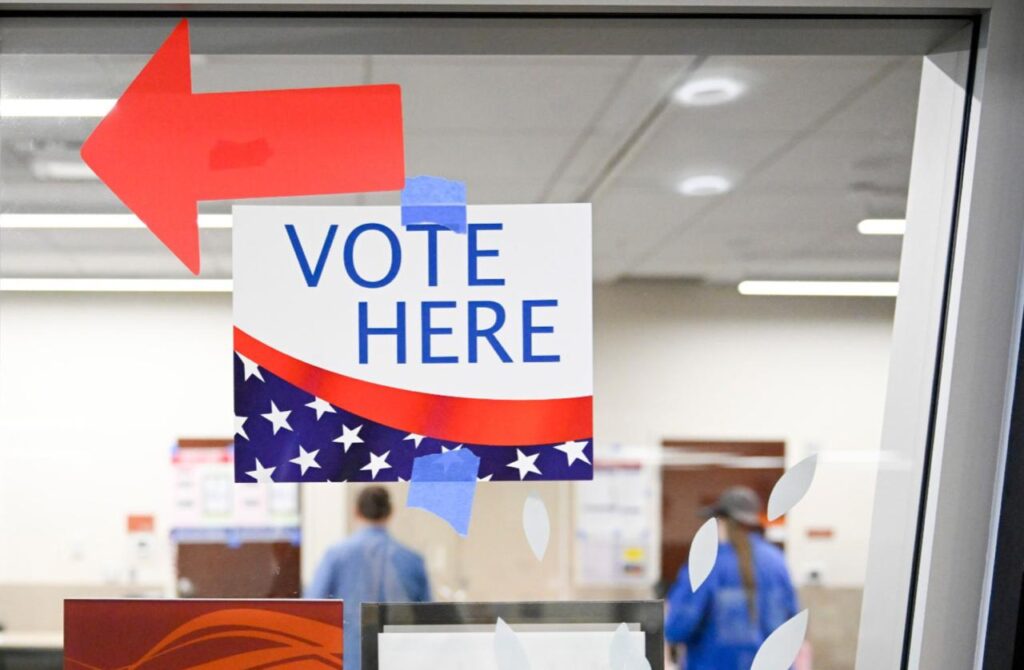
A U.S. District Court Federal judge, Denise Casper, has issued a permanent injunction preventing the Trump administration from enforcing significant portions of an executive order concerning elections, specifically the requirement for voters to provide documentary proof of citizenship during voter registration. This ruling not only reinforces a preliminary injunction from the previous year but also stresses that the authority to regulate elections lies with the states and Congress as outlined by the Constitution.
Federal Judge Casper’s decision firmly rejects the Trump administration’s claims regarding the legality of their executive order, which also included provisions to disqualify mail ballots arriving after Election Day, even if they were postmarked that day, and threatened penalties against states that did not comply, including withholding federal funds.
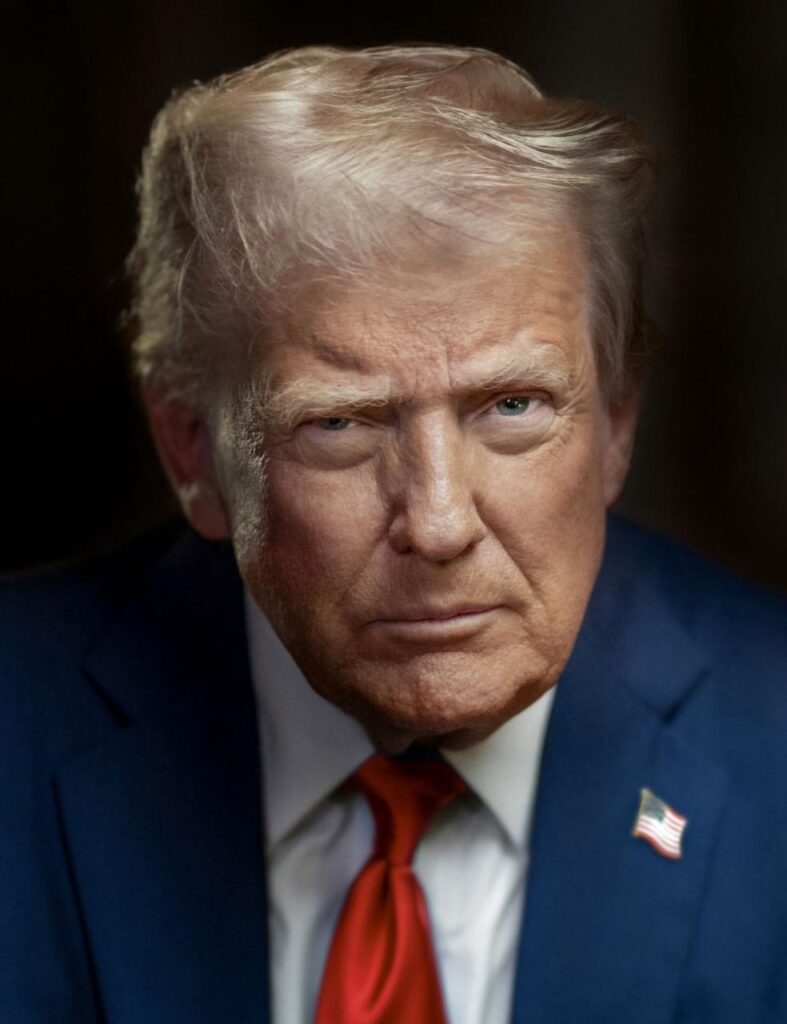
Attorney General Letitia James of New York lauded the decision, viewing it as a necessary check against what she described as unconstitutional overreach by the Trump administration. Similarly, California Attorney General Rob Bonta supported the ruling, highlighting its reaffirmation of state and congressional authority in electoral processes and the ongoing efforts to combat restrictions on voting rights fueled by Trump’s initiatives.
Casper’s ruling illustrates that the Constitution does not grant the President specific powers over electoral matters, dismissing the administration’s arguments that legal challenges were premature since the changes had not yet taken effect. The injunction reflects a wider trend of legal challenges against Trump’s executive actions regarding elections, including a prior ruling that blocked similar citizenship requirements for military voters.
In the wake of consistent legal setbacks, Trump has shifted towards a legislative strategy, proposing the SAVE America Act in Congress, which has passed the House but remains stalled in the Senate. He has recently intensified his stance, indicating he would not support any additional legislation until the proof of citizenship requirement is enacted.
New York Attorney General Letitia James commended the recent court ruling as a significant safeguard against what she considers an unconstitutional overreach by the Trump administration concerning election regulations. California Attorney General Rob Bonta echoed her sentiments, viewing the ruling as a reinforcement of state and congressional authority over electoral processes and highlighting ongoing efforts to challenge Trump’s initiatives that aim to limit voting rights.
The ruling counters claims from Republican leaders regarding widespread voting fraud by noncitizens, a narrative that lacks substantial evidence; current voter registration forms require individuals to affirm their citizenship under oath. This judicial decision affirms the constitutional principle that restricts the executive branch’s authority over elections, reinforcing state rights and promoting electoral integrity.
Trump’s executive order proposed several controversial measures, including mandatory proof of citizenship for voter registration, discarding mail ballots received after Election Day—even if postmarked on time—and imposing penalties on states that do not comply. Attorney General James expressed her gratitude for the court’s decision, which she views as a protective action against unconstitutional attempts to control elections, pledging to defend voting rights during the upcoming midterm elections. Bonta also emphasized the ruling’s reinforcement of state rights in determining election rules and acknowledged the ongoing struggles to protect voting rights spurred by Trump’s policies.
This ruling is part of broader legal actions against Trump’s executive orders regarding elections, following another recent federal court ruling that blocked the citizenship requirement for military voters. In light of these legal setbacks, Trump has pivoted to a new legislative effort with the SAVE America Act, which has passed in the House but is currently stalled in the Senate. Trump has indicated a refusal to support other bills until the proof of citizenship requirement is enacted, reflecting his determination to push his electoral agenda forward amidst judicial and legislative challenges.
This ruling is part of an extensive legal landscape impacting Trump’s efforts related to election administration, following a series of executive orders he signed during and after his presidency. A significant aspect of this context is the earlier intervention by a federal court in D.C., which halted the Trump administration’s moves to enforce a proof-of-citizenship requirement on federal voter registration forms, illustrating the ongoing legal opposition to his policies.
Federal judge Casper’s recent permanent injunction builds on a preliminary order and underscores the ineffectiveness of the administration’s arguments claiming the lawsuit was premature due to the changes not yet being implemented. The contested executive order proposed invalidating mail ballots received after Election Day and threatened penalties for states failing to comply, including potential reductions in federal funding.
This ruling forms part of a broader pattern of judicial challenges against Trump’s election-centric executive actions since the commencement of his second term. There have been consistent legal obstacles against efforts to mandate proof-of-citizenship for federal voter registrations and military voter registrations. In response to these judicial setbacks, Trump is advocating for the SAVE America Act in Congress. While this legislation has successfully passed the House, it has encountered stagnation in the Senate, intensifying discussions surrounding potential modifications to filibuster rules to facilitate its progression.
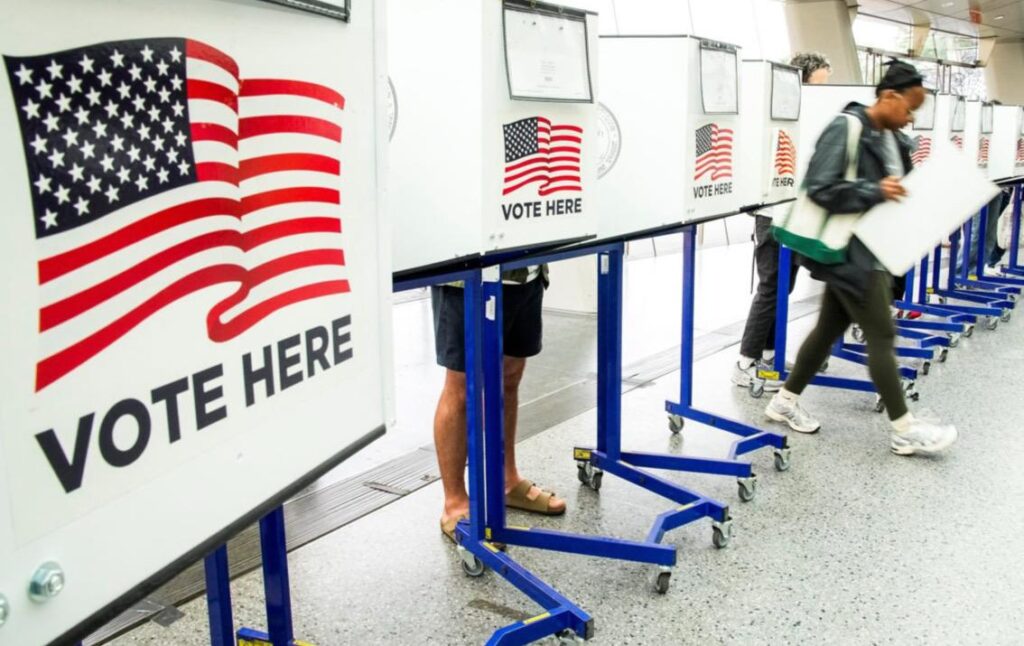
Trump’s advocacy for the SAVE America Act, which seeks to establish a proof of citizenship requirement for voters, reflects his frustration with legislative delays and calls for changes to Senate filibuster rules. While he and some Republican supporters argue that noncitizen voting is a widespread issue, the evidence indicates that such occurrences are extremely rare. Existing federal regulations necessitate citizenship affirmation during voter registration, with serious legal penalties for noncompliance.
Federal Judge: Legal Challenges to Trump’s Election Policies Continue
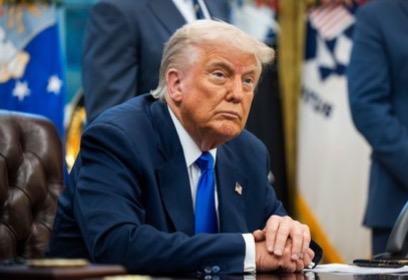
Attorney General Letitia James emphasized her commitment to safeguarding voting rights, particularly during the midterm elections, while California Attorney General Rob Bonta highlighted the importance of state authority over election regulations amid the threats posed by Trump’s initiatives. Despite Republican claims of extensive voter fraud involving noncitizens, the narrative remains unsupported by substantial evidence, leading to the conclusion that the actual prevalence of noncitizen voting is minimal. The current legal framework already enforces strict requirements to attest citizenship when registering to vote.
Additionally, the Supreme Court is on the verge of ruling on mail ballot deadlines, a decision that could have significant implications for voting regulations across various states. The central figure in this context is Federal judge Casper, who was appointed by former President Barack Obama and continues to play a vital role in maintaining judicial oversight concerning electoral integrity and rights.
This ruling is part of a broader examination of the actions taken by President Trump related to elections since the beginning of his second term. Previous attempts to impose citizenship requirements on federal voter registration forms have encountered judicial obstacles, showcasing the tension between the administration’s legislative initiatives and judicial authority.
The Supreme Court is set to announce whether mail ballots must be received by Election Day, a ruling that has the potential to alter voting procedures for states that typically permit extended grace periods for mail ballot submissions. Federal judge Casper, who serves as the chief judge for the U.S. District CourtFederal judge for the District of Massachusetts, emphasizes the importance of judicial authority in upholding electoral integrity and protecting voting rights. Overall, the upcoming Supreme Court decision on mail ballot submission timelines is likely to significantly influence electoral regulations and reflects a broader resistance to shifts in election procedures proposed by the administration, thereby ensuring the electoral process remains secure and equitable.
Pingback: Breaking: Powerful 7.5 magnitude earthquake streaks, triggering widespread pink - internationalmediawire.com