Prime Minister Takaichi spoke to the press about the legislation to establish Japan first post-war national intelligence agency

Japan is set to establish its first centralized intelligence agency since World War II, marking a significant step in enhancing its espionage capabilities. Prime Minister Sanae Takaichi emphasized this development as a crucial response to growing security threats from China, Russia, and North Korea.
The formation of a national intelligence council will play a pivotal role in coordinating and improving Japan’s intelligence operations. This initiative reflects a broader strategic shift in Japan’s security posture, addressing contemporary geopolitical challenges and laying the groundwork for future intelligence reform efforts.
On May 27, 2026, the Japanese Diet enacted a significant reform by establishing the National Intelligence Council (NIC) and its secretariat, the National Intelligence Secretariat (NIS). This legislation is viewed as a crucial step in enhancing Japan’s intelligence capabilities, marking one of the most substantial changes to the country’s intelligence framework since World War II.
Post-war intelligence agency The reform aligns with prior initiatives, including the 2008 intelligence community reforms and the 2013 state secrets protection law, collectively considered major overhauls of Japan’s postwar intelligence system. The article provides an analysis of the historical context of Japan’s intelligence operations, highlighting the significance of this recent reform and its potential future implications.

With Japan’s pacifist constitution shaping its post-war policies, the country has often depended on collaboration with U.S. military intelligence. Prime Minister Sanae Takaichi has characterized these reforms as a “first step” toward building Japan’s autonomous espionage capabilities, signaling a shift in national security strategy.
(Reporter)
I am Brad Heat from the United States.. Thank you. I would like to ask about the act to establish a national intelligence council.

Post-war intelligence agency The article discusses the recent enactment of legislation establishing the National Intelligence Council (NIC) and its secretariat, the National Intelligence Secretariat (NIS), which marks a significant reform in Japan’s intelligence capabilities.
Post-war intelligence agency This legislative move, initiated on May 27, 2026, follows a broader trend of intelligence reform in the country and is supported by various political parties, including the Liberal Democratic Party and the Japan Innovation Party, despite concerns from opposition parties regarding privacy violations.
The historical context highlights that this reform is among the most consequential changes to Japan’s intelligence system since World War II, alongside previous reforms like the 2008 intelligence community reforms and the 2013 state secrets protection law.
The article notes that the establishment of the NIC is perceived as a foundational step towards addressing other critical issues, including the implementation of anti-espionage laws and the potential formation of a foreign intelligence agency.
The act aims to enhance Japan’s “control tower function” for intelligence, positioning it as a pivotal development in the nation’s defense and security landscape. It underscores the ongoing evolution of Japan’s approach to intelligence, emphasizing the need to balance national security interests with civil liberties, particularly in the face of emerging global threats.
The implications of these reforms are examined regarding their potential impact on Japan’s intelligence operations and international collaborations moving forward.
Prime Minister Takaichi
Prime Minister Takaichi emphasized that the act discussed has been a central commitment in his campaign pledges during the Liberal Democratic Party’s presidential elections over the past two years and was included in the party’s manifesto for the recent House of Representatives election.

He expressed gratitude for the support from various parties and factions that enabled the enactment of this legislation. The primary aim of the act is to bolster Japan’s intelligence capabilities in response to an increasingly complex and challenging international landscape.
Enhancing information capabilities will help Japan effectively address difficult challenges, ensuring the safety and security of its people while protecting national interests.
Characteristics and Historical Development of Japan Intelligence Functions1
Postwar Japan’s intelligence community comprises five main organizations: the Cabinet Intelligence and Research Office (CIRO), the Ministry of Foreign Affairs, the Ministry of Defense, the National Police Agency, and the Public Security Intelligence Agency, which collectively address foreign, defense, domestic security, and law enforcement intelligence needs.

CIRO plays a central role as the coordinating body and operates under the Cabinet Secretariat, akin to the structure of the US intelligence system under the Office of the Director of National Intelligence (ODNI), though Japan’s intelligence authority and scale are considerably more restricted.
Notably, Japan’s intelligence apparatus contrasts significantly with those of other G7 nations and Australia due to several key factors. Primarily, the scope of its intelligence activities is constrained, with limited institutional authority, and a significant absence of an independent foreign human intelligence (HUMINT) organization and dedicated domestic intelligence service.
Furthermore, integration among the various agencies within the intelligence community has typically been weak. The Director of Cabinet Intelligence (DCI), who leads CIRO, shares some coordination responsibilities similar to the US Director of National Intelligence (DNI) but lacks substantial legal authority over other intelligence entities.
Oversight by democratic institutions remains underdeveloped, exemplified by the absence of a standing committee in Japan’s Diet focused on intelligence oversight.
These characteristics stem from two historical factors. First, Japan’s postwar landscape is marred by an institutional aversion to robust intelligence organizations, a sentiment rooted in collective memories of wartime oppression and civil liberties violations.
Secondly, for many years after World War II, Japanese leaders heavily depended on the United States for crucial security decisions and strategic intelligence, diminishing the urgency to cultivate independent intelligence capabilities.

In response to these shortcomings, the Japanese government has been working to enhance its intelligence functions gradually. Since the mid-2000s, several reforms have been instituted, including a comprehensive intelligence community reform program launched in 2008, followed by the enactment of a new state secrets protection law in 2013.
The recent passage of 2026 legislation signifies a pivotal advancement in the development of postwar Japanese intelligence institutions, indicating a shift towards strengthening its intelligence capabilities.
Significance of the Enactment of the New Law
The newly enacted legislation introduces significant institutional changes to Japan’s intelligence framework, primarily through the reorganization of CIRO and DCI into the National Intelligence Secretariat (NIS) and the Director of the National Intelligence Secretariat (DNIS), respectively.

This restructuring aims to strengthen the coordination authority of the DNIS by establishing a clearer statutory foundation within the intelligence community. Additionally, it enhances the connection between policymakers and intelligence entities by elevating the Cabinet Intelligence Council to a ministerial-level National Intelligence Council (NIC) chaired by the Prime Minister.
This is a notable distinction from the U.S. NIC, as Japan’s NIC resembles the U.S. National Intelligence Priorities Framework, which focuses on setting national intelligence priorities.
The revisions are expected to bolster integration within the intelligence community and improve the assignment of intelligence requirements by policymakers, which may, in turn, enhance the overall intelligence cycle within the Japanese government.
A critical aspect of this reform addresses the long-standing structural challenge of fragmented coordination among intelligence organizations in Japan. Consequently, the NIS is poised to elevate all-source intelligence analysis and foster cohesive intelligence policies and operations across the community.
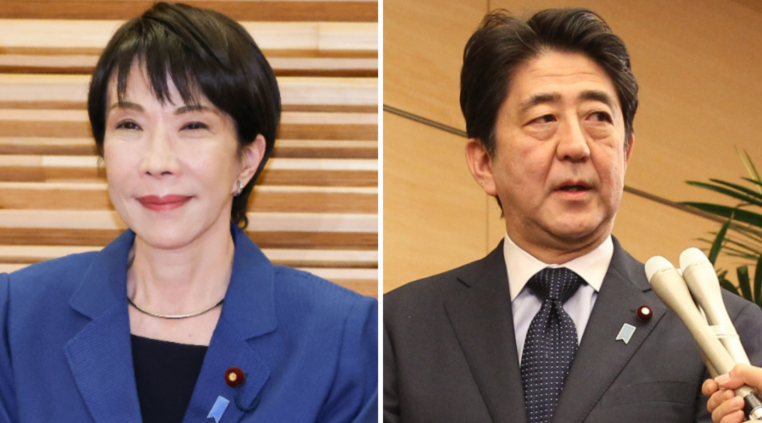
This initiative may include expanded joint personnel training, advancements in information-sharing systems, and improved interagency coordination.
Although these developments could align Japan’s intelligence governance closer to the U.S. model centered on the Office of the Director of National Intelligence (ODNI), it is essential to recognize that significant institutional differences will persist.
Understanding the driving factors behind such extensive reforms necessitates examining the convergence of various elements that contributed to this transformation.
How will it work?
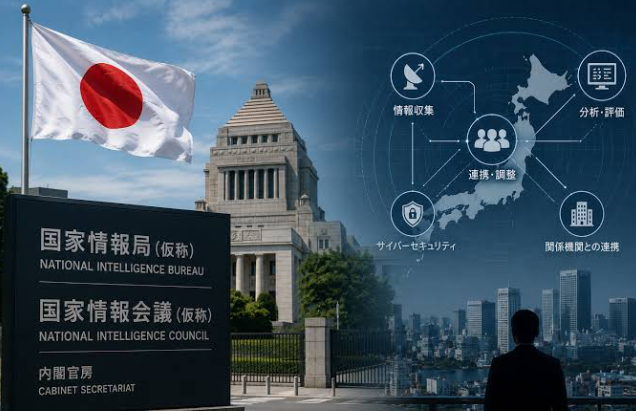
Legislation recently approved by Japan’s National Diet has established two new entities aimed at enhancing the country’s intelligence capabilities: the National Intelligence Council and the National Intelligence Bureau.
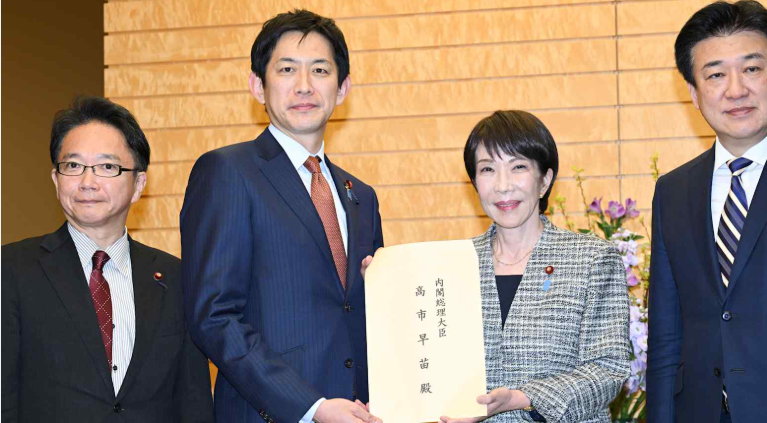
The Council is designated as the command centre for intelligence gathering and analysis, while the Bureau is tasked with executing operations. According to reports from The New York Times, Japanese officials have been seeking guidance from international partners, including the United States, Australia, and Germany, regarding technology, personnel, and strategic priorities.
The central objective of these new organizations is to bolster Japan’s intelligence operations by improving interagency coordination, minimizing barriers between departments, and ensuring that intelligence outputs are more aligned with the needs of policymakers.
Defence expert Sanshiro Hosaka, in a commentary for Al Jazeera, elaborates on how these reforms aim to create a more effective intelligence framework in Japan.
Amid public apprehensions regarding the potential misuse of intelligence for political purposes, supplementary resolutions have been enacted to protect personal information and privacy. These amendments clarify that the government must avoid collecting data that might compromise political neutrality, addressing citizens’ concerns over the implications of expanded intelligence activities.
Background Factors Enabling the Reform
The significant intelligence reform in Japan stems from several interrelated factors that reflect changes in the security, societal, and political landscapes.

Firstly, the shifting security environment in East Asia has prompted this reform. The rise of China and North Korea’s ongoing development of nuclear weapons and missile technology have created a sense of urgency surrounding Japan’s national security.
Additionally, global conflicts in regions like Ukraine, Gaza, and Iran have emphasized structural instability in international relations, leading to broader economic and societal repercussions that are increasingly perceptible within Japan.
These geopolitical developments foster a growing belief among Japanese leaders and the public that the country cannot sufficiently depend on allied intelligence for early warning and crisis response.
Post-war intelligence agency Secondly, there is a notable evolution in Japanese public opinion regarding national security. The populace appears to be becoming more open to enhancing Japan’s national security capabilities. While there is a recognition of potential overreach, recent public opinion polls indicate a willingness to support stronger intelligence measures.
This shift is particularly evident during legislative deliberations, where efforts to pass new intelligence legislation garnered backing from both the ruling coalition and certain opposition factions, albeit with various reservations and conditions.
Lastly, political momentum has played a crucial role in facilitating these reforms. After the establishment of a new administration in late 2025, a coalition agreement between the Liberal Democratic Party and the Japan Innovation Party explicitly included calls for bolstering intelligence capabilities.
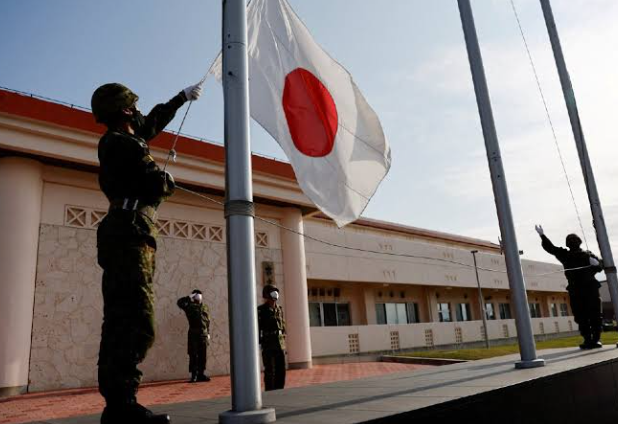
Moreover, media sources have highlighted that the United States, Japan’s essential ally, is supportive of Japan’s initiatives to enhance its intelligence coordination and capabilities, further accelerating the reform process.
In conclusion, the interplay between external security demands, domestic public opinion, and political will lays the groundwork for a transformative change in Japan’s intelligence operations.
How are Russia and China operating in Japan?

Russia and China operations in Japan have intensified recently, highlighted by two main developments. In 2024, cybersecurity research group Citizen Lab unveiled a network of Beijing-controlled websites masquerading as Japanese-language news sources, aimed at disseminating pro-China disinformation. This initiative reflects a broader strategy of influencing public opinion within Japan through misleading narratives.
On the Russian front, the military has exploited Japan’s relatively lenient espionage laws to establish a covert intelligence unit in Tokyo, referred to as the 20th Directorate. This unit operates under the guise of diplomats or businesspeople, engaging in activities such as purchasing or stealing battlefield technology from Japan and secretly transporting it back to Russia.
According to reports from The New York Times, Ukrainian officials estimate that a staggering 90% of the Russian missiles and drones deployed in Ukraine incorporate components manufactured in Japan. These activities underline the growing concerns over Japan’s national security and the implications of foreign operations within its borders.
Future Prospects
The deliberations within the Diet regarding the legislation have highlighted two primary challenges that require ongoing attention from the Prime Minister and senior government officials: enhancing foreign intelligence capabilities, particularly overseas human intelligence (HUMINT) collection, and bolstering counterintelligence efforts.
To improve foreign HUMINT, significant changes in organizational structure and legal authorities are needed, alongside strategies for recruiting, training, and retaining specialized personnel.
On the other hand, proposals to strengthen counterintelligence capabilities include increasing penalties for espionage on behalf of foreign nations and establishing a legal framework akin to the U.S. Foreign Agents Registration Act (FARA).
These measures aim to bring greater transparency to Japan’s political processes in the face of increasing foreign influence and information warfare concerns. However, while these initiatives aim to rectify historical weaknesses within Japan’s intelligence system, their implementation remains uncertain.
The focus on foreign HUMINT and counterintelligence raises important questions surrounding civil liberties and democratic oversight. Public sentiment in Japan is gradually shifting toward acceptance of enhanced national security measures, yet apprehensions persist regarding potential human rights infringements and the political manipulation of intelligence operations.

These concerns were formally recognized in a supplementary resolution associated with the recently passed legislation.
Going forward, a key consideration will be whether enhanced intelligence operations can gain sufficient democratic legitimacy and public confidence. Achieving this will necessitate increased transparency, accountability, and robust oversight mechanisms.
Suggested measures could involve more rigorous parliamentary oversight through dedicated committees, regular reporting processes, and independent administrative oversight bodies.
As Japan evaluates its intelligence governance, the challenge lies in crafting a system that aligns with its unique political, social, and historical context, potentially learning from the experiences of countries like the United States and the United Kingdom.
Thus, establishing effective governance of intelligence activities while securing civil liberties and public trust is the principal task ahead.
As discussed, the ongoing reforms in Japan are poised to enhance its intelligence cycle and significantly improve coordination within the intelligence community.
The future of additional reforms, especially regarding foreign Human Intelligence (HUMINT) and counterintelligence, remains uncertain.
The intelligence reform scheduled for 2026 marks a crucial structural advancement; however, its long-term effectiveness will rely not only on the design of these institutions but also on maintaining democratic legitimacy.
This legitimacy is essential for embedding the reforms within a sustainable culture of accountability that aligns with Japan’s unique historical and political context. Ultimately, the success of these reforms will depend on strong political leadership and the public’s active commitment to preserving that legitimacy and accountability.
Pingback: Russia Launched Biggest Ballistic Missile Attacks On Ukrain On 19 July - internationalmediawire.com