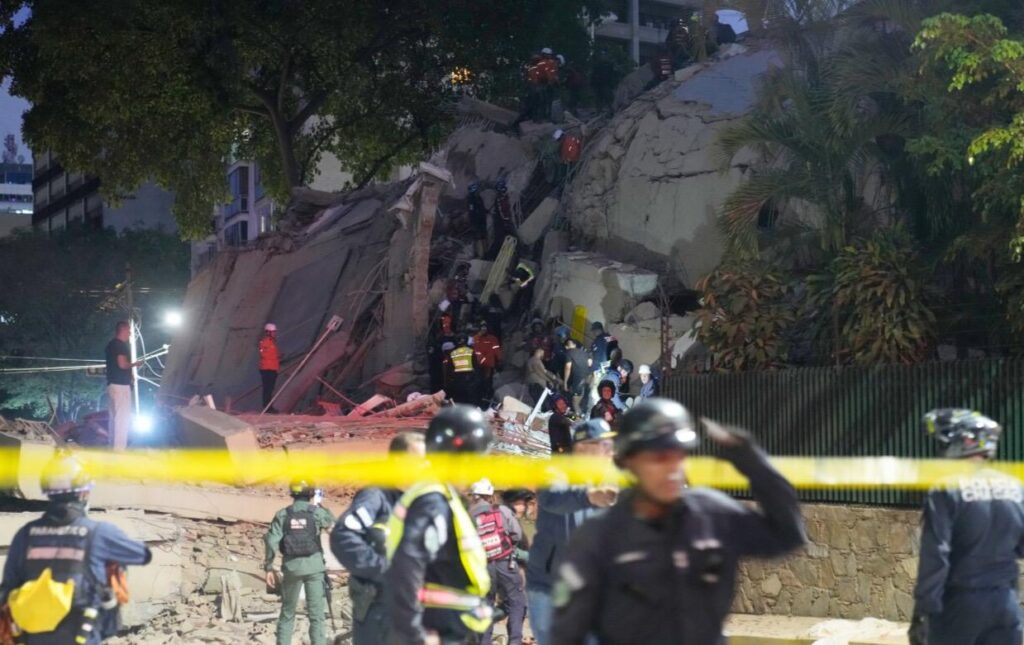
On Thursday, Venezuela experienced two significant earthquakes, measuring 7.2 and 7.5 on the Richter scale, which struck west of the capital city, Caracas. These back-to-back quakes, the strongest to hit the country in over a century, have resulted in catastrophic destruction, with buildings collapsing in the capital and an estimated initial death toll that could range from 10,000 to 100,000 individuals.
The first earthquake occurred about 168 kilometers northwest of Caracas, near the community of Morón, at a depth of 13 kilometers. Shortly thereafter, a second, stronger earthquake was recorded just 16 kilometers southwest of Morón, at a depth of 10 kilometers. The United States Geological Survey (USGS) indicated the likelihood of “high casualties and extensive damage” following these seismic events, predicting that the disaster’s impact is likely to be widespread.
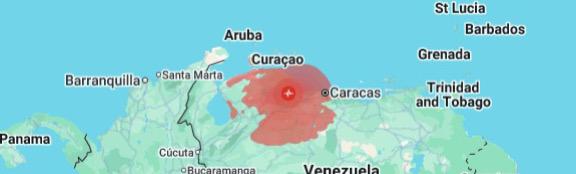
In addition to the destruction of buildings, the earthquakes have led to considerable disruption, including widespread power outages in Caracas. Public services and infrastructure have been heavily affected, complicating rescue and recovery efforts. The seismic activity, which also registered magnitudes of 7.1 and 7.5 for the quakes occurring on Wednesday evening, has been described as unprecedented in recent history for Venezuela, highlighting the country’s ongoing vulnerabilities to such natural disasters.
The recent earthquakes in Venezuela have been described as some of the most significant seismic activities the country has experienced in over a century. The initial tremors, occurring during a public holiday commemorating Venezuela’s independence from Spain, led to widespread chaos as many residents were at home. Following reports from Venezuelan Interior Minister Diosdado Cabello, who spoke via state television, it became clear that emergency services were heavily engaged in responding to the aftermath, particularly in Caracas, where many buildings collapsed and electricity outages were widespread.
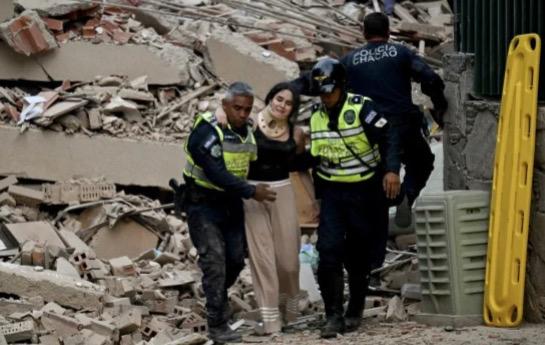
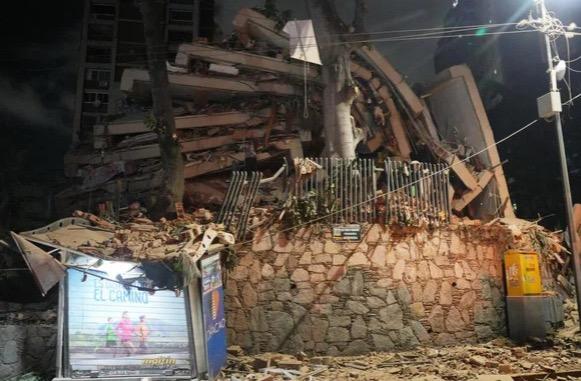
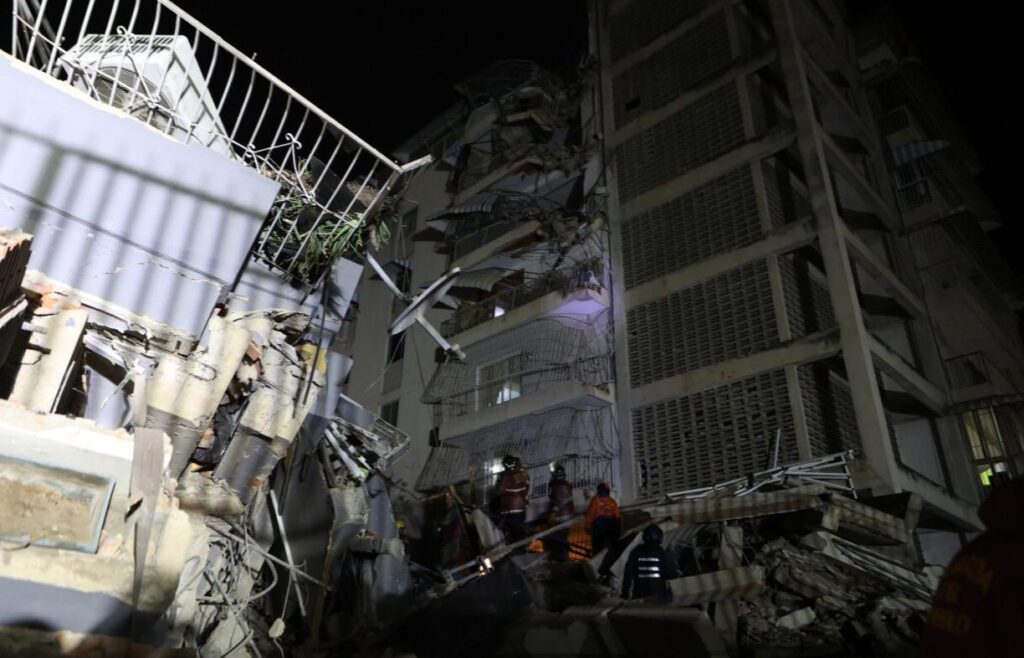
Footage showed emergency workers navigating the ruins of collapsed structures, while damage in areas like the Altamira neighborhood raised immediate concerns for public safety. Residents reported feeling intense tremors, prompting emergency evacuations as fallen walls and debris obstructed streets. There was a brief tsunami alert issued by the U.S. Pacific Tsunami Warning Center, particularly impacting the Virgin Islands, leading authorities in the Dominican Republic to take precautionary measures. Although the tsunami alert for Puerto Rico was later lifted, the potential for aftershocks remained a pressing concern, as highlighted by Cabello’s warnings to residents.
Amidst these natural calamities, geopolitical nuances revealed a controversial layer of U.S. involvement in Venezuelan affairs. President Trump, during a rally in Pennsylvania, expressed approval of the Venezuelan leadership, underscoring a complex interplay between domestic emergencies and international politics.
Notably, shortly after the first seismic shock, a stronger earthquake measuring 7.5 on the Richter scale struck, with its epicenter located approximately ten miles southwest of Morón, at a depth of 10 kilometers. The intense seismic activity not only caused infrastructure damage but also induced significant panic among the population, marking a critical moment in Venezuela’s recent history.
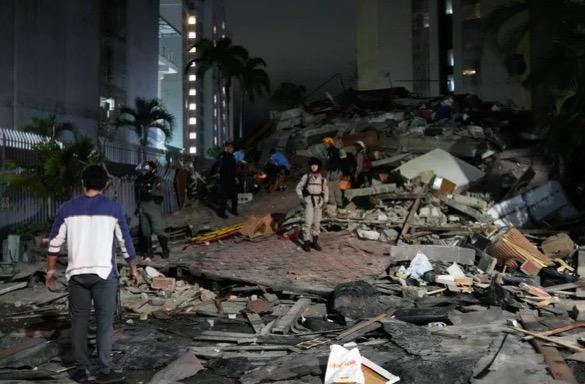
The recent seismic event in Venezuela has left residents in Caracas in a state of shock and fear. Astrid Ramirez, a 41-year-old publicist, described the immediate chaos as people screamed and fled down the stairs for safety. Venezuela is situated in a seismically active area where the Caribbean Plate converges with the South American Plate, making it susceptible to earthquakes. The tremors not only caused widespread panic but also prompted significant evacuations throughout the city.
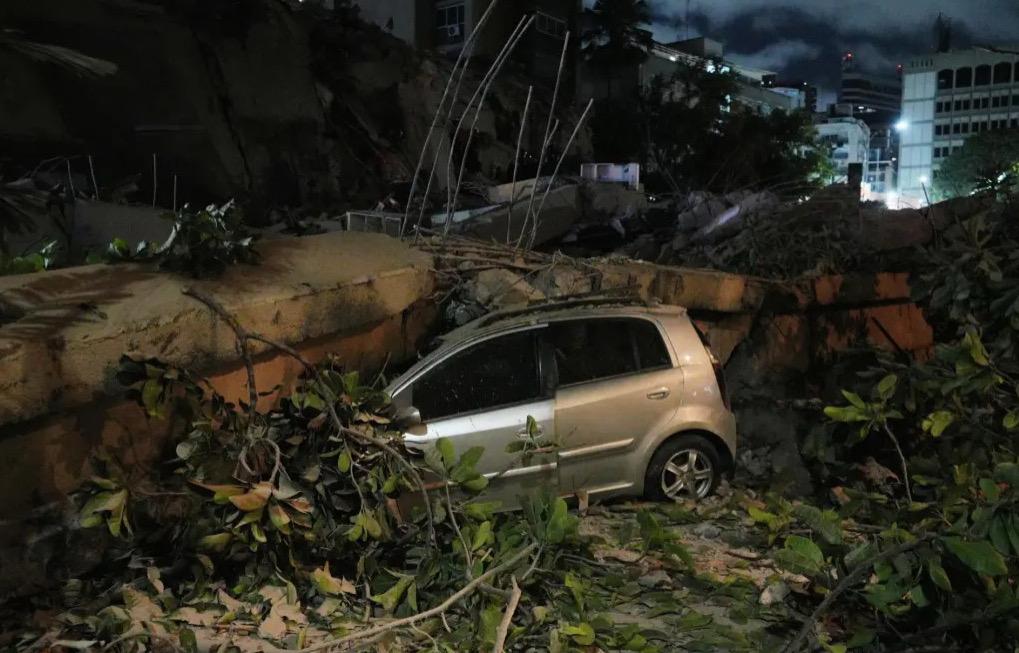
The aftermath of the earthquake revealed considerable structural damage across various neighborhoods. Residents observed entire walls collapse, exposing the interiors of buildings, and generating dust clouds that indicated extensive destruction in areas typically bustling with restaurants and shops. While initial tsunami warnings were issued for Puerto Rico and the Virgin Islands, they were later retracted. The National Weather Service indicated that coastal regions might experience hazardous fluctuations and strong currents, yet the precise extent of damage and potential injuries remains unclear.
Powerful Earthquake Rocks Venezuela, Triggering Pink, Damage, and Tsunami Alerts
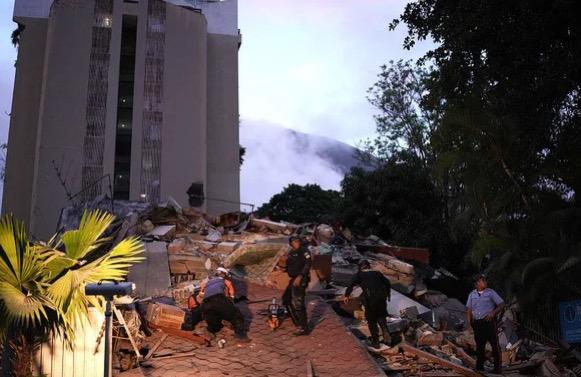
Despite the tumult, the portrayal of the situation highlights a stark contrast to the ongoing struggles faced by many Venezuelans, who are enduring substantial economic hardship and deprivation. This disturbance, while significant, is framed within a broader context of Venezuela’s socio-economic challenges.
The US response to the event, particularly President Trump’s remarks regarding cooperation with Venezuelan President Delcy Rodríguez, underscores a strategic interest in Venezuela’s oil reserves amidst this crisis. Witness accounts, including those from individuals like Hector Ricci, further emphasize the escalating intensity of the earthquakes, compelling people to seek safety outside their homes.
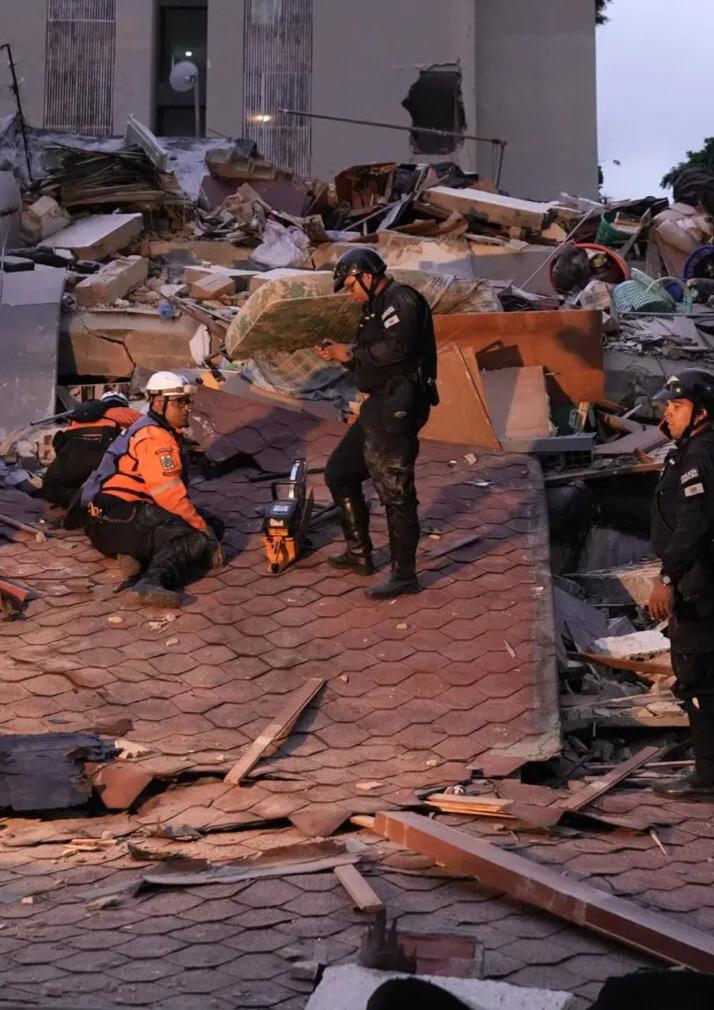
Residents of Caracas experienced a significant earthquake, registering a magnitude of 6.3, which evoked memories of a similarly devastating quake in 1967. As the tremors shook buildings, many residents hurriedly evacuated their homes. Coro Martinez, a 56-year-old from eastern Caracas, described the intensity of the quake, reporting loud crashes and falling objects within homes. Maria Romero, an 80-year-old pensioner, remarked that this earthquake was even more horrific than the earlier one, with police aiding her evacuation.
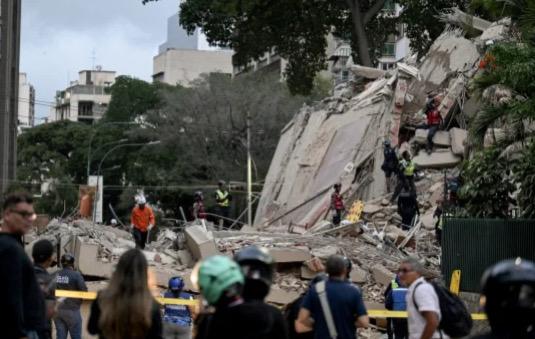
Interior Minister Diosdado Cabello addressed the situation, particularly highlighting alarming conditions in the Altamira neighborhood, where multiple buildings collapsed and injuries were anticipated among residents. He emphasized the importance of allowing emergency services unobstructed access and underscored the need for caution, particularly for vulnerable populations such as children and the elderly. Cabello confirmed that the quake’s impact was felt across several states, urging residents to stay calm and remain outdoors to mitigate risks from potential aftershocks. Coordinated measures for aid and rescue operations were being implemented to support those affected, as the community grappled with the psychological toll of the disaster.
Fire trucks were active in the capital following significant structural damage to some buildings due to a recent earthquake. The US Tsunami Warning System issued a tsunami threat for Puerto Rico and the US and British Virgin Islands, which briefly extended to islands off the coast of Venezuela, including Aruba, Curaçao, and Bonaire, before the warning was lifted after about an hour. Residents shared harrowing accounts of the earthquake, with individuals like Roberto Damas describing intense shaking that threw household items around. While expressing gratitude for their safety, they highlighted the ongoing danger posed by potential aftershocks, which could further compromise already damaged structures.
In response, officials, including Cabello, assured the public that aid and rescue protocols were in place, urging community vigilance, especially among vulnerable populations such as children and the elderly. Emotional distress was acknowledged, but safety measures were emphasized as essential for effective disaster response. Meanwhile, Colombia reported no tsunami risk for its Caribbean coast as a result of these earthquakes.
The administration’s commitment to aid in Venezuela’s earthquake recovery could reflect its broader strategies regarding humanitarian conditions and political stability in the region. Additionally, a tsunami alert was momentarily issued by the U.S. Pacific Tsunami Warning Center for the Virgin Islands, with similar warnings enacted and then revoked for Puerto Rico and the Dominican Republic. Although Venezuela is situated near several fault lines, large earthquakes are infrequent due to its geographical position between the South American and Caribbean tectonic plates.
This event serves as a reminder of the rarity and potential severity of natural disasters in the region, contrasting with the more frequent seismic activity observed along the Pacific coast in countries such as Mexico and Chile. Overall, the earthquakes have left the populace shaken, underlining the necessity for heightened preparedness in emergency situations.