Democratic Taiwan must not become ‘China Taiwan‘, president says. Democratic Taiwan must prioritize the protection of its autonomy, as emphasized by Taiwan President Lai Ching-te during the Democratic Progressive Party (DPP) annual convention held on July 19.He asserted that Taiwan should not be absorbed into China sphere of influence, urging party members to stand firm against what he termed “red terror” emanating from Beijing.
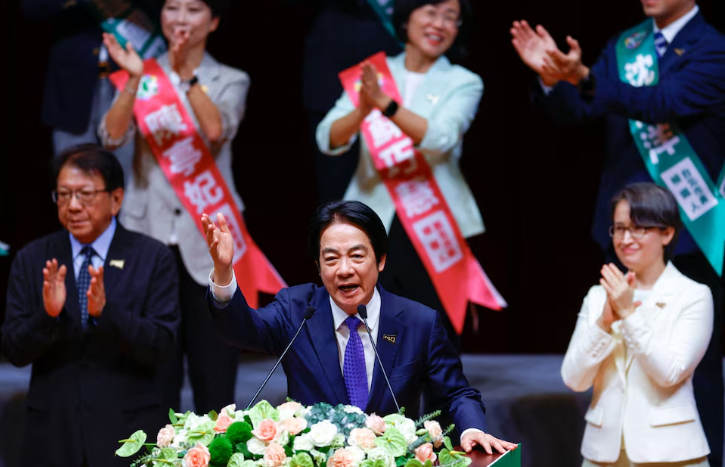
Lai, who has been in office for two years, reiterated the DPP commitment to affirming Taiwan distinct identity, a stance that frequently provokes backlash from China, which regards the island as an integral part of its territory.In his address, Lai highlighted the importance of vigilance in peaceful times, referencing what he called China “legal warfare.”
This includes the enactment of a new ethnic unity law that potentially empowers Beijing to take legal action against individuals outside its borders. Such developments have raised concerns in Taiwan, as they could serve as a pretext for Beijing to pursue or even arrest those in Taiwan whom it deems to be separatists.
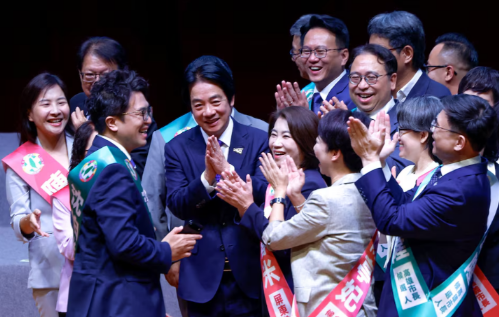
Through this discourse, Lai reinforced the narrative of protecting Taiwan democratic values and the urgency of resisting external pressures aimed at undermining its sovereignty.
Summary
- Taiwan President Lai speaks to annual meeting of his party
- Lai took office two years ago, China refuses to talk to him
- Must not allow ‘democratic Taiwan’ to become ‘China Taiwan’, Lai says
- China views Taiwan as its own territory
Taiwan President Lai addressed the annual meeting of his party, highlighting that he has been in office for two years during which China has refused to engage in dialogue with him.
Lai emphasized the importance of maintaining Taiwan democratic identity, insisting that ‘democratic Taiwan’ should not be allowed to become ‘China Taiwan.’ He reiterated that China perceives Taiwan as part of its territory, underlining the ongoing tensions between the two sides.
Taiwan President William Lai annual convention
Taiwan President William Lai, addressing the Democratic Progressive Party (DPP) annual convention, emphasized the need for Taiwan to remain vigilant during peaceful times.
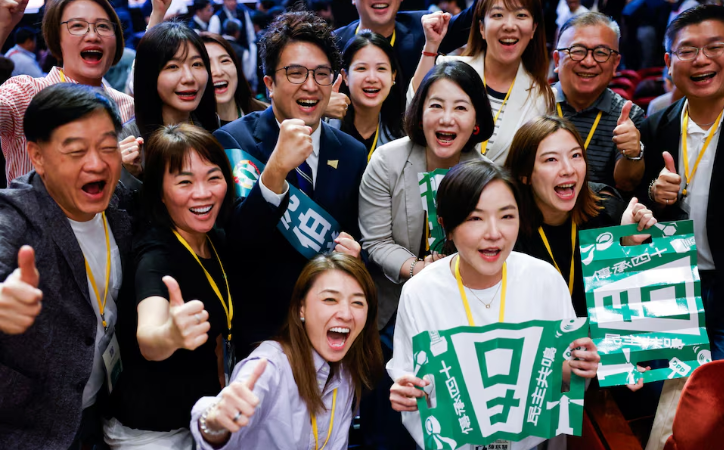
He highlighted what he referred to as China “legal warfare,” pointing specifically to a new ethnic unity law that could provide Beijing with grounds to take legal action against individuals outside of its borders, potentially targeting Taiwanese citizens it views as separatists.
This development has caused significant concern in Taiwan, leading Lai to urge party members to unite against what he termed the “red terror” from China.
Lai reinforced the importance of Taiwan preserving its democracy and resisting integration into China. He asserted that Taiwan must work collaboratively to protect its sovereignty, reiterating that China legal system holds no jurisdiction over Taiwan.
In a show of solidarity and commitment, Lai called upon his party comrades to solidify their stance against the threats posed by China, delivering parts of his address in Hoklo, or Taiwanese, instead of Mandarin, to resonate more deeply with his audience.
This choice of language underscored the cultural identity of Taiwan amid ongoing tensions with the Chinese regime, which has dismissed all criticisms regarding its new law.
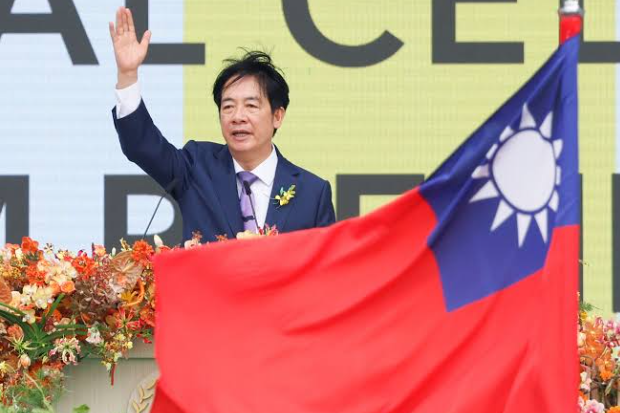
Lai Ching-te, Taiwan Vice President and chairman of the Democratic Progressive Party (DPP), emphasized the importance of unity in preserving Taiwan democratic way of life amidst tensions with China.
‘China Taiwan’
He firmly stated that Taiwan must never revert to being ‘China Taiwan’ and reiterated that Taiwan exists as an independent nation under the constitutional name of the Republic of China, rejecting any notion of subordination to the People Republic of China.
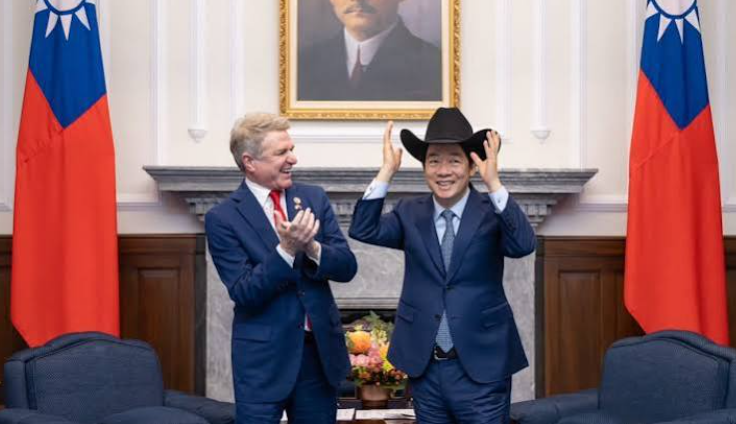
Lai argued that the future of Taiwan should be determined collectively by its 23 million citizens, regardless of ethnic backgrounds or historical migrations.
His remarks come against a backdrop of refusal from China Taiwan Affairs Office to engage in discussions, labeling him a “separatist” for his stance.
He insists that all individuals who identify with Taiwan hold a rightful claim to its sovereignty, reinforcing the notion of shared ownership among its populace.
This statement not only reflects Taiwan desire for self-determination but also underscores the ongoing political complexities stemming from the historical context of the 1949 civil war, after which the Republic of China government retreated to Taiwan following its defeat by Mao Zedong forces.
Taiwan Military Threats
To this day, the governments of Taiwan and China do not recognize each other, and there has been no formal peace treaty or armistice to conclude the civil war that has persisted since 1949. Taiwan President
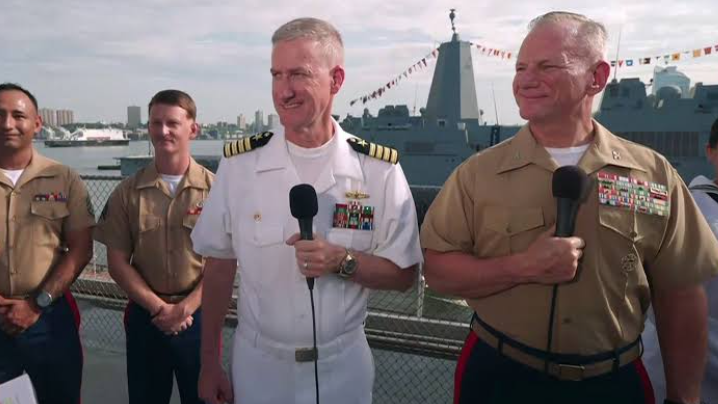
Taiwan President During the last decade under the Democratic Progressive Party (DPP), Taiwan has maintained its stance against “authoritarian expansion,” facing various challenges including disinformation, military threats, and diplomatic pressure. Lai emphasized that Taiwan resilience demonstrates that democracy is a source of strength, not a weakness.
He articulated a vision of national identity that includes all individuals who identify with Taiwan, asserting that the future of Taiwan should be determined collectively by its 23 million citizens.
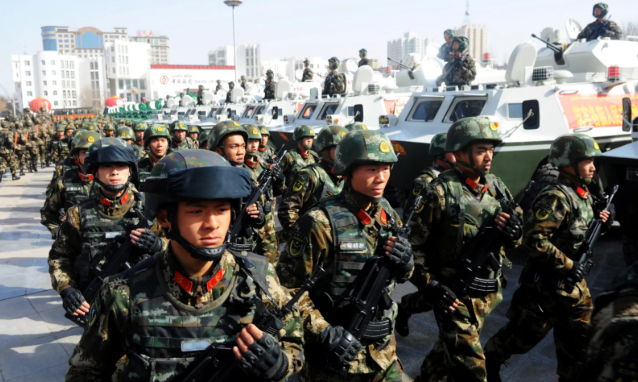
Taiwan President The historical context is rooted in the defeat of the Republic of China, which retreated to Taiwan following its loss to the communists led by Mao Zedong, resulting in the establishment of the People Republic of China on the mainland. Lai statements reflect a commitment to democratic values and national unity despite external pressures.