Oil prices experienced a decline on Tuesday, falling below the $100 mark due to enhanced crude flows from the Middle East. This improvement was largely driven by the resumption of operations in the East-West pipeline in Saudi Arabia and the renewed ship movements through the Strait of Hormuz, a crucial transit route for global oil, accounting for 20% of supply before the onset of the US-Israeli conflict over Iran in late February.
Middle East Despite the drop, both Brent and US crude prices recovered some losses after US President Donald Trump dampened expectations for an imminent peace agreement, indicating that negotiations would not progress until after the midterm elections in early November. The interplay of these geopolitical events and infrastructural developments has significantly influenced market dynamics, contributing to the volatility seen in oil prices this week.In a recent statement, former President Trump remarked that without a peace deal, he could “annihilate” Iran.
Saudi Arabia Restarts Oil Exports as Middle East Crude Flows Recover

Middle East This comment comes as he is expected to meet with global leaders at the United Nations in New York, raising expectations for potential stability in the Middle East and progress towards resolving Russia ongoing war in Ukraine, which has lasted for over four years. On the financial front, Brent crude futures for the November contract closed at $99.25 per barrel, marking a decrease of $1.09 or 1.09%. Similarly, the West Texas Intermediate (WTI) October contract, set to expire soon, ended at $94.99 per barrel, down by $1.19 or 1.24%.
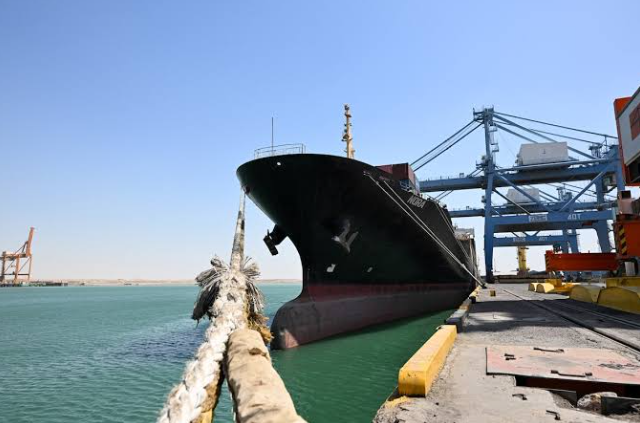
Middle East During earlier sessions, both oil benchmarks had fallen by over $2 per barrel, but Trump statements dampened optimism regarding the possibility of a deal emerging from the ongoing UN General Assembly.In recent days, there has been a notable increase in oil flows through the Strait of Hormuz, a development characterized by underlying optimism in the market. Phil Flynn, a senior analyst at Price Futures Group, remarked, “Saudi Arabia is acting, not waiting,” highlighting the proactive measures taken by the kingdom in response to disruptions.
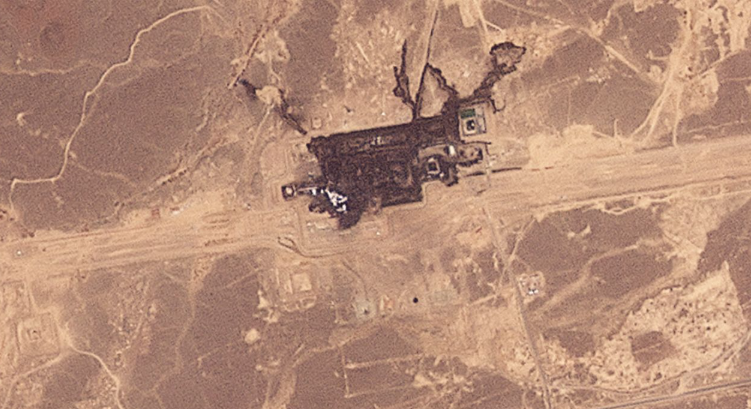
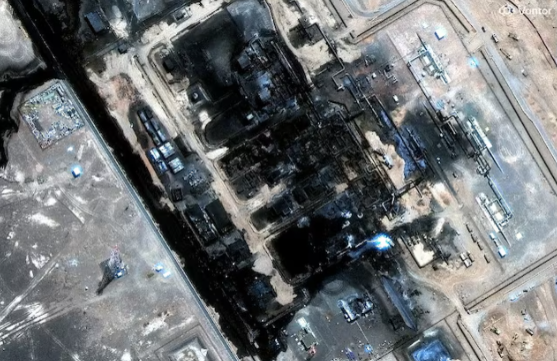
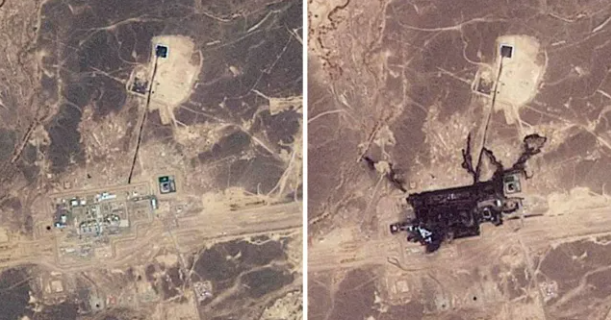
Middle East Specifically, after Houthi attacks on the East-West pipeline led to a halt in oil loadings at Yanbu, Saudi Aramco successfully loaded approximately 14 million barrels of crude oil onto seven Very Large Crude Carriers (VLCCs) within the Persian Gulf. Notably, satellite and tracking data indicated that Saudi oil exports averaged around 2.9 million barrels per day over the past six days, a substantial increase from the roughly 700,000 barrels per day recorded in August.Additionally, operations have resumed at Saudi Arabia East-West Pipeline, with potential plans to reinitiate exports from Yanbu port later on Tuesday, according to insights from three sources familiar with the situation.
Iran Signals Possible Hormuz Reopening as Diesel Prices Hit Record Highs
On the Iranian side, a senior official disclosed to Reuters that Iran would be capable of reopening the Strait of Hormuz within seven days, contingent upon the United States easing its military pressures and lifting its blockade on Iranian ports. This situation underscores the ongoing volatility and strategic significance of the Strait of Hormuz in global oil supply.
Middle East The official announcement from the Iranian delegation at the UN General Assembly in New York indicates that they possess full authority to engage in diplomatic discussions with the United States. Hamad Hussain, a senior economist specializing in climate and commodities at Capital Economics, interprets this as a potential positive development suggesting that efforts towards diplomatic resolution may be gaining traction. Prior to the commencement of US-Israeli military actions against Iran in late February, the Strait of Hormuz was crucial, facilitating approximately one-fifth of the world oil and liquefied natural gas movements.
Hussain also pointed out that additional hurdles, such as tolls and fees, need to be addressed before a sustainable solution can be reached. The practicality of these negotiations has been further complicated by recent events, specifically drone attacks that prompted Saudi Arabia to suspend operations at the Yanbu pipeline on September 13, which effectively halted the export of crude oil from that location.
Ole Hansen, who leads commodity strategy at Saxo Bank, hinted that there might be limited potential for further declines in oil prices until there is an increase in supplies moving through the Strait of Hormuz. He noted particular concern regarding refined product shortages, which are currently the most pressing issue within the oil market.
Middle East Diesel prices in Europe and the United States have surged to unprecedented levels, driven by geopolitical conflicts in regions such as Iran and Ukraine. These conflicts have significantly disrupted the export capabilities of major diesel producers including Russia, Saudi Arabia, and the United Arab Emirates, contributing to the sharp increase in prices. The combination of reduced supply from these key exporters and heightened demand has exacerbated the situation, leading to record highs in diesel pricing across these markets.
Summary
- Market had hoped for progress in Iran, Russia-Ukraine at UN
- Saudi Arabia restarts East-West oil pipeline, to resume exports from Yanbu, sources say
- Saudi oil exports via Strait of Hormuz increase over weekend