US Forces Leave Iraq: US forces have completed their withdrawal from Iraq, a move that elicited a mix of joy and fear among the Iraqi populace. Celebrated as a victory, particularly by Iran and its allies, this exit marks the culmination of a two-decade-long presence that began with the invasion of Iraq. While some Iraqis reveled in the departure, there are significant concerns regarding the ensuing security vacuum it creates.The final troops left from an airbase in Erbil, located in the Kurdish region, effectively ending America most extensive conflict of the 21st century. This operation resulted in the loss of approximately 4,500 American lives and has left Iraq grappling with the repercussions of widespread devastation and chaos.
Experts warn that the exit could strengthen Iran-backed militias, allowing them greater freedom to exert influence over Iraq, an assertion supported by Iran historical efforts to consolidate power through allied armed groups. Concerns also arise about a potential resurgence of the Islamic State, which could exploit the weakened security structure in Iraq.The withdrawal was executed as part of an agreement reached in 2024, under President Joe Biden, although preparations were carried out during Donald Trump administration amidst ongoing tensions with Iran. US Forces Leave Iraq
Iraq Takes Control of Security as US Forces Complete Withdrawal
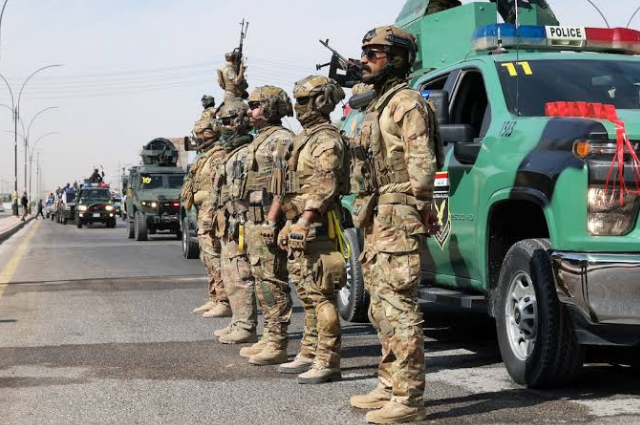
US Forces Leave Iraq Iraqi forces took to the streets to celebrate the momentous occasion, parading through major cities like Baghdad and Najaf. This event signifies a critical shift in the geopolitical landscape of the Middle East, emphasizing Iran perceived triumph in diminishing U.S. military presence in the region and bolstering its axis of resistance through allied groups.Iran has solidified its influence in Iraq by aligning with various armed groups, interpreting the withdrawal of US forces from the Middle East as a significant victory for its “axis of resistance.”
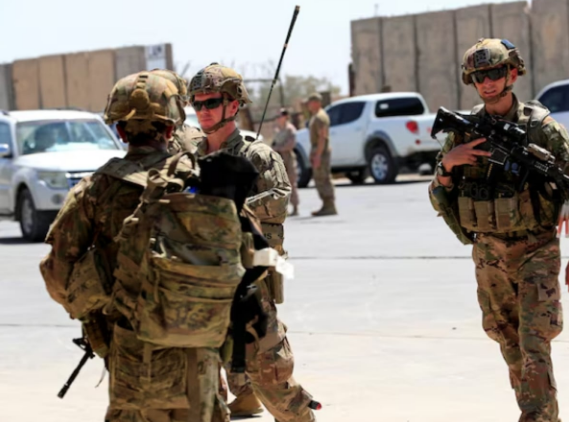
US Forces Leave Iraq This sentiment resonates strongly among pro-Iran factions, who see the departure as an affirmation of their tactics. In Baghdad and Najaf, Iraqi troops celebrated the US exit, with parades marking this pivotal moment. Local resident Ahmed Salah expressed immense joy over the pullout, describing a renewed sense of life at 70 years old. However, he also voiced concerns regarding the presence of powerful militia groups, urging them to disarm and allow the government to take over the responsibility of national defense across all domains, including land, air, and water. This call for disarmament reflects the ongoing tensions surrounding militia influence and the quest for a unified governmental authority in Iraq.
US Forces Leave Iraq In 2024, a pullout of US forces from Iraq was agreed upon during President Joe Biden administration, though it was executed by Donald Trump administration while concurrently engaging in conflict against Iran. The US initially invaded Iraq in 2003 to dismantle the regime of Saddam Hussein, which led to prolonged instability and turmoil. American troops first withdrew in late 2011 but returned in 2014 to support Iraqi forces amid the crisis posed by the Islamic State, which had seized control of a significant portion of the country and enforced brutal governance.
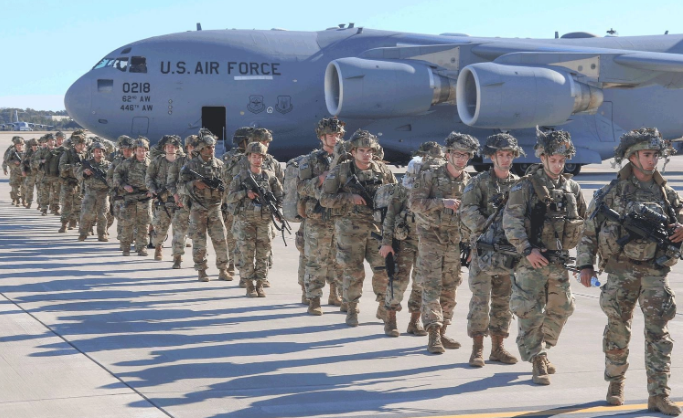
US Forces Leave Iraq Over the course of these conflicts, more than 4,500 US military personnel lost their lives in Iraq, a number that is approximately double the casualties seen in the parallel Afghanistan conflict. The Iraq Body Count project documents that the civilian toll has been staggering, with over 200,000 Iraqi civilians killed. The Pentagon has announced the formal conclusion of “Operation Inherent Resolve,” stating that while the combat mission is over, the United States will continue to offer specialized training and intelligence assistance to Iraqi allies.
The Iraqi government is set to take the lead in maintaining security within the country, which is an ally of both the United States and Iran, while also ensuring that the remnants of the Islamic State are kept at bay. Iraqi Prime Minister Ali Faleh al-Zaidi emphasized in a statement that the conclusion of the international coalition mission does not signify the end of the fight against terrorism. Instead, it marks Iraq transition into a new phase where it will take full responsibility for its own security and stability. US Forces Leave Iraq
Security Vacuums Can be Extremely Dangerous (US Forces Leave Iraq)
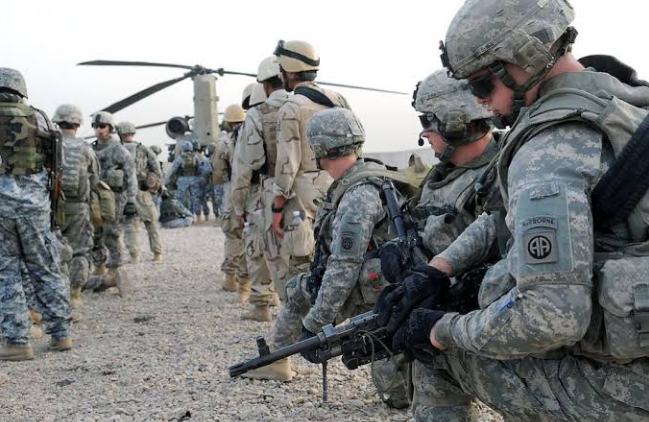
US Forces Leave Iraq Security vacuums emerge as a critical concern following the departure of US forces from Iraq, a move that, while popular among many Iraqis, raises alarms about national stability. Jassim al-Bahadli, an Iraqi analyst advising security forces, emphasizes that the lessons from the past two decades illustrate the dangers posed by such vacuums. Adil Salman, a high school English teacher, cautions against premature celebrations of the withdrawal, highlighting the ongoing influence of militias operating outside state control and the continued presence of the Islamic State.
US Forces Leave Iraq He expresses concerns that the US exit could usher in a new wave of instability, suggesting that the effectiveness of this decision will ultimately be judged by the security situation in the ensuing years. Amid this backdrop, hundreds of supporters of pro-Iranian militia groups gathered in Baghdad to celebrate the withdrawal, expressing their sentiments with chants against America and displaying images of key Iranian figures, including the late Supreme Leader Ayatollah Ali Khamenei and General Qassem Soleimani, who was killed in a US airstrike in 2020.
In the context of the ongoing conflict involving US forces and Iranian-affiliated armed groups, Iraq remains significantly affected by the recent escalation of military operations labeled “Operation Epic Fury,” initiated by President Trump in collaboration with Israel. Since February, the operation has resulted in the deaths of 18 US service members, with seven fatalities occurring in Iraq alone. The latest casualty was an army sergeant who lost his life during the controlled detonation of a drone at a military base near Erbil in July.
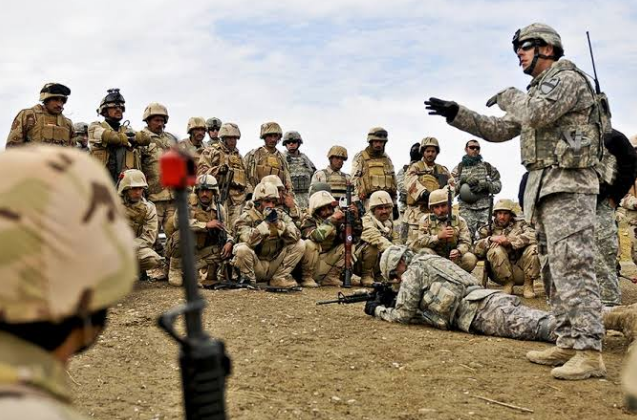
The withdrawal of US troops has raised concerns among analysts and Iraqi security officials regarding the potential resurgence of Iranian proxies and the Islamic State (IS). Ahmed Younis, a political analyst based in Baghdad, indicates that the absence of Western military forces could embolden Iranian-aligned groups, allowing them to exert greater influence over state policies and further entrench themselves within critical national institutions. Additionally, some Iraqi officials warn that the pullout could empower Islamic State fighters, who, despite having suffered a significant defeat in the past, continue to maintain a network of sleeper cells across the country. US Forces Leave Iraq
US Forces Leave Iraq Reflecting on past experiences, retired Iraqi Army General Mohammed al-Jubouri stressed the crucial need for Iraq security institutions to develop a comprehensive contingency plan for the post-coalition scenario. He recounted how the previous US withdrawal in 2014 exposed the inadequacies of the Iraqi army, leading to a catastrophic failure in defending against IS, particularly with the rapid collapse of military resistance during the group takeover of Mosul, Iraq second-largest city. The prevailing concerns underscore the urgent question of whether Iraq has sufficiently prepared for the challenges that lie ahead in the absence of coalition support. US Forces Leave Iraq
Summary
- US withdrawal tests Iraqi security capabilities
- US-led invasion toppled dictator but triggered years of chaos
- Iraqis see Iran and its proxies as the winners
- Pentagon says US will keep providing training, intelligence to Iraqi partners
- Iraqi prime minister says pullout does not mean end of battle against terrorism
Pingback: Report Drone Swarm Warfare 2026: How China and the U.S Are Developing AI Drone Defenses? - internationalmediawire.com
Pingback: Saudi Arabia Riyadh Airport Hit by Houthi Strike in 2 Days as New Attack Sparks Fire - internationalmediawire.com