Plague Lab Death Russia government has expressed its willingness to arrange a phone call between Presidents Trump and Vladimir Putin to address the mysterious death of an employee from a plague research center. This development came to light on Wednesday, amid rising scrutiny over the circumstances surrounding the individual death. Although the proposal for the call indicates a desire for dialogue, no specific arrangements have been made at this time for the discussion. Mr. Trump announced to reporters that he anticipates a conversation with President Putin regarding the recent death of a Siberian lab worker, which occurred on October 2.

Plague Lab Death This statement follows Secretary of State Marco Rubio call for greater transparency from Moscow about the incident, urging Russia to disseminate more information to the international community. The U.S. Embassy in Moscow has engaged with Russian officials concerning the reported death and has formally requested additional details, encouraging a prompt and transparent sharing of information from Russia.
Lab Death Raises Questions Over Safety and Pathogen Research
Plague Lab Death Darya Shipilova, a 28-year-old employee at the Irkutsk Anti-Plague Institute, has died under mysterious circumstances, initially designated by Russian authorities as “pneumonia of unknown origin.” Early reports from Russian media, which were later removed, indicated that Shipilova may have contracted pneumonic plague due to a lab accident. This raised significant concerns regarding the biohazard safety protocols in place at the institute. In response to the situation, the World Health Organization (WHO) has urged Rospotrebnadzor, Russia national health watchdog, to disclose more details surrounding her death.

The agency has asserted that it is providing additional information, although specifics remain unclear at this time. The incident highlights potential risks associated with handling dangerous pathogens and raises questions about laboratory safety standards in Russia. In a recent statement, Rospotrebnadzor announced the easing of precautionary measures previously implemented in the Siberian region of Irkutsk, where a lab is situated. This decision followed an assessment indicating no risk of an epidemic related to the death of Shipilova. The agency reported that screenings of 200 individuals who had contact with Shipilova revealed no cases of plague.
Plague Lab Death Furthermore, it noted that 90% of those under quarantine monitoring have been released. Throughout this process, Rospotrebnadzor conducted almost 5,000 lab tests on the individuals in question, confirming that none tested positive for dangerous pathogens, thereby affirming public safety in the region. Rospotrebnadzor stated that Shipilova had received vaccinations against the dangerous infections pertinent to her work, indicating she possessed immunity. However, despite the reassurances from the Russian government, the absence of a clear explanation regarding Shipilova death has led to various rumors and speculation about the potential causes of her demise and the ongoing research activities at the Russian research center.
Plague Lab Death This situation has heightened concerns and uncertainty surrounding the circumstances of her passing. According to information from its official website, the Irkutsk anti-plague laboratory engages in a range of activities that extend beyond basic research on the well-known bacteria endemic to animal populations in the region, much like in various parts of the globe. A significant aspect of the lab mission includes strategic planning and preparation for incidents involving “potential agents of bioterrorism.” This implies that the center plays a crucial role in Russia broader strategy concerning how to effectively respond to possible biological attacks.

Plague Lab Death Recent reports from both Chinese and Western media have highlighted a noteworthy collaboration between the lab director who has reportedly visited research facilities in the United States and Chinese governmental authorities. This partnership includes involvement in a “joint emergency drill” conducted in August, intended to simulate responses to a hypothetical “cross-border infectious disease epidemic.” These developments indicate an international dimension to the lab operations, underscoring its relevance in global public health and security discussions.
Irkutsk lab was Previously a “Cover for a Biological Weapons Facility”
Plague Lab Death Annie Jacobsen, an American journalist and author of “Biological War,” recently highlighted serious concerns regarding biological safety following her fictional portrayal of a potentially catastrophic incident involving an engineered pathogen. Specifically, she indicates that military experts are particularly apprehensive about the risk of an accidental release of genetically modified pathogens from high- or maximum-containment laboratories globally, with Russia identified as the primary concern. This perspective is underpinned by Jacobsen commentary on the Irkutsk lab, which she described as previously serving as a “cover for a biological weapons facility.”
Plague Lab Death The confluence of these narratives raises significant alarms about the implications and responsibilities associated with bioweapons research and containment practices in regions historically associated with such activities. During the 1980s and earlier, Russia operated a significant and clandestine biological weapons program, as indicated by expert Jacobsen. The facility located in Irkutsk, currently under scrutiny, was categorized as a dual-use facility. This designation implies that while it officially conducted activities aimed at developing medical countermeasures against harmful pathogens, it simultaneously served as a cover for its operations related to biological weapons development.

Plague Lab Death This undated photo, released in 2019 by the Irkutsk Anti-Plague Research Institute of Siberia and the Far East, depicts workers in a laboratory setting. A representative from the institute informed CBS News that the intense scrutiny directed at Russia this week stems not only from independent media reports concerning the possible plague infection leading to Shipiova death but also from the quarantine measures affecting around 200 individuals, which she described as “draconian.” This combination of factors has heightened concerns about the response and management of infectious disease outbreaks in the region.
The real indicator of a serious problem in Irkutsk, as noted by Jacobsen, will be any confirmed secondary infections. The World Health Organization (WHO) stated on Wednesday that it has requested additional information after media reports hinted at a potential second infection in the region; however, nothing has been confirmed to date.
Russians relaxed, but not their neighbors
Plague Lab Death Russians have shown a sense of relaxation, while their neighbors remain vigilant in response to health concerns. An independent Russian news outlet, Lyudi Baikala, reported on the death of Shipilova and speculated that it could be related to a plague infection. A colleague mentioned that Shipilova symptoms began mildly with cold-like signs but rapidly deteriorated, leading to her hospitalization. Following her admission to the hospital, approximately 200 of her colleagues at the research institute were placed under quarantine for three days. During this time, they underwent testing twice daily before being released, highlighting the ongoing caution surrounding potential infectious diseases in the region. Plague Lab Death
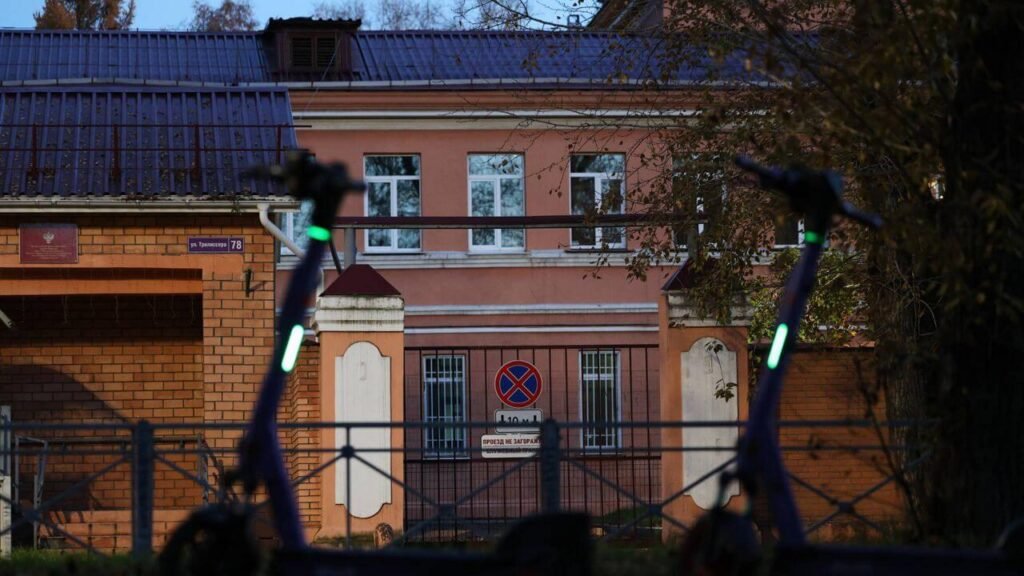
Plague Lab Death Residents of an apartment building reported that a van arrived on the night of a woman death, with individuals allegedly from the national health agency, equipped with gas masks and orange protective suits, spraying what appeared to be an antiseptic around the building entrance. Due to strict information controls in Russia, independent verification of these events is challenging. However, reporters from AFP visited Irkutsk and found that local residents were continuing with their daily lives. Those willing to talk expressed a sense of safety, citing assurances from authorities that there were no confirmed cases of infection.
Plague Lab Death They noted that individuals who had been in contact with anyone infected were isolated and that no adverse developments had occurred concerning their health. Russia is under scrutiny following the ambiguous circumstances surrounding the death of Shipilova, leading to ongoing inquiries into the matter. Until the Russian authorities provide clearer answers, skepticism towards their reassurances may persist, particularly among neighboring countries. In response to this uncertainty, Kazakhstan, Kyrgyzstan, and Uzbekistan have enacted further precautionary measures at their borders with Russia, aiming to mitigate the potential risk of infectious disease transmission.

Summary
Russia open to a Trump-Putin call over the Siberian lab worker death
Mystery surrounding plague lab death raises safety concerns
Russia eases quarantine measures after no plague cases found
Irkutsk lab history and international ties draw scrutiny
Neighboring countries tighten precautions amid ongoing uncertainty
What Happened in the Russian Plague Lab?
In the Saratov region of Russia, a lab worker has reportedly died at a facility that deals with plague pathogens. This incident has sparked serious concerns regarding the safety measures and biosecurity protocols in place at such laboratories. The death raises questions about the handling of dangerous pathogens and the adequacy of safety regulations designed to protect both workers and the surrounding community from potential biohazards.
Is Russia open to a Trump-Putin call?
Plague Lab Death Russia has expressed its willingness to facilitate a phone call between President Vladimir Putin and Donald Trump, as confirmed by Kremlin spokesperson Dmitry Peskov. The purpose of this potential dialogue would be to address matters related to global security issues, indicating a readiness for communication between the two leaders concerning significant geopolitical concerns.
Was the Russian lab a former Biological Weapons Facility?
According to reports, the Saratov laboratory site has historical ties to the Soviet-era biological weapons program. This connection has raised concerns regarding its current research on pathogens, placing the facility under scrutiny due to its past associations with biological warfare initiatives.
Is there a Risk of a Plague Outbreak from the Lab Death?
Plague Lab Death Concerns have arisen regarding a possible plague outbreak following a death in a lab, although Russian authorities have assured the public that there is no immediate threat. They have stated that all individuals who had contact with the deceased are being closely monitored. Despite these reassurances, local residents and international observers express apprehension about the situation, indicating a level of distrust in the official statements and highlighting the need for continued vigilance in public health safety measures.
Why is the Trump-Putin call being discussed now?
Plague Lab Death Amid escalating tensions and concerns regarding transparency in laboratory operations, a proposed call between Trump and Putin has gained attention. This call seeks to foster dialogue around biological safety and address ongoing geopolitical issues affecting both nations. The urgency of this discussion reflects the need for cooperation and clarity amidst the current climate of uncertainty.
Pingback: British Billionaire Warned Epstein Was a ‘Sexual Deviant’ Decades Before FBI Investigation - internationalmediawire.com
Pingback: Russian Strike on Buses Ukraine in Kramatorsk Kills 30 - Deadliest Attack of 2026 - internationalmediawire.com