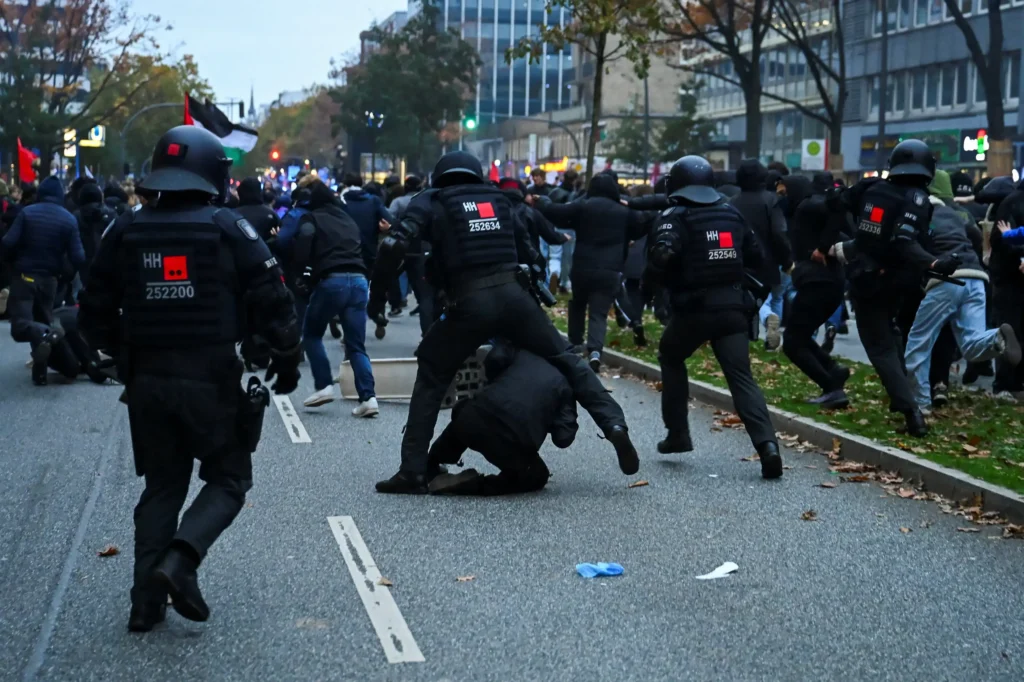
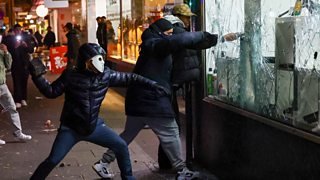
Shops in central Frankfurt were looted amid violent cost-of-living protests that erupted in several German cities, including Berlin, Cologne, and Hamburg, late on Saturday. The protests turned confrontational as demonstrators clashed with police, who resorted to using water cannons to disperse crowds. Emergency workers faced hostility, with rioters targeting them with fireworks, stones, and bottles. The unrest reflects mounting frustration over rising living costs in Germany, drawing attention to the broader economic concerns affecting citizens across the nation.
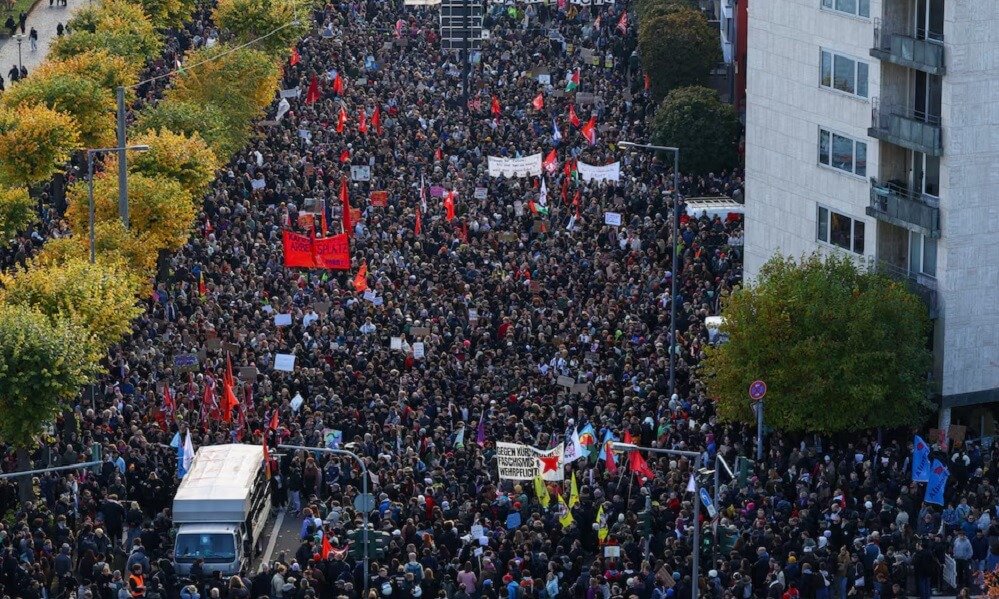
Cost-of-Living Protests Turn Violent
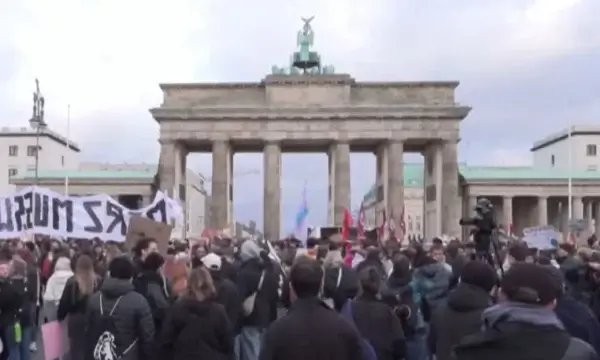
German Thousands participated in largely peaceful demonstrations organized by the campaign group Gen Z regelt, which translates to “Gen Z takes charge.” The protests were aimed at addressing critical issues such as underfunding in schools, the rising cost of living, cuts in public spending, and mandatory military service. This wave of unrest in Germany is part of a broader youth-led movement, paralleling recent mass protests in France, where over 320,000 demonstrators took to the streets on the same day. The cohesion among young people across these nations highlights growing dissatisfaction with the current socio-economic conditions and calls for substantial reforms.
On Sunday, German Interior Minister Alexander Dobrindt addressed concerns regarding civil unrest in the country, specifically referencing the violent incidents occurring in Paris. In an interview with Bild newspaper, he praised police efforts that had effectively prevented similar violence from erupting in Germany, particularly noting actions taken overnight. A significant area of Frankfurt main shopping street was cordoned off by police as part of these preventive measures. Dobrindt emphasized the need for “harsh punishments” to address the actions of rioters and looters, highlighting that numerous arrests were made during these police operations in the city, signaling a strong stance against such civil disturbances.
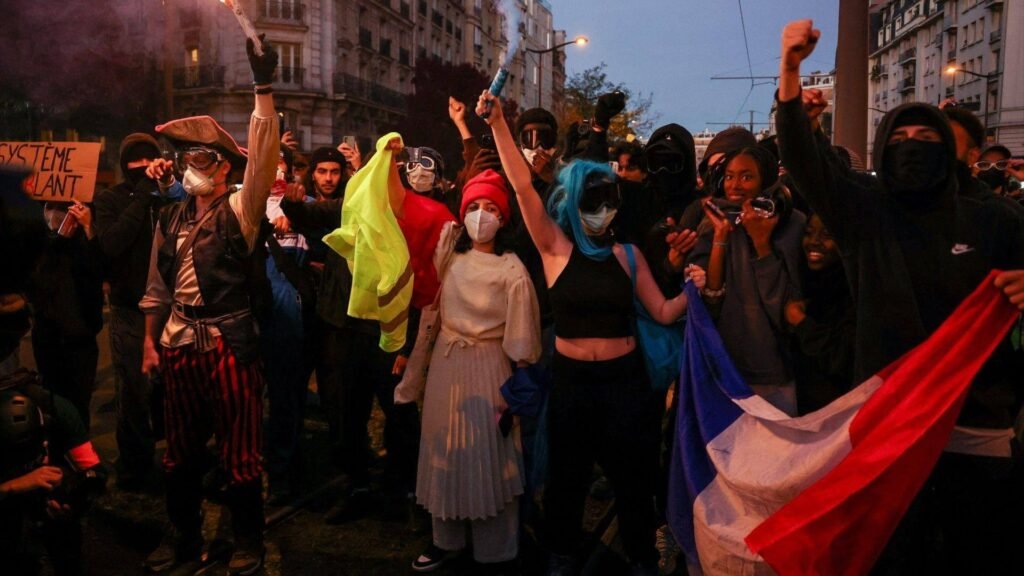
German Authorities in Frankfurt, Munich, and Berlin estimated around 18,000 protesters participated in demonstrations, significantly lower than the figures projected by the organizers on their website. While German media reported that tens of thousands protested across various cities on Saturday, there is a notable discrepancy in the attendance numbers. A spokesperson for the Gen Z regelt movement, Lina Friedrich, articulated that the purpose of the demonstrations was to advocate for “peace and freedom, rather than for war and coercion.” In a statement, she emphasized that the primary concern lies in improving the support for health and education systems. She expressed opposition to compulsory military service and advocated for a more equitable distribution of responsibilities across society.
Europe youth is on the march – but does anything actually unite them?
On Saturday night, Frankfurt witnessed significant unrest as police reported “violent riots” taking place in the city center, prompting the deployment of special police units to manage the situation. Reports from officials indicated that multiple shop windows had been shattered, and that molotov cocktails were hurled at emergency services personnel. Among the incidents, a gun shop windows were also broken, leading to the arrest of a suspect and the seizure of two weapons. Additionally, rioters broke into various stores and engaged in theft, taking items such as trainers.
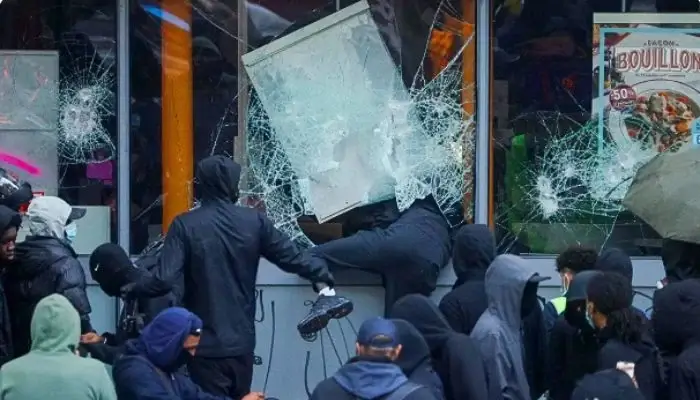
Roman Poseck, the interior minister of Hesse, noted that approximately 100 left-wing extremists had been clearly identified as infiltrating recent protests in Frankfurt, the largest city in the state. He expressed disappointment over how these protests concluded, likening the chaos to the violent scenes previously observed in France, which included looting, arson of homes, destruction of police vehicles, and assaults on law enforcement personnel. Poseck emphasized that France should not serve as a model for such disruptive actions, deeming the situation “shameful.”
German Police reported that the situation in the city had calmed down overnight into Sunday, following a series of largely peaceful demonstrations. However, similar incidents occurred in other German cities. In Cologne, officers faced violence as they were attacked near the main train station, with projectiles such as bottles thrown at them and a bicycle used as a weapon.
Shops Looted Amid Public Unrest
German Cologne police chief, Johannes Hermanns, expressed deep sadness over the violent infiltration of a peaceful demonstration by young individuals advocating for their future. He emphasized that the extremists behind the violence had ulterior motives. In Berlin, a smaller demonstration held in the evening, which followed larger protests earlier in the day, resulted in injuries to 27 police officers. Additionally, up to 56 individuals were temporarily detained by the Berlin police during these events. In Hamburg, a protest featuring individuals dressed in black involved incidents of setting off fireworks and igniting barricades.
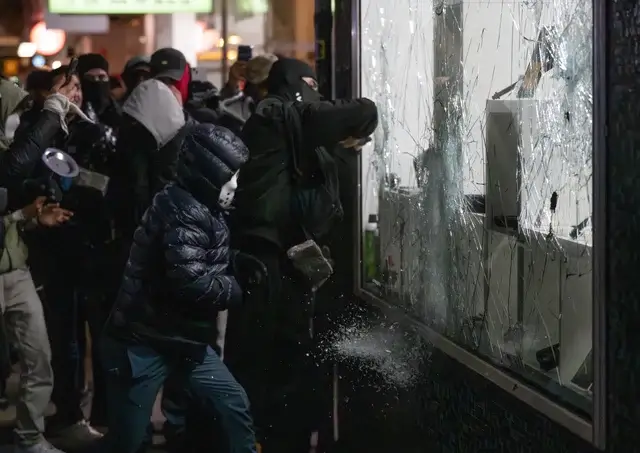
German Public broadcaster NDR reported that approximately 120 individuals were arrested during these events. This unrest in Germany coincided with other significant demonstrations occurring across Europe on the same day, indicating a broader wave of protests in various locations. The demonstrations in Hamburg reflect a response to prevailing social or political sentiments, aligning with similar events happening throughout the continent. In France, over 320,000 individuals participated in a third consecutive weekend of largely peaceful demonstrations demanding government intervention regarding the rising cost of living and inadequate public services, particularly in the education sector.
German This significant turnout reflects ongoing public dissatisfaction. In response, thousands of police officers were deployed nationwide to manage the protests. While the majority of the events were peaceful, instances of unrest were met with police action, including the use of tear gas against demonstrators in various cities. According to the French interior ministry, more than 770 arrests were made during these protests, which is approximately half the number compared to the protests from the previous week, indicating a possible decrease in tensions or a shift in the nature of the demonstrations.
Germany Faces Growing Economic Tensions
German French Interior Minister Laurent Nuñez reported that a police officer sustained injuries from a molotov cocktail, prompting French prosecutors to initiate an attempted murder investigation. In Paris, law enforcement disclosed that several hundred rioters assaulted security forces using projectiles. The protest organization, Gilet Jaune (Yellow Vests), claimed that numerous protesters have suffered serious injuries during recent demonstrations nationwide, with many injuries attributed to “grenades.” These incidents reflect escalating tensions and violence in the ongoing protests across France.
France has temporarily halted the use of a specific type of stun grenade during student protests following a severe incident that resulted in a 15-year-old losing a hand. Despite this suspension, reports from the French newspaper Le Monde indicate that law enforcement has continued to utilize an alternate model of stun grenade in later demonstrations. This situation raises concerns about police practices and the safety of protest management in the context of rising tensions surrounding student demonstrations. Protests have erupted across various European nations, notably in Italy where clashes occurred between police and demonstrators in major cities such as Rome and Turin.
In Portugal, law enforcement took action to dismantle a makeshift tent camp that had formed following a large-scale protest against a proposed rental bill, which critics argue could exacerbate the already severe housing crisis in a country where house prices have seen a significant increase of over 100% in the past decade. The protests have mainly been led by young individuals, spanning numerous countries including France, Belgium, Ireland, Spain, Portugal, Italy, Greece, Serbia, and Albania.
German Although the specific grievances might differ from one nation to another, the overarching themes of the demonstrations emphasize pressing cost-of-living concerns, particularly in relation to housing accessibility, educational quality, and reductions in public services. This wave of protests reflects a broader discontent with economic conditions, revealing a collective call for substantial policy changes across the continent.
Summary
- Shops were looted and police clashed with demonstrators during cost-of-living protests in Frankfurt and other German cities, including Berlin, Cologne, and Hamburg.
- Thousands joined demonstrations organized by Gen Z regelt, calling for better-funded schools, affordable living, improved public services, and opposition to compulsory military service.
- Police used water cannons and other crowd-control measures, while authorities reported arrests, damaged shop windows, and attacks on emergency workers and officers.
- Similar demonstrations took place across France and other European countries, reflecting growing concerns over housing costs, education, and cuts to public spending.
- Officials urged tougher action against rioters, while protest organizers stressed the need for social fairness, peace, and better support for young people.
Why are people protesting in Germany?
People in Germany are currently protesting primarily due to a combination of rising costs affecting their daily lives. Key issues driving these protests include a significant increase in the cost of living, high inflation rates, soaring rents, and escalating prices for energy and food. These economic pressures have led many citizens to express their dissatisfaction and demand action to address these financial burdens.
What happened in Berlin during the protests?
During the cost-of-living protests in central Berlin, significant unrest occurred, leading to looting and vandalism of shops. The situation escalated into violence, prompting reported clashes between police forces and demonstrators. This reflects a broader discontent regarding living expenses among the population, indicating a volatile response to economic pressures.
Where did the cost-of-living protests take place?
The cost-of-living protests primarily occurred in Berlin, with similar demonstrations noted in other significant German cities, driven by underlying economic tensions.
Were there any arrests during the German protests?
During the recent German protests, police involvement escalated due to incidents of looting, vandalism, and confrontations with security forces. As a result, several protesters were detained by law enforcement. This indicates a significant level of unrest and highlights the challenges faced by authorities in managing the situation effectively.
Is Germany facing an economic crisis?
Germany is currently experiencing significant economic challenges characterized by increasing inflation, an energy crisis, and escalating living costs. These factors are contributing to heightened public discontent and unrest, indicating a critical situation that might evolve into a broader economic crisis.
What are protesters demanding?
Protesters are calling for specific government interventions to address key economic issues. Their demands include the implementation of rent control measures to make housing more affordable, an increase in wages to ensure a fair living standard, and additional support for young individuals who are facing challenges related to high living costs. These issues highlight the broader concerns about the financial struggles experienced by many in society, particularly among the youth demographic.
Pingback: Jet Crash into a South Florida Neighborhood, Killing all 9 on Board and Leaving a Fiery Crater - internationalmediawire.com