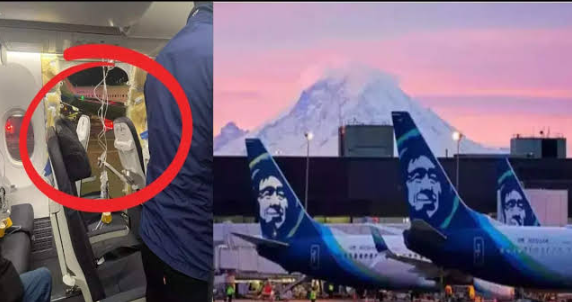
Alaska Airlines Boeing 787-9 is declaring an emergency off France coast, after U-turn over UK
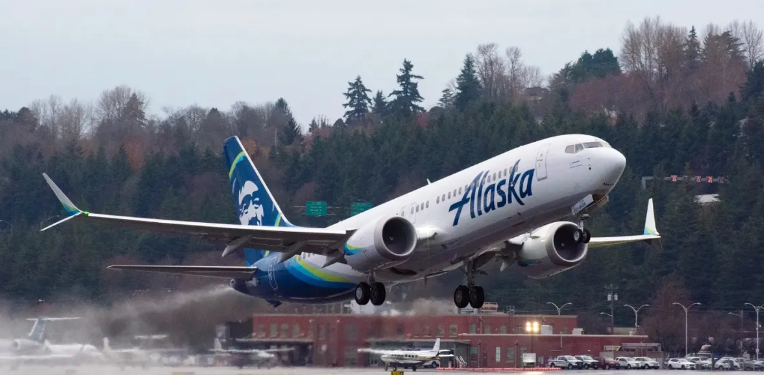
An Alaska Airlines Boeing 787-9 Dreamliner, operating flight AS181 from Rome to Seattle, declared an in-flight emergency on July 19, 2026.
Approximately two hours into its journey over the Atlantic Ocean, the aircraft experienced reported engine vibrations, prompting the crew to reverse course. The plane, registered N780HA, safely returned to Rome Fiumicino Airport after five hours and 30 minutes in the air.
Notably, there were no injuries reported among the passengers and crew during this incident, which involved a significant mid-flight emergency declaration as the plane turned back approximately off the coast of France following a U-turn over the UK.
The situation highlights safety protocols in aviation, ensuring passenger security in the event of technical difficulties during transoceanic flights.
An Alaska Airlines Boeing 787-9 Dreamliner, operating flight AS181 from Rome to Seattle, declared an in-flight emergency on July 19, 2026.
Approximately two hours into its journey over the Atlantic Ocean, the aircraft experienced reported engine vibrations, prompting the crew to reverse course. The plane, registered N780HA, safely returned to Rome Fiumicino Airport after five hours and 30 minutes in the air.

Notably, there were no injuries reported among the passengers and crew during this incident, which involved a significant mid-flight emergency declaration as the plane turned back approximately off the coast of France following a U-turn over the UK. The situation highlights safety protocols in aviation, ensuring passenger security in the event of technical difficulties during transoceanic flights.
Flight Path and Emergency Response
The incident involving a widebody jet highlights a series of critical maneuvers and emergency responses during its flight over Europe.
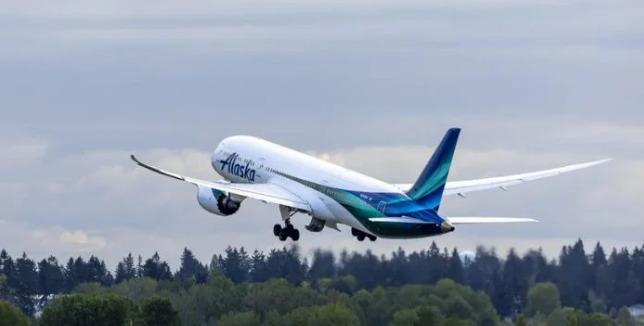
Flight tracking data revealed that the aircraft executed a sudden U-turn in the southeastern United Kingdom before making a rapid descent to 25,000 feet over western France. In response to the emergency situation, the flight crew activated the aircraft’s transponder to squawk code 7700, indicating a general emergency to air traffic control.
Following the change in course, the aircraft engaged in fuel-dumping procedures, which are standard for long-haul jets like the Boeing 787-9. Such procedures are necessary for reducing weight below the maximum structural landing weight, particularly before an unscheduled landing.
An update from air traffic control at 19:39 CEST indicated that the flight was diverting back to its origin in Rome due to engine vibration issues, contradicting earlier assumptions that it might land at an alternate European hub.
The aircraft successfully landed on runway 16R at Fiumicino Airport in Rome at 21:15 CEST and was directed to a remote parking stand. Subsequently, Alaska Airlines arranged for a new flight to depart from Rome at 23:00 CEST that same evening, ensuring the journey to Seattle could continue despite the disruption.
Alaska Airlines’ Expanding Dreamliner Operations
Alaska Airlines has commenced its first widebody operations under its own brand by launching the Rome route, utilizing the Boeing 787-9 Dreamliner, in April 2026. This marks a significant transition for the airline, which has predominantly operated narrowbody aircraft for many years.
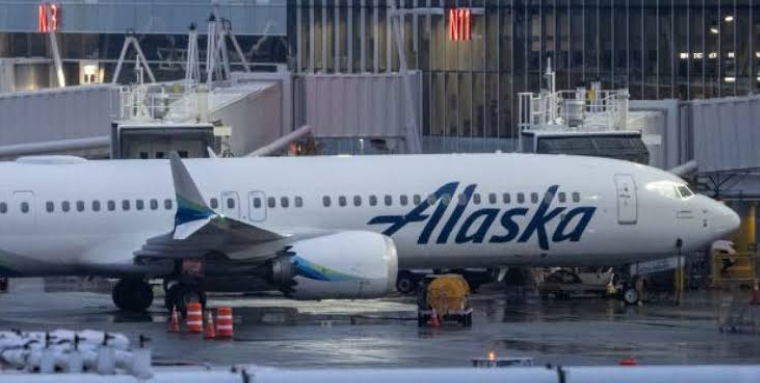
Currently, Alaska Airlines operates five 787-9 aircraft, with an additional seven on order, aiming for a total fleet of 12 of these aircraft.
In addition to the 787-9s, Alaska Airlines has placed orders for five 787-10 variants, which would expand its Dreamliner fleet to 17 aircraft in total. The 787-9s are primarily based out of Seattle, servicing international routes that include destinations like London, Seoul, and Rome, as well as a domestic route connecting Seattle and Honolulu.
Concerning recent operational issues, the airline has not officially disclosed the specific technical cause behind an engine vibration incident involving the Dreamliner. As of the publication date, no formal statement had been provided by Alaska Airlines addressing the situation.
Atlantic coast
During a flight near the Atlantic coast, the crew declared a general emergency by activating the transponder to squawk 7700. This action was taken while the aircraft conducted fuel dumping maneuvers over open water to reduce weight before returning to Rome.
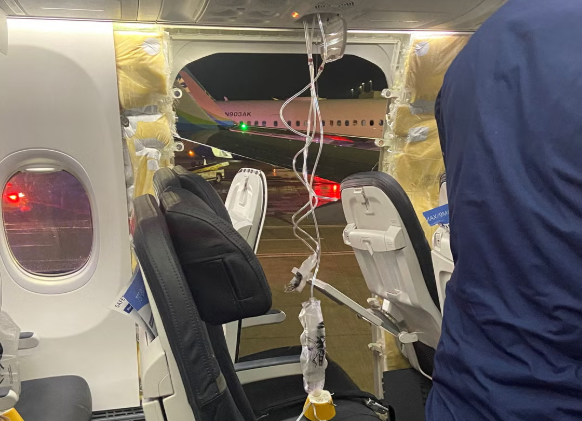
The airline later confirmed that the emergency was triggered by an engine vibration indication, prompting an immediate landing.
The aircraft safely touched down on runway 16R at FCO around 21:15 CEST, having been in the air for over five and a half hours. Emergency services were on standby but reported that all passengers and crew members were unharmed.
Currently, the plane is undergoing an engineering inspection to determine the cause of the engine issue. In the meantime, the airline has arranged for a replacement aircraft to transport the affected passengers to Seattle.