Yemen’s Houthis declare naval blockade on Saudi Arabia, widening threat to global oil supplies
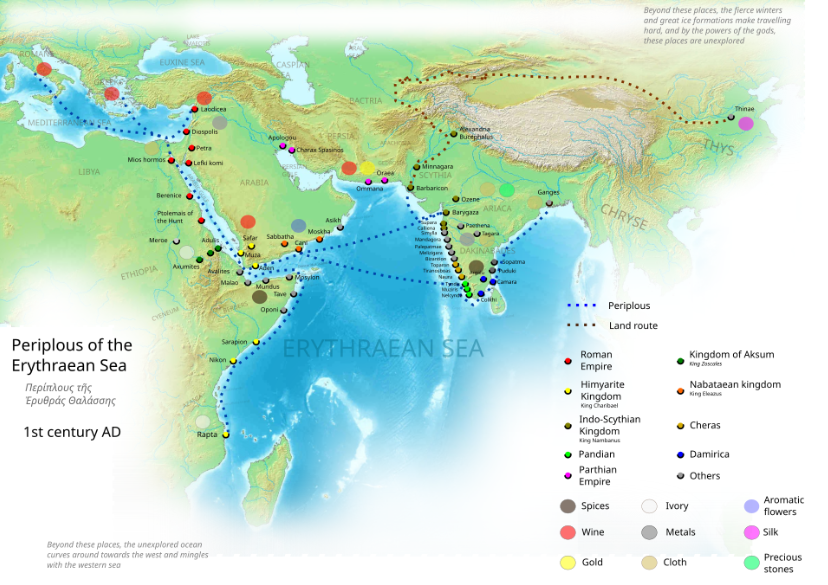
On July 20, the Iran-aligned Houthis in Yemen announced the imposition of a naval blockade on Saudi Arabia. This action represents a significant escalation in the ongoing conflict with the U.S. and Iran, extending the threat to global energy supplies beyond the Gulf region. Is there another chokepoint similar to the Strait of Hormuz that could impact the world economy?
The Houthis justified this maritime embargo as a response to what they termed an “unjust and oppressive siege” imposed by Saudi Arabia on Yemen.
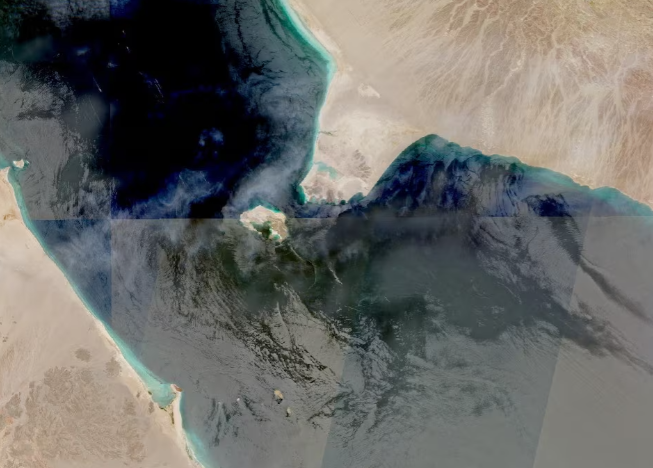
Their declaration has the potential to disrupt international trade routes, particularly in light of Iran’s encouragement for the Houthis to target the Bab el-Mandeb Strait, a critical maritime passage.
This blockade emerged amid renewed diplomatic efforts between Tehran and Washington, aimed at de-escalating tensions following a series of aggressive actions that had compromised a fragile interim agreement.
Summary
- Yemen’s Houthis declare ‘maritime embargo’ on Saudi Arabia
- Move follows signs of diplomatic efforts to de-escalate conflict
- US missiles hit several Iranian cities, Tehran media reports
- Iran’s Revolutionary Guards say two tankers hit in Hormuz
- Kuwait says a desalination plant hit for a second day in a row
Yemen’s Houthi movement has announced a ‘maritime embargo’ on Saudi Arabia, which signals a significant escalation in the ongoing conflict. Is there another chokepoint similar to the Strait of Hormuz that could impact the world economy?

This declaration appears to come despite emerging signs of diplomatic efforts aimed at de-escalating tensions in the region. In related developments, reports from Tehran indicate that U.S. missile strikes have targeted several locations within Iran, leading to counterclaims from Iran’s Revolutionary Guards that two tankers have been struck in the Strait of Hormuz.
Additionally, Kuwait has reported that a desalination plant was hit for the second consecutive day, exacerbating concerns about the impact of this conflict on regional stability and essential services.
Although oil prices initially surged in response to the announcement, they later retreated due to ongoing hopes for a diplomatic resolution to the conflict. The Houthis framed their blockade under the principle of “an eye for an eye,” signaling that hostilities will intensify if foreign actions against Iranian interests persist.
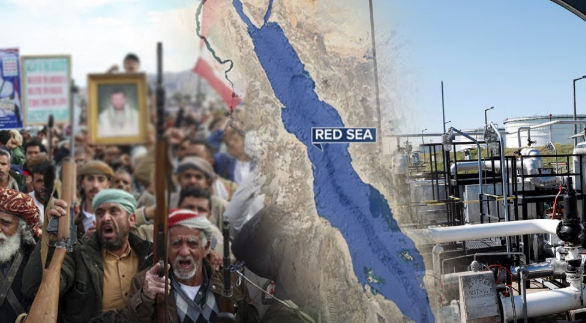
Iran has urged the Houthis to close the Bab el-Mandeb strait in the Red Sea if the U.S. continues its strikes on Iranian power infrastructure. A full closure of this strategic waterway would impede approximately 7% of global oil supply, primarily affecting Saudi oil exports, amid an already significant reduction of 10% in global oil flows due to ongoing Gulf conflicts.
In a recent statement, the Houthis declared a “maritime embargo” against Saudi Arabia, invoking the principle of “an eye for an eye,” which they justified as a response to the “unjust and oppressive siege” placed on Yemen by Saudi forces. As a consequence of this embargo, the Houthis emphasized their stance against the perceived aggression of Saudi Arabia.
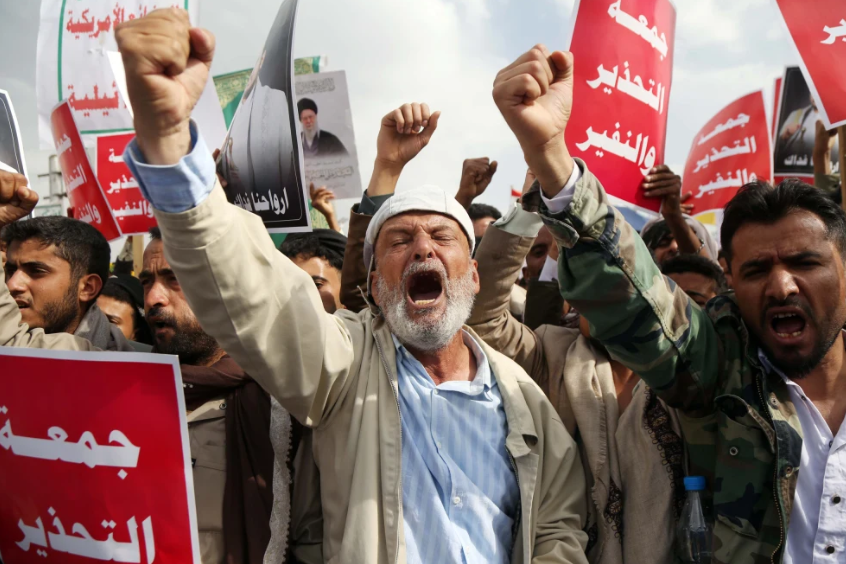
There has been no immediate reaction from Saudi Arabia regarding the Houthis’ declaration. Notably, the Houthis’ announcement occurs amid indications from both Iran and the U.S. that they wish to return to diplomatic discussions aimed at de-escalating the ongoing cycle of violence that has hindered a fragile interim agreement established the previous month.
This backdrop of geopolitical tension highlights the fragility of regional stability and the interconnectedness of military actions, economic implications, and international diplomatic efforts in the region.
DIPLOMATIC PUSH TO RESTORE CEASEFIRE
A senior Iranian official disclosed that Tehran has received a proposal for a 10-day ceasefire aimed at salvaging an interim deal intended to establish a lasting resolution to the ongoing conflict, which began on February 28 due to U.S.-Israeli attacks on Iran.
The Iranian Foreign Ministry confirmed that diplomatic communications are still active but provided no additional details regarding the ceasefire discussions. Concurrently, Iranian Interior Minister Eskandar Momeni, on his second trip to Islamabad within a week, requested Pakistan to resume its mediation role in the conflict with the United States. Is there another chokepoint similar to the Strait of Hormuz that could impact the world economy?
This diplomatic effort comes in the wake of increased military actions, including U.S. strikes on Iranian cities and retaliatory attacks by Iran’s Revolutionary Guards on U.S. military assets across the region. U.S. President Donald Trump justified the recent strikes as a means of honoring American service members lost in earlier Iranian attacks, facing political pressure at home due to escalating gasoline prices.
The situation has led to fluctuations in oil prices, which spiked above $90 a barrel due to shipping disruptions through the Strait of Hormuz before stabilizing after news of diplomatic engagements emerged.
IRAN SAYS TANKERS EXPLODED
The Islamic Revolutionary Guard Corps (IRGC) reported that two oil tankers exploded while trying to navigate through the Strait of Hormuz using an “unsafe” route.
This incident followed an earlier IRGC statement indicating that two ships had been involved in an “accident” in the same vicinity, although it remains unclear if these incidents are connected.

The specifics regarding the vessels and any potential casualties were not disclosed, and Reuters has yet to verify the report.
In a related event, a vessel off the coast of Oman was hit by an unidentified projectile, as reported by the United Kingdom Maritime Trade Operations agency. The vessel is reportedly adrift, but its crew is safe.
The U.S. Central Command has been conducting airstrikes against Iran for nine consecutive nights, aiming to undermine the country’s capacity to conduct attacks on commercial ships in the critical shipping lanes of the Strait of Hormuz. Further details on these strikes have not been provided.
Additionally, reports from various Iranian cities—including Tabriz, Chabahar, Konarak, Bandar Mahshahr, and Bandar Imam Khomeini—indicate occurrences of explosions, with one confirmed death and several injuries reported near Tabriz, according to the state-run news agency IRNA.
Strait of Hormuz The IRGC stated that they targeted U.S. assets, including aircraft at Jordan’s Aqaba airport and military installations in Kuwait and Syria.
Sirens were activated in Bahrain on Monday, and the Kuwaiti military reported the interception of Iranian drones.Is there another chokepoint similar to the Strait of Hormuz that could impact the world economy?
DESALINATION PLANT ATTACKED
On Sunday, Kuwait’s government reported that a desalination plant was targeted for the second consecutive day, resulting in a fire. This incident is characterized as a direct assault on essential civilian infrastructure. Is there another chokepoint similar to the Strait of Hormuz that could impact the world economy?
Strait of Hormuz Desalination plants are crucial for supplying drinking water in Gulf states, which support tens of millions in a predominantly arid region. Meanwhile, Iran has accused the United States of attacking one of its own desalination facilities and has expressed intentions to retaliate against such targets in the Gulf. However, the U.S. has not confirmed any involvement in striking Iranian desalination infrastructure.
U.S. IRAN DON’T RULE OUT RETURN TO DIPLOMACY
U.S. Secretary of State Marco Rubio emphasized the United States’ commitment to targeting Iran as long as it continues to threaten global commercial shipping, particularly through its control of international waterways.

He indicated that while the U.S. insists on a strong response, the door to diplomacy remains open. In a related development, Iran’s Foreign Ministry expressed a willingness to re-engage in diplomatic talks with the U.S., stating that proposals from mediators had been received, although specifics were not disclosed.
Strait of Hormuz Spokesperson Esmaeil Baghaei noted the active involvement of diplomatic channels and the emergence of new ideas from various mediators. This ongoing conflict has resulted in significant casualties, especially affecting populations in Iran and Lebanon.
Is there another chokepoint similar to the Strait of Hormuz that could impact the world economy?
Pingback: Report: What happened to Alaka Airlines Boeing 787 on Rome-Seattle route? Here's everything to know - internationalmediawire.com
Pingback: Report: U.S. attacks deepen strife but fail to ignite dissent in Southern Iran 20 July - internationalmediawire.com