Mamdani says NYC can’t arrest Prime Minister Netanyahu, calls on federal government to do so
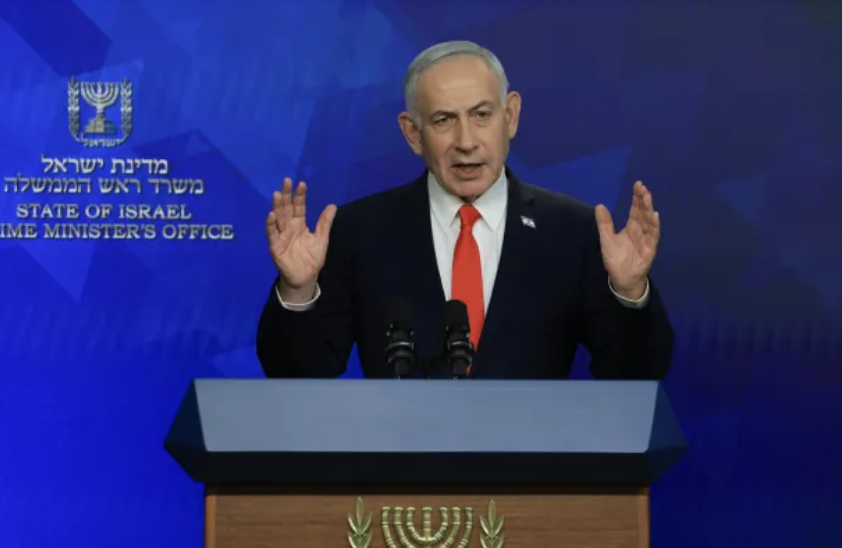
Mamdani, the Mayor of New York City, publicly declared Israeli Prime Minister Benjamin Netanyahu a “war criminal” during a statement on Tuesday.
Arresting Its President Despite his strong condemnation, Mamdani recognized that the city lacks the legal authority to arrest Netanyahu. He emphasized the importance of federal intervention, urging the federal government to take action against the Prime Minister.
This highlights the limitations of local jurisdictions in addressing international legal matters, particularly in the context of war crimes as defined by federal law and international treaties like those from the International Criminal Court (ICC).
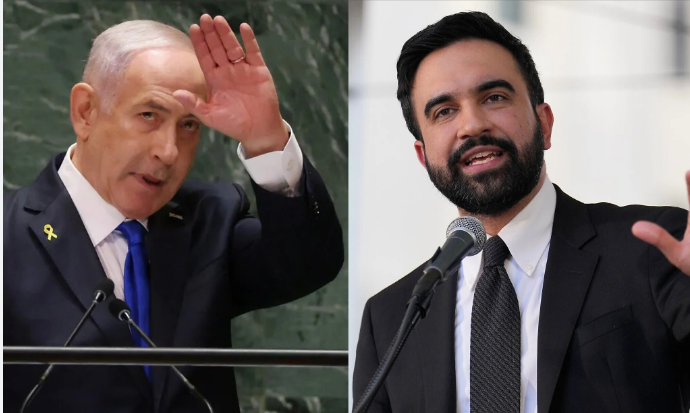
Mayor Zohran Mamdani announced that New York City’s Law Department is assessing its authority concerning potential actions against Israeli Prime Minister Benjamin Netanyahu, who is expected to attend the UN General Assembly in September.
Trump Says Netanyahu Will Not Be Arrested in the US Despite ICC Warrant
President Donald Trump has stated that Netanyahu will not face arrest in the U.S. This situation raises a fundamental legal issue: the applicability of an International Criminal Court (ICC) warrant within the U.S. judicial system.
The ICC had issued arrest warrants for Netanyahu and former Israeli Defense Minister Yoav Gallant in November 2024, citing reasonable grounds for alleged war crimes and crimes against humanity during Israel’s military actions in Gaza.
Netanyahu denies these allegations, and Israel contests the ICC’s jurisdiction. Importantly, an ICC warrant does not constitute a criminal conviction and lacks enforceability in the American context since neither the U.S. nor Israel is a signatory to the Rome Statute, which established the ICC.
During his mayoral campaign, Mamdani promised to arrest Netanyahu should he visit New York. However, he recently declared that his administration has determined it lacks the legal authority to execute the ICC warrant, despite promising to adhere to local laws.
In a recent social media video, Mamdani emphasized thorough review of legal options but concluded that New York City cannot independently enforce the ICC’s warrant. Furthermore, he urged the federal government to intervene and arrest Netanyahu, branding him a “war criminal” and accusing him of orchestrating a “horrific genocide” against the Palestinian population.
A foreign court judgment, such as an arrest warrant from the International Criminal Court (ICC), typically cannot be executed by American law enforcement without prior recognition and enforcement by domestic law, treaties, or court procedures.
US Law Prevents Enforcement of ICC Arrest Warrant Against Netanyahu
In this instance, New York City faces additional legal hurdles under federal law. The American Servicemembers’ Protection Act prohibits cooperation between U.S. agencies and the ICC, limiting the ability to respond to ICC requests, including extradition.
Currently, there is no presidential waiver to bypass these restrictions for any individual, including Israeli Prime Minister Netanyahu. The Trump administration has expressly rejected the ICC warrant and has imposed sanctions against ICC officials, thereby reinforcing the stance that U.S. local law enforcement, like the New York Police Department, cannot act on this warrant without contravening federal law.
The mayor of New York City cannot unilaterally change federal law, alter treaty commitments, or create ties with the ICC independently.
This legal backdrop has engendered political responses, such as that from Israeli Ambassador to the UN, Danny Danon, who criticized public figures for perceived favoritism towards anti-Israel sentiments. He emphasized that elected officials should prioritize serving their constituents rather than advancing propaganda tied to groups like Hamas.
President Trump also reiterated his position on social media, asserting that Netanyahu will not be arrested while in the U.S. The U.S. position remains consistent in that it is not a party to the treaty establishing the ICC, thereby not recognizing its authority in this legal context.
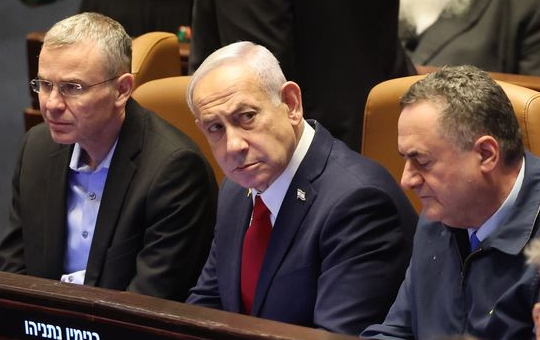
New York law permits police officers to arrest individuals without a warrant if there is reasonable cause to believe they committed a qualifying offense. However, simply entering New York while named in an International Criminal Court (ICC) warrant does not constitute a crime under state law.
Can New York Arrest Netanyahu? US Law and ICC Jurisdiction Explained (Arresting Its President)
For a state to have jurisdiction, a direct connection to New York is generally required, such as the commission of a crime within its borders, occurrence of harm within the state, or intent to impact the state. Allegations arising from military actions in Gaza would typically not meet these criteria.
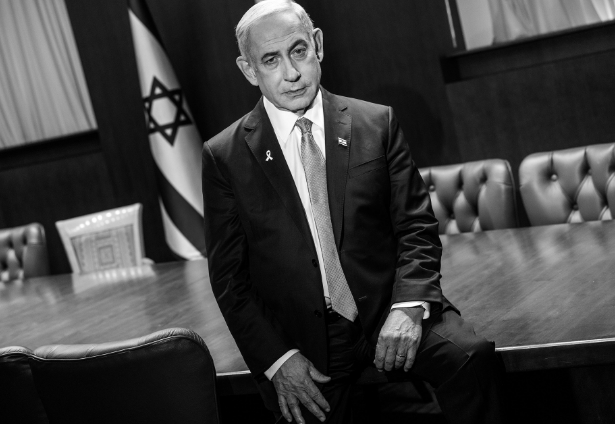
While the mayor oversees the New York Police Department (NYPD) as part of city government, this administrative authority does not allow the mayor to create offenses or transform an international warrant into a state warrant, as a legal arrest necessitates a legitimate basis.
New York prosecutors face similar constraints, meaning that neither the mayor nor any district attorney could unilaterally classify ICC allegations as prosecutable crimes under New York law. Attempting to detain an individual like Netanyahu without a recognized warrant or domestic charges would likely result in immediate legal challenges in federal court.
Moreover, Netanyahu’s expected destinations could further complicate legal actions. In May 2024, an ICC prosecutor sought arrest warrants against Netanyahu, former Israeli Defense Minister Yoav Gallant, and several Hamas officials following investigations into a terror attack on Israel and subsequent military responses in Gaza.
The attack on October 7, 2023, resulted in approximately 1,200 Israeli deaths and 250 hostages, while reports from the Hamas-run Gaza Health Ministry indicated over 73,000 Palestinian fatalities in Gaza.
By the end of 2024, judges at the ICC issued arrest warrants for Netanyahu and Gallant after finding “reasonable grounds” to believe that they had deprived civilians of essential humanitarian aid, alongside accusations against former Hamas commander Mohammed Deif, who was killed in an Israeli airstrike, for crimes against humanity.
Here’s What International Law Says
Under the agreement establishing the United Nations headquarters in Manhattan, U.N. representatives are shielded from local law enforcement obstruction while commuting to and from the district, barring federal or state warrants.
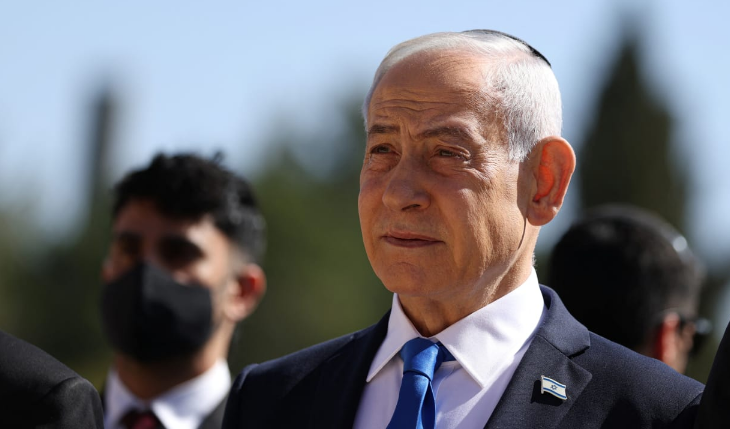
This agreement limits the NYPD’s authority, preventing them from treating U.N. grounds as standard city jurisdiction. Moreover, a separate international convention grants representatives immunity from personal arrest while fulfilling their official duties and during travel related to U.N. meetings, a treaty to which the U.S. became a signatory in 1970.
Israeli Prime Minister Benjamin Netanyahu may assert that his participation in the General Assembly falls under these immunities. Although Israel could choose to waive this immunity, it is improbable, especially given the government’s stance regarding the International Criminal Court (ICC) case.
Additionally, as a sitting head of government, Netanyahu is likely protected by customary international law, which shields incumbents from foreign legal actions, a principle reinforced by a ruling from the International Court of Justice regarding a Belgian arrest warrant against a foreign minister.
Contrastingly, the ICC’s procedures diverge in that a defendant’s official status does not inherently grant immunity from its jurisdiction. This signifies that while the ICC can technically issue warrants, executing them within the U.S. legal framework remains hindered by non-compliance with the Rome Statute, binding the U.S. to its own laws regarding the ICC.
Action from the federal government would be necessary to alter this situation, which could involve congressional legislation, presidential waivers, or independent criminal cases if federal statutes apply.
Arresting Its President The Israeli government has publicly denounced these ICC warrants, labeling them as absurd and politically biased. In defense of its actions in Gaza, Israel maintains that its military operations aim to protect civilian lives, while simultaneously blaming Hamas for their tactics in densely populated areas.
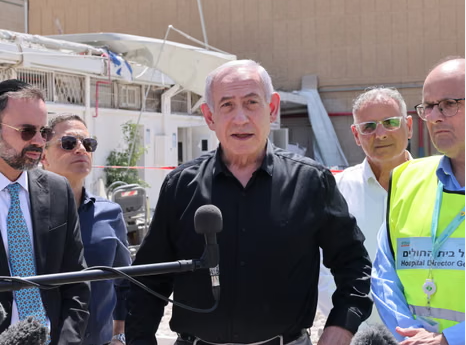
Despite a ceasefire agreement last fall, violence persists, with reports indicating significant casualties in Gaza amidst the ongoing conflict.
Arresting Its President None of the steps regarding the arrest of Israeli Prime Minister Netanyahu can be executed simply through an order from New York City Hall. Despite being in New York, his diplomatic and official immunities must be carefully examined, meaning that any ordinary crime he may commit could still lead to his arrest; however, the act of merely arriving in the city does not constitute probable cause for such an arrest.
City lawyers, potentially led by Mamdani, might investigate the legal implications of this situation and could express support for the International Criminal Court (ICC). Nevertheless, this support does not grant them the power to transform the ICC’s warrant into a binding order enforceable in New York.
Under existing legal frameworks, any attempt to arrest him at the city level would encounter numerous federal legal restrictions, the lack of a corresponding domestic criminal charge, and limits pertaining to New York’s jurisdiction.
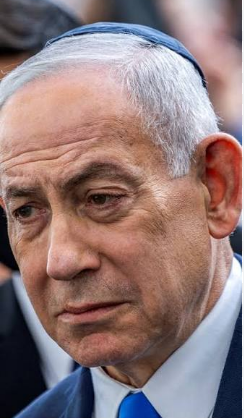
Arresting Its President Additionally, protections related to the United Nations and the immunity of Netanyahu as the sitting head of government further complicate matters.
Thus, while political dialogue may persist at the General Assembly, the legal position remains clear: New York City cannot legally arrest Netanyahu solely based on the ICC’s request for custody.