Iran plots to deal Trump a blow in midterms by keeping him entangled in war. Do Midterm Elections Affect the President? Iran is strategically prolonging negotiations to keep President Donald Trump involved in the ongoing conflict with the nation, aiming to tarnish his political standing leading up to the midterm elections.
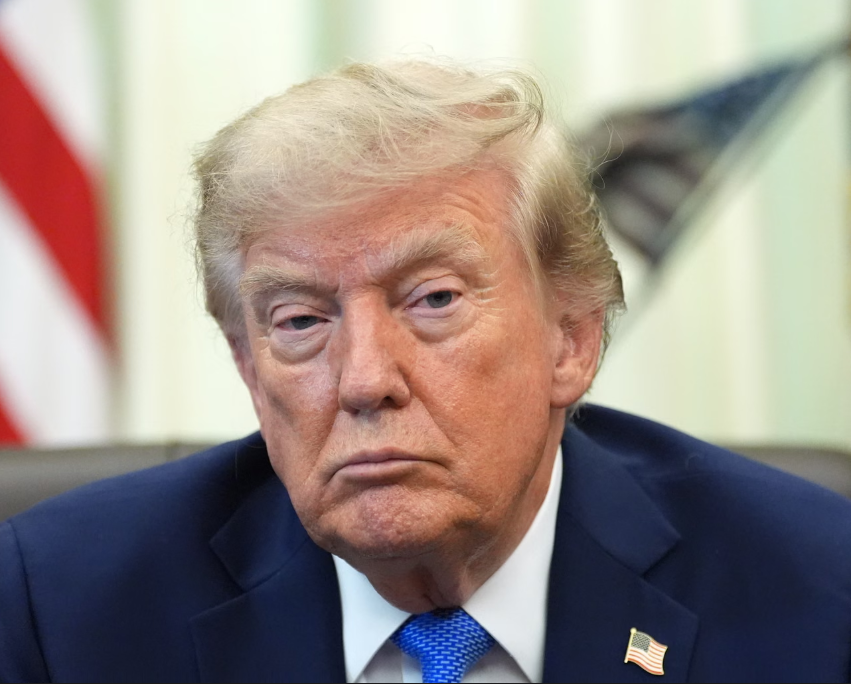
This tactic is reminiscent of the political damage faced by Jimmy Carter during the 1979-81 US embassy hostage crisis. Tehran’s goal is to inflict a similar detrimental impact on Trump’s presidency, believing that a politically weakened Trump may retaliate in unforeseen ways.
The intention behind this deliberation is to leverage the timing of the midterms for maximum political effect against the U.S. president.
Why Anti-Trump Sentiment Has Deepened in Iran
For many in Iran, seeking meaningful revenge against former President Donald Trump is viewed as a legitimate war objective, as evidenced by the sentiments expressed during the funeral of Supreme Leader Ali Khamenei, where calls for retribution were prevalent.
This long-standing distrust of the United States, rooted in the aftermath of the 1979 Islamic revolution, has intensified into a personal animosity towards Trump.
He not only withdrew from the carefully negotiated nuclear agreement in 2018 but also authorized the assassination of Major General Qassem Suleimani.
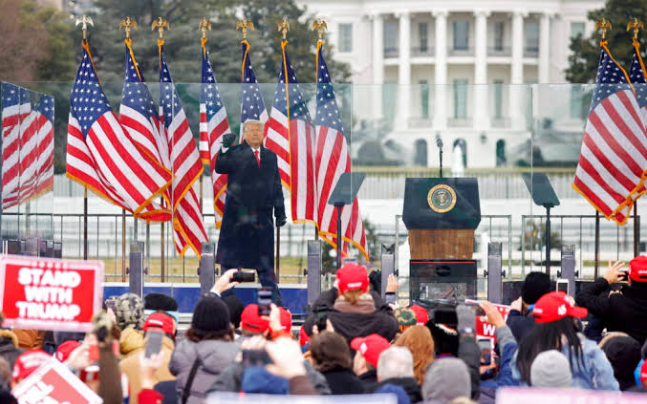
Furthermore, Trump’s involvement in negotiations regarding Iran’s nuclear program was overshadowed by his initiation of hostilities against the nation.
His lack of remorse for the death of Iran’s supreme leader and the assassination attempt on President Masoud Pezeshkian has only fueled this animosity, deepening the divide between the nations and reigniting calls for vengeance among the Iranian populace.
Iran Eyes US Midterm Elections as Trump Faces Political and Nuclear Pressure
As the midterm elections in the United States approach, speculation regarding the potential political downfall of President Trump has captured significant attention in Tehran.
Iranian media closely monitors Trump’s declining approval ratings, which they attribute largely to the unpopularity of his war policies and escalating oil prices. There has been a detailed analysis of shifts within the Democratic Party’s political landscape as well.
This week, the spotlight on the midterms intensified when Kazem Gharibabadi, Iran’s deputy foreign minister, informed the official IRNA news agency about a newly established shipping route through the Strait of Hormuz for commercial purposes. Do Midterm Elections Affect the President?
He indicated that it would take between two to four months to reach the next phase of negotiations concerning Iran’s nuclear program.
Gharibabadi highlighted that the original intention of starting the nuclear discussions 30 days after the signing of a memorandum of understanding (MoU) with the United States in June was abandoned by the Trump administration, signaling a significant shift in diplomatic engagement.
To reach the second stage of negotiations, the proposed obstacle course involves several key conditions: lifting sanctions, ending the U.S. blockade on Iranian ports, unfreezing Iranian assets, and securing new commitments to non-belligerence.
This process is anticipated to extend beyond the midterm elections. If Iran achieves its desired timeline, President Trump may face voters without any definitive Iranian agreement regarding nuclear weapons, potentially incurring a substantial economic cost associated with a failed military engagement.
According to Jason Brodsky from United Against a Nuclear Iran, an advocate for military intervention, this situation could lead to ongoing cycles of conflict between the U.S. and Tehran over strategic waterways.
Brodsky emphasizes that no significant calm is expected before the midterms, as Tehran is not inclined to provide the Trump administration with any respite, indicating that it will persist in its strategic maneuvering.

Iran Says Trump’s War Strategy Could Decide the US Midterm Elections ( Do Midterm Elections Affect the President?)
Mehr News, associated with the Islamic Revolutionary Guards Corps, reported that Iran has presented a significant dilemma for Trump regarding the ongoing war. The article argues that if Trump continues the conflict, it may lead to heightened political and economic pressure on his administration, further diminishing his popularity.
Conversely, if he opts to de-escalate tensions, this action might be perceived by some of his supporters as a betrayal of his campaign promises. This situation underscores that the real stakes of the war extend beyond military engagements and are instead closely tied to the political dynamics of the upcoming electoral process in the United States.
The agency posits that the developments of this war could have long-lasting implications on both American domestic politics and its approach to foreign policy over the years ahead.
Trump’s statements regarding his Iran strategy are viewed with skepticism in Iran, particularly his claims that the midterm elections do not influence his approach.
Iranian media highlight Marc Zell’s assertion that U.S. electoral concerns are central to policy decisions, suggesting the Trump administration is tactfully navigating pre-election challenges to prevent a Democratic congressional takeover. Do Midterm Elections Affect the President?
This perspective incites debate within Iran regarding the significance of U.S. midterm elections on their strategy. Some observers propose that a Democratic victory could limit Trump’s military actions, potentially leading to impeachment, and argue that losing Congress might compel Trump to engage earnestly in negotiations rather than pursuing war.
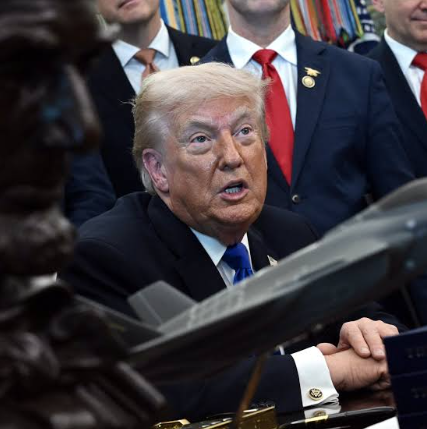
Mostafa Zahrani, a former Iranian diplomat, posits that a defeat in the elections would render it unlikely for Trump to return to military conflict, thereby shifting the focus toward serious diplomatic efforts.
Iran Divided Over Trump Strategy as Debate on US Negotiations Deepens
Professor Nasser Hadian from Tehran University presents a critical viewpoint regarding Iran’s diplomatic strategy in light of U.S. politics. He suggests that Iran should capitalize on its current achievements rather than wait for potential political shifts after the midterm elections.
According to Hadian, if Trump were to lose, his motivation to engage in negotiations with Iran would diminish, primarily because his weakened position would make him vulnerable to adversarial actions from Israel and other allies, who are currently restrained. He criticizes those advocating for a wait-and-see approach as lacking insight into American political dynamics. Do Midterm Elections Affect the President?
Despite Hadian’s assertions, other Iranian diplomats believe Trump’s actions will likely be limited by both the prevailing unpopularity of military conflict in the U.S. and the pressure from Republican presidential candidates who want a resolution. Do Midterm Elections Affect the President?
Furthermore, there is a concern that Trump might become engulfed in a catastrophic war that could overshadow his entire second term. This reflects a complex interplay of internal and external factors influencing Iran’s strategic decisions regarding U.S. relations.
The question of Iran’s objectives in the ongoing geopolitical tensions is complex and contentious, with internal debates often overshadowing clear resolutions. Pezeshkian, in collaboration with chief negotiator Mohammad Ghalibaf, emphasizes a desire to avoid prolonged conflict, indicating that the majority within the supreme national security council shares this sentiment. Do Midterm Elections Affect the President?
He advocates for the Memorandum of Understanding (MoU) to be the foundation of Iran’s foreign policy, expressing confidence in it as a diplomatic tool. Do Midterm Elections Affect the President?
Contrasting this, the conservative newspaper Kayhan dismisses the MoU as ineffective, arguing that the US has a history of failing to uphold its agreements. It asserts that strategic positions, such as the strait of Hormuz, should not be leveraged for negotiation with America but rather maintained as a sovereign control point.
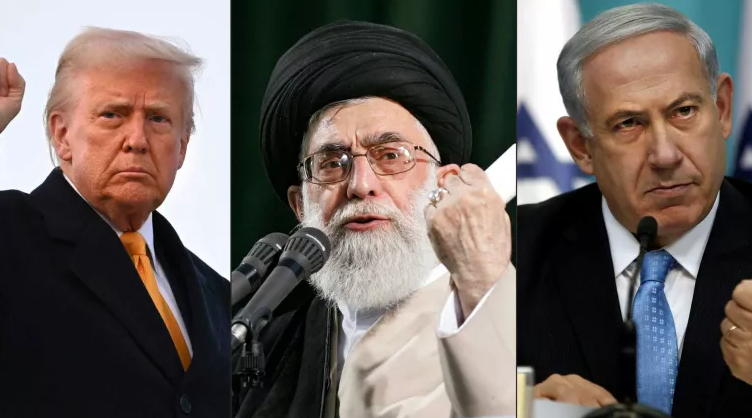
The perspectives among Iranian factions reveal a shared vision for the end of current hostilities leading to a transformed regional security framework; however, hardliners focus on the necessity of removing US influence rather than engaging in negotiation, advocating for the use of strategic control over critical maritime routes as a means of exerting pressure on US military presence in the region.
This divergence in approach highlights the intricate dynamics of Iran’s internal political landscape as it navigates external pressures and aspirations for security and influence. Do Midterm Elections Affect the President?
Pezeshkian advocates for legitimate US investment in Iran, reflecting a potential shift in economic relations. Meanwhile, former foreign minister Javad Zarif emphasizes the necessity of diversifying Iran’s foreign policy beyond reliance on Russia and China.
He argues that a balanced and multifaceted approach would free Iran from coercive relationships and allow for healthier international interactions. Zarif warns that ongoing tensions with the US impose significant costs on Iran and hinder collaboration with its closest partners, such as China and Russia.
Additionally, he notes the inconsistency in both US and Iranian perceptions and expectations of each other, suggesting a lack of clarity in their diplomatic dialogue.
Understanding what is happening in the Middle East is more important than ever
Understanding developments in the Middle East is increasingly vital, and the Guardian is dedicated to providing in-depth coverage for a global audience. By offering continuous live updates, the Guardian aims to deliver comprehensive, fact-checked journalism that clarifies key events in the region. Do Midterm Elections Affect the President?
To sustain this effort, the support of readers is essential, as it enables the newspaper to maintain its presence on the ground and ensure its reporting is free from external commercial or political pressures.
The Guardian invites contributions from its audience, especially those who can afford to support its mission. They present three persuasive arguments for funding: firstly, their investigative journalism acts as a watchdog, holding powers accountable; secondly, the organization operates independently without the influence of wealthy owners, meaning that reader contributions directly enhance their journalism; and lastly, supporting the Guardian is both affordable and quick, requiring less time than a casual read of their message. By supporting the Guardian, readers can help preserve the integrity and quality of reporting from the region.
Pingback: Report: Appeals Court Rules Congress Must Approve Trump White House Ballroom Project - internationalmediawire.com
Pingback: Pardon My Cheesesteak: Pardoned Capitol Riot Defendant Seeks Restitution Money Back - internationalmediawire.com