Donald Trump has announced an “energy ceasefire” between Russia and Ukraine that he claims is “effective immediately.” This surprising declaration was met with initial skepticism from Ukrainian President Volodymyr Zelensky, who indicated that Ukraine would support the move if Russia reciprocated. However, Moscow has yet to comment on the announcement. Zelensky noted that Russian strikes on Ukrainian energy facilities continued even after Trump declaration. The context for Trump announcement involves pressure on Ukraine from the U.S. to cease attacks on Russian oil refineries, which he argues have contributed to rising diesel prices threatening the Republican Party ahead of the upcoming midterm elections.

This development comes amid reports that the U.S. has threatened to cut off intelligence and arms supplies to Ukraine, highlighting the fragile dynamics of the U.S.-Ukraine-Russia relationship during this ongoing conflict. The lack of confirmation from either Moscow or Kyiv raises questions about the viability of the proposed ceasefire and its potential impact on energy security in the region.
Trump Announces Energy Ceasefire
Energy Ceasefire Trump has been pressing Ukraine to halt its strikes on Russian oil infrastructure, which Kyiv argues are essential for undermining Moscow revenue stream amidst the ongoing conflict. This request comes as part of a deal that reportedly allows Russia to supply diesel to the U.S. and global markets, temporarily lifting sanctions on Russian imports. Both President Zelensky of Ukraine and numerous European officials, alongside some U.S. politicians, including members of Trump Republican party, have criticized this arrangement, with Zelensky labeling it a “gift” to Russian President Vladimir Putin.
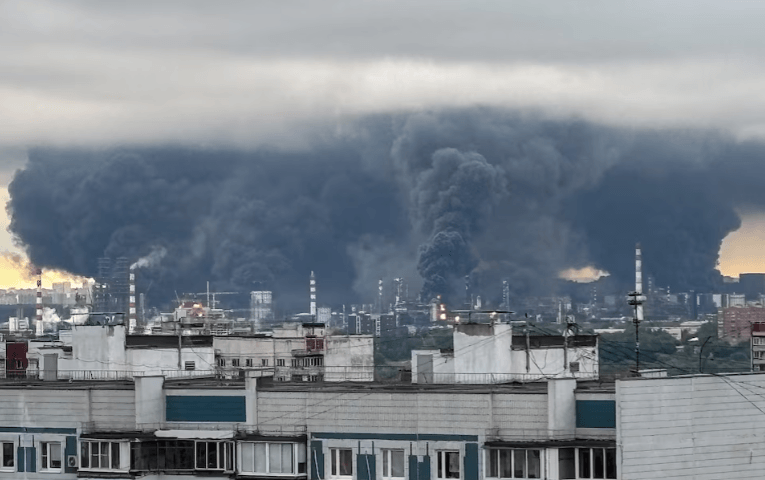
Energy Ceasefire This diesel deal serves as one of Trump latest strategies to lower domestic fuel prices ahead of midterm elections, especially as rising fuel costs, exacerbated by the war in Iran, have drawn public concern. Trump assertive stance in recent statements marks a significant shift in relations between the U.S. and Ukraine, where he explicitly warned Zelensky to cease attacks on Russian refineries and suggested that Ukrainians should seek new leadership through elections due to missed opportunities for peace talks with Moscow.
Energy Ceasefire In a surprising declaration on his Truth Social platform, Trump announced an “ENERGY CEASEFIRE” between Ukraine and Russia, asserting that both nations had agreed to halt hostilities in this sector, although he provided no additional details. His message emphasized the immediate nature of this ceasefire, urging both parties to adhere to this new agreement. Trump popularity has declined among the American public due to rising fuel prices, which have contributed to widespread inflation. These economic challenges have left many citizens feeling negatively impacted.
Rising Global Fuel Prices

Energy Ceasefire The article discusses the rising global fuel prices attributed to the war initiated by Trump in Iran. It highlights a previously announced energy ceasefire in Ukraine that was mentioned by Trump in mid-September, though this agreement was never confirmed by either party. Additionally, a source revealed that the US government had issued threats to Ukraine regarding the potential cessation of intelligence sharing and weapons procurement, specifically under the Prioritised Ukraine Requirements List (PURL). This pressure was aimed at persuading Kyiv to stop targeting Russian energy assets. Furthermore, the article notes that Ukrainian President Zelenskiy is engaging with European leaders to discuss ways to de-escalate the tensions surrounding Trump actions.
The White House did not provide a prompt response to a request for comment regarding the situation. Ukrainian President Volodymyr Zelenskiy mentioned that he had conversations about former President Donald Trump ceasefire announcement with key international leaders, including NATO Secretary General Mark Rutte, Canadian Prime Minister Mark Carney, and Finnish President Alexander Stubb.Ukraine is in favor of a ceasefire, emphasizing the necessity for Russia to also support this initiative. President Zelenskiy mentioned this on Telegram and highlighted that they are waiting for further information from the American side.
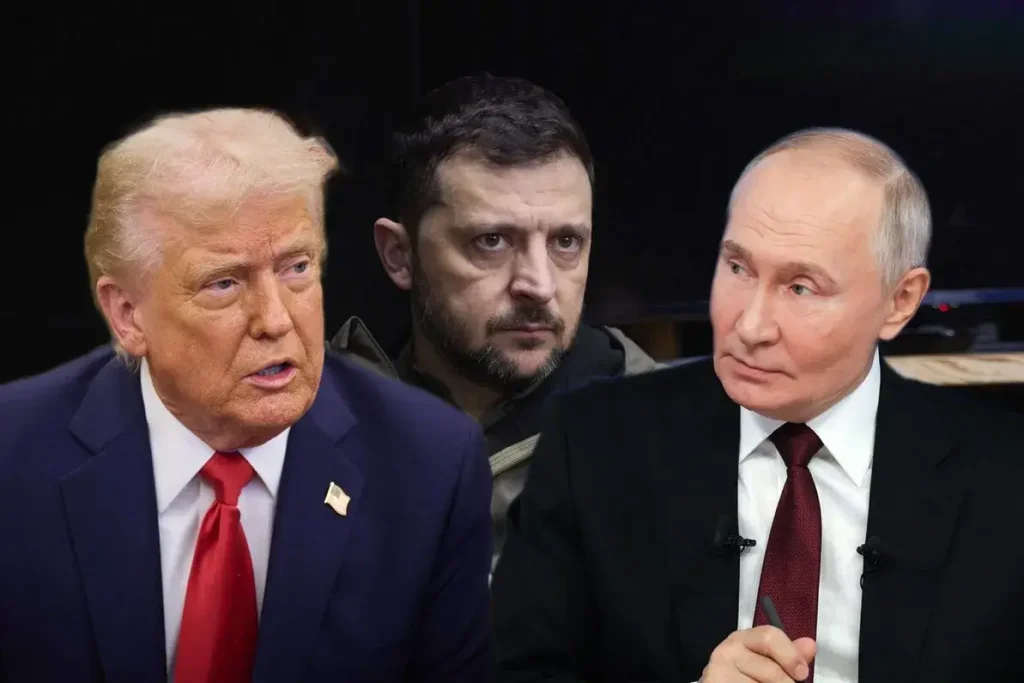
In his nightly video address, he pointed out that Russian forces continue to execute air assaults on Ukrainian energy facilities, with a recent strike reported on a joint heating and power plant in Kharkiv, the country second-largest city, occurring shortly after former President Trump announcement regarding the ceasefire. Prior to this, Zelenskiy rebuffed US pressures urging Ukraine to unilaterally halt attacks on Russian refineries, reiterating his stance that he would agree to such a concession only if President Putin halted his strikes on Ukrainian energy infrastructure.
Promise of Elections
Donald Trump proposed holding elections in Ukraine, which have been on hold since the Russian invasion in 2022. In response, Ukrainian President Volodymyr Zelenskiy stated that he would agree to call for a vote if Russian President Vladimir Putin consented to a 60-day ceasefire. This exchange underscores the complex interplay between the ongoing conflict and the restoration of democratic processes in Ukraine. Ukrainian President Volodymyr Zelenskiy emphasized that the choice of leadership should rest with Ukrainians, stressing the need for a cessation of hostilities before elections can be organized.
He pointed out that Ukrainian law prohibits holding elections while martial law is in effect, citing security concerns as the primary reason. Zelenskiy urged Russian President Vladimir Putin to agree to a two-month ceasefire, stating, “Please tell Putin, give us two months, 60 days of total ceasefire, 60 days, and we will organise elections.” Furthermore, he addressed the rising energy prices, firmly rejecting any suggestion of personal responsibility and asserting that the ongoing conflict in the Middle East, particularly the dramatic increase in global diesel prices following the Iran war outbreak in February, was a far more significant influence.

This energy price surge has emerged as a critical political issue for the Republican Party in the U.S., particularly with the upcoming midterm elections posing a risk of Democrats potentially gaining control of Congress. On Saturday, Ukrainian President Volodymyr Zelenskiy expressed strong disapproval of former President Donald Trump announcement regarding a diesel supply deal with Russia, asserting that it would strengthen Moscow aggressive actions against Ukraine and lead to further loss of life. According to Trump, the deal would enable Russia to deliver over 300,000 metric tons of diesel to both US and global markets, which equates to approximately 2.25 million barrels of fuel.
This move comes as the US typically exports about 1.5 million barrels of diesel daily. Several US lawmakers have echoed Zelenskiy concerns; notably, Senator Thom Tillis from North Carolina suggested that the diesel arrangement could be illegal and potentially jeopardize American lives. In Kyiv, public sentiment was similarly negative, with numerous residents denouncing Trump comments suggesting that Ukraine should seek a new leader amenable to negotiating with Russian President Vladimir Putin. Sabina, a 40-year-old primary school teacher, emphasized that no outside entity has the authority to dictate Ukraine actions, particularly in the context of ongoing warfare, calling Trump remarks a betrayal of Ukraine by its partners.
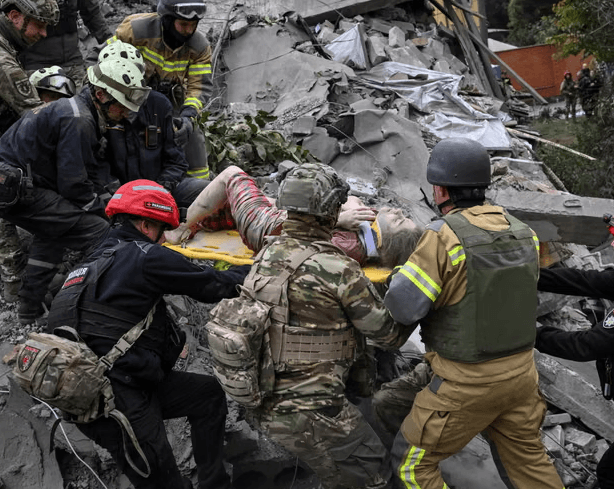
The situation remains critical, as Ukrainian authorities reported fresh Russian assaults on Sunday, resulting in fatalities, including three deaths near a grocery store in Kharkiv and another three in Ivano-Frankivsk. Additionally, Moldova, which shares a border with Ukraine, reported a concerning new incursion involving Russian drones, landing close to 35 km (22 miles) from its capital, Chisinau.
US diesel and gasoline prices have risen sharply during Trump term

Price in US dollars per gallon, Jan 2025 to Oct 2026
On Sunday, UK Defence Secretary Wes Streeting stated in an interview with the BBC that the UK does not support a recent deal concerning Russian energy imports. This sentiment was echoed by EU foreign policy chief Kaja Kallas, who criticized the agreement during remarks made on Saturday alongside Ukrainian President Volodymyr Zelensky. The deal has attracted significant disapproval from politicians across both major US political parties. A group of seven senators comprising three Democrats and four Republicans issued a joint statement asserting that Trump deal is fundamentally at odds with existing legislation that explicitly prohibits the importation of Russian energy products.
They emphasized that Congress had clearly stated that the US should refrain from importing oil from Russia until it ceases its aggressive actions against Ukraine and abides by its responsibilities towards NATO allies. Republican Senator Thom Tillis, one of the signatories, expressed concern in an NBC News interview, indicating that the deal “absolutely will” pose risks to American safety. On Saturday, former U.S. President Donald Trump accused Ukrainian President Volodymyr Zelensky of seeking to “make problems for the world” by continuing his authorization of attacks on Russian refineries.
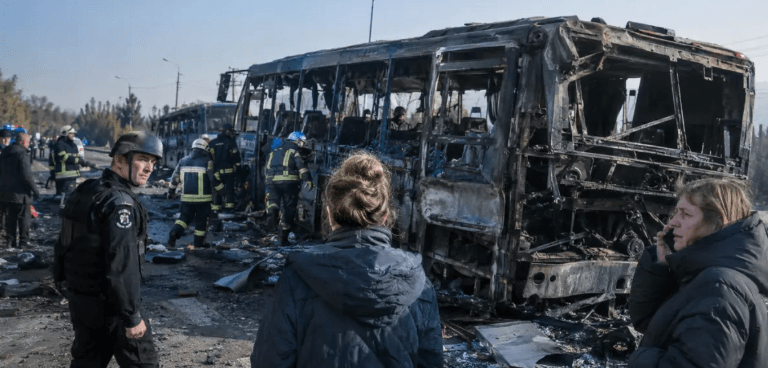
This accusation followed Zelensky criticism of a diesel deal involving Ukraine. Trump indicated it might be “time for Ukraine to get a new president,” reflecting a significant shift in rhetoric regarding Zelensky leadership. In a response to the ongoing conflict, Zelensky expressed a willingness to hold elections, which are currently suspended under the Ukrainian constitution during wartime, but only if Russia agrees to a comprehensive 60-day ceasefire. This marks a notable change for Zelensky, who has previously resisted U.S. calls for elections, citing the challenges of conducting a vote amidst active combat zones and regions under Russian control.
As the war persists into its fourth year, violent conflicts are ongoing. Over the weekend, attacks resulted in six fatalities in two Ukrainian cities, as reported by regional officials. Additionally, casualties were reported in Russia Belgorod region, adjacent to Ukraine, and from a drone strike in the Russian-occupied Donetsk region, where one individual was also killed. These events underscore the continuous volatility in the region amid escalating political tensions.
Summary
- Trump says Russia, Ukraine have agreed to an energy ceasefire
- Moscow, Kyiv do not immediately confirm an agreement
- Zelenskiy says attacks on energy continuing, would welcome ceasefire
- Trump blames Ukrainian strikes against Russian refineries for raising US diesel prices
- US has threatened to cut off intelligence and arms supplies to Ukraine, person familiar with the matter says
What is the Trump Ukraine-Russia Energy Ceasefire?
The Trump Ukraine-Russia energy ceasefire is a 30-day agreement initiated by former President Donald Trump, in which both Russia and Ukraine have committed to halting attacks on each other energy infrastructure. This includes essential components such as power plants, electrical grids, and gas pipelines. The primary objective of this ceasefire is to alleviate ongoing tensions between the two nations, fostering a more stable and peaceful environment regarding energy resources. This agreement marks a critical step in diplomatic efforts aimed at mitigating conflict and promoting cooperation in the energy sector.
Did Zelenskyy agree to the Energy Ceasefire?
Ukrainian President Volodymyr Zelenskyy confirmed his agreement to the energy ceasefire, stating that Ukraine will comply with the terms, provided that Russia also adheres to the ceasefire. This development indicates a willingness from Ukraine to participate in a temporary halt in hostilities regarding energy matters, contingent on reciprocal compliance from Russia.
What is Russia response to the Energy Ceasefire Announcement?
As of now, Moscow has not provided an official response to the announcement regarding the energy ceasefire. The Kremlin silence has led to uncertainty about Russia commitment to fully implementing the terms of the agreement.
Will the Energy Ceasefire affect Global Fuel Prices?
The potential implementation of an energy ceasefire could have significant implications for global fuel prices. If the ceasefire is successful, it is anticipated that energy supplies in Europe would stabilize. This stabilization may lead to a decrease in global oil and gas prices, which have experienced a notable increase as a direct result of the ongoing conflict.
Is this Energy Ceasefire Permanent?
No, the energy ceasefire is a temporary 30-day truce. It is viewed as an initial step towards broader peace negotiations, but any potential extension will depend on the compliance of both parties involved.
Pingback: Press Secretary Katie Zacharia Faces Questions Over Future After Brief White House Press Briefing - internationalmediawire.com