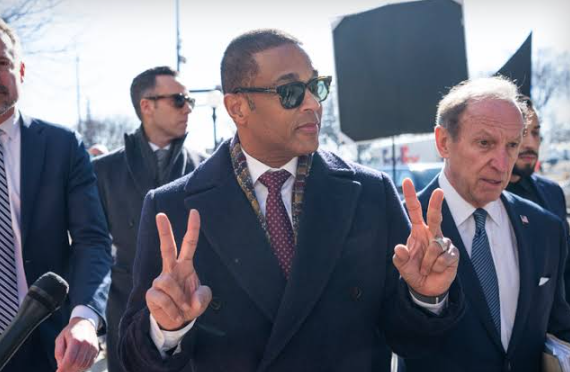
Grand Jury A federal judge in Minnesota has ordered an examination of grand jury materials related to the indictment of journalist Don Lemon, indicating a notable shift toward increased scrutiny of the Justice Department proceedings. This development comes amid a broader trend where judges nationwide are exhibiting skepticism regarding the ethical conduct of federal prosecutors in grand jury proceedings.
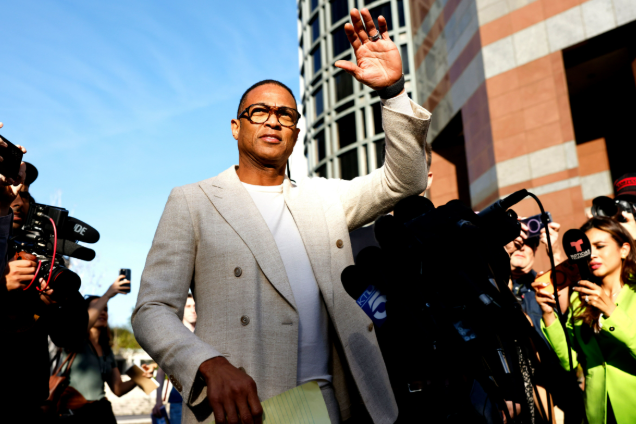
The judge actions could potentially lead to the dismissal of the case if grounds for such a decision are found. There is growing concern that the Justice Department has deviated from standard practices, reflecting a willingness among judges to challenge prosecutorial decisions that they view as ethically questionable. This case marks a significant moment as it may reshape the dynamics in which federal judicial oversight operates with respect to grand jury processes.
Federal judges in Wyoming, Illinois, and Virginia have criticized federal prosecutors for errors related to grand jury proceedings, leading to either the dismissal of charges or strong admonitions. These mishaps have initiated a historical examination of cases in Chicago, resulting in new regulations in some courts that require defendants to be informed when a grand jury opts not to issue an indictment. On August 18, Judge Laura Provinzino of Minnesota mandated that the Justice Department submit extensive grand jury materials pertaining to defendant Lemon and his co-defendants.
This request encompasses presentations from prosecutors and case agents, as well as all communications between prosecutors and grand jurors that contributed to the indictments. Judge Provinzino has set a deadline for the DOJ to deliver these documents, including the introduction, legal instructions, witness testimonies, closing arguments, and answers to any questions posed by grand jurors.
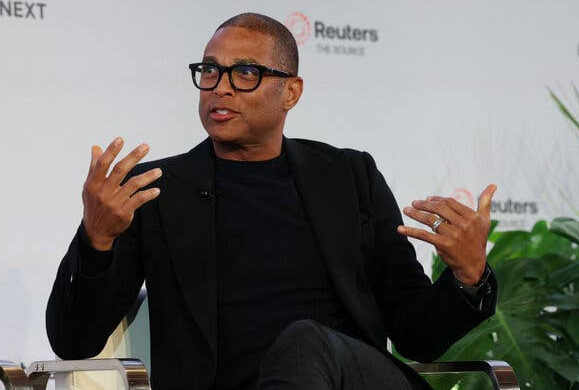
Lemon legal team has vigorously sought access to grand jury materials, requesting either full disclosure of the records or at least a private review by the judge. They have claimed that there is substantial evidence of irregularities within the grand jury that influenced Lemon indictment.
Multiple judges, including those from the Eighth Circuit, determined there was no probable cause to charge Lemon and his co-defendant Georgia Fort. Mark Wolf, a former judge and federal prosecutor, noted it is uncommon for defense attorneys to request grand jury transcripts in federal court, and even rarer for judges to approve such requests. He emphasized that a significant threshold must be met evidence of a defect in the grand jury process must be demonstrated.
In her two-page ruling, Judge Provinzino assessed the need to uphold grand jury secrecy against the potential grounds for case dismissal based on events prior to grand jury proceedings. Notably, she did not indicate any findings of misconduct. The Justice Department initial charges against Lemon in January, related to his participation in a protest that disrupted a church service in St. Paul, Minnesota, were rejected by a federal magistrate judge, causing frustration for then Attorney General Pam Bondi.
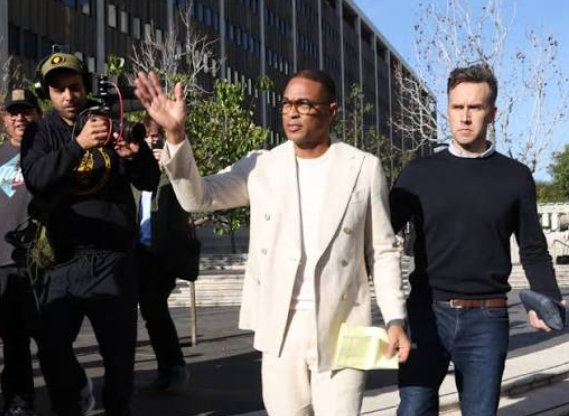
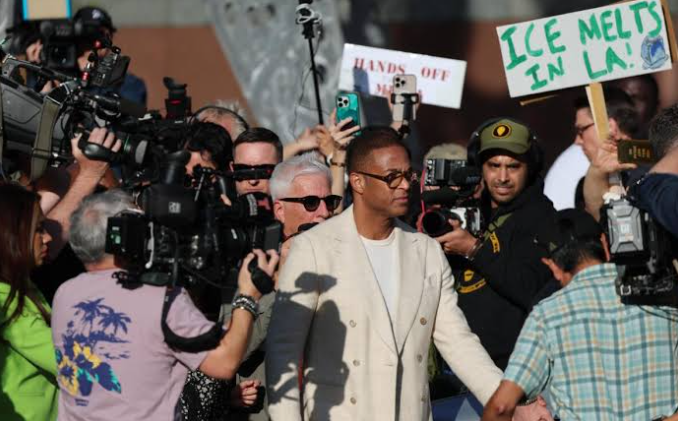
Subsequently, Lemon, a former News anchor, was indicted alongside several others, including independent journalist Georgia Fort. He faces charges of conspiring to violate constitutional rights and breaching the FACE Act, which forbids the use of force or threats to hinder someone from exercising their First Amendment right to worship. Lemon has pleaded not guilty to these charges and has actively sought grand jury materials throughout the litigation, recently filing a motion to dismiss the case entirely.
Justice Department losing credibility
The Justice Department is facing significant credibility issues, as pointed out by Wolf during an interview with He noted the department reputation among judges has suffered due to multiple incidents of prosecutorial misconduct. A high-profile case in Chicago prompted defense attorneys to request the release of grand jury transcripts, revealing that federal prosecutors engaged in inappropriate behaviors, such as interacting with jurors outside of official proceedings and vouching for their own reputations during testimonies. Judge April Perry expressed her concern, stating she had never witnessed such prosecutorial behavior in her career.
Following these revelations, US Attorney Andrew Boutros dismissed the case against the protestors and decided to drop additional criminal cases while calling for a historical review of over 100 grand jury transcripts and implementing reforms that include enhanced training on handling grand jury proceedings. Attorney Mike Fox emphasized that defense lawyers should now petition courts to review grand jury transcripts for any case, underlining the importance of judicial oversight.
Meanwhile, in Wyoming, a federal court dismissed indictments against several defendants due to inappropriate remarks made by the acting US Attorney, who had referred to defendants using derogatory terms and handed out business cards to jurors. The case continued, with the empaneling of a new grand jury leading to fresh indictments.
Fox advocates for a judiciary that is more engaged with grand jury proceedings, suggesting that judges should routinely observe these sessions. Although current law does not mandate this oversight, some jurisdictions like the Northern District of Illinois have begun implementing local rules for increased scrutiny.
A spokesperson from the Justice Department defended its practices, claiming that training is regularly provided on grand jury operations and that immediate corrective actions were taken in instances of misconduct. They reaffirmed the commitment to uphold the law impartially, avoiding public commentary on ongoing litigation.
Grand jury presentments in the spotlight last year
Last fall, the case involving former FBI Director James Comey highlighted significant issues surrounding grand jury presentments. Lindsey Halligan, then-interim US Attorney for the Eastern District of Virginia, independently pursued an indictment against Comey. A magistrate judge in Alexandria subsequently criticized Halligan, suggesting that she may have misrepresented the law to the grand jury, which undermined the integrity of the proceedings.
Halligan ultimately conceded that the grand jury did not support her initial indictment proposal, and a separate federal district judge determined that Halligan was not acting as a legitimate prosecutor, leading to the dismissal of the case. The Department of Justice is currently appealing this decision.
The handling of the grand jury in the Comey case has broader implications, particularly as Comey defense team seeks to review grand jury records in a new case against him in North Carolina. He is accused of threatening the president through a social media post that involved a cryptic message interpreted as a threat. Comey lawyers argue that the irregularities in how the grand jury processed the indictment raise concerns about the potential misrepresentation of facts and law to the grand jury. They insist on accessing the grand jury transcript to scrutinize the Justice Department conduct.
Concerns about the integrity of the Justice Department have been voiced by critics like Wolf, who opines that recent actions reflect a troubling trend toward partisan misuse of the law. He stresses that the department failure to uphold the ideal of equal justice under the law leaves all individuals susceptible to manipulation within the legal system.
Pingback: Dolly Parton Passes Away at 80: Country Music Icon Leaves Behind a Lasting Legacy - internationalmediawire.com
Pingback: King Charles Sends Clear Message on Prince Harry and Meghan Future as Non-Working Royals - internationalmediawire.com