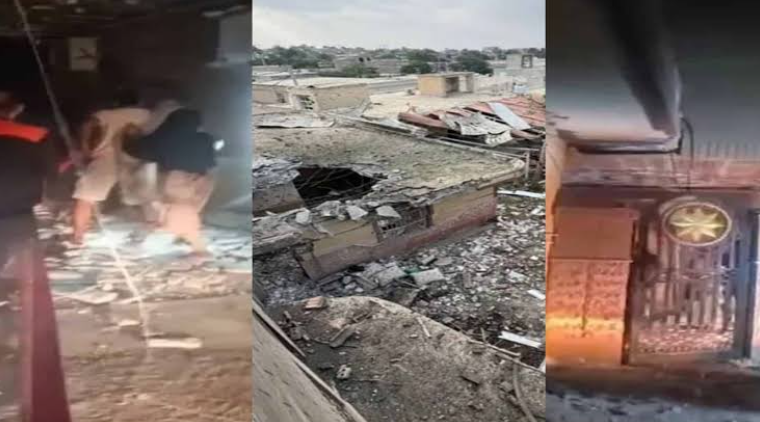
Kuwait Escalate Iran conducted funerals for the victims of a reported U.S. airstrike that allegedly targeted a wedding party, leading to heightened tensions in the region. On September 3, mourners gathered in Kuhestak village, situated in Sirik County, where the airstrikes occurred. In response to this escalation, Iran launched missiles and drones targeting a U.S. base in Kuwait, marking the most significant increase in military activity in the area in over a month. This incident showcases the deteriorating relations and escalating hostilities between Iran and the U.S., amid a broader context of regional instability.
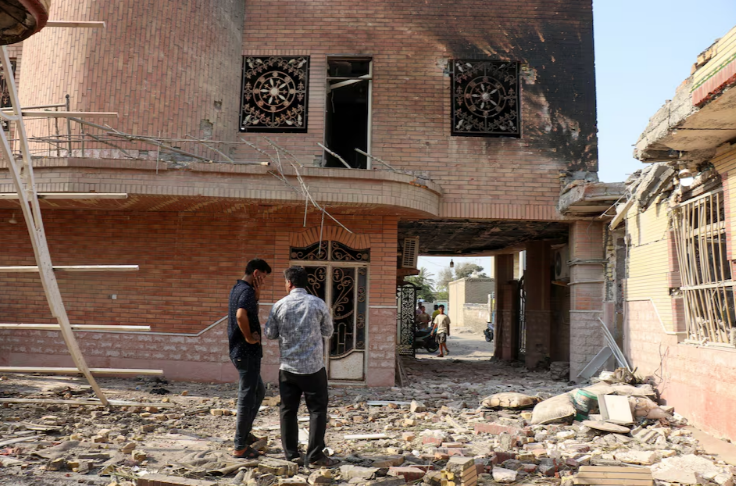
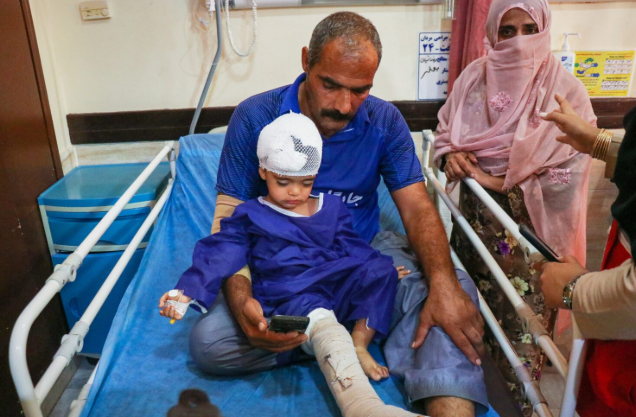
Iranian state television reported that a 22-year-old woman succumbed in the hospital following a strike that hit a home during a wedding, raising the total death toll to five and leaving approximately 70 people wounded. In response, U.S. Vice President JD Vance stated that the United States is investigating the incident, emphasizing their commitment to accountability.
Vance remarked, “We’re investigating it because obviously we care. We want to know.” He further distinguished the U.S. military approach to errors, asserting that unlike Iran, when the U.S. military makes mistakes, they learn from them to improve and avoid future incidents.
Summary
- Iran says it fired at U.S. base in Kuwait
- Mourners toss petals at ceremony for wedding dead
- Vance says the United States is investigating reported attack
- Tuesday US airstrikes were biggest escalation in a month
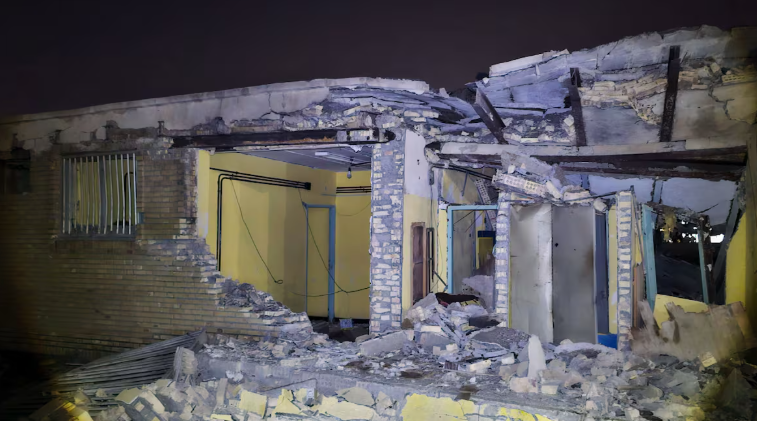
Kuwait Escalate Iran has announced that it targeted a U.S. base located in Kuwait, marking a significant development in the ongoing tensions in the region. This incident occurred amid a ceremony where mourners commemorated the victims of a recent wedding attack, underscoring the volatile security situation. In response to the reported attack, U.S. officials, including Vance, have stated that an investigation is underway. Notably, the U.S. conducted airstrikes on Tuesday, which are characterized as the most substantial escalation in military actions in the past month, reflecting an intensifying conflict.
The U.S. military acknowledged awareness of Iranian reports claiming civilian casualties, asserting that it “never targets civilians.” This statement follows the funeral of four victims from a wedding attack, which has stirred strong emotions in Iran. Footage released by Iran Mehr news agency depicts a pickup truck transporting a flag-covered coffin, reportedly of a child named Amir-Mohammad Karimi, who was described as a “martyr,” having lost his life in an assault attributed to the “criminal American regime.”
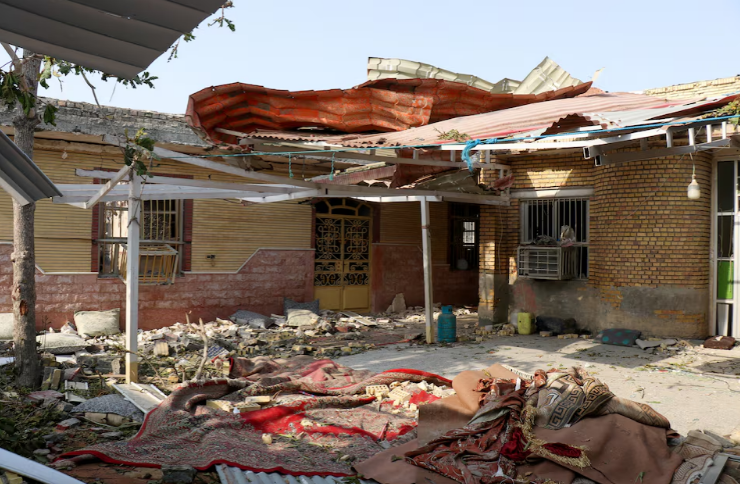
In the videos of the funeral, mourners are seen throwing petals in mourning, with somber music playing from loudspeakers, as a casket is carried past soldiers at attention, signifying the profound impact of the tragedy on the local community.
U.S. CARRIED OUT HEAVY BOMBARDMENTS ON TUESDAY (Kuwait Escalate)
On Tuesday, the United States conducted significant airstrikes targeting military sites along the Iranian coastline. This military action was a direct response to Iran recent attacks on shipping in the strategic Strait of Hormuz. The conflict intensified atmosphere has triggered a notable increase in global oil prices, with Brent crude soaring past $96 a barrel, marking its highest levels since July.
Iran reported 18 fatalities as a consequence of the U.S. airstrikes. In retaliation, Iran launched attacks on several U.S. military installations located in Iraq, Jordan, Qatar, Kuwait, and Bahrain. Early Thursday morning, Iran declared that it aimed to strike another U.S. base in Kuwait. The Kuwaiti military reported successful interception of missiles and drones aimed at its territory.
Following these escalations, there appeared to be a de-escalation in hostilities as Thursday progressed, with no significant attacks occurring from either side after the initial exchange. This marked the end of a particularly volatile period in the ongoing conflict, which had seen its most intense exchanges since July.
The month of August was characterized by a noticeable lull in military activity in the Gulf following U.S. President Donald Trump abrupt cessation of two weeks of intensive airstrikes in July. This decision was prompted by warnings from military advisors about dwindling munitions. Despite launching Operation Epic Fury in February with ambitious objectives including the termination of Iran nuclear program, preventing Iranian attacks on neighboring countries, and paving the way for regime change in Iran Trump has not achieved the desired outcomes.
Iran economy has been significantly impacted by U.S. sanctions; nevertheless, the clerical leadership remains intact and aspires to emerge more resilient from the conflict. They are advocating for the removal of sanctions and are looking to benefit from toll fees on maritime traffic through the Strait of Hormuz, a crucial route that previously facilitated a significant portion of the world oil and gas shipments.
Pingback: U.S. Escalates Economic Pressure on Iran as Renewed Strikes Intensify - internationalmediawire.com
Pingback: Iran Claims Strike on U.S. Ship in Strait of Hormuz, but Washington Denies Attack - internationalmediawire.com