In the Lindsay Clancy murder trial, the jury remains deadlocked after over 28 hours of deliberation and concluded the day without reaching a verdict. This marks the second notification to Plymouth Superior Judge William Sullivan regarding their inability to decide. In response, Sullivan delivered a final “dynamite” instruction, urging the jurors to re-examine their discussions. He expressed gratitude for their efforts and dismissed them for the day, with deliberations scheduled to continue Thursday morning.
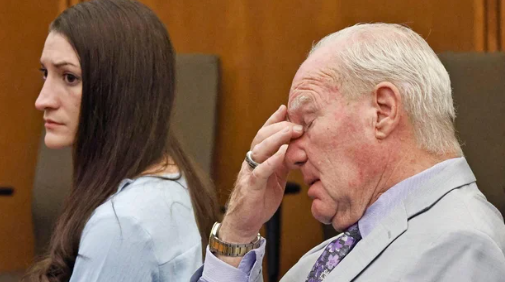
Over the course of five days, the jury, comprised of nine women and three men, has grappled with the case since its presentation last Thursday. They previously communicated to the judge that they were “unable to come to a unanimous decision,” which prompted Sullivan to encourage further dialogue among them before their subsequent note indicating continued deadlock was sent around 2:15 p.m. Wednesday.
In a recent court case, Sullivan delivered the “Tuey-Rodriguez” instructions to the jury, a measure undertaken to encourage jurors towards reaching a conclusion. This instruction, seen as a last resort and often referred to as a “Hail Mary,” is designed to break a deadlock in jury deliberations. Kristina Rex from WBZ-TV, who has reported on the trial, highlighted the instruction notable historical use in Massachusetts courts, specifically during Karen Read trial in 2024. Lindsay Clancy
The “dynamite charge” was similarly employed in the case of Emanuel Lopes, who faced charges for the murder of Weymouth Police Sgt. Michael Chesna back in 2018. Lopes first trial in 2023 ended in a mistrial due to the jury inability to reach a unanimous decision. Re-trial in 2024 saw the jury indicate three times to the judge that they were still deadlocked.
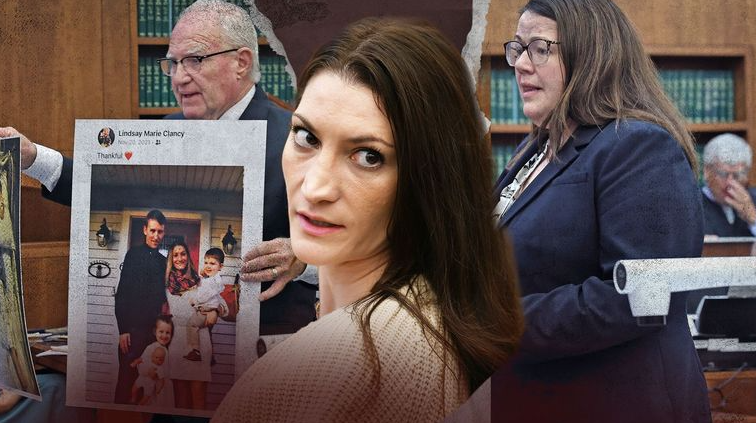
Ultimately, after an extended period of deliberation lasting 32 hours over six days, the jury did arrive at a unanimous guilty verdict. This process underscores the complexities and challenges faced in jury deliberations, particularly in high-stakes murder trials.
Lindsay Clancy jury options
Lindsay Clancy faces charges of first-degree murder for the deaths of her three children 5-year-old Cora, 3-year-old Dawson, and 8-month-old Callan at their Duxbury home on January 24, 2023. The jurors are presented with five possible verdicts: not guilty by reason of insanity, not guilty, first-degree murder, second-degree murder, or manslaughter. A hung jury could result in a mistrial, a situation recently seen in Massachusetts in notable cases involving Emanuel Lopes and Karen Read. Lindsay Clancy
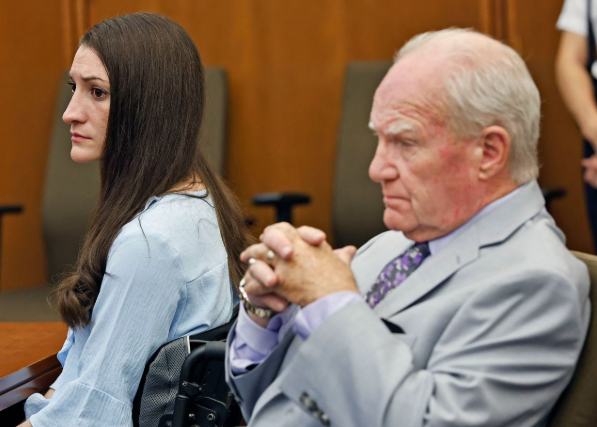
Lindsay Clancy defense, led by attorney Kevin Reddington, argues that she was not criminally responsible due to overmedication and postpartum psychosis. Conversely, prosecutors contend that Lindsay Clancy had premeditated the murders and was aware of the moral implications of her actions. Legal analyst Jennifer Roman emphasizes the uncertain dynamics within the jury room, suggesting they may be struggling with the nuances of the charges and the potential for a verdict of not guilty by reason of insanity versus various charges of guilt.
This complex interplay highlights the intricacies involved in reaching a unanimous decision in such a high-profile case.Reddington has publicly criticized Plymouth District Attorney Tim Cruz for charging his client, Clancy, with first-degree murder, a charge that necessitates a jury trial. Had Clancy been charged with second-degree murder instead, a plea deal could have been facilitated, allowing the possibility of having the judge resolve the case without a jury.
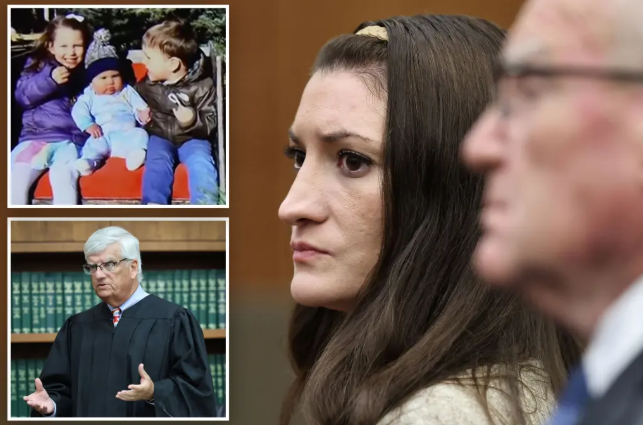
In response to a question by WBZ-TV reporter Penny Kmitt regarding Clancy views on the prospect of facing another trial, Reddington withheld details, stating, “Generally, I don’t talk about what I talk to clients about,” as he navigated through a throng of reporters and photographers en route to court on Wednesday morning. This exchange highlights the complexities involved in murder charges and the legal strategies that may be at play as the case unfolds.
Woman accused of filming jurors
Dawn Light, a 56-year-old retired nurse from Sutton, Massachusetts, was arrested outside a courthouse for allegedly filming jurors as they left court. On Wednesday, she was arraigned in Plymouth Superior Court on a charge of intimidating jurors, to which a not guilty plea was entered on her behalf. Her attorney contended that Light intended to photograph Lindsay Clancy, not the jurors. Light was subsequently released on the condition that she returns to court on October 15.
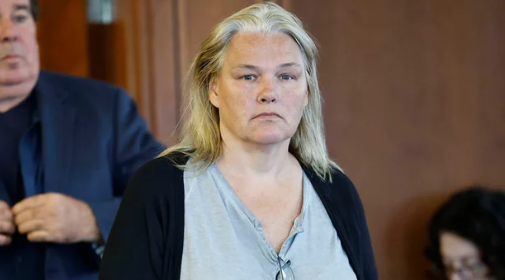
Trial Judge William Sullivan inquired about Light arrest with the jury prior to their deliberations, although no detailed information was provided. The outcome of the jury decision regarding Clancy, who faces charges of first-degree murder, second-degree murder, or manslaughter, could lead to significant consequences. A conviction would result in imprisonment, while an acquittal due to insanity would necessitate her continued stay at Tewksbury State Hospital, where her case would be subject to periodic reviews.
Pingback: Lindsay Clancy Defense Seeks Removal of Juror Over Refusal to “Listen to the Law” - internationalmediawire.com