US says Saudi nuclear deal off without Israel recognition

President Donald Trump announced that the United States will not proceed with a civilian nuclear cooperation agreement with Saudi Arabia unless the kingdom normalizes its relations with Israel. This condition ties the deal to Saudi Arabia’s participation in the Abraham Accords, a U.S.-brokered initiative that has seen several Arab nations establish diplomatic ties with Israel.
Historically, Saudi Arabia has maintained a stance against joining these accords without a clear path towards achieving Palestinian statehood, highlighting its longstanding position on the Israeli-Palestinian conflict. As of now, Saudi Arabia has not committed to recognizing Israel, which poses significant barriers to any potential nuclear deal with the U.S.
Karoline Leavitt, the White House press secretary, emphasized that Trump has engaged in multiple discussions with Gulf and Arab allies regarding the importance of linking a new deal to the Abraham Accords. She asserted that if Saudi Arabia does not participate in this framework, the proposed deal will be canceled.
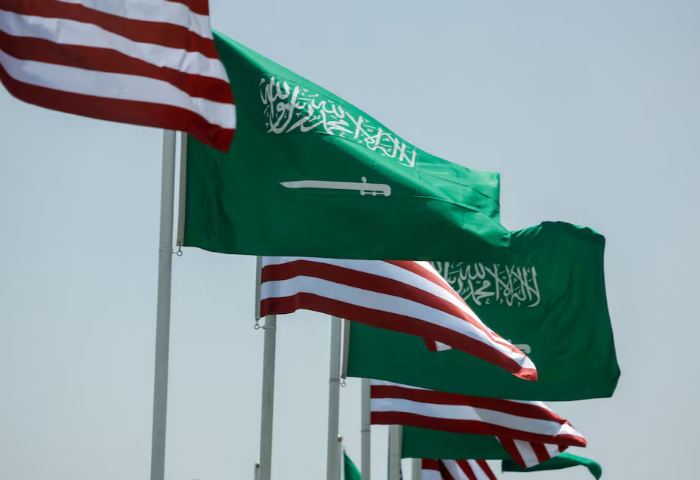
Furthermore, the United States and Saudi Arabia recently announced an agreement permitting Riyadh to enrich uranium and establish nuclear reactors using American technology, a development that notably excludes the immediate U.N. inspections that the U.S. has insisted upon for Iran.
- White House: Saudi-Israel normalization or ‘deal is off’
- Saudi has long tied Israel recognition to Palestinian statehood
- US-Saudi nuclear deal requires congressional review
- White House: Trump previously raised Abraham Accords with Saudi crown prince
Saudi Arabia’s potential normalization of relations with Israel is contingent upon progress towards Palestinian statehood, according to a statement from the White House, signifying a crucial prerequisite for any formal recognition.
Additionally, any nuclear deal between the US and Saudi Arabia will necessitate a thorough congressional review, ensuring that legislative oversight is incorporated into the agreement process.
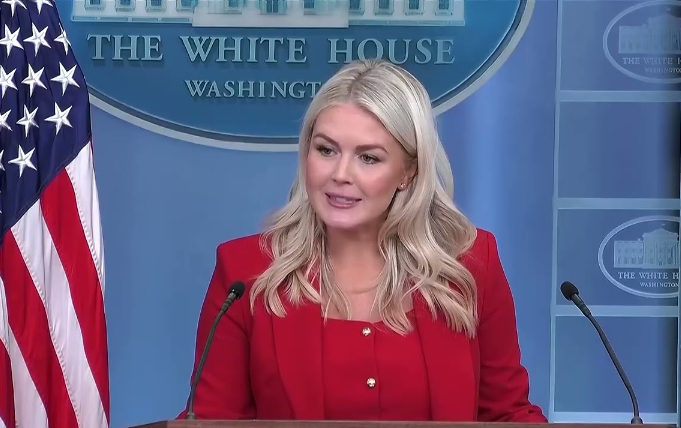
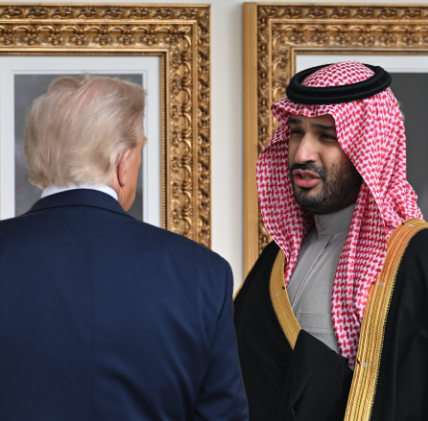
The White House further noted that former President Trump had previously discussed the Abraham Accords with Saudi Crown Prince Mohammed bin Salman, indicating a history of diplomatic engagement regarding normalization and regional alliances.
TRUMP TIES SAUDI NUCLEAR DEAL TO ABRAHAM ACCORDS
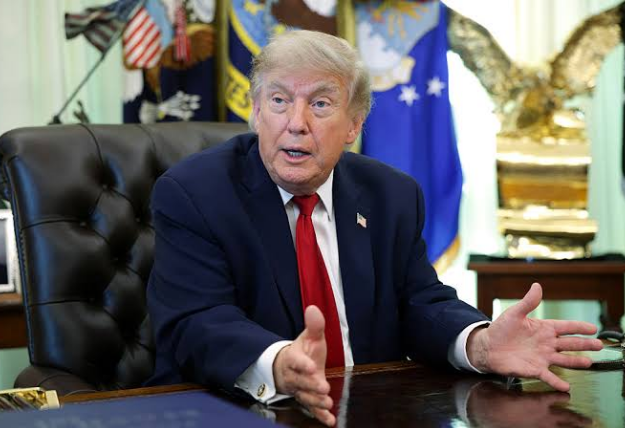
In a recent post on Truth Social, former President Donald Trump linked a proposed Civil Nuclear Deal with Saudi Arabia to the Abraham Accords, emphasizing that the deal would only allow for non-military nuclear use, with no enrichment of materials involved.
Trump stated that the United States does not oppose civil nuclear facilities, reaffirming the deal’s limitations. The U.S. Congress will have 90 session days to review the agreement before it is enacted, and a two-year feasibility study will be conducted regarding the enrichment aspect of the deal.
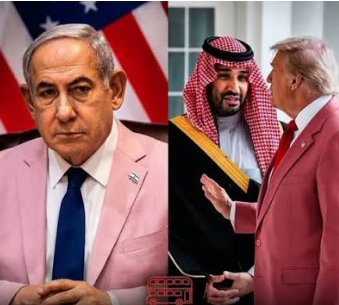
Despite Trump’s comments, the Saudi Embassy in Washington did not respond to inquiries regarding the post.
Prior to Trump’s assertions, Saudi officials indicated that this deal would aid in diversifying energy sources while adhering to strict international standards for nuclear safety, security, and nonproliferation.
‘WE’LL CONTINUE TO TALK,’ PRESS SECRETARY SAYS
Press Secretary Leavitt stated that the U.S. will persist in discussions with Saudi Arabia to finalize a deal aimed at their participation in the Abraham Accords. Although she indicated that former President Trump had not recently spoken with Saudi Crown Prince Mohammed bin Salman, it remains a topic he previously addressed.
The Abraham Accords, established during Trump’s initial term in 2020, marked a significant diplomatic shift as the United Arab Emirates and Bahrain became the first Arab nations in 25 years to officially recognize Israel, followed later by Morocco and Sudan.
Israel, cautious that Saudi participation might escalate a regional arms race, expressed approval of the ongoing negotiations.
Israeli Prime Minister Netanyahu’s office asserted that Saudi Arabia’s inclusion in the Accords would represent a monumental advancement in efforts for peace in the Middle East.
Leavitt stated that she was unaware if Netanyahu had requested that the nuclear deal be contingent on broader accords, indicating no knowledge of such a request. The Trump administration declared that the civil nuclear agreement complies with the stringent nonproliferation stipulations outlined in the U.S. Atomic Energy Act.
This agreement allows Saudi Arabia to enrich uranium and reprocess nuclear waste, both of which present potential pathways to developing a nuclear weapon. In contrast, the UAE agreed to abstain from these activities when it entered into a similar pact with the U.S. in 2009.
There is ambiguity regarding Trump’s social media remark that no nuclear enrichment would occur under this deal, particularly whether it pertains specifically to highly enriched uranium utilized in weaponry.
For context, weapons-grade uranium is typically enriched to around 90%, while nuclear reactor fuel is enriched up to 6%. Furthermore, the U.N.’s International Atomic Energy Agency (IAEA) is reportedly waiting for a formal request from both Washington and Riyadh to begin implementing verification measures under the agreement, which would require subsequent approval from its board of governors.
Pingback: Breaking: There was a terrorist attack in Southern Idaho. How many people died in the attack and who carried out the attack? 2 Aug - internationalmediawire.com
Pingback: Karoline Leavitt to Leave White House at End of August: Why Trump May Struggle to Replace Her - internationalmediawire.com