Strikes on U.S Iran Strikes on U.S. Bases in Bahrain and Kuwait Raise Fears of Wider Conflict 28 June has launched attacks on US military sites in Bahrain and Kuwait, escalating tensions and putting a fragile truce at risk. In response to these strikes, US President Donald Trump issued a stern warning that Iran “will no longer exist” if such attacks persist. This reciprocal aggression has occurred against the backdrop of a faltering ceasefire in the Strait of Hormuz, heightening concerns over security in the region. Both Kuwait and Bahrain have condemned Iran actions, which are viewed as retaliatory measures following US strikes against Iranian positions.
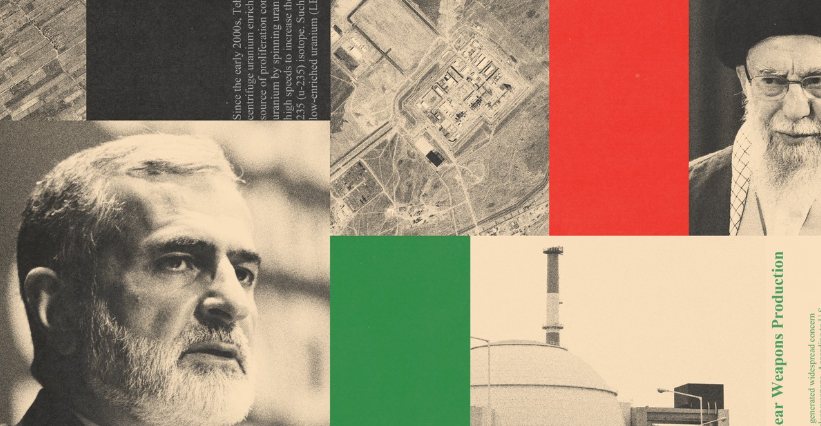
As the situation deteriorates, Iran has threatened to cease negotiations altogether, further complicating diplomatic efforts. The Bahraini interior ministry reported that a residential building suffered damage due to the latest Iranian offensive, underscoring the civilian impact of these military actions. The ongoing conflict indicates a deepening rift in US-Iran relations, with significant implications for regional stability.
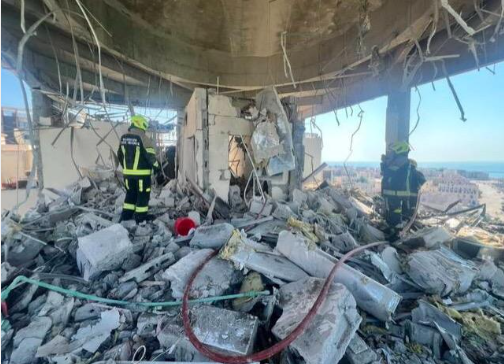
Iran Strikes has initiated a series of strikes Strikes on U.S targeting the U.S. Fifth Fleet base in Bahrain and another base in Kuwait, coinciding with increased tensions following recent U.S. airstrikes against Iranian assets. The Kuwait armed forces reported successfully intercepting and destroying two ballistic missiles launched early Sunday morning. In Bahrain, a residential building in the Muharraq Governorate was damaged but fortunately, no casualties occurred as a result of the Iranian attacks.
President Donald Trump, in response to these developments, indicated a willingness for the U.S. to take decisive military action, suggesting that Iran could face severe consequences if the conflict escalates further. This statement underscores the seriousness of the U.S. position amidst these provocations.

The backdrop of this escalation was a prior U.S. retaliation involving strikes on five Iranian targets, which aimed to address an earlier attack on an oil tanker. As Iran continues its drone and missile assaults on Bahrain and Kuwait, it has warned of a “complete halt” to negotiations aimed at resolving the ongoing conflict if U.S. attacks persist. This series of events marks a significant intensification of hostilities, threatening the fragile ceasefire agreement recently established between the two parties. The geopolitical landscape remains precarious as both nations navigate the perilous aftermath of these military exchanges.
Iran Strikes on the U.S.: What to Know
Iran Strikes The recent escalation Strikes on U.S in tensions between the United States and Iran centers on military confrontations in the region, particularly involving Iran Islamic Revolutionary Guard Corps (IRGC). In response to U.S. strikes on Iranian positions, the IRGC claimed to have targeted U.S. military sites in neighboring nations like Kuwait and Bahrain, exacerbating an already fragile agreement between the two countries.
The environment remains charged, with both parties showing little inclination to ease hostilities. U.S. President Donald Trump has issued warnings of further military action contingent on the continuation of Iranian aggression. Concurrently, the IRGC has signaled that any violations of a ceasefire could completely derail ongoing diplomatic efforts.
In the strategically vital Strait of Hormuz, the existing interim U.S.-Iran agreement appears ineffective, leaving commercial shipping operations in a state of confusion and threat. Ship operators are now navigating three distinct routes, each governed by different authorities, complicating maritime traffic management in the area.
Furthermore, Iran insists that any final agreement with the U.S. must include the withdrawal of Israeli forces from Lebanon, as ongoing conflicts with Hezbollah aggravate efforts for a peaceful resolution.

Iran Strikes on U.S The situation in the region remains highly tense, with the Bahraini Defense Force announcing the successful interception and destruction of multiple Iranian missiles and drones aimed at civilian targets. The interior ministry highlighted that relevant authorities are addressing the situation on-site. This incident follows a series of escalatory actions between Bahrain and Iran, particularly in the wake of a temporary agreement that was intended to halt ongoing hostilities.
President Donald Trump has reaffirmed his aggressive stance towards Iran, threatening severe consequences in response to Iranian attacks on military targets. These retaliatory measures were provoked by recent strikes on shipping routes within the strategically important Strait of Hormuz. The U.S. has also initiated efforts to reopen the strait, further complicating the situation and leading to increased military confrontations.
The Strait of Hormuz has long been recognized as an international passage, yet it is located within the territorial waters of Iran and Oman. Recently, Iran has conducted attacks on vessels traversing the Omani side of this maritime route, with support from a United Nations-led evacuation initiative. The Islamic Revolutionary Guard Corps (IRGC) has claimed responsibility for the missile and drone strikes targeted at U.S. assets in the region, including the Ali Al Salem airbase in Kuwait and the U.S. Fifth Naval Fleet stationed at Port Salman in Bahrain. This series of events highlights the deteriorating diplomatic relations and the potential for further military conflict in the area as the global community watches closely. Iran Strikes
Strikes on U.S Kuwait defense ministry reported that its armed forces successfully intercepted and destroyed two ballistic missiles at dawn on Sunday, without any damage or injuries. In retaliation for US attacks, Iran Revolutionary Guards claimed to have conducted strikes against military facilities in Kuwait and Bahrain, asserting that they targeted eight significant US military sites, including the Ali Al-Salem base in Kuwait and the Fifth Fleet naval base in Bahrain. This escalation follows accusations from both Iran and the US of violating a fragile ceasefire, complicating ongoing negotiations aimed at ending the Middle East conflict.

The US military had attacked various Iranian targets after a commercial tanker in the Strait of Hormuz was reportedly struck, further heightening tensions. President Trump condemned the Iranian missile and drone storage site attacks via social media, emphasizing the breach of the Cease Fire Agreement. Iran Strikes
Iran Strikes on U.S Iran maintains control over the Strait of Hormuz, a critical route for global oil and gas transport, and Foreign Minister Abbas Araghchi warned that any separate arrangements from those maintained by Iran would exacerbate complications and extend tensions in the region. The Ministry of Foreign Affairs in Iran condemned the latest US strikes, denouncing them as “brutal attacks” that violate the ceasefire established in the Memorandum of Understanding (MoU).
“Any enemy aggression, whatever the pretext, even against insignificant targets… will have a crushing response,” stated the Iranian Guards, marking a resolute position amidst escalating tensions. In mid-June, a memorandum of understanding facilitated by Pakistan was established, aiming to cease hostilities between the United States and Iran. This agreement mandated both nations and their allies to avoid initiating conflict and refraining from threats or military actions against one another.
Iran Strikes However, tensions escalated as the U.S. military conducted airstrikes on Iranian positions in the Strait of Hormuz. This was a retaliatory measure against an earlier Iranian attack on a tanker traversing this strategic waterway. Under the recent agreement, Iran consented to the safe passage of commercial ships, free of charge, for a period of 60 days in the Strait, urging a need for strict controls over maritime traffic. Noncompliance with their directives for navigation would face intensified repercussions, reflecting Iran insistence on protecting its maritime interests.
Strikes on U.S The U.S. response included airstrikes targeting a significant number of Iranian military locations, indicating a volatile cycle of retaliation. Trump rhetoric further inflamed the situation, as he issued multiple threats, including potential military actions that could devastate Iran, warning that “the Islamic Republic of Iran will no longer exist” if further provocations occurred. Discussions regarding an interim deal, which encompasses various aspects including shipping regulations and sanctions, remain complex and fraught with ongoing violence, notably in Lebanon, where skirmishes risk derailing the fragile agreement.

Analysts, such as Al Jazeera Resul Serdar Atas, emphasized that Iran views the Strait of Hormuz as a crucial asset in negotiations; they consider that allowing passage without repercussions would considerably diminish their negotiating power. Thus, both the U.S. and Iran face a precarious balancing act: while seeking to negotiate a cessation of hostilities, they remain entrenched in a militarized narrative that complicates the diplomatic landscape.
Iran Strikes on U.S. Military Sites in Kuwait and Bahrain
Kuwait and Bahrain have come under attack from Iran, which announced strikes on U.S. military targets in these countries following American airstrikes on its coastal facilities. Kuwait military reported that its air defenses are currently engaged in confronting missile and drone assaults. Bahrain Ministry of Foreign Affairs condemned these Iranian actions as aggressive and a dangerous escalation, stating that such attacks represent a systematic pattern of recurring aggression from Tehran.
Iran Strikes The response from neighboring Arab nations has been overwhelming, with both the United Arab Emirates and Qatar condemning the attacks as violations of sovereignty and international law. Saudi Arabia has also denounced these actions, framing them as threats to security and navigation in the vital Strait of Hormuz. This critical maritime route remains crucial for oil transport, and despite ongoing attacks, U.S. Central Command has reported that commercial vessel transits through the strait continue uninterrupted. Iran Strikes.

Following these events, oil prices have seen a decline, attributed to increased tanker movements through the Strait of Hormuz which alleviates supply concerns. Brent crude futures have settled down 4.34% to $71.99 per barrel, while U.S. West Texas Intermediate futures fell by 3.74% to close at $69.23 per barrel, marking the first time WTI futures fell below $70 since late February, just before the escalation in hostilities with Iran. Iran Strikes
Iran Strikes In response to the Iranian strikes, the U.S. military targeted various Iranian military infrastructures, including surveillance technology, communication systems, air defense installations, drone storage sites, and capabilities related to minelaying operations.
Iran Strikes on the U.S.: Escalation Amid Negotiations
Iran Strikes The recent escalation in hostilities between the U.S. and Iran has occurred despite a 60-day ceasefire agreement intended to facilitate negotiations to end their ongoing conflict. Both nations have accused one another of breaching the terms of this agreement. On Friday, following an accusation from President Trump regarding Iran “foolish violation,” the U.S. military conducted strikes against Iranian interests after a drone attack was launched by Iran at maritime targets, specifically a Singapore-flagged cargo ship named Ever Lovely, in the strategic waters off Oman. Iran Strikes.

Iran Strikes Central Command reported that the ship was allowed to proceed unimpeded through the strait, which is a critical route for global oil shipments. These renewed hostilities emerge just over a week after the signing of a memorandum of understanding by Trump and Iranian President Masoud Pezeshkian, which aimed to establish a foundation for a lasting peace agreement to resolve the conflict between the nations.
Pingback: Suns-Hornets Trade Grades: Is Miles Bridges the Missing Piece for Devin Booker? 29 June - internationalmediawire.com