Venezuela Oil: The U.S. oil company North American Blue Energy Partners (NABEP) is set to take control of several Venezuelan oilfields that were previously managed by Chinese and Russian firms, as confirmed by two U.S. officials. This transition is part of a broader oil production agreement announced by President Donald Trump. Alejandro Betancourt, a Venezuelan businessman, now oversees NABEP, which was initially owned by U.S. oil tycoon Harry Sargeant.
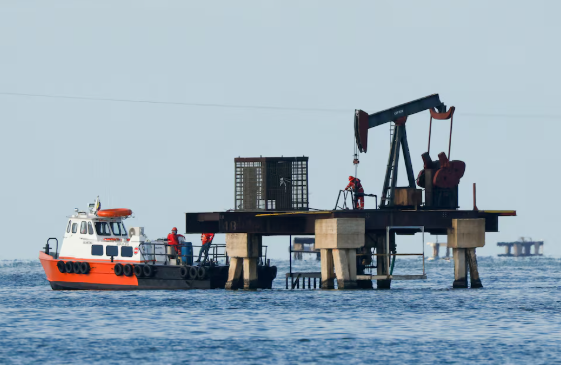
The White House indicated that this arrangement allows the U.S. government to have a 35% stake in the company, as well as preferential access to 20% of the production at cost, while also reserving the right of first refusal for the remaining 80% of production.
Trump administration revealed that the U.S. has negotiated access to approximately 64 billion barrels of Venezuela proven oil reserves through this deal, securing a foothold in key Venezuelan oil assets and sidelining previous Chinese and Russian interests that have historically dominated the country energy sector.
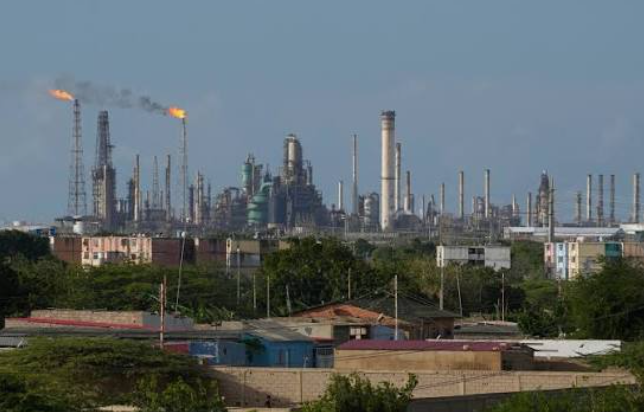
Key Takeaways (Venezuela Oil)
- North American Blue Energy Partners will take over several Venezuelan oilfields formerly run by Chinese and Russian firms under a new production agreement.
- NABEP, now controlled by Alejandro Betancourt, was granted 14 new projects and will control 17 projects to develop oil for U.S. markets.
- The arrangement gives United States direct influence over Venezuela oil, displacing foreign interests and securing access to an estimated 64 billion barrels.
This strategic shift is positioned to allow the U.S. to exert influence over Venezuela oil production and marketing, aligning more closely with American economic and geopolitical goals. Betancourt emphasized the potential benefits of this deal, proclaiming it would unlock the natural resources and capabilities of Venezuela, promising advantages for both Venezuelans and Americans, while also marking a significant change in the landscape of foreign involvement in Venezuela oil industry.
Venezuela Oil Last week, President Trump announced that the United States has secured access to approximately 64 billion barrels of Venezuela proven oil reserves through a newly established partnership with private enterprises. This agreement not only enables U.S. companies to gain a foothold in key Venezuelan oil assets, but it also effectively displaces previous Chinese and Russian interests that significantly influenced the country energy sector.
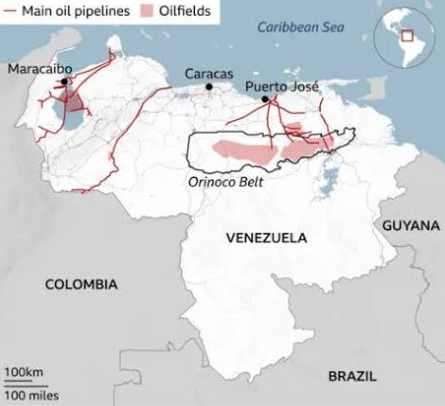
The arrangement empowers Washington to play a direct role in determining the production and sale of Venezuela oil resources, aligning these operations more closely with U.S. economic and geopolitical goals.
A crucial aspect of this partnership involves the U.S. obtaining veto power over the board and directors of the National Oil and Gas Partnership (NABEP), with the stipulation that a majority of the board members must be American citizens. NABEP is projected to oversee a total of 17 distinct projects in Venezuela, with plans to develop these initiatives to ultimately supply oil directly to the United States. Officials have indicated that 14 of these projects will be newly permitted by the Venezuelan government.
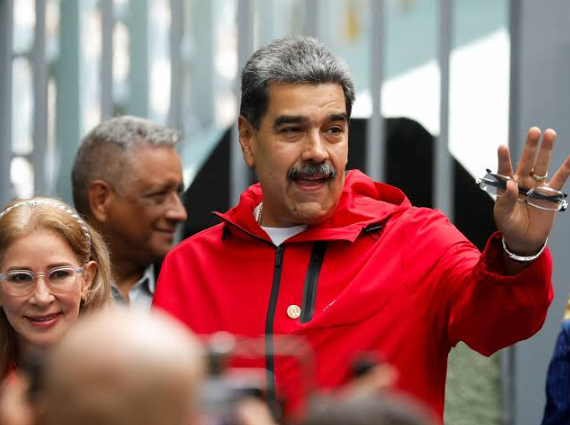
Among the newly granted projects, five were previously operated by Chinese firms under a framework established by former President Nicolas Maduro, alongside one that was managed by a Russian enterprise. Notably, two projects were handled by China Concord Resources, a company that faced sanctions from the U.S. in 2019 due to activities related to Iran. Other projects involved significant players such as Sinopec and the China National Petroleum Corporation.
In addition, two projects were associated with Alex Saab, a former affiliate of Maduro who is currently detained in the U.S. Legal landscape, while another oilfield has ties to Maduro wife, Cilia Flores, through her nephew. This strategic maneuver positions the U.S. not only to benefit from these oil opportunities but also to redirect the previously China-bound oil supplies into American markets.
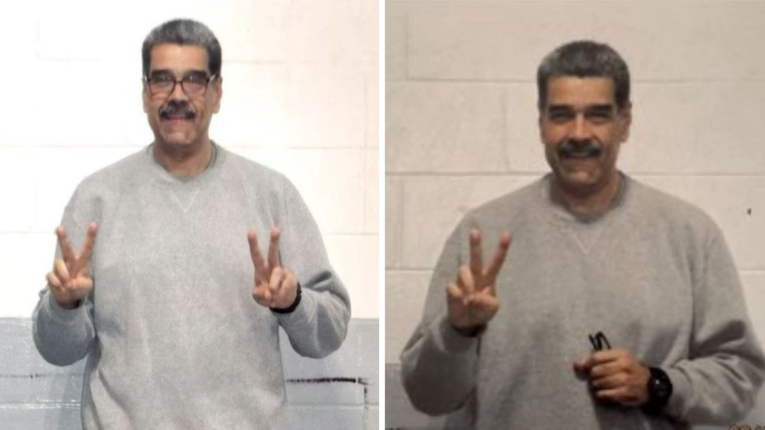
The document discusses the involvement of Chinese companies in various oil projects in Venezuela, under a model initially promoted by former President Nicolas Maduro. Out of 14 fields mentioned, five are operated by Chinese firms, including China Concord Resources, which faced U.S. sanctions for activities related to Iran.
Additional operations are attributed to Sinopec and China National Petroleum Corp. U.S. officials indicate that the U.S. is diverting oil previously sent to China to domestic refineries in Texas and Louisiana, with Trump emphasizing that millions of barrels are being transported.
The article outlines ongoing discussions between Venezuela interim authorities and representatives from the 2015 National Assembly, which is seen by the Trump administration as the only legitimate legislative body in Venezuela, despite lacking formal governing power.
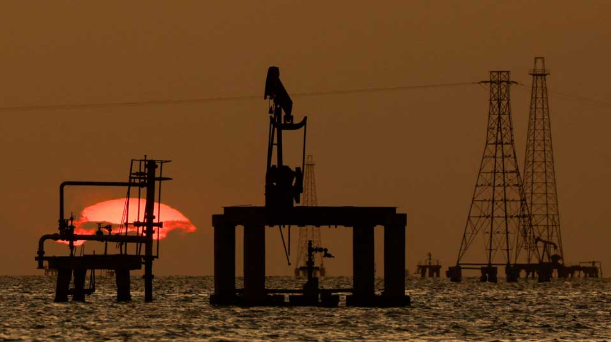
The officials believe that a potential agreement with this assembly could establish a constitutional and legal foundation for Venezuela broader transition, including vital economic decisions aimed at reviving the oil industry. The document also touches on connections between certain oilfields and individuals close to Maduro regime, including his wife nephew, hinting at the intricate ties within Venezuela oil sector and the international implications of their operations.
Pingback: Times Square: 1 killed, another hurt by knife-wielding woman in Times Square stabbing spree: suspect dead - internationalmediawire.com