Saudi Arabia on High Alert as Houthis Attacks: Saudi Arabia has issued broad security alerts across various regions, notably impacting the holy city of Mecca and the second-largest city, Jeddah, in response to a series of attacks attributed to Houthis Attacks fighters aligned with Iran. This escalation follows a week marked by heightened tensions and strikes that have drawn the nation further into the ongoing Middle Eastern conflict. Although the alerts were promptly lifted, Saudi authorities did not confirm whether any incoming projectiles had actually struck their territory, nor did they provide information on any claims of responsibility for the attacks.
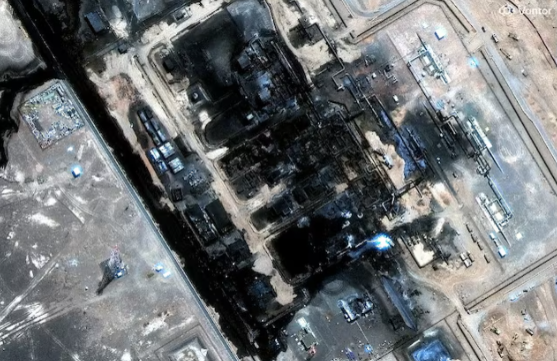
The situation highlights the precarious security landscape in the region and raises concerns about the potential for further violence. In recent developments in the Middle Eastern conflict, the alerts prompted have been the most extensive since the recent escalation of hostilities last week. Notably, the alarm in Mecca marks the first wartime alert in a city of immense significance to Muslims, housing revered shrines. The Iran-aligned Houthis Attacks have reportedly taken control of strategic areas along Yemen Red Sea coast, specifically overlooking the Bab el-Mandeb Strait, which is crucial for global shipping routes and particularly for Saudi oil exports that are being diverted from the already tense Strait of Hormuz.
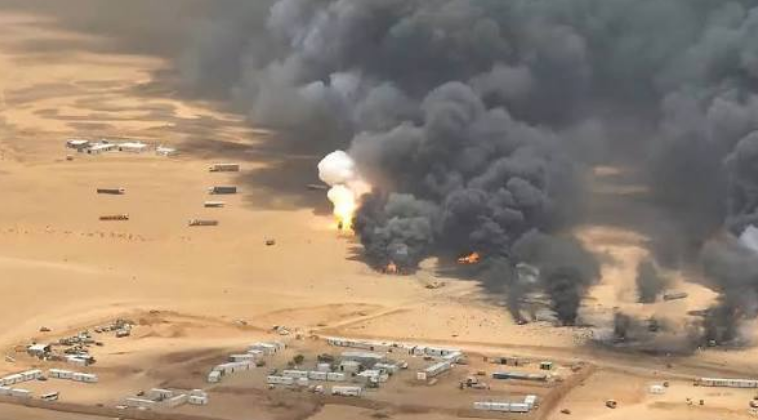
This intensifying conflict in various regions has bolstered Iran position in its ongoing war with the United States, which has seen shipping through the Strait of Hormuz dramatically decrease, thereby putting additional strain on global oil supplies. The convergence of these factors signals a potentially precarious situation for international energy security.The recent escalation of hostilities in the region has been marked by a series of significant Houthis Attacks on Saudi Arabia over the past week. These actions include a targeted strike on an air base, which the Houthis Attacks claim was a retaliatory measure against Saudi airstrikes on Yemen.
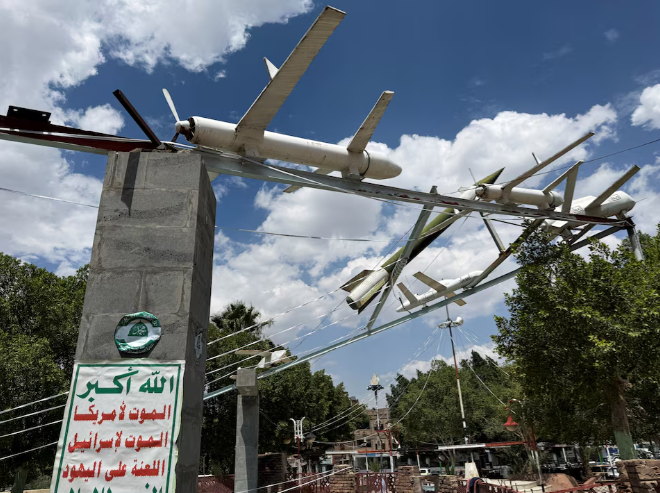
In a related incident, Saudi Arabia has attributed a separate attack that disrupted the critical East-West Pipeline an essential oil transport route to a different pro-Iranian group operating from Iraq. However, U.S. Energy Secretary Chris Wright reassured that the flow of crude oil through the pipeline is expected to resume within days. Additionally, a military coalition led by Saudi Arabia, engaged in combat against the Houthis in Yemen, reported that 13 civilians were injured as a result of the Houthis Attacks assaults on Saudi territory. The previous week also saw the Houthis executing a swift military campaign along Yemen western coastal region, which culminated in their takeover of an island strategically located at the entrance to the Red Sea.
New Oil Threat (Houthis Attacks)
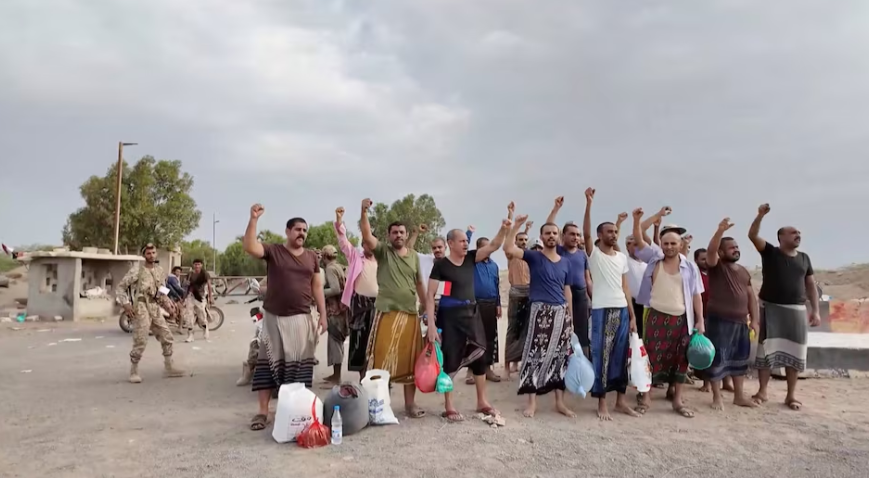
Saudi-backed Yemeni government officials have reported increased aerial bombardments by Saudi and Yemeni air forces in response to Houthi advances, particularly targeting areas near the Red Sea port of Mocha, recently captured by the Houthis Attacks. Despite these military efforts, Yemeni officials concede that the Houthis now effectively control nearly the entire western coast of Yemen along the Red Sea. This shift is significant as it impacts Saudi Arabia 1,200-km (745-mile) East-West Pipeline, a key export route for the Kingdom, linking its Gulf oil fields to the Red Sea.
The pipeline had been temporarily shut down following attacks, and traders warn that a prolonged closure could potentially disrupt as much as 4% of the global oil supply, further exacerbating the ongoing effects of the six-month conflict in the region. This scenario not only highlights the precarious situation in Yemen but also raises concerns about global oil market stability amid heightened tensions in the Middle East.

Houthis Attacks Riyadh has not specified when oil operations might resume following recent disruptions; however, Wright, speaking at a G20 energy meeting in Houston, anticipates a resumption within days. Saudi Arabia is reportedly taking measures to enhance oil transport out of the Strait of Hormuz, aided by U.S. military support. The emergence of Houthi forces in the Bab el-Mandeb strait, a strategic passage at the Red Sea entrance, exacerbates the risk to this vital export route. Consequently, oil prices have surged to levels not seen since May, with Brent crude futures surpassing $108 a barrel and the U.S. average retail price for diesel reaching a historic high of nearly $6.27 per gallon.
Simultaneously, the United Nations Security Council convened to address the escalating situation in the Bab el-Mandeb. Deputy U.S. Ambassador Jennifer Locetta articulated concerns that Houthi advances threaten global energy security, emphasizing that their maritime assaults have resulted in casualties among mariners and jeopardized international trade. Locetta called for the cessation of Iranian support for the Houthis, which contravenes existing UN arms embargoes. Saudi UN Ambassador Abdulaziz Alwasil denounced the Houthi militia for “militarizing international straits to blackmail the global economy,” signaling the potential for severe ramifications for global energy networks amid rising tensions in the region.
Americans Hesitant to Step In
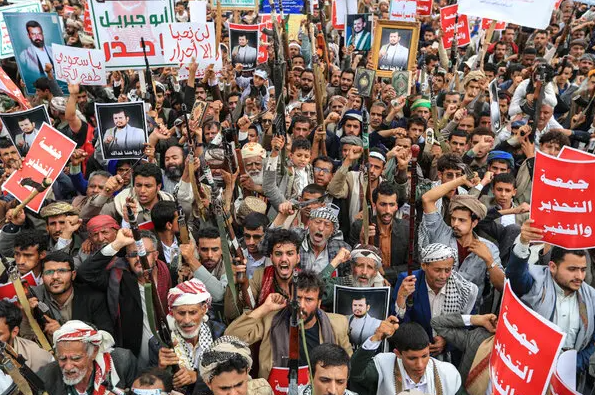
Houthis Attacks Saudi Arabia has spearheaded a coalition against the Houthis since 2015. Although a ceasefire led to a period of reduced conflict, hostilities resumed this month as the Houthis countered forces supporting the internationally recognized Yemeni government. The United States faces a strategic dilemma: it must decide whether to intervene militarily, potentially risking escalation and entangling itself in another protracted conflict, or to remain passive and possibly face repercussions that could threaten the global economy.
Recently, Saudi Crown Prince Mohammed bin Salman held talks with Egyptian President Abdel Fattah al-Sisi in Cairo, highlighting the importance of navigating and securing the Bab el-Mandeb Strait and the Red Sea. Additionally, the crown prince engaged with U.S. regional military commander Admiral Brad Cooper in Jeddah and communicated with President Donald Trump last week, requesting military assistance that has thus far been restricted to intelligence support.
Pingback: Houthi Saudi Conflict: Smoke and Flames Seen Near Riyadh Airport After Saudi Arabia Issues Air Raid Alerts - internationalmediawire.com