Trump pressure on NATO has begun to reshape European defenses, provoking questions about the future of the alliance. Despite confrontations, the U.S. has not effectuated a significant troop withdrawal; however, potential reductions remain under consideration according to Pentagon sources. NATO allies are bracing for a reality where they are less reliant on the U.S. military presence.In Romania, the Mihail Kogalniceanu Air Base, built to accommodate American troops and symbolically named after states and figures from U.S. history, saw the exit of approximately half of its 2,000 personnel last year, part of a broader realignment of the U.S. military footprint in Europe.
This departure raised concerns given Romania proximity to Ukraine, especially as Russian drones have violated NATO airspace.During a Reuters visit in July, the narrative surrounding U.S. military involvement showed complexity; although troop numbers had decreased, U.S. KC-135 Stratotankers were stationed at the base, engaged in refueling operations for military jets amidst ongoing tensions with Iran. The continued presence of these support aircraft indicates that the U.S. remains significantly reliant on its European facilities, which underscores NATO strategic relevance, even as the political landscape evolves under President Trump directive.
The paradox at the core of Donald Trump dealings with NATO involves his threats to reduce troop deployments while simultaneously supporting investments in critical military facilities. Despite vocal criticism towards European allies regarding defense spending and their stance on the U.S.-Israeli conflict with Iran, a Reuters investigation indicates that the Trump administration continues to utilize key NATO installations for strategic power projection not only in Europe but also in the Middle East and further.To evaluate the impact of Trump confrontational approach on NATO, Reuters conducted interviews with over 50 individuals, including current and former U.S. officials, military personnel, diplomats, and defense analysts.
Their findings show a NATO alliance experiencing tension, yet still intact. Notably, bipartisan support from both congressional Republicans and Democrats, as well as influential U.S. defense contractors with extensive European ties, provides significant political backing to prevent a U.S. exit from NATO a scenario that Trump has frequently suggested. The report also involved on-site observations at NATO bases in Romania and Estonia, in addition to monitoring military exercises off the coast of North Carolina, further emphasizing the operational commitment to NATO collaboration amidst the political strains introduced by the Trump administration.
Trump recent critiques are severely undermining the 77-year-old transatlantic alliance, raising concerns among both European and American strategists about America reliability as a security partner. This shift in perception is influencing defense spending, weapons acquisition, and long-term security strategies throughout Europe. Interviews reveal a notable decline in trust within NATO, jeopardizing the effectiveness of Article 5 the collective defense pledge where an attack on one member is regarded as an attack on all.
The weakened status of NATO, under the leadership of a perceived unreliable U.S., poses a significant threat to Europe security, especially in light of an assertive and expansionist Russia at its eastern borders. The ramifications of a faltering NATO could be catastrophic for European stability and defense.As military spending increases across NATO, at least eight member countries, including Canada, Poland, Denmark, and Spain, are starting to shift away from U.S. weapons, technology, and defense companies.
This shift could indicate that former President Trump efforts to urge Europe to increase its defense spending may inadvertently lead some allies to decrease their reliance on American defense contractors and military technology. J.C. Lintzenich, a former senior U.S. military intelligence official, noted that while Europe increased defense spending and responsibility can be seen as a success, it comes with considerable uncertainty. He highlighted concerns among European nations about the possibility of the United States abandoning its commitments to them.
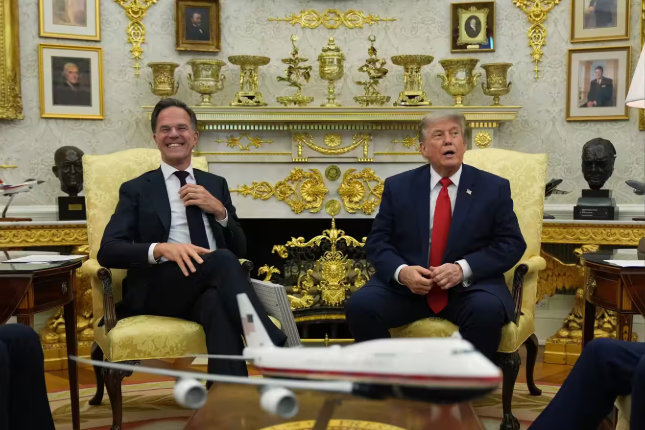
“President Trump has accomplished more for NATO than any previous leader,” stated White House spokesperson Olivia Wales, emphasizing his commitment to promoting American interests. While Trump has claimed responsibility for increased European defense spending, this surge has also been driven by Russia invasion of Ukraine in 2022, which has caused immense destruction, loss of life, and a refugee crisis across Europe. U.S. Ambassador to NATO, Matthew Whitaker, echoed this sentiment, noting that strong alliances require accountability among allies. NATO Secretary General Mark Rutte has similarly acknowledged Trump role in enhancing defense budgets within the alliance.
However, Trump influence over NATO faces substantial challenges. Reports indicate that U.S. Defense Secretary Pete Hegseth intended to propose a reduction of about 25,000 U.S. troops in Europe prior to heading to a NATO ministerial meeting in Brussels. This reduction could have lowered U.S. troop levels below the congressionally mandated minimum of 76,000, which was established last year. Resistance from within Trump administration led Hegseth to arrive in Brussels with a crucial message for allied defense ministers: the Pentagon would undertake a six-month assessment of America military presence in Europe, focusing particularly on countries that hesitate to support U.S. initiatives. Hegseth characterized this review as substantial, warning that some nations may not pass the scrutiny.

In August, the Pentagon prepared a confidential document consisting of 57 questions directed at its allies, aiming to assess their military, financial, and ideological commitments to the United States. This initiative has emerged from an ongoing examination of the U.S. role in Europe, highlighting significant concerns regarding the consequences of any potential reduction in U.S. involvement on its military effectiveness. Senior congressional aides from both political parties expressed increasing bipartisan skepticism about the management of NATO, specifically referencing the handling of this situation by an official named Hegseth.
Some aides indicated that there was apprehension among senators about possible Pentagon announcements that could negatively affect NATO alliances or pose risks to U.S. national security, emphasizing the delicate balance the U.S. must strike in its European commitments.The ongoing force review may result in a proposal by Hegseth for a reduction of 25,000 troops, mirroring a plan he aimed to announce in June. The White House described the six-month review as a means to maintain “irreversible momentum toward a European-led defense of Europe.” While the Pentagon and Hegseth did not provide comments, a senior Pentagon official characterized the review as serious, rigorous, consultative, and empirical.
The U.S. currently maintains over 81,000 military personnel in Europe, a figure that varies with troop rotations for deployments and exercises. Historically, before Donald Trump initial presidency in 2017, the average U.S. troop presence in Europe was approximately 65,000. This number increased to 74,000 during Trump first term and peaked at 105,000 after Joe Biden took office in response to Russia invasion of Ukraine in 2022. By the time Trump returned to power in 2025, troop levels had reverted to about 81,000.
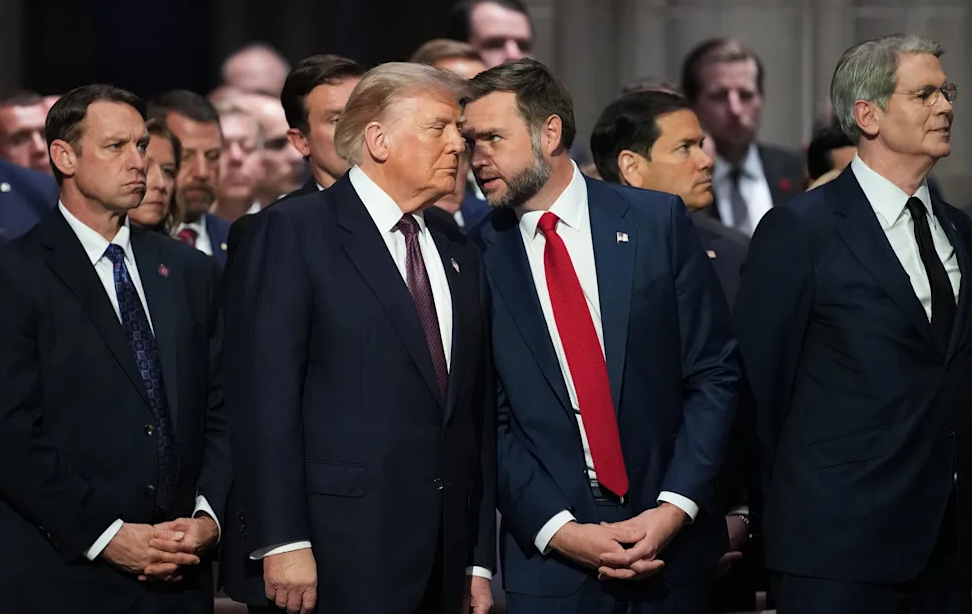
The discourse surrounding NATO reflects Trump broader strategy of redefining the international order established post-World War Two, focusing on a transactional “America First” doctrine that prioritizes U.S. dominance over existing treaties and multilateral relationships. Previous reports from Reuters have highlighted Trump impact on global governance, including imposing rigorous sanctions on the International Criminal Court and undermining the structure of U.S. diplomacy by diminishing the effectiveness of embassies and adopting confrontational tactics towards both allies and adversaries.
Troops and Trust
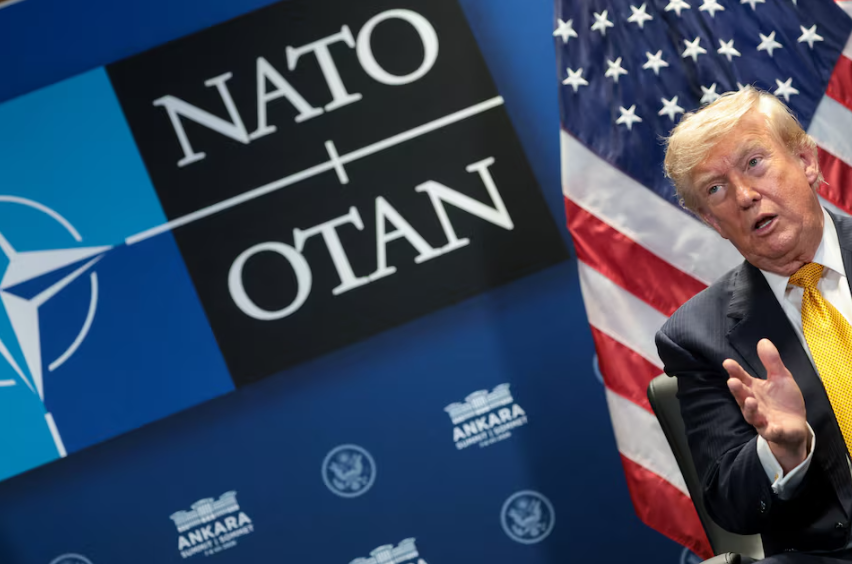
The article discusses the implications of President Trump demands for higher defense spending among NATO allies, which culminated in a seemingly successful summit in Ankara in July. However, the Pentagon ongoing review creates uncertainty around the alliance future, particularly concerning a potential U.S. troop drawdown. Some European officials express confidence in NATO military leadership to navigate this challenge, while others are concerned it could lead to competition among nations for favor from Washington.
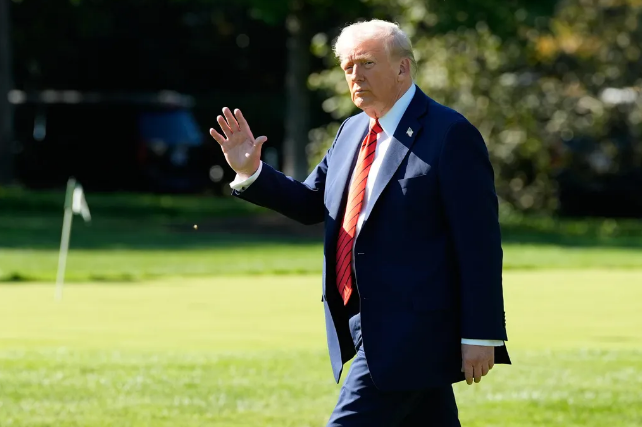
Romania and Poland have actively sought to retain American soldiers on their soil, viewing their presence as a crucial deterrent against threats.The article also highlights America reliance on European geography in military operations, citing a situation where Italy initially denied U.S. aircraft access to a base in Sicily but later allowed significant military activity through its territory. Trump criticism of Italian Prime Minister Giorgia Meloni for restricting U.S. operations showcases the tensions in these international military relations.
Since its inception in 1949, NATO has been pivotal in establishing U.S. military presence in Europe, allowing the projection of power and forming a united front of democratic allies. This partnership has provided Europe protection from adversaries, fostering an era of unprecedented peace and prosperity.
Europe is spending more, taking defense more seriously, and accepting greater responsibility – that is a real success. But there is also genuine concern in Europe that the United States could abandon them.
For many generations, the U.S. alliance system had wide bipartisan support, but this was not the case for President Trump, who has consistently argued that other nations take advantage of U.S. military protection. In a CNN interview in 1987, he expressed frustration over countries “ripping off” the U.S., a sentiment echoed during his 2016 presidential campaign when he insisted that NATO allies must either increase their defense spending or risk the dissolution of the alliance. He proposed raising this spending from the currently agreed 2% of GDP to 4%, calling for 5% as he returned to office in 2025, asserting that he wouldn’t defend nations that do not pay their fair share.
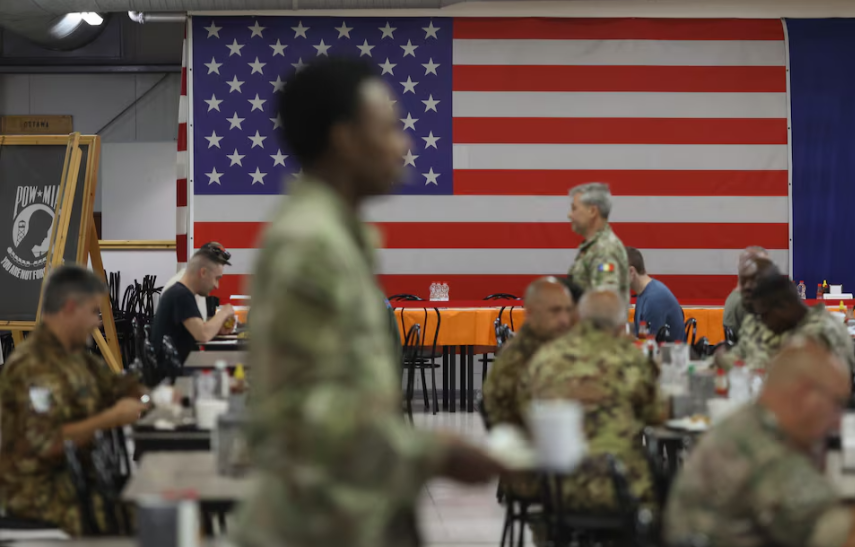
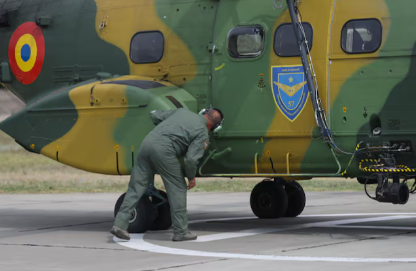
In 2025, European allies and Canada were reported to spend only 2.3% of their combined GDP on defense. Nevertheless, except for Spain, these nations committed to increase their defense budgets to 5% by 2035. Kay Bailey Hutchison, a former Republican senator and Trump NATO ambassador, echoed concerns that Trump prioritizes relationships with rival nations like Russia and China over traditional alliances, stressing the importance of allies in countering adversaries such as China.
Despite criticisms of NATO, Trump maintained funding for critical military bases in Europe during his second term. Facilities in Spain, such as Naval Station Rota and Moron Air Base, remain pivotal for U.S. military presence in the Atlantic and Mediterranean. The U.S. also plans to expand Mihail Kogalniceanu Air Base in Romania as part of a $2.7 billion project to enhance NATO infrastructure in Europe.
Tensions arose with Britain limited support for U.S. military actions; however, substantial investments were made in several British air bases to support American military operations. Despite Trump rhetoric against NATO, experts warn his anti-alliance language signals potential vulnerabilities to adversaries, with officials expressing concerns that such statements might embolden Russian aggression.
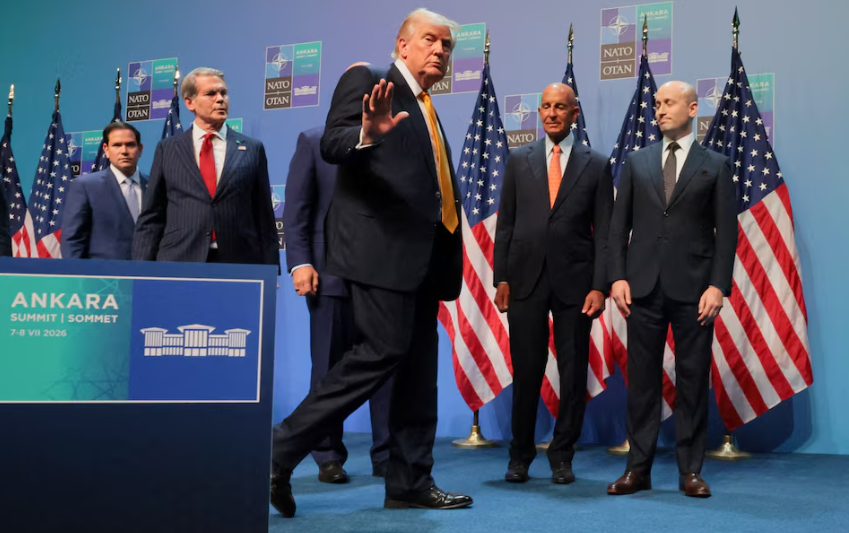
Recent incidents, including drone attacks and missile threats against NATO allies, reflect ongoing tensions. European officials attribute these provocations to Russia attempts to weaken support for Ukraine and challenge NATO unity. Romania defense capabilities came under scrutiny during a wave of Russian drone incursions, demonstrating both the challenges faced internally and the necessity for strong alliances.
Uncertainty looms over Washington expectations from NATO allies. Countries like Poland and Germany are increasing defense expenditures, yet face possible troop reductions from the U.S. Surprisingly, the internal U.S. defense dialogues have suggested punitive measures against allies deemed disloyal, such as the proposed suspension of Spain from NATO due to its reluctance to support military actions against Iran, even though no formal mechanism exists for such a suspension. Allies approached recent summits with anticipation of conflict but were met with Trump mixed messages of critique and praise towards NATO.
Europe and Canada Look Elsewhere
Across NATO, countries are rapidly increasing their defense spending and seeking alternatives to U.S. military technology due to uncertainties regarding American support, exacerbated by Trump rhetoric and the war in Ukraine. NATO European members and Canada raised their defense budgets by 20% in 2025, with Trump claiming that this would benefit U.S. defense contractors significantly. Despite this, at least eight NATO members, including Canada and Germany, are exploring reduced reliance on U.S. weapons, driven by a perceived decline in U.S. reliability as an ally, especially after Trump reelection.
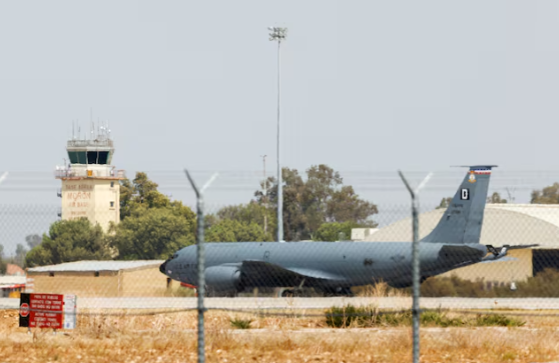
Wendy Gilmour, a former NATO official, noted that many NATO members viewed Trump first election as an anomaly but are now reassessing their defense strategies. While some nations lack the capability to fully replace advanced U.S. military technology, countries like Canada and Poland are increasingly purchasing non-U.S. equipment. This shift is causing concern in the Pentagon, emphasized by Colby, the Pentagon policy adviser, who advocates for cooperation within the U.S. defense industrial base.
Tensions are also evident in U.S.-Canada relations, particularly as Canada opts for non-U.S. procurement options like an Australian-made radar system. This has raised questions from Pentagon officials regarding Canada commitment to mutual defense initiatives, especially with potential purchases of Swedish equipment instead of U.S. offerings like the F-35 jets.
European officials express worries that these procurement choices might impact the U.S. defense industry, potentially costing billions. Gijs Tuinman, a former Dutch arms procurement minister, highlighted how anti-Trump sentiment might encourage European nations to reconsider their participation in U.S. defense programs.
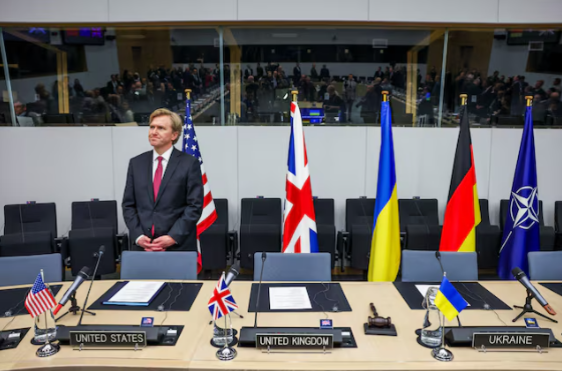
Despite Lockheed Martin reporting strong demand for its products among NATO members, the shift away from U.S. military integration may take considerable time, given the lengthy processes involved in building manufacturing capabilities and developing new weapons systems. European leaders increasingly recognize the risks of relying solely on the U.S. for their defense, a sentiment echoed by Chris Chivvis, a former U.S. intelligence officer for Europe.
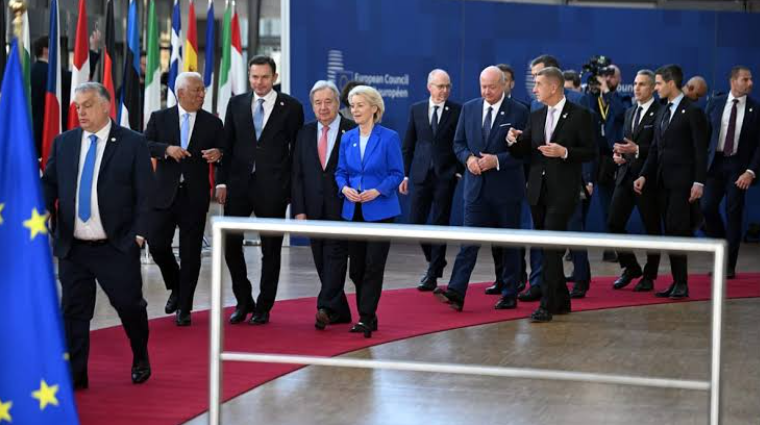
The changing landscape is encapsulated by European Commission President Ursula von der Leyen recent address, which notably omitted mentions of the U.S. and called for a reimagining of European partnerships. She also extended an invitation for Canada to become the EU first “associate member,” indicating a desire for closer collaboration on defense and trade amidst a shifting international order.
Europe Revolts
European governments publicly assert confidence in NATO unity despite strains among member states, with countries like Portugal, Norway, Germany, and Spain highlighting the importance of the U.S. as a key ally. Norway emphasizes the U.S. role, while Portugal insists NATO existence hinges on American involvement. Germany acknowledges that U.S. contractors play a crucial role in military procurement. Nonetheless, European officials express concern about the effectiveness of NATO deterrent capabilities, fearing that adversaries like Russia may not believe the U.S. would intervene to protect Europe.
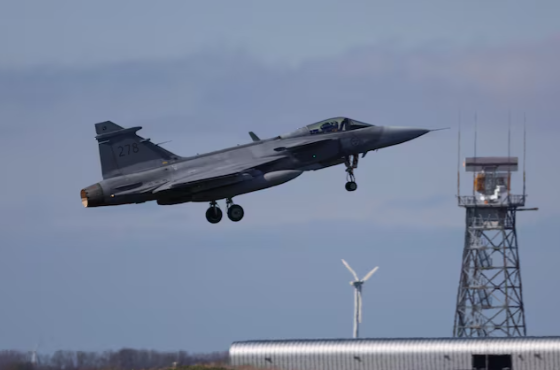
Recent surveys reveal a growing skepticism among Europeans regarding U.S. commitment to defense, alongside a rising favorability towards China in key NATO nations. Senator Jeanne Shaheen notes a significant decline in trust linked to perceptions of President Trump reliability. This distrust is particularly fueled by Trump controversial ambitions regarding Greenland, which some critics argue represent a departure from rational U.S. foreign policy. Former Canadian national security advisor Jody Thomas reflects on the shifting dynamics, indicating a departure from the United States that traditional allies once knew, as exemplified by Trump public displays of interest in Greenland, further complicating NATO collective security framework.
Is NATO ready to fight? The Ukraine war is raising doubts among military analysts
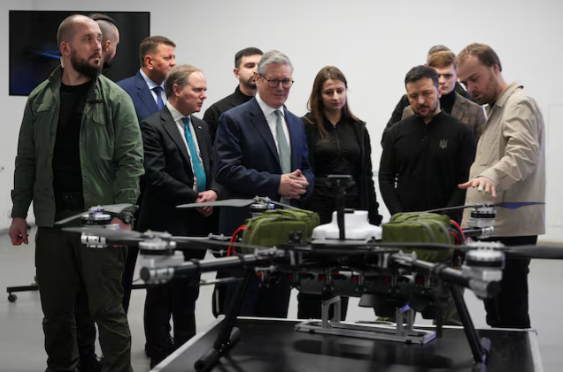
The ongoing war in Ukraine, driven by Russia invasion, raises pressing questions about NATO preparedness for future conflicts. The conflict has reportedly resulted in the deaths of hundreds of thousands and has become a testing ground for emerging weapon systems. According to five defense officials, the rapid evolution of battlefield dynamics is outpacing NATO traditional approach, which involves lengthy timelines for developing and acquiring military capabilities, as opposed to Ukraine ability to adapt quickly.
In response to the war and U.S. pressure, many NATO countries have notably increased their defense budgets. The Pentagon is currently reassessing its military posture in Europe amid criticisms that some allies have been overly reliant on U.S. defense capabilities while failing to contribute adequately. Ukrainian defense expert Denys Shtilerman highlighted the diminishing value of tanks in modern warfare, citing the effectiveness of drones that can destroy them at a fraction of the cost. This transformation calls into question NATO ongoing investment in traditional armored vehicles.
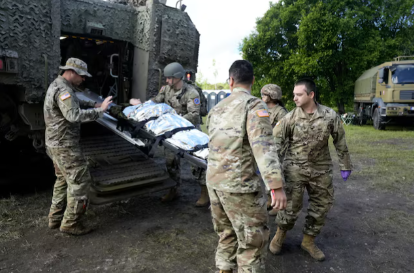
Military training exercises conducted by NATO, such as one in Estonia, assumed control of airspace which is no longer guaranteed due to advances in drone technology. Ukrainian officials are asserting a more prominent role in guiding NATO understanding of modern warfare, despite facing challenges with NATO bureaucratic processes and outdated training materials, some of which reference World War II scenarios.A significant vulnerability has been highlighted in the area of air and missile defense. Russian attacks on Ukrainian urban centers have underlined Europe reliance on U.S. systems like the Patriot missile defense, which Ukraine currently lacks sufficient interceptors for.

In a bid to address this strategic weakness, European nations are developing alternative systems, such as the French-Italian SAMP/T-NG air defense system, with anticipated delivery to Ukraine next spring.Furthermore, Ukraine has initiated an air-defense coalition with nine European allies and embarked on a new anti-ballistic missile system project named Freyja. The objective is to create a more cost-effective and quicker-to-produce system than the Patriot, ensuring European control over its manufacture. Shtilerman emphasized that for substantial investments in air defense, Europe must achieve strategic independence in its security matters. The collaboration underscores the reciprocal learning opportunities between Ukrainian forces and NATO, with a focus on countering the sophisticated drone and missile threats posed by Russia.
Pingback: Donald Trump Jr. Trump Claims Son Repaid Putin Ally After Russian Oligarch Funded Wedding Festivities - internationalmediawire.com