Chinese President Xi Jinping has announced new initiatives aimed at enhancing cooperation among the “Greater BRICS” nations, which include emerging economies. This announcement was made during a recent event focused on expanding Beijing influence on the global stage. The initiatives target diverse sectors, including artificial intelligence, trade, and overall economic collaboration, with the intention to strengthen ties within the bloc. Key areas of focus for the BRICS grouping encompass political, security, economic, and financial cooperation.
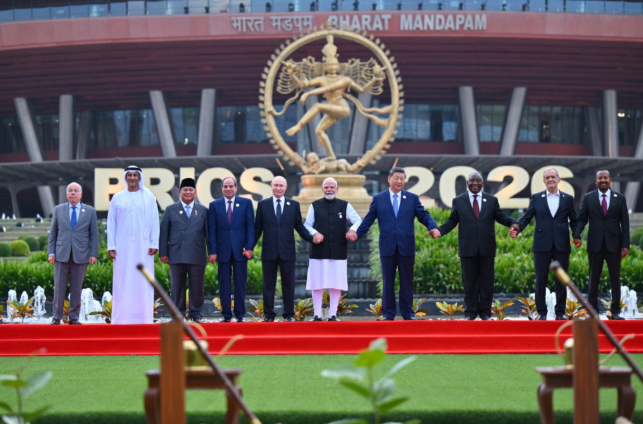
India, set to chair the grouping in 2026, and China, taking over in 2027, are actively seeking to expand their partnerships to enhance their collective global standing and influence. This strategic push reflects China desire to create a functional platform for development within the Global South, positioning BRICS as a more significant player in the international arena.
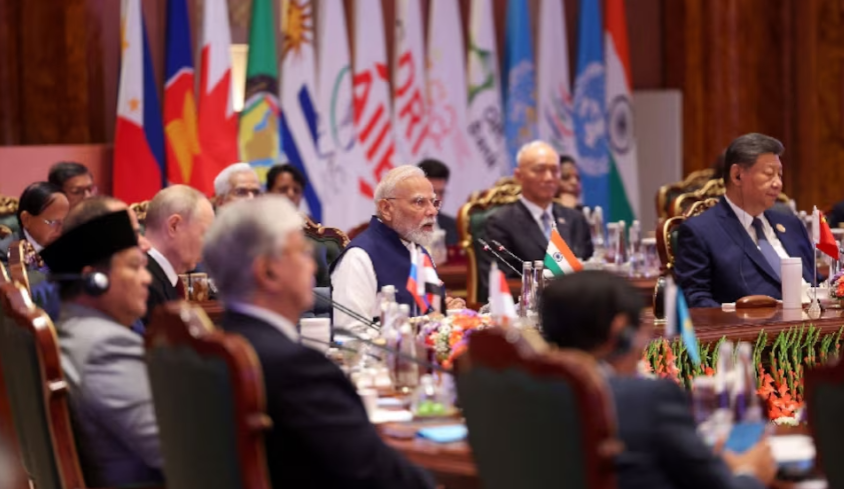
The “Greater BRICS Initiative,” as articulated by Xi Jinping during the annual summit in New Delhi, is centered on establishing robust groundwork for pragmatic collaboration among member nations. Xi Jinping emphasized the necessity for the “Greater BRICS” countries to enhance cooperation, ensure the stability of industrial and supply chains, and foster a unified market.
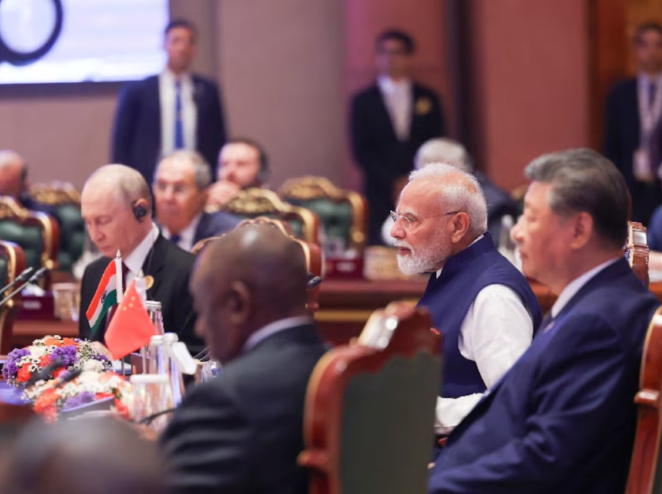
A notable projection was China commitment to spearheading the creation of a BRICS AI Open Source Zone, aimed at facilitating collaboration on large language models, AI training, and an open AI ecosystem. Furthermore, Xi Jinping proposed the establishment of a BRICS Special Economic Zone partnership and announced that China would host a BRICS Service Trade Forum in the upcoming year to strengthen trade and investment relations among member states.
Expanded Role for the “Greater BRICS” Grouping (Xi Jinping)
BRICS has recently expanded its membership to include five new countries: Iran, Indonesia, Egypt, Ethiopia, and the United Arab Emirates, in addition to the original founding members—Brazil, Russia, India, China, and South Africa. This expansion reflects a strategic aim to reshape a global order historically dominated by the United States, enhancing the group influence and fostering cooperation among emerging economies.
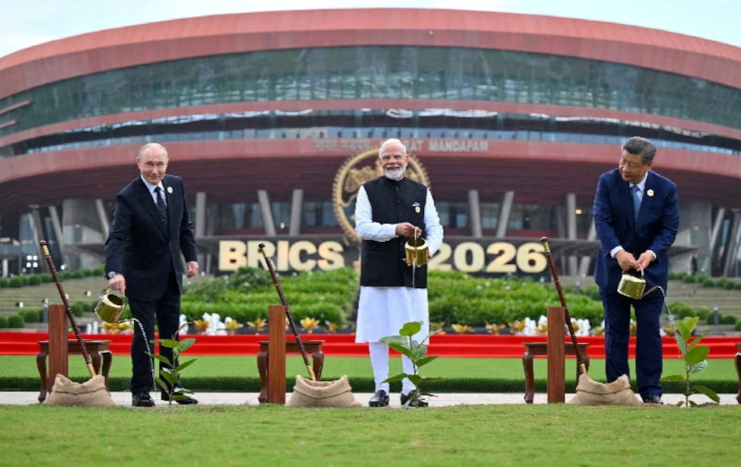
Furthermore, BRICS now encompasses ten partner countries from various regions, including Asia, Africa, Latin America, and the Middle East, which broadens its global reach and enhances its representation of the Global South. Collectively, China and Russia occasionally refer to this larger coalition as “Greater BRICS,” highlighting the evolving dynamics and potential of this expanded grouping in international relations.
BRICS Helps Build a Fairer World Order, Putin Says
In recent statements, Indian Prime Minister Narendra Modi emphasized the importance of ensuring that the solutions developed within the BRICS framework are not restricted to its member nations, but instead are tailored to serve the needs and interests of the Global South. He highlighted the necessity for inclusivity and adaptability in BRICS initiatives.
Concurrently, Russian President Vladimir Putin characterized BRICS as a significant catalyst in the pursuit of establishing a new, equitable, and multipolar world order. He called upon the member countries to leverage their individual economic strengths in a synergistic manner, fostering collaboration that maximizes the competitive advantages each nation brings to the table. The overarching message from the leaders centers on the potential of BRICS to not only support its members but also to influence global structures toward fairness and representation for developing nations.
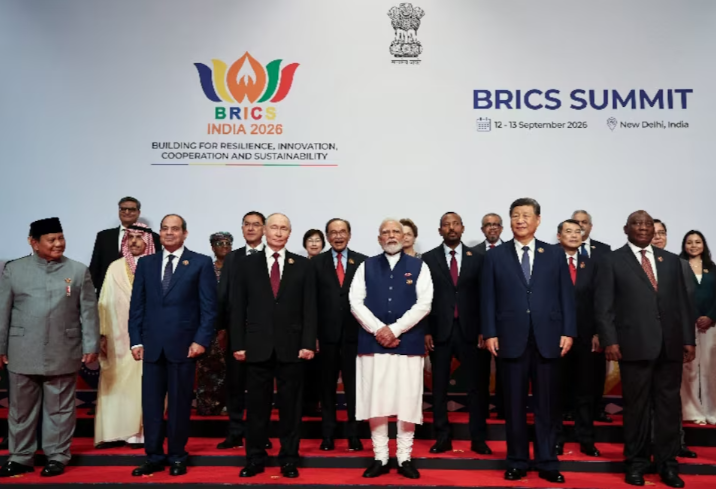
The summit, occurring amidst escalating tensions in the Gulf region marked by reciprocal attacks between the United States and Iran, alongside assaults by Iran-backed Houthis on Saudi Arabia, achieved a significant diplomatic milestone. On Saturday, a consensus was reached on a joint declaration, supported by both Iran and the UAE, expressing serious concern over the ongoing escalation of conflict in the Middle East and advocating for maximum restraint.
Additionally, Iranian President Masoud Pezeshkian held discussions with the Crown Prince of Abu Dhabi on the summit sidelines this being the highest-profile meeting between officials from the two nations since the conflict onset. Their talks covered a variety of topics, focusing on de-escalation efforts, regional stability, and the promotion of peace and development in the area.
Summary
- Xi Jinping calls for BRICS Special Economic Zone, forum on service trade
- Xi Jinping urges stable industrial, supply chains for integrated market
- Modi urges BRICS solutions applicable across Global South
- Putin calls BRICS a driver of a fairer multipolar order