Hormuz Crisis Threaten Global Supplies: Oil prices have surged to over $108 per barrel due to escalating tensions in the Middle East, particularly following drone attacks orchestrated from Iraq that led to the closure of Saudi Arabia critical east-west crude pipeline. This pipeline is vital as it transports about 4% of the global oil supply. Saudi traders have warned that if the pipeline remains closed, the kingdom could face a complete depletion of its oil stocks allocated for export within a matter of days. In addition to soaring oil prices, there has been a noticeable increase in gas prices.
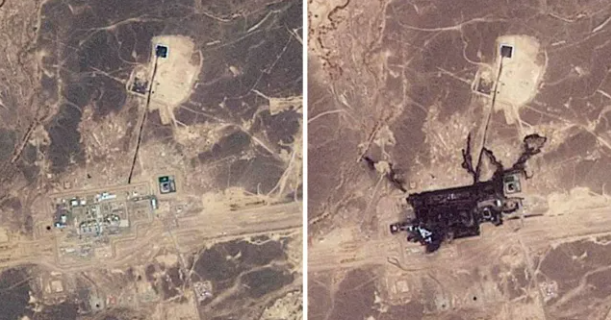
The year has already seen significant spikes in energy prices, exacerbated by conflicts involving the US and Israel against Iran, which have caused substantial disruptions in oil and gas supplies throughout the region. The situation worsened as Iran-aligned Houthi forces in Yemen intensified their military actions against Saudi Arabia, including a significant seizure of the strategic island of Perim in the Bab al-Mandab strait, thereby strengthening their grip on this critical waterway.
Hormuz Crisis Threaten Global Supplies On Monday, oil prices remained approximately 1% higher amid increasing concerns over the stability of energy supplies following fresh strikes on Saudi energy infrastructure. Additionally, attacks on maritime vessels in the Middle East further intensified supply fears, contributing to fluctuating market dynamics. During the trading session, crude benchmarks experienced spikes of nearly 5% but later retracted after remarks from U.S. President Donald Trump indicated a potential willingness from Iran to negotiate with Washington. This volatility highlights the complex interplay of geopolitical factors affecting the global oil market.
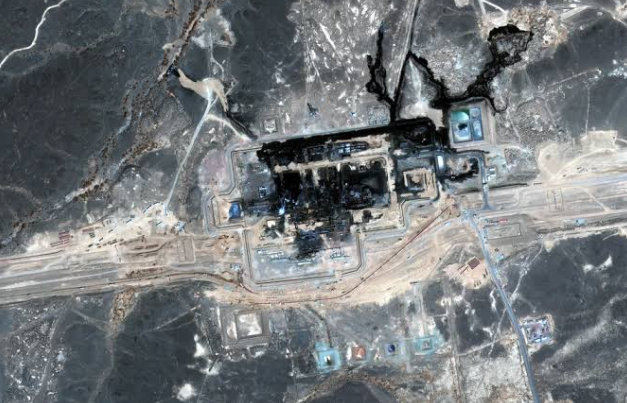
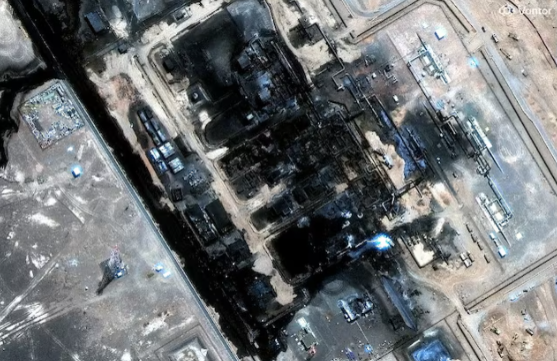
Brent futures increased by $1.07, or 1.0%, closing at $105.68 per barrel, while U.S. West Texas Intermediate (WTI) crude gained $1.34, or 1.3%, ending at $101.39. This rise in oil prices is attributed to escalating geopolitical tensions, particularly following attacks by Yemen Iran-backed Houthis against Saudi Arabia. The Houthis launched a significant offensive targeting a military airbase in Khamis Mushait, utilizing missiles and drones to strike aircraft hangars, radar systems, runways, and ammunition depots in retaliation for Saudi airstrikes in Yemen. Their recent territorial advancements include the capture of Perim Island, located at the mouth of the Red Sea. Hormuz Crisis Threaten Global Supplies
Adding to the instability, a separate attack attributed by Riyadh to Iran-backed fighters in Iraq disrupted Saudi Arabia east-west oil pipeline, which is crucial for enabling Gulf oil exports to circumvent the increasingly blockaded Strait of Hormuz. This incident endangers approximately 4% of the global oil supply, heightening concerns over global oil markets, especially since prior to the U.S. and Israel strikes against Iran in late February, around 20% of the world oil supplies transited through the Strait of Hormuz.
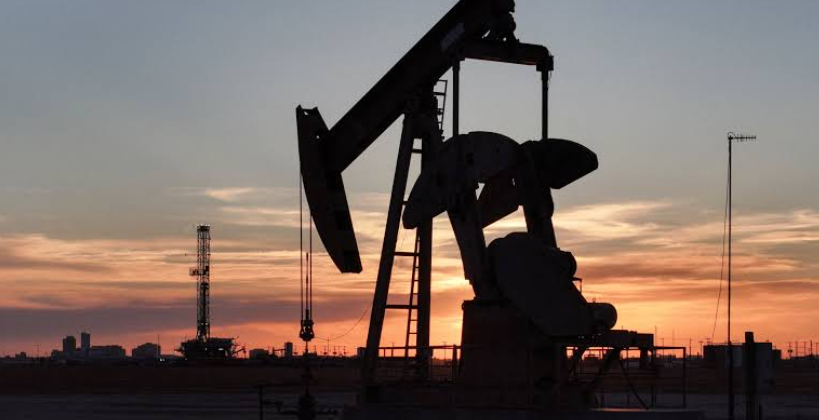
With the east-west pipeline now non-operational, the Red Sea port of Yanbu is reliant on storage reserves, which are projected to support exports for only five to seven days, as reported by three industry sources. The unfolding events contribute to a climate of significant uncertainty surrounding oil supplies in the Middle East.
Where did the attack on Saudi Arabia come from?
The attack on Saudi Arabia originated from Iraqi territory, as confirmed by Iraq government, which has initiated an investigation into the incident. Baghdad is facing increasing pressure to prevent militant groups, particularly those supported by Iran, from conducting attacks on Gulf nations from within its borders. In response to the attacks, US President Donald Trump expressed his belief that Iran was responsible for the assaults.
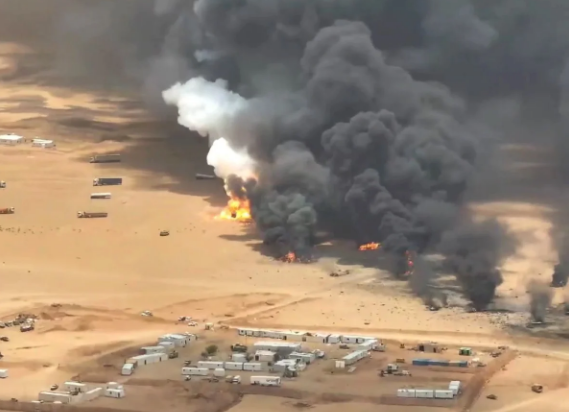
Why has Saudi Arabia been relying on its east-west pipeline? (Hormuz Crisis)
Hormuz Crisis Threaten Global Supplies Saudi Arabia reliance on its 745-mile east-west pipeline has significantly increased since the onset of the war with Iran. This strategic move allows the country to circumvent the risks associated with potential closures of the Strait of Hormuz, a critical chokepoint for oil shipments. As the world largest oil exporter, Saudi Arabia has utilized this pipeline to reroute approximately 4 million barrels per day, which represents about 4% of global oil supply.
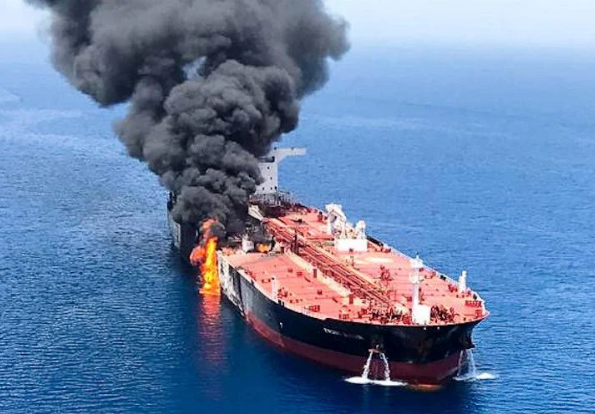
However, there are notable concerns: with the pipeline currently out of service, the Red Sea port of Yanbu is now only equipped to sustain exports for a limited duration of five to seven days, raising alarms about the sustainability of international oil supply amidst these geopolitical tensions. Hormuz Crisis Threaten Global Supplies
Pingback: Saudi Arabia Raises Security Alerts as Houthi Attacks Intensify Across the Kingdom - internationalmediawire.com
Pingback: House Votes for Third Time to End Iran War as Trump Faces Growing Congressional Pressure - internationalmediawire.com