Saudi Arabia has temporarily closed a vital Oil Pipeline after it was attacked by drones that were launched from Iraqi territory, indicating an escalation in regional conflicts. Following the attack, Iraq has taken action by dismissing a military commander and initiating an investigation into the incident, admitting that the assault on Saudi Arabia East-West pipeline originated from one of its provinces adjacent to Iran. Previously, Saudi Arabia has accused Iran-supported militias in Iraq of conducting attacks on its oil installations.
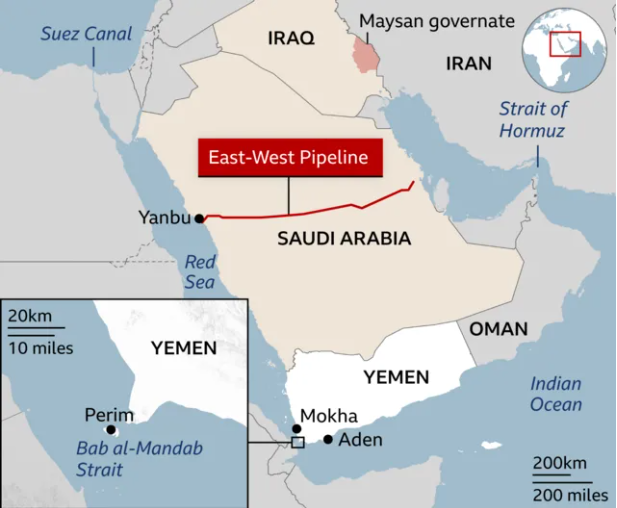
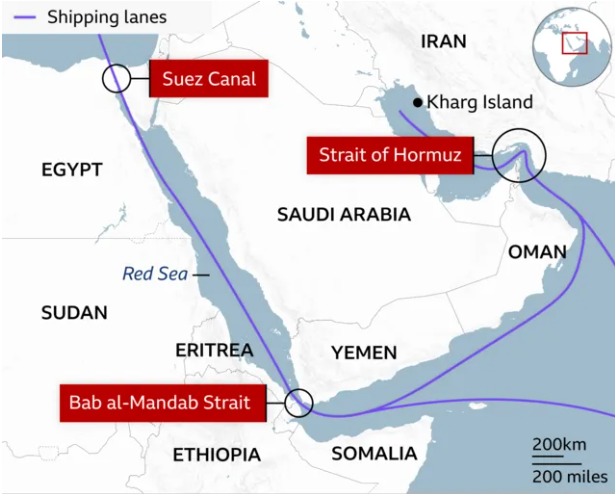
The Oil Pipeline in question spans 1,200 kilometers (approximately 745 miles) and serves a critical role in allowing Saudi Arabia, the world leading crude oil exporter, to circumvent the economically vital Strait of Hormuz. This attack occurs against the backdrop of a significant advancement by Iranian-backed Houthi rebels in Yemen, escalating pressures on global oil shipping routes as the ongoing conflict between the US and Iran enters its seventh month.
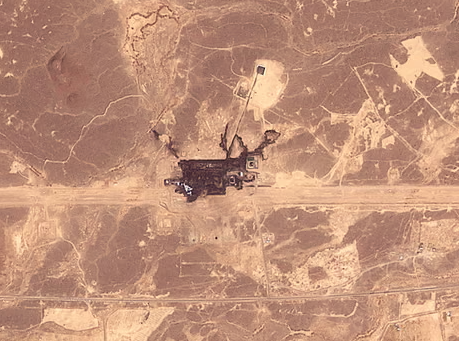
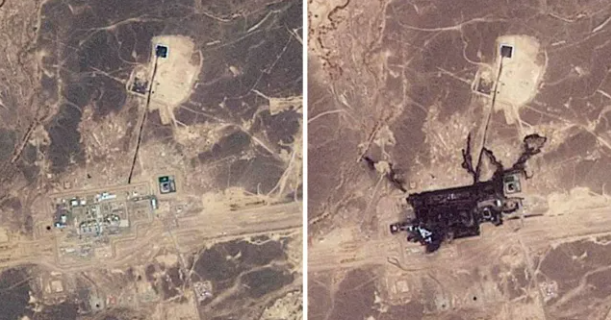
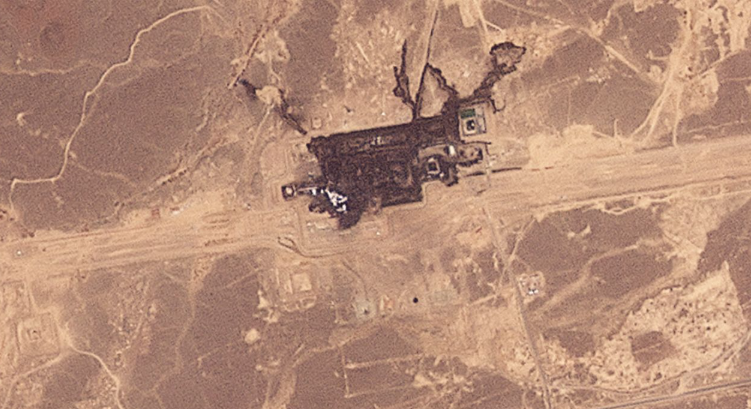
On Friday, Yemen Saudi-backed government forces announced that they had launched strikes against Houthi fighters in the strategically significant coastal city of Mokha. This military action occurred just a day after the Houthis had taken control of the entire Red Sea coast, further escalating tensions in the region. In response to these developments, Saudi Arabia declared the closure of a vital oil pipeline as a precautionary measure. Satellite imagery has revealed evidence of scorched ground and smoke in the vicinity of the pipeline, suggesting the potential severity of the conflict impact on infrastructure.
Oil Pipeline The foreign ministry of Saudi Arabia reported that the attacks resulted in injuries and property damage, although evaluations of the full extent of the damage are ongoing. It’s noteworthy that this particular Saudi pipeline contributes to approximately 4% to 5% of the global oil supply, as reported by the news agency Reuters, which drew on information from ship tracking companies and industry analysts. This situation not only reflects the immediate challenges in Yemen but also poses significant implications for global oil markets.
Oil Pipeline Saudi Arabia foreign ministry has announced that the kingdom will not retaliate at this moment, following a request from Iraq prime minister. The ministry expressed its commitment to supporting Iraq efforts to prevent cross-border attacks while affirming its right to take necessary actions to protect its sovereignty, security, and the safety of its citizens and residents. In a related development, the Iraqi prime minister office confirmed the removal of the operations commander in the Maysan governorate, which borders Iran, after it was established that a drone attack had originated from that area.
Historically, Saudi Arabia has conducted military operations, in collaboration with the United States, against Iran-aligned militias in Iraq, accusing these groups of using Iraqi soil for drone strikes targeting oil infrastructure. Additionally, the Gulf Cooperation Council, comprised of representatives from Saudi Arabia, the UAE, Bahrain, Oman, Qatar, and Kuwait, has issued a statement condemning the recent attack.
Oil Pipeline This attack signifies a serious escalation and poses a significant threat to the security of the Kingdom of Saudi Arabia, its territorial integrity, and crucial installations, according to Secretary General Jasem Mohamed Albudaiwi. Recent developments have seen Houthi militants capture extensive portions of Yemen coastline, including the Bab al-Mandab Strait, a critical chokepoint for maritime navigation leading to the Red Sea and Suez Canal. The Houthis assert that navigation remains safe, barring Saudi vessels.
In response to this escalation, the Yemeni Armed Forces have retaliated. Spokesman Majid al-Nuzaili reported targeted strikes against Houthi positions around Mokha, resulting in the destruction of Houthi vehicles and weaponry, along with casualties among Houthi fighters. Mokha, a strategic port city located approximately 80 kilometers north of the Bab al-Mandab Strait, was seized by the Houthis just a day prior, prompting many civilians to evacuate towards Aden, the seat of Yemen internationally recognized Presidential Leadership Council and government.
Moreover, local reports indicated that government forces conducted air strikes against Houthi targets in the Taiz and Ibb governorates, both positioned along the Red Sea coast. According to the United Nations, the displacement crisis in Yemen has reached alarming levels, with at least 76,000 individuals displaced since July, and the rate of displacement has surged fourfold within the last week, signaling an urgent humanitarian crisis. The situation in Yemen continues to deteriorate rapidly, necessitating immediate international attention and aid. Oil Pipeline
The United Nations has highlighted a grave humanitarian situation where entire families are fleeing conflict or crises, often at night and without essential resources, with many leaving only in the clothes they wear. The ongoing conflicts in the region are accentuating the oil crisis, with crude oil prices exceeding $100 a barrel for the first time since July, driven by instability in the Arabian Peninsula. This surge in energy prices is contributing to heightened inflation concerns and increased government borrowing costs.
Energy expert Richard Bronze noted that the logistical challenges of transporting Saudi oil through the Suez Canal and around Africa have extended delivery times by about 30 days and raised transportation expenses, weakening the previously established buffers in the oil market. As a result, the potential for rising oil prices persists, particularly as challenges in the diesel market have already led to record prices.
Diesel, a crucial component in manufacturing and transportation, is expected to drive up the costs of various goods. Bronze warned that unless the situation in the Middle East stabilizes, crude oil prices could escalate to the peak of $120 per barrel experienced during the Iran war, and even surpass that threshold. Overall, the current geopolitical dynamics and energy market pressures suggest a continuation of high oil prices if the crises remain unresolved.