The United States is actively working to reopen the Strait of Hormuz, a strategic waterway that has been under significant Iranian influence amid ongoing conflicts. Recent developments indicate that the U.S. has made strides in reducing Iran control over this crucial channel while effectively curtailing Iranian oil exports, thereby accelerating its economic decline. Despite these efforts, the war initiated by the U.S. and Israel in February, aimed initially to be a brief engagement, continues without resolution, leading to substantial costs for both involved parties.
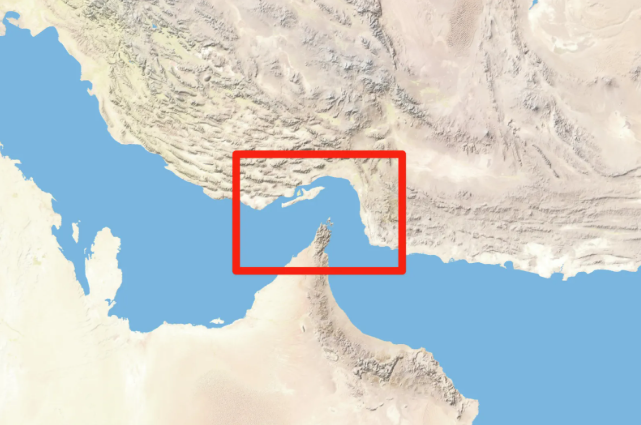
Strait of Hormuz Since a diplomatic agreement was established in June, it has since collapsed, leaving a noticeable absence of progress in negotiations. Even as low-level military confrontations persist, the U.S. appears to lack a coherent exit strategy. Economic hardships for Iran have not yet incited public uprisings against the government; however, as the situation deteriorates, Iranian leadership may resort to military escalation rather than surrendering power.Compounding these tensions, Iran allies, particularly the Houthi forces in Yemen, have intensified their attacks on Saudi Arabia, further influencing the dynamics of oil prices and regional stability.
The ongoing conflict, coupled with the strategic maneuvers in the Strait of Hormuz, signals a protracted and unresolved crisis that poses broader implications for geopolitical relations and economic conditions within the region.The price of Brent crude oil has exceeded $100 per barrel, with diesel prices reaching record levels, raising concerns about inflation. U.S. President Donald Trump has indicated that high gas prices are expected to persist through the upcoming midterm congressional elections.
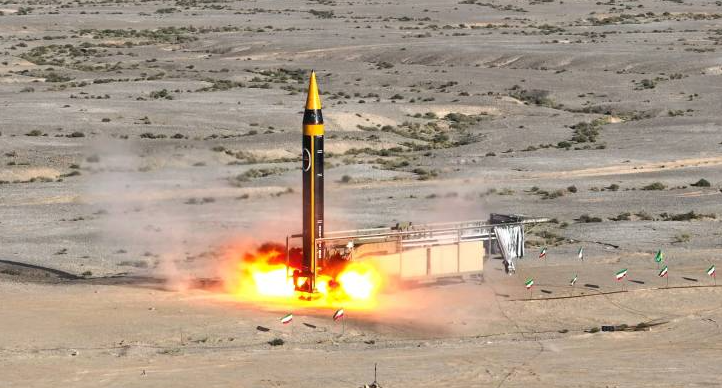
Strait of Hormuz Meanwhile, Middle East expert Mona Yacoubian from the Center for Strategic and International Studies has commented on the ongoing conflict with Iran, stating that the U.S. is struggling to gain an upper hand. Despite some success in affecting Iran economy and control over the Strait, Yacoubian emphasizes that Iran is not retreating and is instead prepared to escalate the conflict. She concludes that the war is likely to drag on without a definitive resolution in sight. Strait of Hormuz
Iran loses leverage as oil moves through the Strait of Hormuz
Iran initially gained significant leverage by effectively closing the Strait of Hormuz at the onset of the war, controlling a critical chokepoint through which approximately 20% of the world oil and gas transits in peacetime. This position allowed Iran to utilize the global economic shock to its advantage while continuing to export its oil, primarily to China.
Strait of Hormuz However, recent developments have shifted the balance of power. A U.S. blockade has significantly curtailed Iran oil exports, while the U.S. military actions have facilitated increased oil exports from Gulf countries. These changes indicate a dramatic reversal in Iran previously advantageous position within the global oil market, as highlighted by oil expert Homayoun Falakshahi from Kpler, who provides insights into the current trade dynamics.
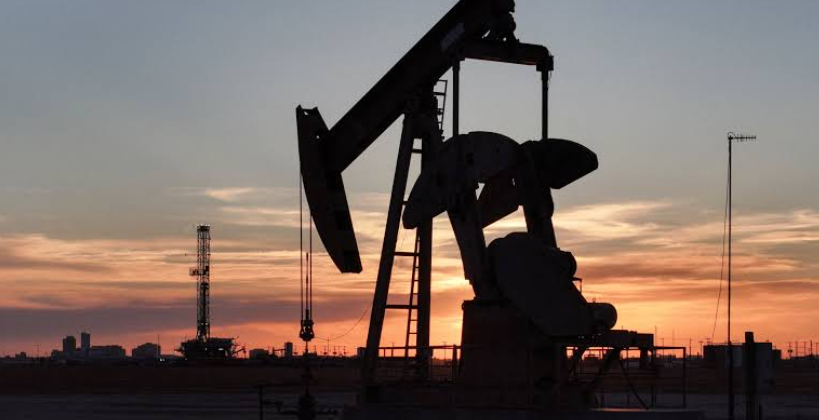
He found that Iran oil exports have drastically decreased from 1.85 million barrels per day in the previous spring to approximately 255,000 by August. In contrast, non-Iranian oil exports surged from 300,000 barrels per day during the peak of the conflict to 8.4 million in September. Additionally, when factoring in alternative export routes, total non-Iranian oil exports rose to 10.8 million barrels per day. Strait of Hormuz
U.S. Energy Secretary Chris Wright highlighted similar statistics, suggesting that the current oil flows represent about two-thirds or more of the pre-conflict level of 14 million barrels per day. Nevertheless, this increased flow is contingent on significant U.S. military deployments in the strait, which have strained military resources. The unpopular conflict has incurred over $37.5 billion in costs to U.S. taxpayers and resulted in the loss of 18 U.S. service members, potentially impacting Republican prospects in the upcoming November elections. Strait of Hormuz
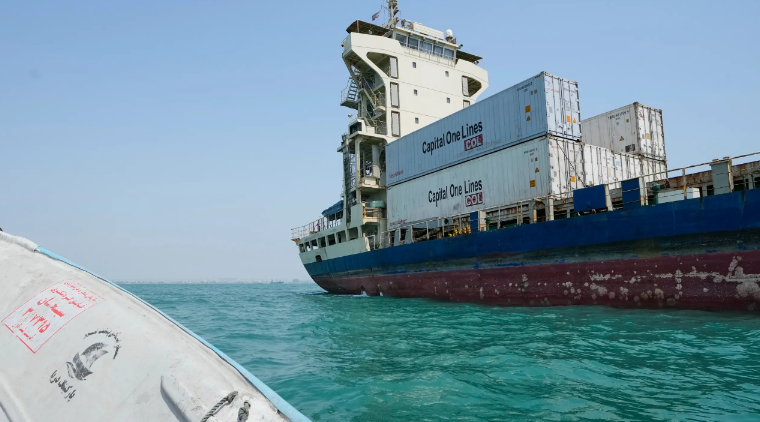
Tehran could escalate in other ways
Tehran situation is becoming increasingly precarious due to the intensified blockade and the imposition of new U.S. sanctions, which are severely impacting Iran economy. These measures have led to rising prices and longer queues at gas stations, indicating growing public discontent. Despite the economic pressures, the Iranian leadership, which has become more hard-line, remains resistant to making any concessions regarding critical issues such as the Strait of Hormuz, the controversial nuclear program, and the support for armed groups in the region.
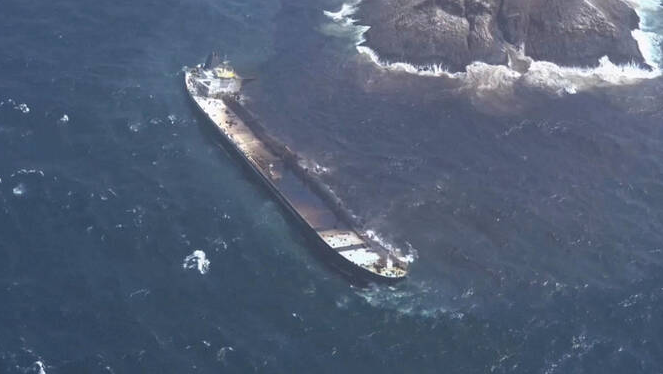
This suggests that Iran may pursue alternative methods of escalation in response to the ongoing challenges it faces.Washington faces a significant challenge in articulating a coherent strategy in its confrontation with Iran, as highlighted by Ali Vaez, an expert from the International Crisis Group. Despite an increase in the number of ships successfully navigating through the strait, Iran remains aggressive, persistently targeting vessels and engaging in retaliatory missile strikes against Arab nations that are hosting U.S. military personnel.
Strait of Hormuz This ongoing conflict has prompted limited U.S. military responses aimed at Iran coastal regions. In a somewhat dismissive tone, President Trump has characterized the situation as “small potatoes,” implying a lack of urgency or importance. Nonetheless, the lack of a defined theoretical framework for achieving a decisive victory complicates Washington position in this escalating crisis.
In light of the apparent strain on the U.S. supply of advanced interceptors, there is a growing concern that Iran may escalate its hostilities, potentially leveraging regional proxies. This concern is underscored by recent aggressive actions from the Iran-aligned Houthis, who have intensified their attacks on Saudi oil installations as part of a protracted conflict that has persisted for over a decade.
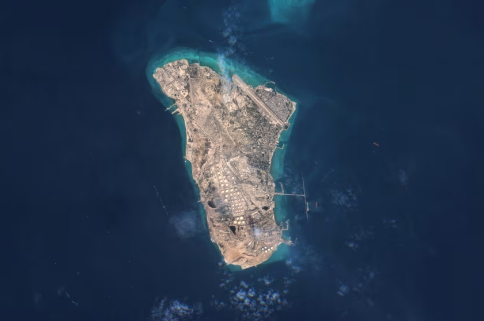
This recent wave of assaults not only includes direct attacks on Saudi oil infrastructure but also targets Saudi shipping vessels. Such actions pose a significant threat to Saudi oil exports and jeopardize a vital trade route that passes through the Bab el-Mandeb chokepoint, which connects to the Red Sea and the Suez Canal, underscoring the escalating regional tensions and the potential for broader conflict.
The incident involving the Houthis has resulted in damage to Saudi Arabia Jizan refinery, a critical supplier of diesel and jet fuel to Europe. The flow of Saudi oil through the Bab el-Mandeb Strait to Asia has seen a significant decline, dropping from approximately 3.4 million barrels a day in June to only 128,000 in August, although there was a slight recovery to around 700,000 barrels per day in September, as reported by Kpler.
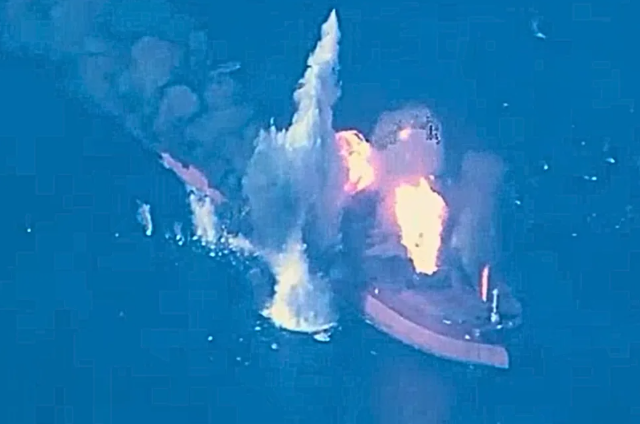
Danny Citrinowicz, a senior researcher at Israel Institute for National Security Studies and an expert on Iran, pointed out that Tehran has indicated it will escalate its response to increasing U.S. pressure rather than retreat. According to him, Iran is unlikely to tolerate a continued maritime blockade or allow Washington to increase economic sanctions without responding in kind. The situation denotes a complex geopolitical struggle marked by Iran commitment to countering external pressures, with implications for regional stability and international energy supplies.
Pingback: Saudi Arabia Shuts Key Oil Pipeline After Drone Attack Launched From Iraq - internationalmediawire.com