U.S. Strikes 3 Iranian Oil Tankers: U.S. forces launched strikes against three Iranian oil tankers following an alleged ballistic missile attack on American Navy warships in the region. The military escalation has raised concerns among experts, highlighting the deteriorating situation at sea, where Iran has previously targeted commercial shipping. This military action came on the heels of President Donald Trump attempt to downplay the conflict, referring to it as “small potatoes.” The ongoing hostilities, which have oscillated over the past six months, began with U.S. and Israeli strikes against Iran in late February.
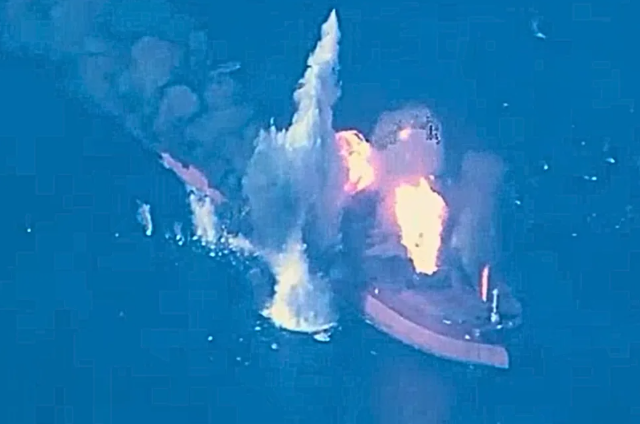
Both nations have engaged in reciprocal actions aimed at inflicting military and economic damage while diplomatic negotiations have stalled. According to the U.S. military, American naval forces, including an aircraft carrier and a destroyer, successfully navigated multiple Iranian assaults without sustaining injuries. The precise timing of the Iranian missile launches remains unclear. Reports indicate that two of the targeted Iranian oil tankers were permanently incapacitated, while a third, which was empty, was destroyed.
The U.S. government has accused certain tankers of being part of a clandestine network that finances Iran Revolutionary Guard and its associated militant groups across the region. In response, an Iranian military spokesperson issued a warning, stating that retaliatory strikes against U.S. military vessels would increase in severity if American interference with Iranian shipping persists.
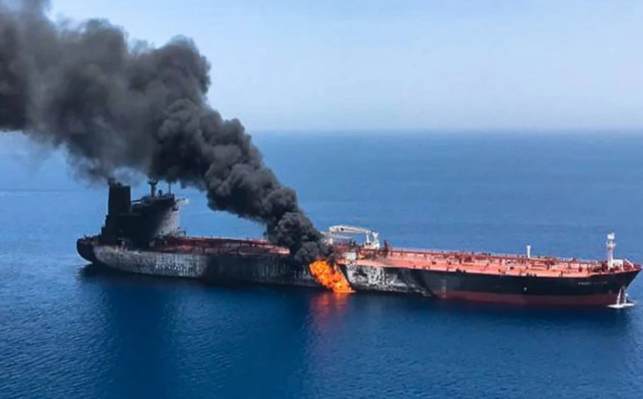
This escalation is underscored by Iran recent missile strike aimed at a U.S. aircraft carrier, signaling Tehran growing readiness to accept risks it once avoided, including direct threats to significant U.S. military assets present in the region. Danny Citrinowicz, an expert on Iran from Israel Institute for National Security Studies, noted this shift in strategy through a post on X, highlighting a notable change in Iran approach to military engagements with the U.S. forces.
Iran had reported a strike near Kharg Island
Iran reported a missile strike near Kharg Island, an essential location for its oil exports. Iranian state television disclosed that four U.S. missiles targeted a tanker approximately 6 miles (10 kilometers) from Kharg Island, which has been a frequent target during the ongoing conflict, including U.S. military strikes on its facilities in March. The U.S. confirmed that one tanker was struck off Kharg Island and another near Jask, situated east of the strategically vital Strait of Hormuz.
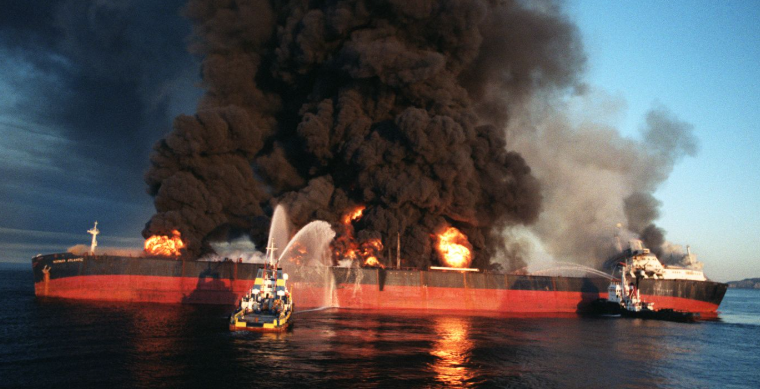
The U.S. indicated that the unladen tanker was attacked in the Gulf of Oman, prompting its crew to evacuate as instructed. Accompanying this information, the U.S. provided what it described as video footage evidencing the strikes.
Following the U.S. statement regarding recent military actions, Iran state broadcaster reported that two additional tankers had come under attack, with their crews safely evacuated. Adm. Brad Cooper, Commander of U.S. Central Command, emphasized that the U.S. would defend its forces robustly and, if necessary, target Iran vulnerable oil fleet.
U.S. Strikes 3 Iranian Oil Tankers In response, Iran Foreign Ministry condemned the attacks as a war crime and warned that any continued aggression from the U.S. would result in consequences, including “economic warfare,” to be borne by Washington and its allies. The exact number of Iranian oil tankers affected remains unclear, especially considering both the ongoing war and the impact of the U.S. blockade on Iranian ports. Notably, on May 8, the U.S. military disclosed that it had employed “precision munitions” to attack the smokestacks of two Iranian oil tankers that were unladen.
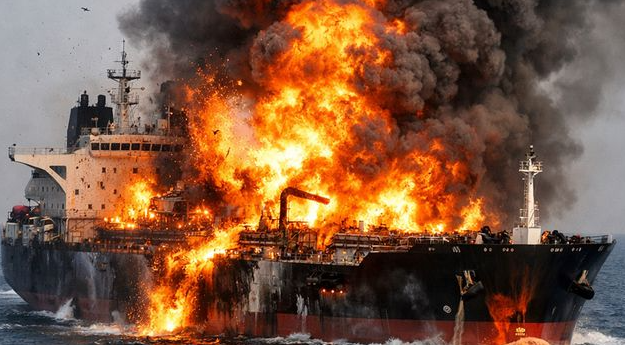
The recent strikes in the ongoing conflict between the U.S. and Iran marked a significant escalation after a month of relative calm. Focusing on the strategically vital Strait of Hormuz, U.S. attacks resumed with particularly tragic consequences for local civilians. Earlier in the week, a bombardment in southern Iran resulted in the deaths of at least five individuals, with one of the strikes tragically hitting a wedding celebration.
Among the injured is 13-year-old Masoumeh Zarei, who was hospitalized for abdominal injuries sustained during the attack. She recounted her experience to The Associated Press, explaining that she was on her way to join a wedding celebration when the strike occurred. The explosion knocked her unconscious, with her next memory being in a hospital bed. Reflecting on the joyful occasion that turned disastrous, Zarei lamented, “The party had just started, and we wanted to go there… everything changed.” Oil Tankers
Another victim, 14-year-old Kiana Karimi, also suffered injuries and remains in intensive care. She reported hearing at least five explosions during the incident. This incident underscores the dire situation in the region, where civilian lives are increasingly caught in the crossfire of military actions.
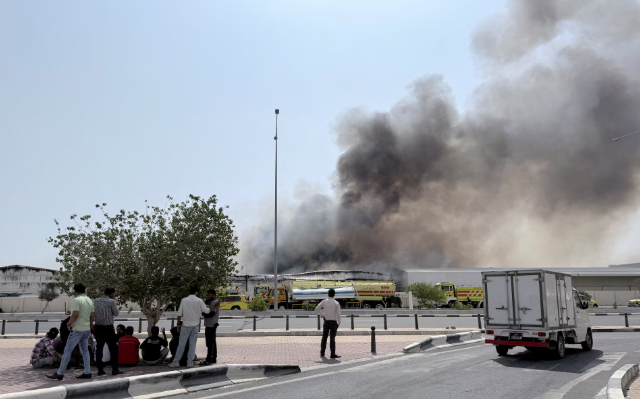
U.S. Strikes 3 Iranian Oil Tankers On the day of the incident, eyewitness Karimi described the experience of the explosions at the telecommunications tower. He recounted that the first three explosions forcefully knocked him and others to the ground. In the chaos, he quickly tried to help his brothers who had also fallen. However, as two additional explosions occurred, Karimi memory of the events became unclear, and he could not recall further details about what happened afterward. Oil Tankers
U.S. had tried to turn to economic pressure
In response to ongoing tensions in the region, the Trump administration has implemented a dual-pronged strategy against Iran, balancing military responses to attacks in the strait with economic pressure aimed at foreign financial institutions managing Iran finances. U.S. Vice President JD Vance stated that negotiations would not be possible as long as Iran continues to target ships, while highlighting that significant military operations had concluded in July.
On the Iranian side, the new hard-line leadership has expressed a commitment to endure sanctions, whereas the elected government under President Masoud Pezeshkian advocates for a negotiated resolution to the conflict. Oil Tankers
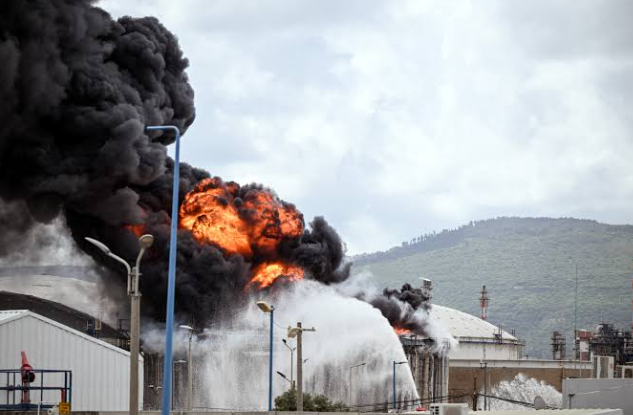
Iran has developed methods over the years to evade sanctions, particularly the U.S. blockade, facilitating oil sales to alleviate economic strains through a shadow fleet dedicated to transporting its oil. Meanwhile, the failed negotiations regarding Iran nuclear program, which were initially promised to stabilize relations following a memorandum of understanding in mid-June, have led to calls from the U.S., Britain, France, and Germany to escalate the matter to the U.N. Security Council due to Iran noncompliance with nuclear nonproliferation standards.
U.S. Strikes 3 Iranian Oil Tankers Concurrently, Tehran has asserted increased leverage over the strait vital for global oil and natural gas transport, which had previously been recognized as international waters. Although the U.S. military has been aiding ships navigating the strait amid Iranian assertions of control and targeting of certain vessels, overall maritime traffic in this area remains notably low.
Pingback: Iran Claims Strike on U.S. Ship in Strait of Hormuz, but Washington Denies Attack - internationalmediawire.com
Pingback: U.S. Fuel Prices Hit Record Labor Day High as Iran War and Refinery Problems Drive Costs Up - internationalmediawire.com
Pingback: Houthis Seize Strategic Island as Saudi Arabia Shuts Pipeline, Opening New Front in Iran War - internationalmediawire.com