Iran Houthis allies have made significant territorial advances by capturing a strategic island in the Bab al-Mandab Strait, a vital oil shipping route. This move coincides with Saudi Arabia decision to shut down an East-West pipeline following drone attacks attributed to Iranian-backed forces from Iraq. The closure of the pipeline is labeled a precautionary measure by the Saudi Ministry of Energy, which responded to the drone assault by shifting focus onto Iraq government, urging it to take appropriate action.
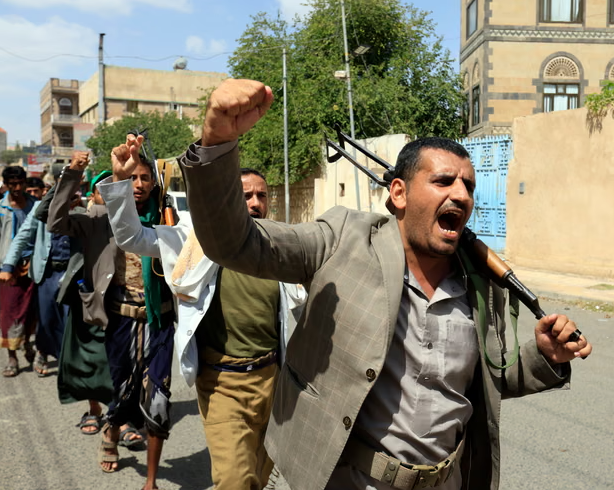
The Houthi takeover represents one of their most substantial territorial gains in recent years, exacerbating the ongoing conflict and potentially influencing global oil and gas prices as part of Iran broader strategy to exert pressure on the United States. Regional analysts suggest that the Houthis have played a pivotal role in coordinating drone attacks against Saudi oil infrastructure, collaborating with Iranian-backed militias in Iraq.
This escalation in the conflict highlights the enduring tensions in the region and marks a new front in what is often referred to as the Iran war, underscoring the geopolitical complexities surrounding oil exports from Saudi Arabia and the security dynamics in the Middle East. The situation remains fluid as Iraqi officials have condemned the drone attack and initiated investigations, while Saudi Arabia and the U.S. previously retaliated against Iranian militia targets in Iraq.
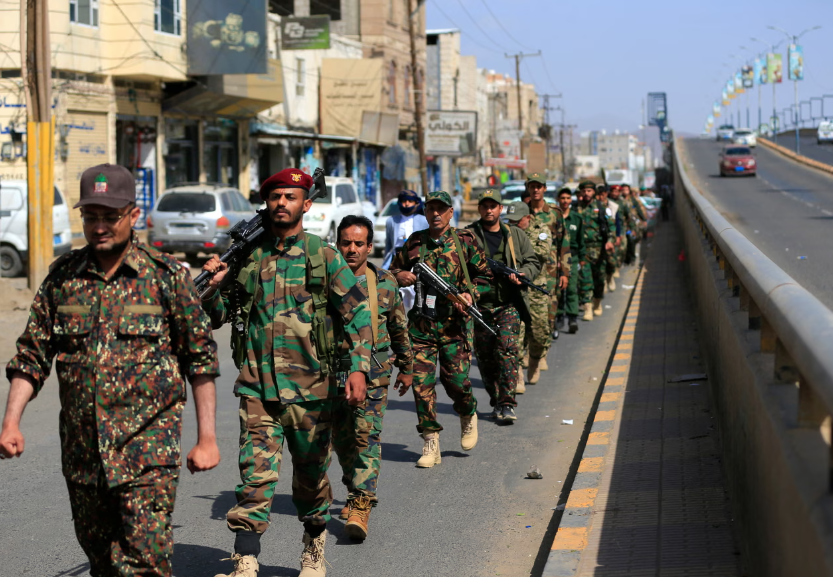
Houthis move to tighten hold on Bab-el Mandeb Strait
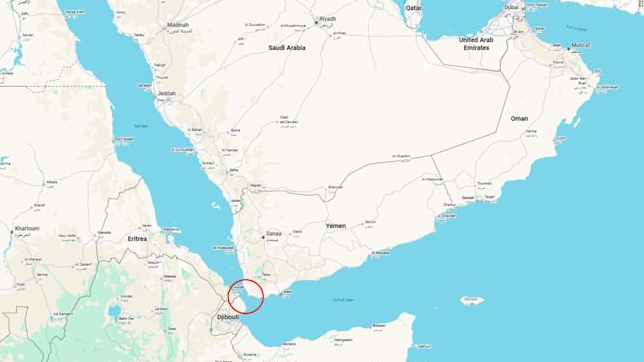
The Houthi militia, backed by Iran, has intensified its grip on the Bab-el Mandeb Strait by capturing the key port of Mokha and the strategic Mayun Island. In a recent announcement, the Houthi armed forces claimed territorial gains along the coastline, while notably omitting specific references to Mokha or Mayun Island in their statements. They warned of a “escalation for escalation” approach in their ongoing conflict with Saudi Arabia, declaring that maritime navigation remains secure for all shipping entities except those associated with Saudi vessels.
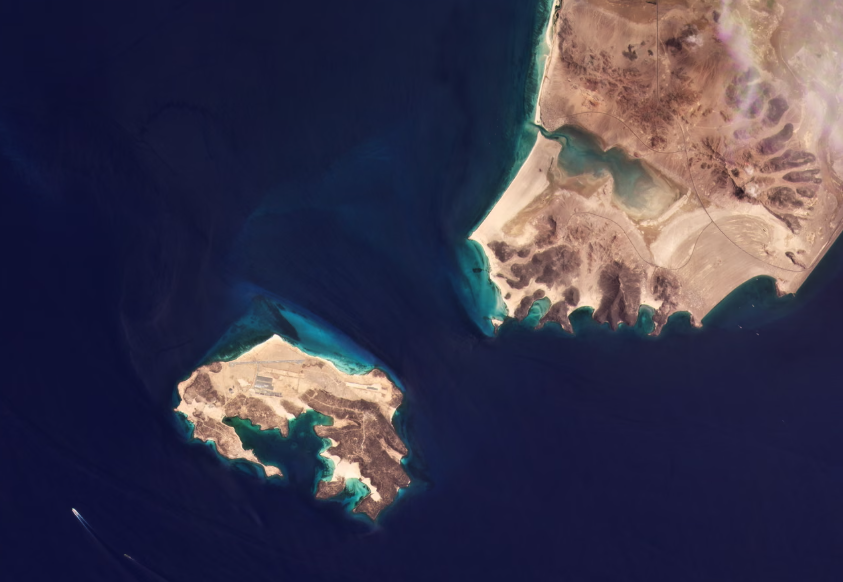
This aggressive posture has raised concerns in the markets, as experts characterize the Houthis as unpredictable actors. Following these developments, crude oil prices have surged past $100 per barrel, enhancing Iran negotiating power in any future discussions. The combination of military maneuvers and rising fuel prices suggests a potentially volatile situation in the region, with implications for international maritime operations and energy security.
Why the rapid Houthi advance matters and what’s at stake
Yemen Houthi forces, aligned with Iran, have recently captured the strategic island of Perim, located in the Bab al-Mandab strait, significantly expanding their control over this critical shipping passage that connects Asia and Europe via the Red Sea and Suez Canal. This takeover occurred following a series of setbacks for the UN-backed, Aden-based government, including the loss of the port city of Mocha just days prior. The situation has prompted Saudi Arabia, a primary supporter of the official Yemeni government, to respond with airstrikes targeting Houthi positions in Mocha.
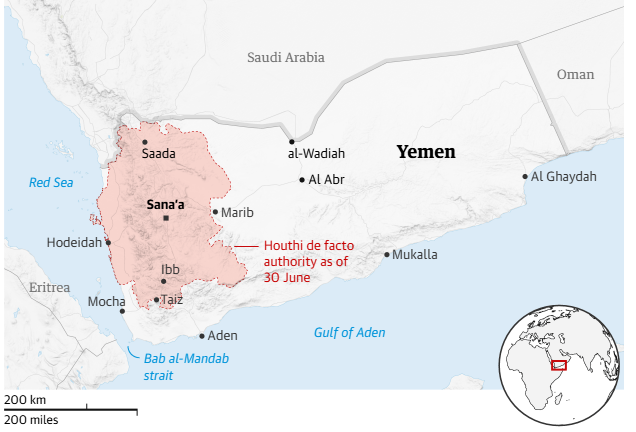
The Bab al-Mandab strait is crucial for global trade and security, with Perim island, also known as Mayun, playing a vital role as it divides this waterway at its narrowest point. Additionally, the United Arab Emirates, which had previously cooperated with Saudi Arabia in the anti-Houthi coalition, had been constructing an airbase on Perim before withdrawing from direct engagement in the conflict earlier this year in January. The implications of this Houthi advance could affect regional stability and international maritime operations significantly.
Saudi Arabia has increasingly turned to the Red Sea and Bab al-Mandab for crude oil exports, primarily due to Iranian threats targeting vessels in the Strait of Hormuz, a critical passage through which around 12% of global goods are transported. The prospect of full Houthi control over shipping in the Bab al-Mandab, coupled with Iranian dominance in the Strait of Hormuz, would significantly enhance the strategic influence of anti-Western entities over crucial global energy shipments.
Consequently, oil prices have surged, exceeding $100 per barrel amidst the intensifying conflict in Yemen. Iran recently acknowledged the Houthi advancements, marking its first detailed commentary on the escalating situation in Yemen since the Houthis’ ascent to power in 2014. This alliance between Iran and the Houthis underscores the geopolitical ramifications of the ongoing conflict, particularly in relation to energy security and market stability.
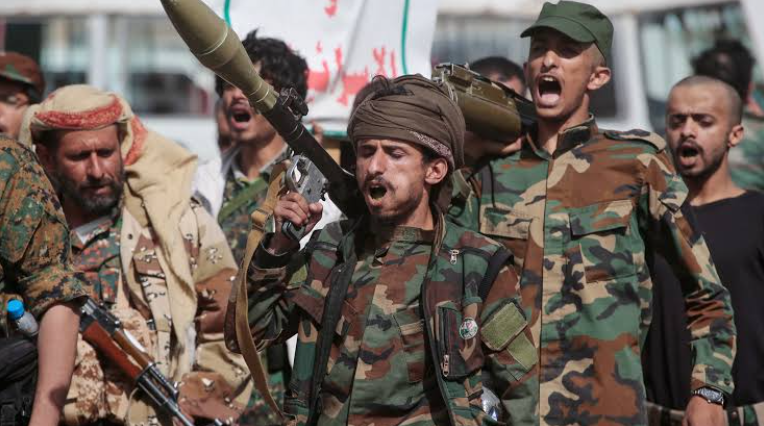
In a recent statement, the Houthis celebrated their military achievements, including the expulsion of what they termed the “Saudi enemy” from six districts in the Taiz and Hodeidah regions. They claimed to have captured 4,500 square miles, targeting seven military divisions of the Saudi forces and inflicting casualties through the killing, capture, and wounding of hundreds of soldiers. Additionally, the Houthis asserted they had released numerous prisoners who had been held by Saudi mercenaries for years.
British diplomatic sources noted that, as of now, they do not anticipate President Donald Trump sanctioning any US airstrikes against Houthi positions in Yemen, despite Saudi Arabia requests for military intervention. The rapid progress of the Houthi offensive, combined with political fragmentation in the Yemeni governorates not under Houthi control, has raised concerns in Western capitals.
There are apprehensions that the Yemeni government capital, Aden, could soon fall to the Houthis, echoing a historical context where the UK viewed Yemen as a protectorate until 1967.The ongoing Houthi offensive has also resulted in significant humanitarian impacts, with reports indicating over 500 fatalities and the displacement of approximately 46,000 individuals, according to the UN migration agency.
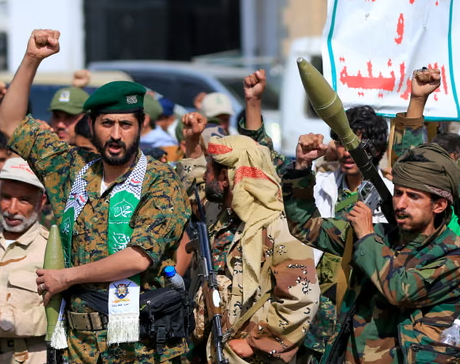
The Houthi advances along the Red Sea coast from Hodeidah bolster Iran influence as it seeks a resolution with Gulf states regarding the management of the Strait of Hormuz, a key point of contention between the US and Iran. Iran has entered into negotiations with Oman, which shares the southern boundary of the Strait, over temporary approved shipping routes.
This potential agreement is set for discussion among Gulf Cooperation Council (GCC) foreign ministers in Salalah, Oman. If the GCC endorses the proposed arrangements giving Iran dominion over certain shipping lanes it could exert pressure on the US to reconsider its effective blockade on Iranian oil ports, which is significantly hurting Iran economy.
The US struck a surprise ceasefire deal with the Houthis in May 2025
The U.S. reached a surprise ceasefire agreement with the Houthis in May 2025, prompted by escalating costs of a bombing campaign and Houthi assurances not to target U.S. shipping in the Red Sea. Recently, Houthi leadership reiterated its commitment to safeguarding shipping, although Saudi Arabian oil tankers remain exceptions. On August 14, Saudi Arabia united a 14-nation international naval coalition aimed at ensuring freedom of navigation in the Bab al-Mandab strait and the Gulf of Aden. This coalition, which includes Bahrain, Pakistan, Somalia, Djibouti, Turkey, and Egypt, has yet to show significant visibility, with Riyadh emphasizing the time required for effective assembly.
In the aftermath of the fall of Mocha, Major General Tareq Saleh, leader of the National Resistance Forces, has been scrutinized for his role in the retreat from the city, which he argued was necessary for regrouping his forces. Tawakkol Karman, a Yemeni Nobel Peace Laureate, has publicly called for Yemen president, Rashad al-Alimi, to dismiss Saleh and initiate an investigation into his actions, citing conspiracy and high treason. Meanwhile, Amr al-Bidh, representing the Southern Transitional Council, cautioned Western diplomats on the lack of a comprehensive strategy to combat the Houthis, claiming that sporadic airstrikes alone would be insufficient.
The text discusses the critical situation regarding the conflict in Yemen, particularly focusing on the Houthis and their strategic moves that threaten Saudi interests. An unnamed source criticizes Saudi Arabia for its “strategic incompetence,” highlighting how the Houthis now control key waterways without needing high-tech weaponry, which allows them to redirect resources elsewhere. This development gives the Houthis potential new revenue through control of ports on the Red Sea west coast, as they offer lower rates to attract shipping traffic from Yemeni government-controlled ports in the Gulf of Aden.
The Southern Transitional Council (STC), previously a major political and military power in southern Yemen, has been undermined since January when Saudi airstrikes targeted its troops, suppressed its political activities, and detained several leaders in Riyadh. Promises from Saudi Arabia regarding dialogue over southern Yemen issues have not materialized. Al-Bidh, the spokesperson, indicates that Human Rights Watch has reported violence against pro-STC protests in Aden, eroding the southern populace willingness to engage against the Houthis in the north due to feelings of betrayal.
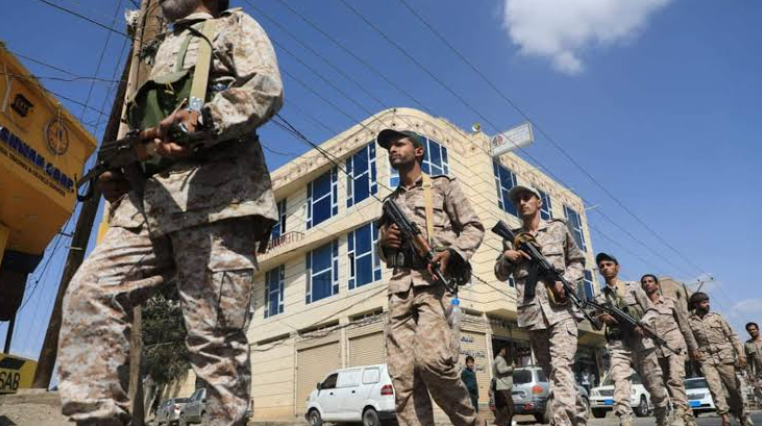
Contrary to Saudi expectations, the southern populace, historically relied upon to resist the Houthis, is now hesitant to mobilize, causing further complications. Saudi Arabia is faced with a dilemma: negotiate with the Houthis for a resolution to the Yemen conflict or attempt to repel their forces, which are currently stretched thin.Although the Houthis operate independently, their ongoing conflict with Saudi Arabia benefits Iran, as it potentially pressures Washington regarding Iran-related policies. Furthermore, there are rising concerns in Western nations about the legality of Saudi military actions in Yemen, particularly concerning their compliance with international humanitarian law and whether such actions can be justified as self-defense.
Yemen government was shocked by slow Saudi response
Yemen government expressed astonishment at the slow reaction of Saudi Arabia to Houthi attacks on shipping in the Red Sea. The Houthis, who declared a blockade in July, have targeted Saudi oil infrastructure and vessels, claiming these actions are retaliatory responses to Saudi Arabia long-standing blockade of Houthi-controlled regions in Yemen. In recent developments, Saudi Arabia conducted airstrikes on Mokha airport after the Houthis seized control of the city, although there were no reports of casualties or damages.
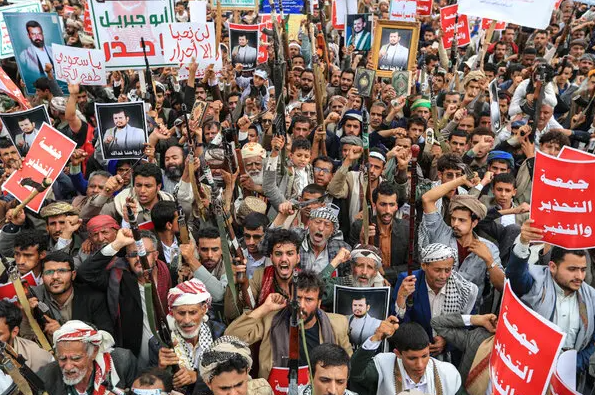
A senior military official from Yemen internationally recognized government revealed to AP that they were shocked by the lack of proactive measures from the Saudi air force to prevent the fall of Mokha, indicating that the Saudis may not have received clearance from the U.S. for extensive air operations.This official, speaking anonymously, also attributed the Houthis’ success partly to “lack of coordination” among Yemen military and allied militias, suggesting this allowed the Houthis to capitalize on the situation. Since the onset of Houthi assaults on shipping in late 2023, traffic through the Bab al-Mandeb Strait has plummeted by approximately 60%, despite a prior increase in shipping activity as Saudi Arabia sought alternatives to the Strait of Hormuz.
The resurgence of Houthi threats has significantly hampered shipping operations. Consequently, Saudi Arabia is now exploring less conventional routes for oil exports, moving supplies north from the Red Sea to the Mediterranean, which can be accessed via the Suez Canal or through a pipeline in Egypt a considerably lengthened logistical approach for clients in Asia. The Houthis have further jeopardized this alternate route by attacking a Saudi vessel in the northern Red Sea in late August.
Iran calls for a return to Saudi-Houthi talks
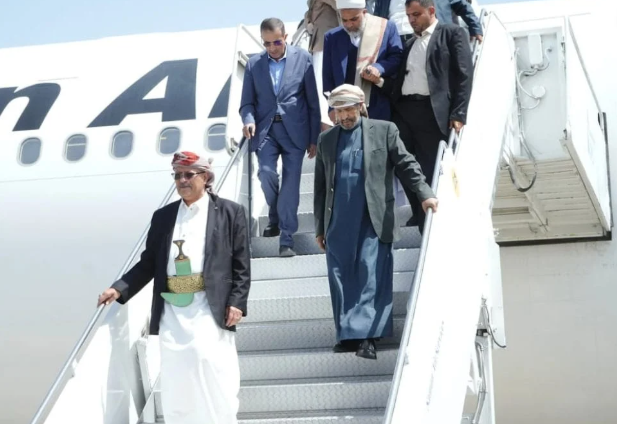
Iran government has recently urged the cessation of Saudi Arabia blockade of areas controlled by the Houthi movement, expressing support for its ally. The Iranian Foreign Ministry emphasized the need to renew discussions between Saudi Arabia and the Houthis, highlighting the strategic relationship between Iran and the Houthis.
This call for renewed talks aligns with a statement from a spokesperson of Iran Revolutionary Guard, who indicated that any negotiations with the U.S. should also address the situation in Yemen, marking a significant acknowledgment of the Houthis’ role in the wider geopolitical context. In turn, Saudi Arabia reiterated its consistent willingness to engage in negotiations while asserting its right to self-defense. Furthermore, Iranian Foreign Minister Abbas Araghchi reported that he and his Saudi counterpart engaged in discussions on Thursday regarding diplomatic initiatives aimed at restoring stability in the region.
The fighting risks a return to Yemen civil war
The ongoing fighting in Yemen poses a significant risk of reigniting the civil war, which had seen a temporary halt since 2022. The Houthi rebels have advanced towards the strategically vital Bab el-Mandeb channel along the Red Sea coast. In response, Yemen Saudi-backed government has urgently called for international support, emphasizing its role in protecting freedom of navigation and condemning the Houthi attacks on Saudi Arabia.
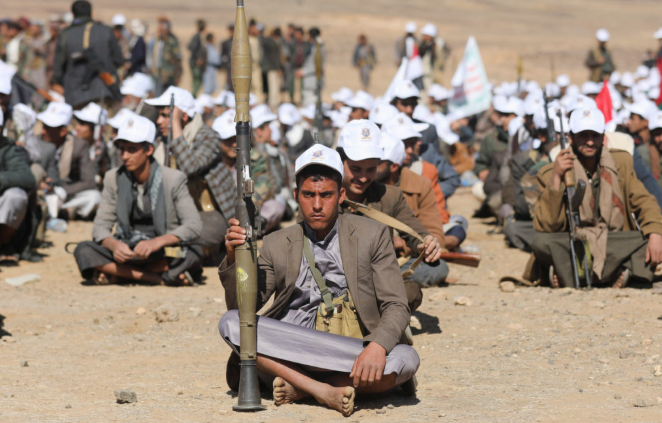
The resurgence of violence threatens to disrupt a fragile truce, affecting approximately 40 million individuals in one of the poorest countries in the Arab world. The conflict has already claimed the lives of 150,000 people and pushed many others toward famine. In just the past week, over 46,000 individuals have fled their homes, according to the U.N. migration agency.
Abdusattor Esoev, the mission chief for the International Organization for Migration in Yemen, reported a dramatic increase in displacement, emphasizing the urgency and desperation of those escaping: “People left with whatever they can grab.” This fear is palpable among those affected.
Among those fleeing are critical healthcare workers, prompting aid organizations like Doctors Without Borders to focus on keeping health facilities operational, particularly in places like Mokha, where most staff have abandoned the hospital due to the escalating violence. The civil strife, which began in 2014 when the Houthis took control of significant territories including the capital Sanaa, escalated with Saudi intervention in 2015 to support the Yemeni government. The situation remains precarious, with a potential return to full-scale conflict posing dire humanitarian consequences for the region.