Global oil prices have experienced a notable increase recently, with Brent crude rising but remaining below the $100 per barrel mark. This persistence in pricing occurs despite significant disruptions caused by escalating tensions in the U.S.-Iran conflict, which have affected oil exports from vital shipping areas such as the Strait of Hormuz and the Red Sea.

Current crude oil shipments from Middle Eastern producers stand at approximately 11 million barrels per day (bpd), a significant drop from the 18 million bpd recorded prior to the escalation of hostilities in the region, as reported by Argus. This context raises questions about the factors keeping oil prices below the critical $100 threshold, particularly in light of these supply challenges.
Significant volumes have been able to flow through Hormuz
Oil Prices Significant fluctuations in oil flow through the Strait of Hormuz have been observed recently. In the week leading up to renewed hostilities on August 30, estimated oil exports surged to approximately 8 to 9 million barrels per day (bpd), which is double the volume recorded the prior week, as reported by Rystad Energy Chief Economist, Claudio Galimberti. Following the escalation of conflict, this flow has subsequently declined to less than 2 million bpd.
Oil Prices However, the daily moving average still hovers around 4 to 5 million barrels. Galimberti has indicated that this volume suggests a current “fair” market price for Brent crude at $95 per barrel, although industry estimates of daily exports range between 6 and 8 million barrels.
Notably, there have been no sightings of very large crude carriers leaving the Strait since September 2, according to data from Kpler. Additionally, during a temporary US-Iran peace agreement in July, oil exports through Hormuz reached pre-war levels of 16 million bpd, highlighting the strategic significance of this waterway in global oil trade dynamics.
Gulf exporters are using alternative routes and means
Oil Prices Gulf oil exporters are increasingly utilizing alternative routes and methods for transporting crude, particularly through ship-to-ship transfers outside of the Strait of Hormuz. This strategy is aimed at addressing previous disruptions in supply. Notably, Saudi Aramco resumed operations at its Ras Tanura port in August, although exports from its Yanbu port are constrained by ongoing naval blockades imposed by the Yemeni Houthis, leading to a significant decline in output.
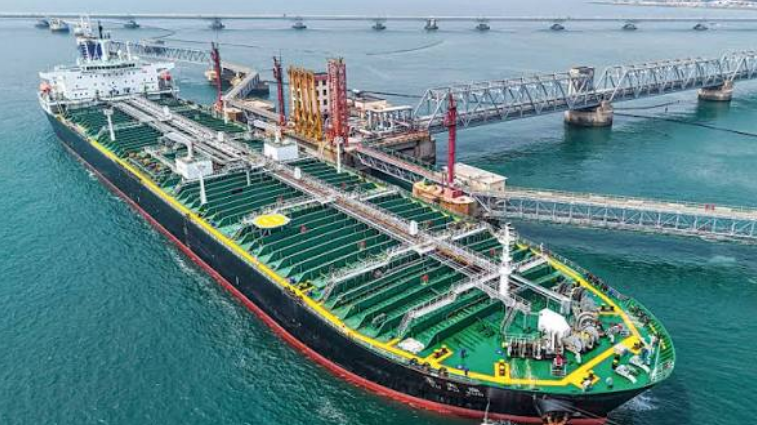
Provisional data from Kpler indicates that Yanbu crude oil exports plummeted to a six-month low of 1.43 million barrels per day (bpd) in August, down from an average of 3.9 million bpd in the preceding three months.Conversely, alternative export channels have seen substantial increases. For instance, shipments from Egypt Sidi Kerir rose dramatically to 2.14 million bpd in August, more than double the volumes recorded in June. Iraq, the second-largest OPEC producer, also saw a rebound in its exports, climbing back to approximately 2.34 million bpd during the same month.
Oil Prices The United Arab Emirates maintained its export levels at about 2.9 million bpd in both July and August, following a record high in June. Meanwhile, Kuwait crude exports have gradually recovered to around 1 million bpd throughout July and August. In stark contrast, Iran oil exports have sharply declined due to the impacts of a US blockade, highlighting the varying fortunes among Gulf oil producers amidst geopolitical challenges.

Other producers are stepping up
Other non-OPEC producers such as the US, Canada, and Guyana are projected to increase oil output by a total of 1.4 million barrels per day (bpd) in 2023, according to Jarand Rystad, the founder of Rystad Energy. This increase may help to mitigate the current shortfall in global oil supply. In the meantime, Russian crude oil exports remained stable at approximately 5.5 million bpd during July and August, a decrease from the peaks of 6.4 million bpd in June.

Oil Prices This figure, however, represents a 23% increase compared to February levels. The volume stability is attributed to disruptions in refining capacities due to damage from Ukrainian attacks on Russian facilities. As a long-term insight, Russia has revised its oil output forecast for 2026 downwards to a 17-year low, which could lead to further reductions in its export capabilities.
Demand destruction is significant
Demand destruction in the petrochemical and transportation fuel sectors has reached a significant level in the third quarter, with a decline to 3.5 million barrels per day (bpd) compared to 4.5 million bpd in the second quarter. This downturn is largely attributed to China, which accounts for over half of the reduction, primarily due to increasing electrification of transportation and a shift towards coal-based chemicals, as noted by Rystad.
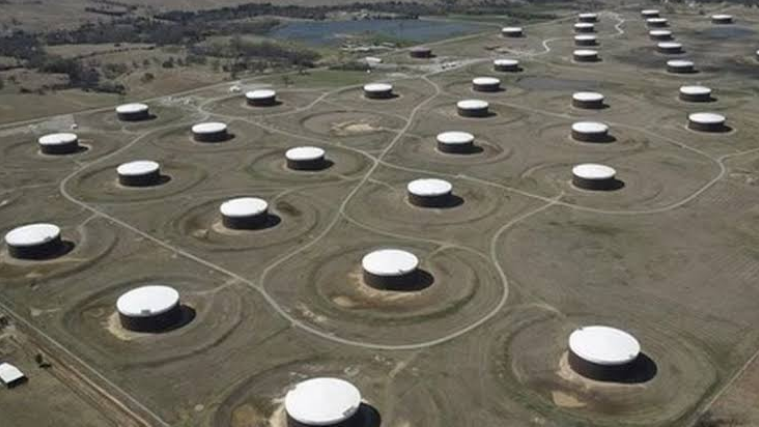
China, recognized as the “new demand OPEC” for its substantial influence on the market, has drastically reduced its seaborne crude shipments, cutting them down to 7 million bpd in July and August from more than 11 million bpd in February. Furthermore, Beijing extensive reserves, estimated at approximately 1.17 billion barrels by Kpler, have provided additional reassurance to the markets amid these demand changes.
Physical markets tell a different story
Oil Prices Spot premiums for oil have surged back to levels seen in April, with Dubai and Oman prices ranging from $19 to $20 a barrel above Dubai quotes for November-loading cargoes. As of Monday, Oman futures were priced at $104.54 a barrel, and cash Dubai was listed at $105.10 a barrel. David Fyfe, chief economist at Argus, indicated that this price behavior suggests an extremely tight physical market.
With oil prices consistently above $100 per barrel, the situation is exacerbated by a significant shortage in the diesel market, which has reached record high prices in the US. The recent tensions between the US and Iran are anticipated to further restrict Gulf oil exports, coinciding with an increase in demand as refiners boost diesel output.
Analysts lift forecast
Oil Prices Several financial institutions have adjusted their forecasts for Brent crude oil prices, notably Morgan Stanley, which predicts an average price of $100 per barrel for the fourth quarter. Additionally, Goldman Sachs has increased its forecasts for both Brent and West Texas Intermediate (WTI) by $5 per barrel for December 2026 and 2027.
This adjustment is based on anticipated ongoing disruptions to shipping in the Middle East, leading to new projected prices of $85 per barrel for Brent and $80 for WTI in December 2026, with prices of $80 and $75 per barrel, respectively, for 2027. These revisions reflect a growing concern over geopolitical factors affecting oil supply and market stability.
Pingback: Houthis Attacks Hit Saudi Energy Facilities, Injuring 73 and Disrupting Operations - internationalmediawire.com