BRICS Summit: Leaders of the BRICS nations convened in New Delhi to address mounting global tensions, specifically the wars in Ukraine and the Middle East, as well as escalating U.S.-China rivalries. The summit, hosted by India, seeks to enhance the bloc global influence amidst internal divisions regarding foreign policy and economic interests among its members, which include Brazil, Russia, India, China, South Africa, and newly added members that total 11 countries. The gathering comes at a crucial time, particularly as the ongoing conflict involving Iran BRICS member since 2024 has sparked significant geopolitical concerns, including disruptions in oil trade due to the Strait of Hormuz’ shutdown.
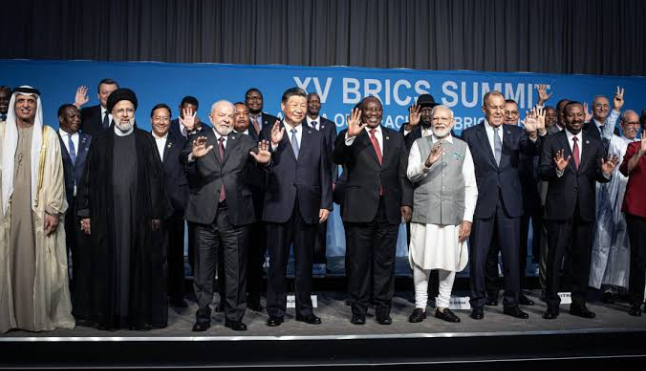
BRICS Summit The meeting emphasizes India diplomatic balancing act, as it maintains partnerships with China and Russia while deepening ties with the U.S. and Western countries. Prominent figures in attendance include Russian President Vladimir Putin, Chinese President Xi Jinping, who is visiting India for the first time in seven years, and Iranian President Masoud Pezeshkian. A primary challenge for the summit is crafting a unified response to the Middle East crisis that accommodates the conflicting interests of member nations like Iran and the UAE.
BRICS Summit The UAE, having ceased trade with Iran following missile attacks, represents a strain within the bloc. Experts anticipate that while a joint declaration may not significantly alter geopolitical realities, it would serve as a statement of cohesion against detrimental policies like Western sanctions. The summit outcomes will reveal the extent to which BRICS can navigate its complex international relations and advocate for emerging economies amidst ongoing global disruptions.
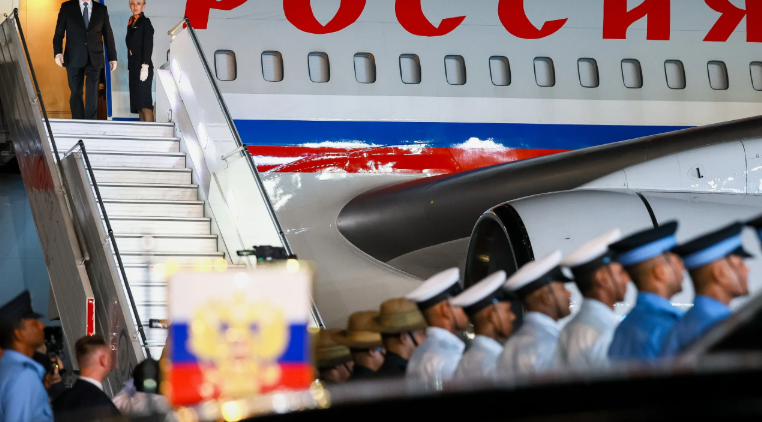
BRICS faces divisions over Iran and Ukraine
BRICS Summit an organization comprising diverse nations, is currently experiencing internal divisions primarily related to the conflicts in Iran and Ukraine. As Iran is part of the expanded BRICS, tensions arise due to Russia significant influence within the group. China close ties with both Iran and Ukraine further complicate the dynamics, while India navigates relationships with Russia, Iran, the United States, and Europe. This complexity results in challenges for BRICS in establishing a unified stance on such critical geopolitical issues.
The differing regional ambitions of member nations exacerbate these divisions. For instance, India and China compete for influence in Asia, while Iran and Saudi Arabia have contrasting interests in the Middle East. Additionally, countries like Egypt and Ethiopia have their own competing objectives. Consequently, the varied geopolitical landscapes and relationships within the group hinder BRICS Summit from articulating a coherent response to major international conflicts.
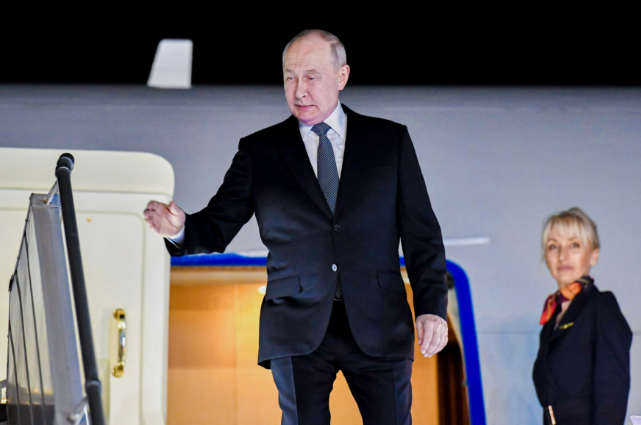
Praveen Donthi, a senior analyst with the International Crisis Group, emphasized that the Global South is not a homogeneous entity, a view that highlights the challenges of managing and mediating conflicts within this diverse grouping. This assertion is exemplified by Russia ongoing war in Ukraine, which has tested India diplomatic balancing act. New Delhi has sought to maintain strong relations with Moscow, particularly through energy and defense agreements, while simultaneously reinforcing its strategic partnership with the United States. This duality underscores the complexity of India foreign policy as it navigates competing geopolitical interests. BRICS Summit
The South Asian nation has consistently advocated for dialogue and diplomacy, avoiding any inclination to take sides in international conflicts. In the context of the Iran-U.S. conflict, BRICS members face a significant challenge due to their varying relationships with Washington and diverse interests in the Middle East. While China and Russia have expressed support for Iran in global discussions, India has adopted a more cautious stance. Meanwhile, Saudi Arabia and the UAE have their own set of tensions with Tehran, complicating the possibility of a unified response among BRICS members.
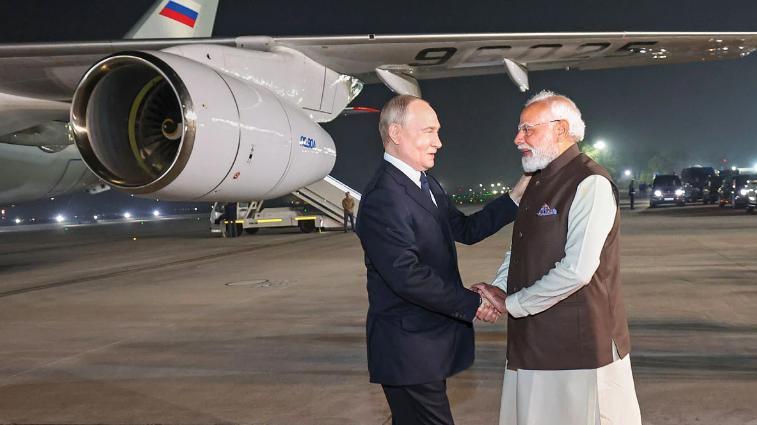
India sees BRICS as a way to engage China
India views the BRICS Summit as a strategic platform to navigate its complex relationship with China. Despite recent improvements in diplomatic ties following escalated border tensions in 2020, China continues to be perceived as India foremost strategic rival. The visit of Chinese President Xi Jinping to New Delhi, his first in seven years, is seen as a potential catalyst for further diplomatic engagement; however, there are minimal indicators suggesting a significant revival in trade and business relations between the two nations.
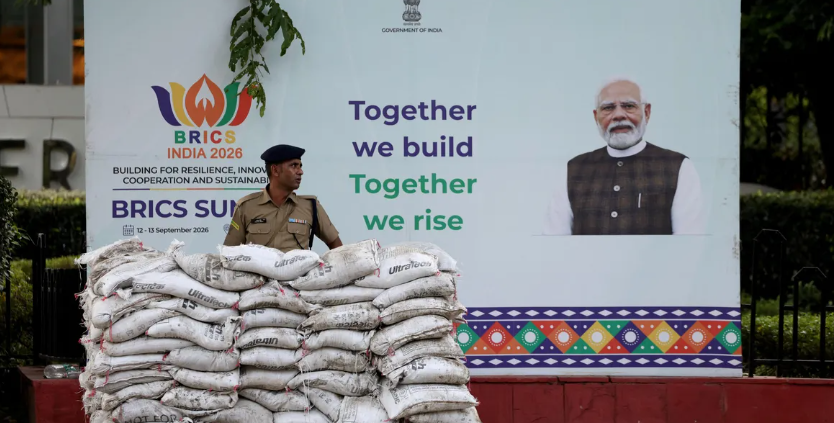
The upcoming summit represents a significant opportunity for India to engage with China and address outstanding bilateral issues, as noted by Donthi. India is interested in ensuring that BRICS Summit does not evolve into an explicitly anti-Western bloc.
To this end, New Delhi has been actively strengthening its relationships with various nations, including the United States, Israel, Japan, Australia, and European countries, while also valuing its long-standing ties with Russia. Donthi emphasized that India aims to project its strategic autonomy by participating in a non-Western grouping, while simultaneously recognizing the importance of engaging with China, its primary strategic competitor.
The grouping wants less reliance on the dollar
Reducing dependence on the U.S. dollar is a significant agenda for the BRICS Summit grouping, comprising nations like Brazil, Russia, India, China, and South Africa. Recent discussions among members have centered on enhancing trade using their own currencies and establishing payment systems aimed at minimizing reliance on Western financial institutions.
This initiative has gained traction, particularly in light of extensive sanctions imposed on Russia by Western countries. However, the transition away from the dollar poses substantial challenges due to its entrenched position in the global trade and finance ecosystem. Moreover, BRICS members each have diverse currencies, financial frameworks, and economic objectives, complicating the goal of a cohesive alternative.
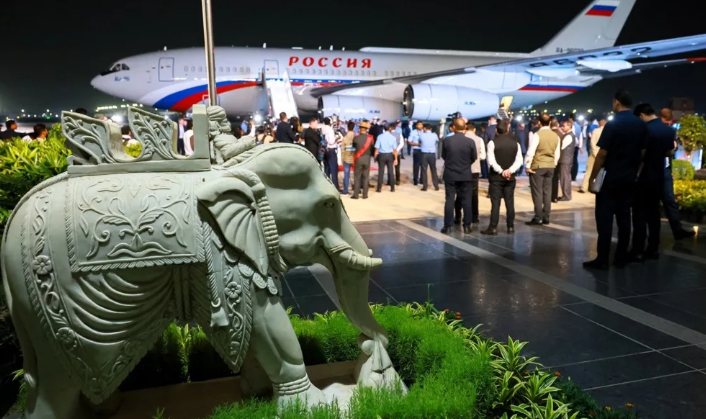
BRICS Summit Mahesh Sachdev, a former diplomat from India, emphasized that the aspiration should not involve direct confrontation with the dollar but rather a strategic reduction of exposure to a financial system that can exert political leverage. He highlighted the complexity of this endeavor, noting that it does not necessitate a binary approach or a head-on clash with the dollar but represents a nuanced challenge. In conclusion, while the aspiration to diminish dollar dependency reflects a broader strategic aim among BRICS nations, navigating the complexities of their varied economic landscapes will require careful planning and collaboration.
Its influence will depend on what it can deliver
BRICS’ growing membership enhances its potential influence, contingent upon the members’ ability to reach consensus on pragmatic initiatives. The group advocates for reforms in global financial institutions, aiming for greater representation of developing nations and alternatives to the current Western-centric systems. However, internal disagreements often hinder progress toward these objectives. Sachdev emphasizes the necessity for a unified and harmonious approach among BRICS nations.
He warns that if the organization remains merely a forum for discussion and symbolic gestures, its significance will diminish. Donthi suggests that BRICS Summit can measure success through incremental achievements such as maintaining unity within its expanded membership, strengthening relations with China, and fostering trade and financial collaboration. Furthermore, he believes that BRICS can provide a platform for developing countries that enables them to navigate between Western and non-Western alliances without coercion.
Summary
- India will look to bridge Iran-UAE divide at BRICS summit
- Xi likely visit signals China stake in expanded BRICS bloc
- Joint declaration hangs on Middle East compromise
- Modi China and Russia bilateral talks loom over BRICS meeting
Pingback: Russia Targets Kyiv Petrol Stations With Jet-Powered Drones as Deadly Strikes Escalate - internationalmediawire.com
Pingback: BRICS Leaders Challenge Unilateral Sanctions as Iran War Deepens Global Tensions - internationalmediawire.com