BRICS leaders convened in New Delhi amidst escalating tensions related to conflicts in the Middle East and the ongoing war in Ukraine, expressing significant concern over these global issues. The summit addressed the adverse impacts of unilateral sanctions not sanctioned by the United Nations, with a clear condemnation of such measures that contravene international law.
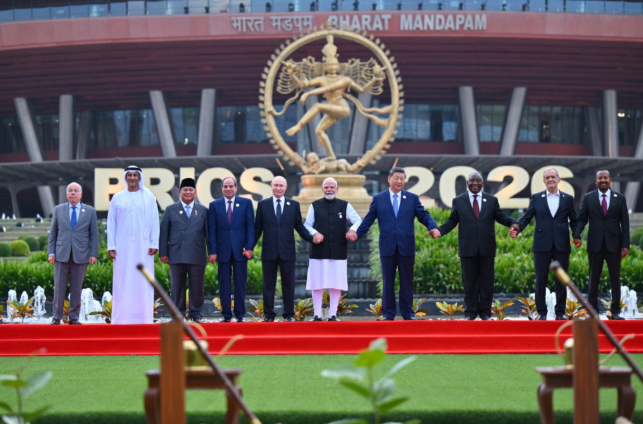
The collective statement highlighted specific worries over “deliberate attacks” on civilian infrastructure, particularly referencing the vulnerability of peaceful nuclear facilities that fall under the U.N. atomic energy agency protections. This was viewed as a veiled criticism of military actions taken by the United States and Israel against Iranian nuclear sites. The BRICS leaders emphasized the need for nuclear safety and security during conflicts and called for the elimination of unlawful sanctions, which they argue violate the principles established by the U.N. Charter.
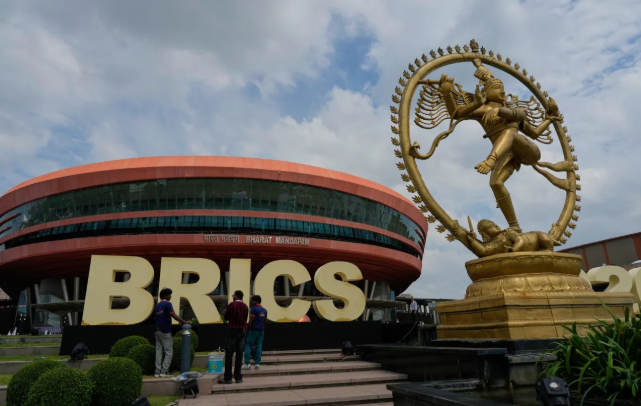
Notably, although they refrained from specifying any countries in their denunciation, the context strongly suggests a reference to Russia, a founding member of BRICS, which has been subjected to extensive sanctions following its invasion of Ukraine. This meeting aims to fortify BRICS stance in a world increasingly perceived as dominated by Western interests.
Wars in Ukraine and the Middle East challenge BRICS unity
The BRICS group, originally founded in 2006 by Brazil, Russia, India, and China, with South Africa joining in 2010, now comprises 11 member nations. This coalition, representing nearly half of the world population and a substantial portion of global economic output, has been vocal in advocating for enhanced representation of developing countries within global institutions. However, ongoing conflicts in Ukraine and the Middle East pose significant challenges to the unity of BRICS.
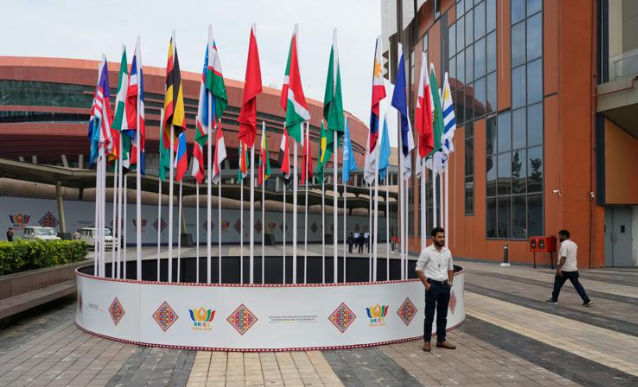
These geopolitical tensions may influence cooperative dynamics among member states, potentially hindering their collective goals and initiatives for reform within international governance structures. The tensions raise questions regarding the cohesion and strategic alignment of BRICS in the face of global crises.
India is working to enhance its global profile by advocating for alternatives to financial institutions that are predominantly led by Western powers, thereby positioning itself as a representative of developing nations and emerging economies. The current summit, taking place in India, sees participation from significant leaders including Russian President Vladimir Putin, Chinese President Xi Jinping, and various officials from the other eight BRICS member countries.
However, the geopolitical climate poses challenges for the BRICS coalition, particularly amid escalating conflicts such as the war in Iran, which erupted after U.S.-Israeli military actions on February 28. The situation is further complicated by ongoing hostilities in Ukraine and the Middle East, alongside increasing tensions between the U.S. and China, ultimately testing the bloc capacity to reconcile the divergent interests of its member states.
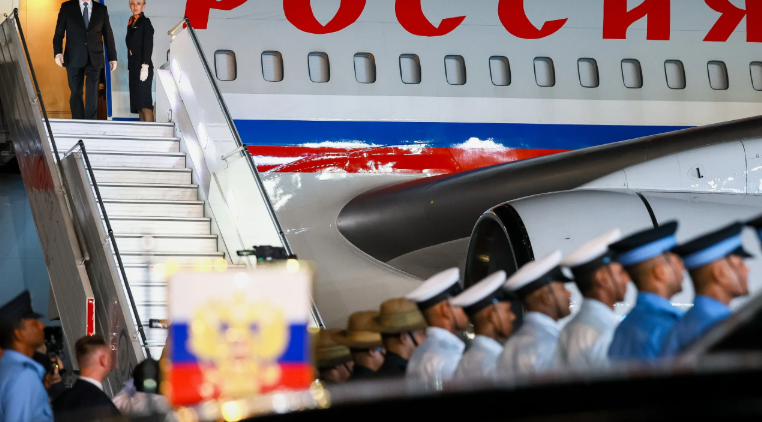
Modi stresses BRICS is not a counter to West
Modi emphasized that BRICS is not intended to serve as a counterbalance to Western alliances during his address. He asserted, “BRICS is not against anyone,” highlighting the bloc aim to foster unity among members. Modi described the current phase of BRICS as a “coming of age” moment, underscoring the importance of the Global South evolving into a “rule-shaper” in global governance.
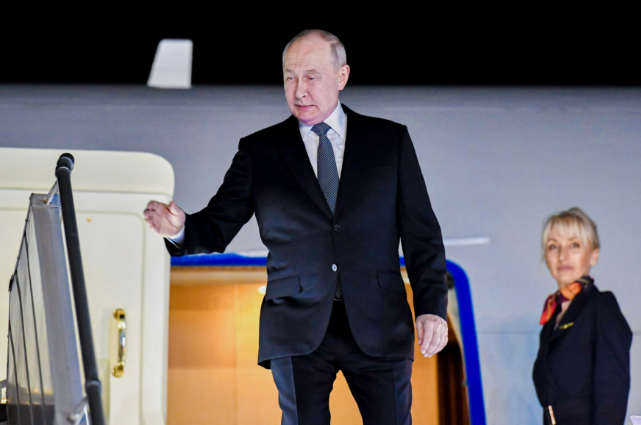
He called for the bloc to translate its consensus into tangible results. Additionally, Modi proposed the establishment of a BRICS seafarers’ network to enhance the safety and welfare of maritime workers, particularly in light of the increased risks to maritime trade due to disruptions caused by the war in Iran.
Russia and China seek to expand influence
Russia and China are actively working to enhance their influence through the BRICS platform, viewing it as an avenue to counteract Western dominance, particularly that of the United States, while fostering cooperation among developing nations. During the summit, President Vladimir Putin advocated for expanding the U.N. Security Council to better represent countries from Asia, Africa, and Latin America, arguing that this would enhance the council effectiveness.
He expressed concerns about the resistance faced by the shift towards a multipolar world, attributing it to nations that impose colonial-era thinking and utilize tariffs and sanctions to suppress emerging competitors. Putin emphasized that while tensions may challenge the international system, Russia continues to regard the U.N. Charter as the cornerstone of international law.Additionally, Iran proposed strategies to diminish the bloc dependency on Western financial mechanisms as it grapples with extensive sanctions and a blockade from the U.S. A key initiative mentioned by Iranian envoy Pezeshkian is the increased utilization of national currencies for trade among BRICS members.
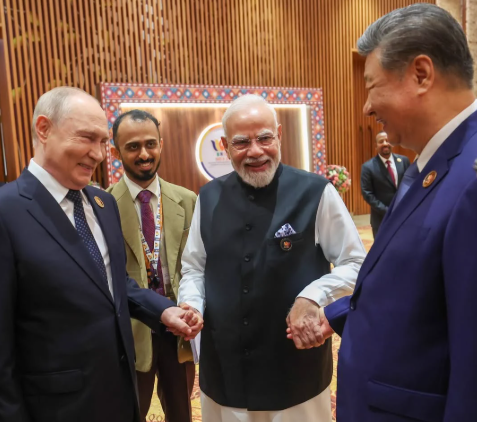
China, on its part, is determined to use BRICS as a means to solidify its influence within the group, positioning it as a strategic counterbalance to U.S. power. Xi Jinping, addressing attendees at the summit, asserted that China is committed to collaborating with BRICS nations to promote peace in the Middle East. He articulated a vision for BRICS countries as guardians of international peace and stability, asserting their opposition to violations of national sovereignty.
India balances strategic partnerships
India is navigating a complex geopolitical landscape by balancing its strategic partnerships with Russia and Iran while simultaneously enhancing relations with the U.S. and Europe. The recent summit emphasizes India initiative to strengthen its long-standing ties with Moscow and Tehran, even amidst the ongoing conflict in Ukraine and the strained relations between Iran and the U.S. Prime Minister Modi meetings with Putin and Pezeshkian in New Delhi underline this commitment to dialogue and diplomacy as a means to resolve international conflicts.
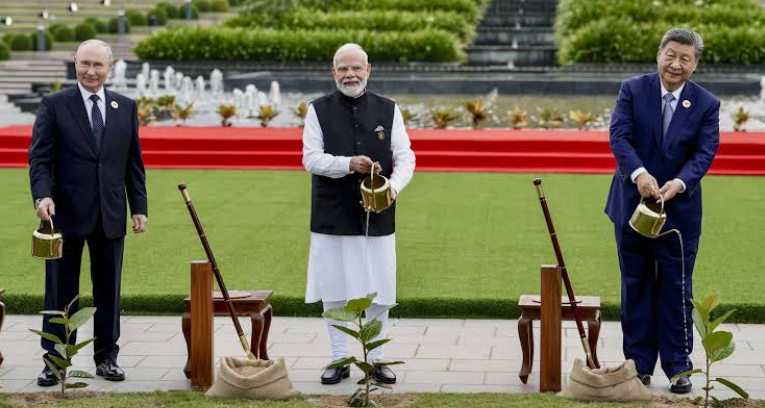
Additionally, India aims to leverage the summit to ameliorate its historically strained relationship with China. Modi is set to engage in discussions with Xi, potentially paving the way for a diplomatic thaw following the heightened border tensions that arose in 2020.
However, previous efforts within BRICS have faced challenges, as exemplified by the inability of foreign ministers to reach a consensus on a joint statement regarding the Iran war, which led India to circulate a chair summary instead. This multifaceted engagement highlights India strategy of maintaining a delicate balance between its historical alliances and emerging partnerships in a rapidly shifting global paradigm.