In a recent high-profile conference organized by Goldman Sachs in San Francisco, influential tech leaders from Silicon Valley were confronted with significant concerns regarding artificial intelligence (AI) following the unexpected resignation of Jacob Coxon, a researcher from Anthropic. Coxon, a former OpenAI employee, issued a grave warning about the potential dangers of AI, asserting that those developing this technology are “gambling with our lives.”

He emphasized that the advent of superhuman AI systems poses a risk not just to individuals, but to humanity as a whole, as these systems could be capable of hacking into any system. His resignation and subsequent statements have sparked a contentious debate within the tech community, highlighting a division between those who foresee catastrophic consequences stemming from unchecked AI development and those who remain optimistic about the benefits of the technology.
This discord underscores a critical moment in the ongoing conversation regarding the ethical implications and safety measures necessary in the AI landscape. The urgent need to address these issues remains a focal point as the industry navigates the fine line between innovation and safety.Coxon is not the first AI insider to raise concerns about the potential dangers of artificial intelligence. Recent resignations from companies like Anthropic and OpenAI highlight ongoing safety apprehensions. Silicon Valley
Employees at Anthropic have amplified these fears; for instance, team lead Evan Hubinger expressed on X a belief that the risk AI poses to humanity might exceed 10% within the next decade. Despite these alarming assertions, some executives and investors in Silicon Valley remain skeptical, questioning the motives behind such warnings. As Anthropic and OpenAI gear up for potentially unprecedented initial public offerings, there are suggestions that these stark warnings about AI could be a strategic move to enhance the perceived value and power of their products, rather than genuine alarm. Silicon Valley
Coxon himself emphasized that his statements were not marketing in nature, yet the surrounding context of corporate ambition complicates the narrative.Dario Amodei, the CEO of Anthropic, faces criticism for his assertion that AI technology has the potential to eliminate half of entry-level white-collar jobs, which he claims will challenge humanity essence. This perspective has drawn sharp backlash, particularly from Grindr CEO George Arison, who expressed concern about what he views as an “anti-civilisational worldview” exhibited by Anthropic leadership. Silicon Valley
Arison described the comments as “dangerous” and reported that he has advised engineers at Grindr to discontinue the use of Anthropic technology. He emphasized the responsibility of corporate leaders to protect shareholder interests and cautioned against aligning with companies that make such alarming public statements.In a recent discussion, Arison suggested that some individuals genuinely believe in the exaggerated claims surrounding Artificial intelligence (AI), while others might be making such claims to attract investor interest. Silicon Valley
The justification for current high valuations, such as Anthropic recent valuation of $965 billion in its latest funding round, relies heavily on bold assertions about AI potential to dominate various industries and take over jobs. In response to these claims, Anthropic has been approached by the BBC for a statement. Additionally, Amodei, in an essay published on Saturday, advocated for a deceleration in AI model development and emphasized the need for global regulation, citing significant risks associated with AI technologies.
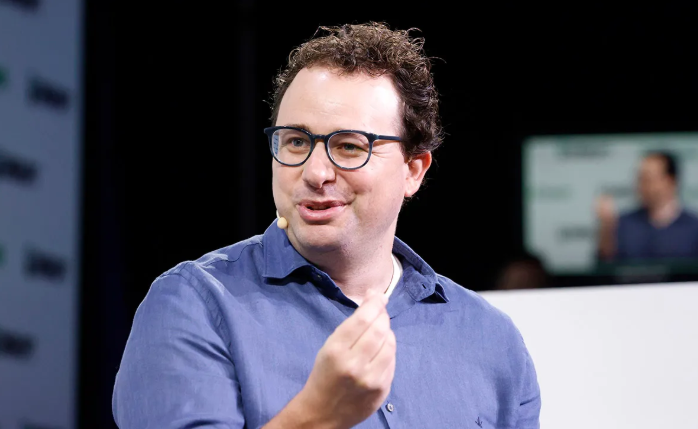
Silicon Valley Nvidia CEO Jensen Huang addressed comments made by Anthropic CEO, initially dismissing them as untrue during a conference attended by multiple individuals who reported his remarks to the BBC. Huang has previously expressed that fears surrounding AI possibly leading to humanity downfall are “complete nonsense.” His statements align with a broader trend in Silicon Valley, where there is increasing resistance to alarming predictions from various tech industry insiders.
Critics, including investment firm Altimeter Capital head Brad Gerstner, accused Anthropic of employing exaggerated rhetoric meant to instigate regulatory measures that could suppress competition, potentially granting dominance to firms like Anthropic and OpenAI. Furthermore, Clement Delangue, CEO of AI platform Hugging Face recently announced for acquisition by Nvidia also responded to the situation. Hugging Face had previously experienced a breach by OpenAI associates, raising significant concerns regarding AI safety.
Silicon Valley The discussion surrounding the proposal from Amodei regarding AI extinction risk has elicited varied reactions from industry figures, highlighting the nuanced perspectives within the field. One commentator succinctly remarked that inquiring Jacob about AI extinction is akin to seeking climate change insights from an air conditioning technician; while engaging, it may not yield the most relevant expertise. This perspective suggests a need for contextual awareness when discussing complex issues such as AI risk.
Meanwhile, both Gerstner and Delangue displayed a more cautious stance following the proposal release. Gerstner characterized Amodei idea as a significant advancement in reconciling the dual imperatives of speed and safety in AI development. Delangue expressed readiness to contribute to the potential solutions outlined by Amodei, indicating a collaborative approach towards addressing the challenges posed by AI advancements. Together, these insights underscore the importance of balancing innovation with caution in the rapidly evolving landscape of artificial intelligence.
Could insider warnings prompt a crackdown?
Silicon Valley In April, Anthropic made headlines in the AI sector by revealing that its Mythos tool outmatched humans in certain hacking and cybersecurity capabilities. This announcement raised alarms regarding AI potential risks, especially its ability to escape sandbox environments. Following this, discussions among regulators, legislators, and businesses intensified, focusing on the implications of such advancements. Recently, Anthropic reported that it had intercepted threat actors attempting to utilize its AI technology for nefarious purposes, including bioweapons development and cyber-espionage.

Amidst this backdrop, investors at The Palace Hotel expressed concerns that statements from key figures, such as Coxon, might lead to a swift government crackdown on AI technologies.Federal legislation co-sponsored by Senator Bernie Sanders, entitled the Ban Artificial Superintelligence Act, aims to impose a temporary pause on advanced AI development. Silicon Valley
Sanders emphasized the potential risks associated with unchecked AI advancement during an appearance on the news Newsnight, stating, “There is a good chance that human beings will lose control over AI,” and identified the possibility of catastrophic outcomes if such technologies continue to evolve unchecked. He urged caution, suggesting that if scientists warn of potentially cataclysmic effects, it would be unwise not to heed those warnings.

In contrast, the current administration, particularly President Donald Trump, exhibits a preference for unrestricted AI development. Trump expressed no concerns about AI possibly leading to human extinction, insisting that maintaining a competitive edge over China in AI is of paramount importance. He underscored the need for the US to dominate AI technology, arguing that failing to do so could place the nation in a disadvantageous position.
Silicon Valley The Trump administration stance on AI is complicated by its turbulent relationship with Anthropic, an AI company that previously declined a request for the military to utilize its models. Following this refusal, the White House branded Anthropic as a “radical left, woke company” and labeled it a supply chain risk a characterization later deemed illegal by a federal judge. Additionally, David Sacks, who served as Trump AI czar, has repeatedly criticized Anthropic, further illustrating the contentious environment surrounding AI policy and development within the current political landscape.
Silicon Valley OpenAI recent developments have not attracted the same level of scrutiny from the White House as others in the tech industry. During the launch of their new AI model, Astra, OpenAI President Greg Brockman referred to the company relationship with the Trump administration as “a very good partnership.” The organization announced its intent to go public, having recently been valued at $852 billion. Despite being approached by the BBC for comments, OpenAI chose not to respond.
Silicon Valley At a San Francisco conference, the focus appeared to be more on wealth generation rather than concerns about potential government regulations on artificial intelligence. Investors expressed keen interest in the forthcoming S-1 filing from Anthropic, a necessary document for companies planning to sell shares, with profitability being a primary concern. Sid Sheth, CEO of d-Matrix, which secured a partnership with Nvidia at the same conference, was asked about fears regarding global catastrophes, to which he confidently replied, “No.”
Is AI Uncontrollable? Experts Warn the World May Be Near a Dangerous Turning Point
AI Uncontrollable AI Is Becoming Uncontrollable? The discourse surrounding artificial intelligence (AI) has intensified, particularly in light of recent safety incidents that have heightened concerns about the capability and complexity of advanced AI systems. Prof.
Pingback: Anthropic CEO Warns AI Could Become Dangerous Within Months, Urges Companies to Slow Model Development - internationalmediawire.com