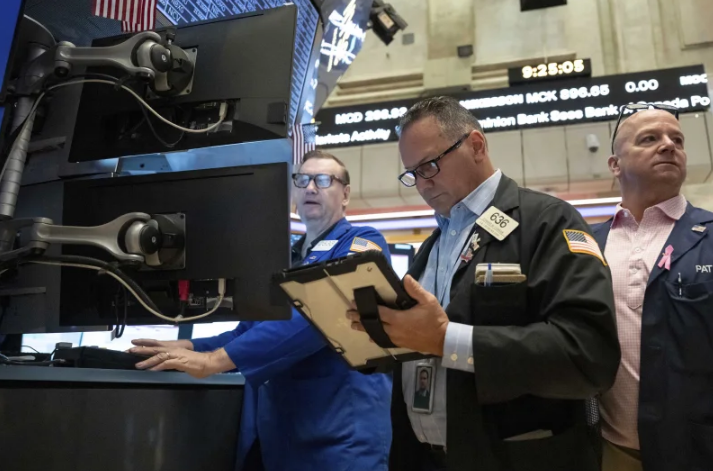
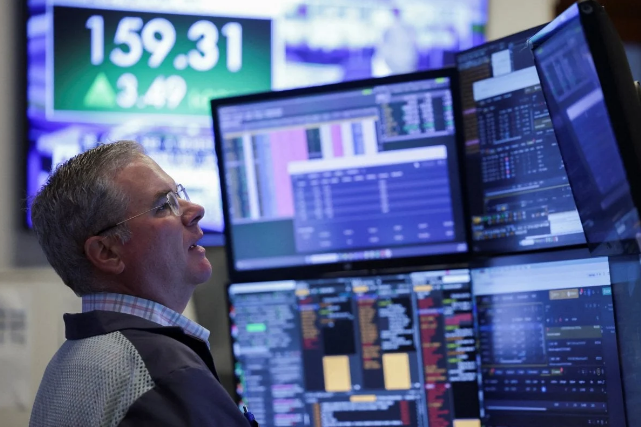
Oil prices have surged above $100 per barrel, climbing back to levels last seen in May, largely due to disruptions caused by the ongoing conflict in Iran. This resurgence in oil prices has heightened concerns regarding inflation and has exerted pressure on the bond market, contributing to a downturn in equity markets on Wall Street. Notably, the S&P 500 index experienced a 0.5% decline, marking its fourth consecutive loss, although it remains close to its all-time high achieved the previous month.
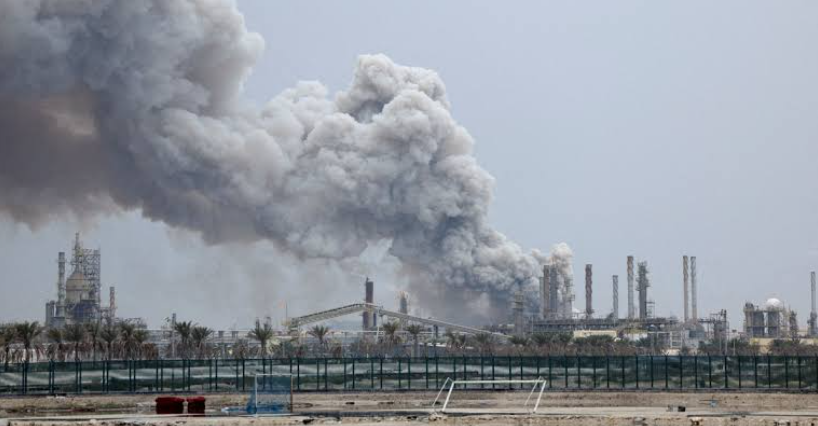
Oil Prices The Dow Jones Industrial Average saw a decrease of 340 points, equating to a 0.7% drop, while the Nasdaq composite index also fell by 0.5%. The increase in Brent crude prices, the international benchmark for oil, rose by 6.1%, crossing the $105 per barrel threshold for the first time since May. This ongoing volatility in oil prices is significant as it exacerbates inflationary pressures and impacts investor sentiment in the stock market.
Global oil prices and the war impact
Global oil prices, particularly Brent crude, which serves as a benchmark for approximately 75% of the world oil, have been experiencing significant fluctuations recently. As of late, the price for a barrel of benchmark U.S. crude surged by 6%, surpassing the $100 mark for the first time since just before Memorial Day.
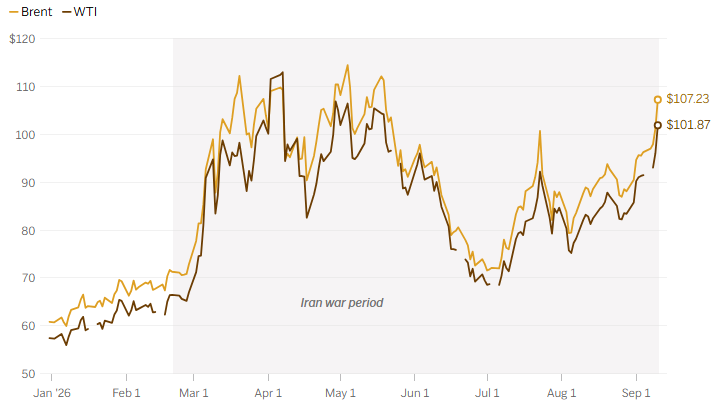
This sharp increase began in early July when Brent crude was priced below $72 per barrel. A contributing factor to these price changes is the diminishing prospects of a deal between the United States and Iran that would allow for the full reopening of the Strait of Hormuz, a critical passageway for oil tankers in the Persian Gulf.
President Donald Trump stated on Wednesday that a reduction in oil prices is unlikely before the U.S. midterm elections in November, which suggests that geopolitical tensions and market sentiments will continue to influence oil pricing in the near future.The recent surge in gasoline prices has resulted in an average cost of nearly $4.28 per gallon across the United States, as reported by AAA. This marks an increase of approximately 34% compared to the same time last year.
Oil Prices The rising prices at the pump are not only affecting consumers directly but also contributing to higher expenses for a wide range of products transported by truck to retail outlets. Furthermore, a report released on Thursday highlighted that inflation at the wholesale level has intensified, rising to 5.4% last month, compared to 4.8% in July. This uptick in wholesale inflation indicates that retailers may eventually pass these costs onto consumers. A forthcoming report is anticipated to provide insights into the inflationary pressures experienced by U.S. consumers.
The Federal Reserve typically combats high inflation by increasing its main interest rate, known as the federal funds rate. This increase has a cascading impact on the bond market, resulting in higher borrowing costs for U.S. households and businesses. Such measures are intended to decelerate overall economic growth and suppress investment prices, thereby alleviating some of the underlying factors contributing to inflation.
Oil Prices A recent report indicated that the U.S. job market remains resilient, with a decrease in unemployment benefit applications last week. This development may instill confidence in the Federal Reserve, suggesting that the economy could endure the pressures of elevated interest rates.
Following the latest reports, traders have increased their expectations regarding the Federal Reserve interest rate policies, now estimating a 72% chance of a rate hike at the upcoming meeting, a notable rise from the previous day 61% likelihood. This shift in sentiment persists despite former President Trump ongoing advocacy for lower interest rates. Concurrently, the European Central Bank has responded similarly by raising its interest rates, citing inflationary pressures exacerbated by the ongoing conflict in the Middle East.
Oil Prices This confluence of events has resulted in a notable increase in the yield on the 10-year Treasury bond, which climbed to 4.93%, up from 4.83% the prior day. This represents a significant shift within the bond market, reflecting an increase from just 3.97% prior to the onset of the war with Iran. The current yield levels also trend back to where they stood in autumn 2023, shortly after the Federal Reserve had raised the federal funds rate as part of its strategy to control the surging inflation that followed the COVID-19 pandemic.

These developments underscore the complexities of global financial dynamics, particularly as geopolitical factors continue to influence economic policy and market reactions.Higher yields on bonds, particularly the expected 5% yield on the 10-year Treasury a level not seen since October 2023 indicate that investors may become less inclined to pay high prices for riskier assets like stocks. Strategists from Bank of America Research Investment Committee highlight that a 7% yield could be a critical threshold, as historical trends suggest stock prices peaked around this level in markets such as Japan and the Nasdaq.
On the corporate front, Macy shares dropped by 4% despite stronger-than-expected profits and revenue for the latest quarter, alongside raised forecasts for earnings. The retailer cautioned about potential macroeconomic and geopolitical factors affecting consumer spending. Additionally, Macy reported receiving $116 million in tariff refunds, which enabled it to reduce prices on high-ticket items like furniture.
Homebuilders experienced a downturn as a report revealed that U.S. home sales fell in August, reaching their slowest annual pace in over a year. This decline is attributed to rising mortgage rates and escalating home prices, leading to significant stock price drops for major builders; Lennar decreased by 4.3% and KB Home by 4.2%.
Meanwhile, JetBlue Airways saw a 1.1% increase in its stock value after reporting strong booking trends, indicating that customers are willing to pay for flights despite higher fuel costs. The airline also mentioned that its revenue projections for the current quarter are improving compared to earlier forecasts. Conversely, stock markets in Europe and Asia faced declines, with Hong Kong Hang Seng Index dropping by 1.3%, one of the largest decreases globally.
Pingback: Trump Threatens Iran Over Pickaxe Mountain, Raising Fears of Possible U.S Nuclear Strike - internationalmediawire.com
Pingback: AI Warning Debate Divides Silicon Valley as Dramatic Predictions Face Growing Pushback - internationalmediawire.com