Conflict over Taiwan is warned to have catastrophic consequences for the global economy, surpassing the impacts of World War II, according to the de facto U.S. ambassador in Taipei. The anticipation of an upcoming U.S.-China summit presents a crucial opportunity to mitigate potential miscalculations regarding tensions in the Taiwan Strait. Although the U.S. does not maintain formal diplomatic relations with Taiwan, which is claimed by China, it serves as the island primary international supporter and arms supplier, emphasizing the significance of its role in regional stability and security.
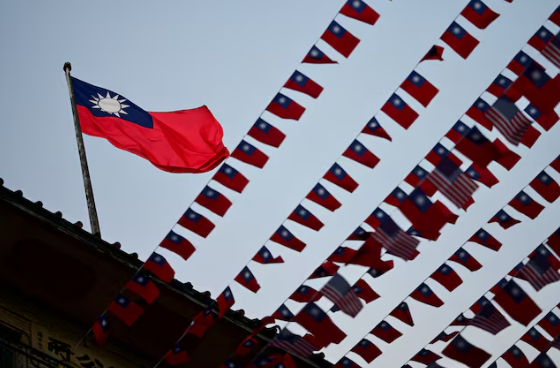
Speaking at a defense forum in Taipei, Raymond Greene, director of the American Institute in Taiwan, emphasized the critical importance of securing peace in the Taiwan Strait. He articulated that any conflict in this region could have far-reaching consequences, potentially affecting the global economy more significantly than the Second World War. Greene pointed out that the United States, particularly under the Trump administration, has prioritized peace preservation in the Indo-Pacific.
This commitment includes a robust approach to diplomacy, particularly at top levels of government. He highlighted the upcoming U.S.-China summit as a pivotal occasion to promote a relationship founded on strategic stability, fairness, and reciprocity, aiming to prevent misunderstandings and miscalculations between the two powers.
Chinese President Xi Jinping is scheduled to visit the United States later this month for discussions with President Donald Trump. In light of regional dynamics, U.S. officials, including Greene, have highlighted the strengthening of America presence and alliances in the Indo-Pacific to ensure a favorable balance of power.
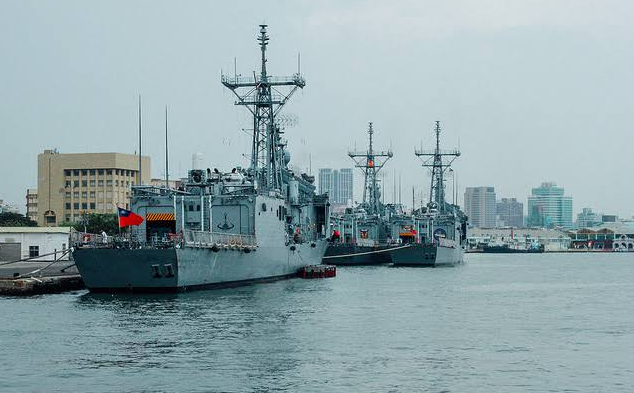
This strategy includes enhanced support for Taiwan, particularly in the context of its self-defense capabilities. Taiwan President Lai Ching-te administration has prioritized increased defense spending and military modernization due to perceived threats from China. Notably, Taiwan government has proposed a defense budget exceeding T$1 trillion for the upcoming year, marking a significant escalation in its defense expenditures amidst rising tensions.
U.S. Envoy Warning
Raymond Greene, the highest-ranking U.S. diplomat in Taipei representing the American Institute in Taiwan, has issued a stern warning regarding the potential consequences of a conflict across the Taiwan Strait. He emphasized that such a conflict would lead to devastation that far exceeds the levels witnessed during World War II. This grave statement underscores the serious implications of military engagement in the region, highlighting the need for diplomatic efforts to maintain peace and stability.
Economic Concentration
U.S. officials, notably Treasury Secretary Scott Bessent, have expressed concerns regarding Taiwan dominant position in the global semiconductor industry, where it accounts for approximately 97% of advanced semiconductor production. This concentration of manufacturing capability is viewed as a critical “single point of failure,” posing significant risks to the global technology and manufacturing sectors. The implications of such economic concentration could lead to vulnerabilities, affecting supply chains and technological advancements worldwide. This situation underscores the necessity for diversification in semiconductor production and the potential geopolitical ramifications that may arise from Taiwan pivotal role in this key industry.
Global Output Risk
Analysts, along with congressional commissions, project that a conflict or blockade involving Taiwan could have catastrophic economic repercussions worldwide. This scenario is estimated to result in a reduction of global GDP by as much as 5% to 10%. The potential economic fallout from such an event is anticipated to reach multi-trillion-dollar losses, thereby leading to a significant collapse of supply chains globally. The severity of these impacts underscores the critical geopolitical importance of Taiwan in international trade and economic stability.
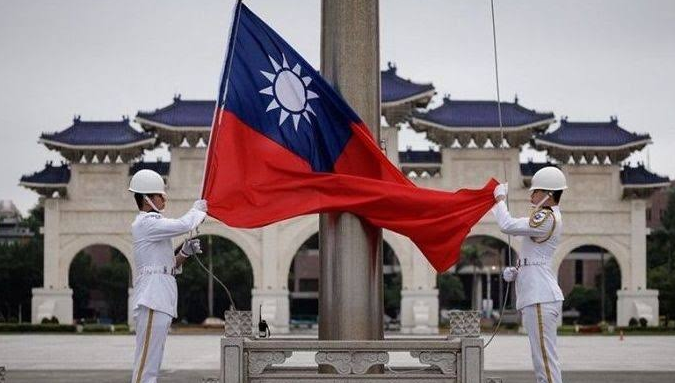
Diplomatic and Defense
Upcoming Summit
U.S. and Chinese leadership regard the forthcoming high-level summits as essential mechanisms for maintaining strategic stability and averting potentially catastrophic misunderstandings. The summits are seen as critical opportunities for dialogue and negotiation, aimed at addressing mutual concerns and enhancing communication between the two nations. By engaging in these discussions, both countries hope to better manage their complex relationship and reduce the risks associated with miscalculations in their strategic interactions.
Taiwan Defense
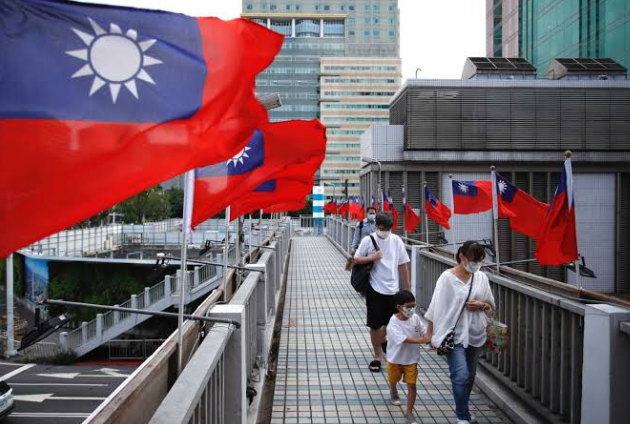
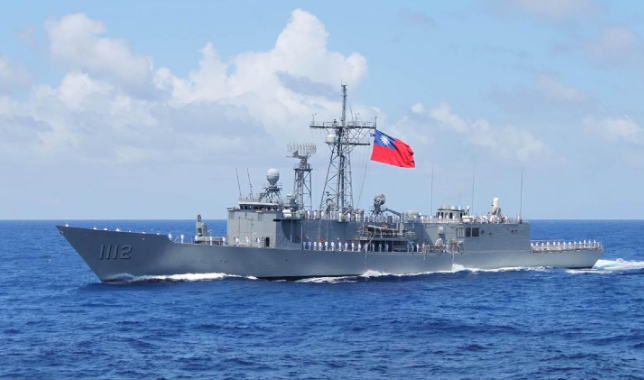
Taiwan is significantly enhancing its military capabilities and increasing its defense budget to more than T$1 trillion. This strategic move aims to bolster its self-defense in light of escalating pressures from Beijing, highlighting the island commitment to countering external threats and ensuring its security amidst rising regional tensions.
Pingback: U.S Iran Attack: Oil Prices Surge Above $100 as U.S Iran Attacks Raise Global Supply Fears - internationalmediawire.com
Pingback: China Philippines Tensions: Escalate as South China Sea Dispute Sparks War of Words - internationalmediawire.com
Pingback: Oil Prices Surge Above $100 as Iran War Sends Wall Street Lower - internationalmediawire.com