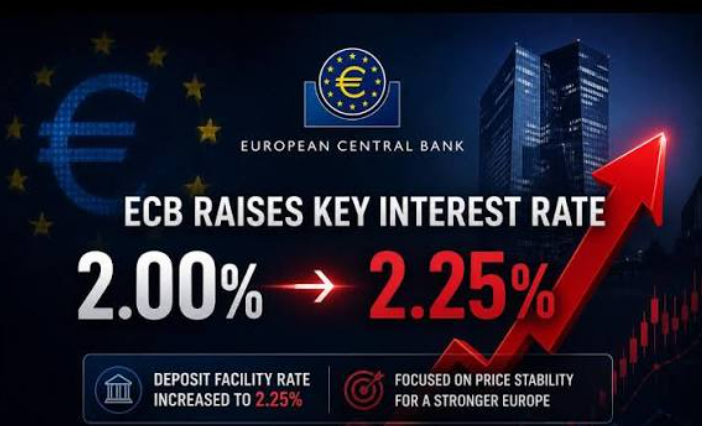
ECB Raises Interest Rates: On September 10, 2026, the European Central Bank (ECB) raised its deposit rate by 25 basis points to 2.50% in a strategic move to address inflation exacerbated by rising energy costs linked to the ongoing Iran war. This increase reflects a responsive measure against an inflation surge and was accompanied by an upward revision of growth and inflation forecasts. The ECB, which serves the 21 EU member nations that utilize the euro, deemed this rate adjustment necessary as inflation continued to soar, driven significantly by high oil prices resulting from the conflict in the Middle East. ECB Raises Interest Rates

During a news conference, ECB President Christine Lagarde emphasized the sustained inflationary pressures stemming from the situation and indicated that inflation rates were expected to remain significantly above the target for an extended duration.
The ECB decision to hike rates was bolstered by a stronger-than-anticipated performance of the economy, suggesting that businesses within the Eurozone are likely to adapt to the increased costs of borrowing. This monetary policy adjustment underscores the central bank commitment to reevaluate its economic strategies in light of fluctuating global conditions and their impact on regional inflation trends.
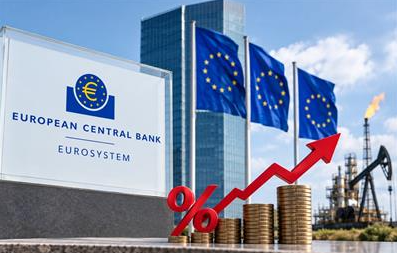
ECB Policy Response to Surging Inflation
On September 10, the European Central Bank (ECB) announced a second increase in interest rates for the year, a move that had been anticipated in light of escalating inflation rates. This inflation surge is attributed primarily to the rising energy costs stemming from the ongoing conflict in Iran, which has significantly impacted the economic landscape and prompted the ECB to take action aimed at stabilizing prices and curbing inflationary pressures. ECB Raises Interest Rates
Energy Costs and Inflation Pressures
ECB Raises Interest Rates Surging oil and natural gas prices have significantly contributed to inflation levels exceeding 3% in the 21-country euro zone, surpassing the European Central Bank (ECB) target of 2%. The situation is exacerbated by escalating conflict, which is likely to exert additional pressures on prices. This inflationary trend raises concerns that rising costs may influence wage-setting, potentially leading to a broader economic impact.
ECB Economic Outlook and Projections
The European Central Bank (ECB) has expressed significant uncertainty regarding future economic conditions in its latest economic outlook and projections. In a statement following its policy meeting in Berlin, the ECB indicated that while inflation risks may lean upward, economic growth risks appear to lean downward. This reflects the complex and fluctuating financial landscape that the ECB must navigate, as the traditional practice of holding an annual policy meeting in different euro zone cities continues.
The statement underlines both the challenges faced in maintaining economic stability and the varied factors that influence inflation and growth predictions.ECB Raises Interest Rates The European Central Bank (ECB) has revised its economic growth forecast for 2026, increasing it to 0.9% from the earlier estimate of 0.8% made in June. In terms of inflation, the ECB anticipates an average rate of 3.0% for the current year, with a slightly lower projection of 2.5% for 2027. In conjunction with these updates, the ECB has raised its benchmark deposit rate to 2.5%.
This rate aligns with the upper boundary of the “neutral” range, which is described by policymakers as neither supportive nor restrictive to economic growth. While there is speculation among financial investors regarding potential further rate hikes later this year and into 2027, the ECB is expected to proceed cautiously, reflecting a mixed economic outlook that tempers immediate aggressive monetary policy actions. ECB Raises Interest Rates
Impact of Energy Prices and Economic Growth
High energy prices are contributing to ongoing inflation concerns, exacerbated by the protracted U.S.-Israeli conflict with Iran that commenced in late February. The situation is compounded by rising natural gas costs, with storage levels reported to be below historical averages as the winter heating season approaches. Despite these troubling signs, economic growth has proven more robust than initially anticipated, reflecting a resilience that could exert additional upward pressure on inflationary trends.
Underlying Inflation and Wage Growth Trends
Underlying inflation, which excludes the impact of volatile food and fuel prices, has shown a slowdown, with recent data indicating a decrease influenced by moderating services inflation. Despite ongoing high energy costs, which have not yet propagated to the prices of other goods and services, concerns about quick second-round effects remain unfounded. Additionally, wage growth, an important indicator for assessing price pressures, continues to decline, suggesting that inflationary pressures may not be as immediate or severe as previously feared.
Financial Markets and Future Outlook
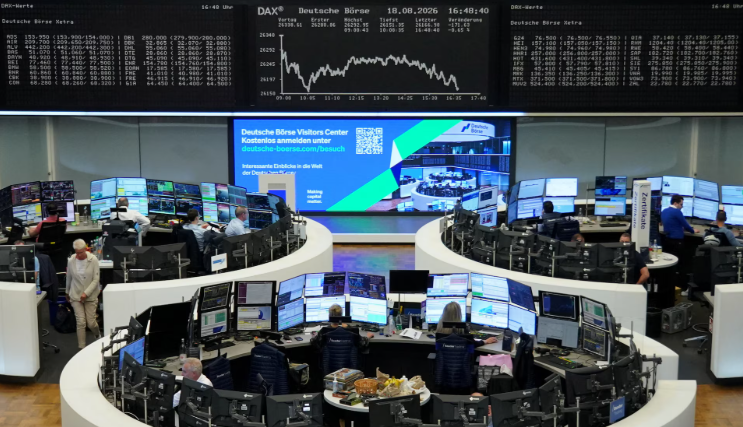
ECB Raises Interest Rates Financial Markets and Future Outlook discusses the recent surge in bond yields, which is primarily attributed to increases in U.S. Treasuries and the subsequent tightening of financing conditions. This trend indicates that the financial market is responding proactively to inflationary pressures, mitigating some of the inflation control efforts typically undertaken by central banks.
ECB Raises Interest Rates The document highlights that although price pressures persist, they are considerably lower than the extraordinary inflation levels seen in 2022, which exceeded 10% due to soaring energy prices following Russia invasion of Ukraine. This context sets the stage for a more stabilized economic outlook, suggesting that the challenges faced in the previous year may be transitioning towards more manageable conditions.
ECB Raises Interest Rates as Oil Prices Fuel New Inflation Fears Across the Eurozone
ECB Raises Interest Rates The bank last raised interest rates during its meeting on June 11, choosing to pause on July 23. As inflation pressures mount, the U.S. Federal Reserve, led by Chair Kevin Warsh, is expected to convene again on September 15-16, with concerns lingering over U.S. inflation, currently at 3.7%.
The Federal Reserve challenge includes navigating high energy prices, which have been a significant factor in eurozone inflation, reported at 3.3% in August exceeding the bank target of 2%. The surge in oil prices, surpassing $100 per barrel amidst geopolitical threats affecting the Strait of Hormuz, complicates rate decisions as the duration of shipping disruptions and escalating oil costs remains uncertain.ECB Raises Interest Rates typically serves to temper inflation by increasing borrowing costs, which subsequently lowers consumer demand for goods, ranging from homes to industrial investments, thus alleviating pricing pressures.
The European Central Bank (ECB) actions influence financial institutions and subsequently affect lending rates throughout the economy. As articulated by Carsten Brzeski, global head of macro at ING bank, the ECB decision is a proactive measure to maintain vigilance against inflationary pressures, particularly in response to rising energy prices, aimed at preventing these increases from permeating the broader economy.
Pingback: Moonshot AI Eyes Dual IPOs in Hong Kong and Shanghai to Raise Fresh Capital - internationalmediawire.com
Pingback: NATO Allies Foil Alleged Russian Undersea Cable Sabotage Plot Amid Ukraine War - internationalmediawire.com