Chinese AI: U.S. federal agencies have accused Chinese artificial intelligence (AI) firms of engaging in “industrial-scale” theft of American technology, claiming that these companies are maliciously copying trade secrets to expedite their development and reduce costs. The FBI, National Security Agency, and Cybersecurity and Infrastructure Security Agency allege that major Chinese tech firms utilize a method known as “distillation.” This technique allows them to train smaller, less costly AI models on the outputs of more advanced U.S. models, effectively extracting proprietary functionalities and capabilities.
This alleged theft could exacerbate tensions between the U.S. and China ahead of an upcoming meeting between the leaders of the two nations, as the U.S. continues to express concerns about intellectual property violations and competitive fairness in the tech industry. The accusations highlight broader concerns regarding the integrity of technological advancements and the potential implications for national security and international relations.
U.S. Warns Chinese AI Firms Distillation Campaigns Could Boost Military and Cyber Capabilities
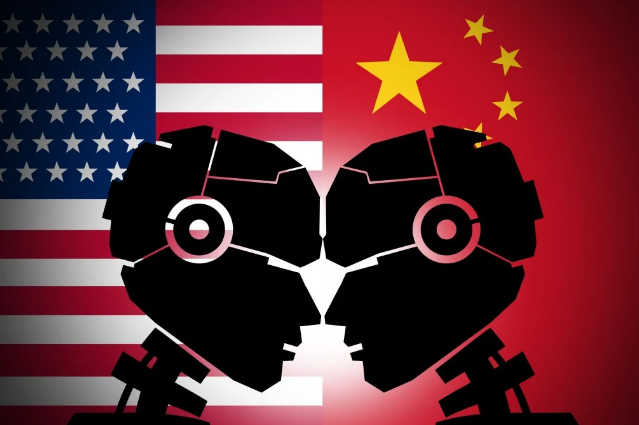
Distillation, often seen as a legitimate research technique, has drawn scrutiny from American officials and AI executives, who argue that China extensive and targeted distillation campaigns against U.S. firms amount to theft. A new advisory from U.S. officials substantiates these claims, amplifying the escalating tensions between the U.S. and China in the realm of AI technology. President Donald Trump has emphasized that discussions on AI will take place during an upcoming meeting with Chinese leader Xi Jinping in Washington, D.C.
Chinese AI The advisory points out the large scale and sophistication of these campaigns, asserting that distillation is not merely supplementary to AI model development in these firms, but rather a fundamental aspect. U.S. officials have accused six Chinese companies, including DeepSeek, Moonshot AI, and Alibaba, of utilizing adaptations of American-made AI models to expedite the training of their own AI products, actions that likely occurred with the knowledge of the Chinese government.
The statement highlights that these Chinese companies have been specifically targeting AI models from prominent organizations like Anthropic, OpenAI, Google, and SpaceX. U.S. officials characterized these distillation activities as aggressive, malicious, and industrial-scale operations conducted by China-based AI firms. These allegations come as the Trump administration gears up for Xi Jinping visit to the U.S. in late September and prepares for discussions related to AI safety risks in a dialogue anticipated for mid-September.
Chinese AI The Chinese embassy in Washington did not respond to inquiries regarding allegations of knowledge distillation involving U.S. artificial intelligence (AI) models. This accusation mirrors a previous claim made in April, coinciding with former President Trump visit to Beijing. According to the latest statements, the distillation process not only lowers research and development expenses for Chinese AI companies but also augments China military and cyber capabilities that may be directed against the U.S. and its allies.
China AI Firms Face Sanctions Threat Over Alleged Theft of U.S. AI Models
Chinese AI Reports from Reuters on July 31 indicated that Chinese military researchers have utilized outputs from prominent U.S. AI models to enhance domestic AI systems and bolster defense measures. U.S. agencies highlighted that AI firms in China navigate around restrictions imposed by American companies by employing intermediary “transfer stations,” which allow them to sidestep geographic limitations and terms of use. Specific companies, such as DeepSeek and Alibaba Group, have been identified as participating in extensive knowledge distillation efforts against U.S. firms.
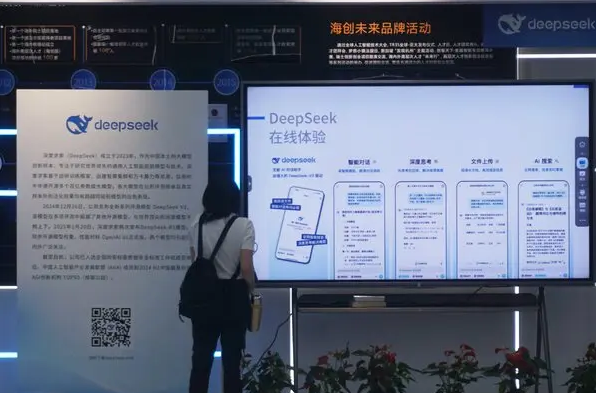
Treasury Secretary Scott Bessent has warned of potential sanctions against Chinese firms implicated in these distillation practices. He asserted that if Chinese firms engage in covert IP theft on an industrial scale, sanctions and designations on the Entity List could follow. CNN has also sought comments from the Chinese embassy, DeepSeek, and Alibaba regarding these allegations.
Chinese AI Further allegations were made by Anthropic, which accused three Chinese AI laboratories of orchestrating a large-scale campaign to extract capabilities from its AI model, Claude. This campaign reportedly involved over 16 million interactions with Claude through around 24,000 fraudulent accounts. The rise in popularity of Chinese open-weight AI models can be attributed to their high customizability, ability to operate offline, and generally lower cost compared to U.S. alternatives.
The global race for AI supremacy has intensified the focus on American firms, particularly regarding cyber threats. According to a report from Google Threat Intelligence Group, hackers are increasingly targeting AI assets, highlighting a diverse range of motivations behind these attacks. The report emphasizes that proprietary AI models and source codes are now prime targets, revealing a significant shift in the landscape of cybersecurity.
It points out that various enterprise AI assets, including model weights and cloud compute quotas, are considered high-value targets for espionage, extortion, and resource theft. This trend underscores the critical importance of safeguarding AI technologies as they become integral to national and corporate security.
Pingback: Apple Unveils iPhone Duo With Breakthrough Foldable Design - internationalmediawire.com
Pingback: China Philippines Tensions: Escalate as South China Sea Dispute Sparks War of Words - internationalmediawire.com
Pingback: ECB Raises Interest Rates as Energy Driven Inflation Fuels Fresh Economic Concerns 2.25% → 2.50% - internationalmediawire.com