The midterm elections on November 3 will play a significant role in shaping President Donald Trump final two years in office, as they will determine which party controls Congress. For Democrats to achieve a majority, they require a net gain of four seats in both the US House of Representatives and the Senate, where Republicans currently hold a narrow lead with 218-214 in the House and 53-47 in the Senate. There are expectations that Democrats may take control of the House; however, the Senate race remains highly competitive and uncertain.

In 2026, the US midterm elections are scheduled for November 3. These elections are significant as they will determine the control of all 435 seats in the House of Representatives, 33 seats in the Senate, and 39 governorships. The outcomes of these elections will play a crucial role in shaping the final two years of Donald Trump presidency.Midterm Election Trump approval rating is at its lowest point throughout his presidency, coupled with polling trends that currently favor Democrats, suggesting a potential shift in power in Washington. Despite a possible Democratic victory in one or both chambers, Trump would still maintain his veto power and considerable executive authority.
This reality would limit the Democrats’ capacity to push through major legislative changes, even if they manage to gain control over Congress. Overall, the election results could create a complex political landscape, impacting legislative action and governmental dynamics during Trump remaining term.Midterm Election Analysts, strategists, and economists consulted by Reuters have indicated that disputes over increasing the debt ceiling and government funding are anticipated in 2027,
Irrespective of the election results. This prediction suggests potential volatility in financial markets and for investors next year, as forecasted by two economists. Furthermore, election officials have expressed concerns regarding possible interference from the Trump administration in the electoral process. The document outlines various possible scenarios and their implications for Trump presidency, Congress, and the overall economy, highlighting a landscape of uncertainty and contention in the political and financial realms.

Democrats Win the House, Not the Senate
Midterm Election Democrats have successfully regained control of the House of Representatives, with a majority projected to range between 5 to 20 seats. This shift in power will enable them to control key House committees, thereby granting them subpoena power and the authority to conduct investigations into President Trump and his administration. The implications of this victory are significant, as it marks a pivotal moment in the political landscape, allowing Democrats to challenge and potentially scrutinize the current administration policies and actions.
Midterm Election The political landscape surrounding the Trump administration remains contentious, with several prominent issues at the forefront. Officials from this administration who have been served subpoenas may resist compliance, largely due to a Justice Department perceived as loyal to Trump, which would likely refrain from enforcing these legal requests. Furthermore, Trump maintains significant veto power and extensive control over critical policy areas such as tariffs, immigration, and foreign relations.
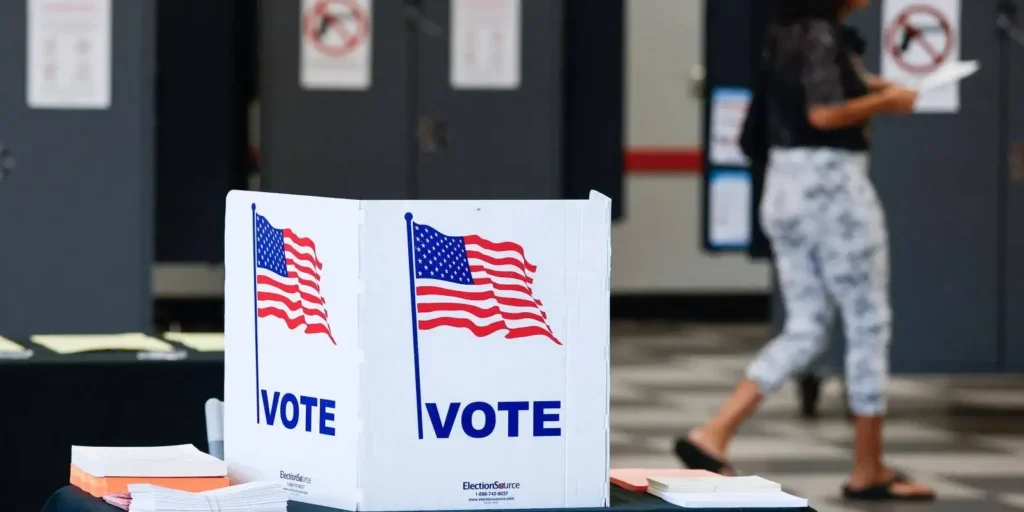
In the Senate, Republican opposition continues to thwart many initiatives put forth by Democrats, limiting their ability to advance their agenda. Although Democrats might successfully pass symbolic “messaging” bills that address topics like healthcare, abortion rights, housing, and AI data centers, the likelihood of these legislations transforming into enforceable laws appears minimal. Looking ahead, significant challenges loom for the federal government, including potential confrontations over the debt ceiling, budget disputes, and threats of government shutdowns anticipated in 2027, which could further complicate the political dynamics.
Midterm Election Democrats possess the ability to investigate former President Trump and his administration via hearings and subpoenas; however, they do not have the capacity to significantly alter policy direction. Analysts predict that a confrontation regarding the debt ceiling may occur by the summer, potentially causing volatility in markets and unsettling investors. Over the past two years, Trump has predominantly circumvented Congress, and it is anticipated that he will persist in pushing his agenda primarily through executive orders. The document discusses the implications of a Democratic House majority of 20 to 40 seats, highlighting several key points.

Midterm Election With such a majority, Democratic leadership would have greater flexibility to accommodate party defection and push forward their agendas. Additionally, the influx of more progressive freshmen members might amplify demands for the impeachment of former President Trump. There is also a potential shift in Republican dynamics, as some may feel encouraged to distance themselves from Trump on contentious issues like tariffs and the Iran conflict. A larger Democratic majority would likely enhance their bargaining position in budget and debt ceiling negotiations, facilitating the possibility of securing concessions from Republicans.
Midterm Election This increased strength in numbers would provide Democrats with a clearer path to pass legislation concerning healthcare, abortion rights, and living costs, thereby placing Senate Republicans in challenging positions on these issues. Despite this advantageous positioning, the document cautions that significant legislative achievements may be constrained, as Senate Republicans have the power to obstruct progress, and Trump retains veto authority over any passed bills. Therefore, while Democrats are expected to push forward legislation aimed at addressing inflation, limiting Trump military powers, and opposing data centers, the likelihood of major legislative breakthroughs remains low. Furthermore, the document acknowledges that Trump is capable of pursuing executive actions and that confrontations over the debt ceiling are anticipated.

Democrats Win the House, Senate Splits 50-50
Midterm Election Democrats have secured control of the House of Representatives, while the Senate remains evenly split at 50-50, with Republicans retaining control due to Vice President JD Vance ability to cast tie-breaking votes. This political landscape suggests that key votes will hinge on a few senators who are willing to cross party lines. Notably, Pennsylvania Democrat John Fetterman and several moderate Republicans may play pivotal roles in this dynamic. As a result, negotiations over the debt ceiling and budget are likely to become increasingly unpredictable; both parties cannot afford to lose any votes.
Midterm Election This situation grants significant influence to these swing senators, enabling them to shape or postpone critical legislative agreements. The potential for gridlock in Washington looms large, with the decisions of a select few senators likely dictating the outcomes of fiscal policies, judicial appointments, and broader political discourses. Furthermore, former President Trump may benefit from Vance tie-breaking votes for Senate confirmations of his nominees, allowing him to maintain a degree of control over significant aspects of governance. His policies on tariffs, immigration, and foreign affairs are expected to remain largely undeterred by this Senate configuration. Midterm Election
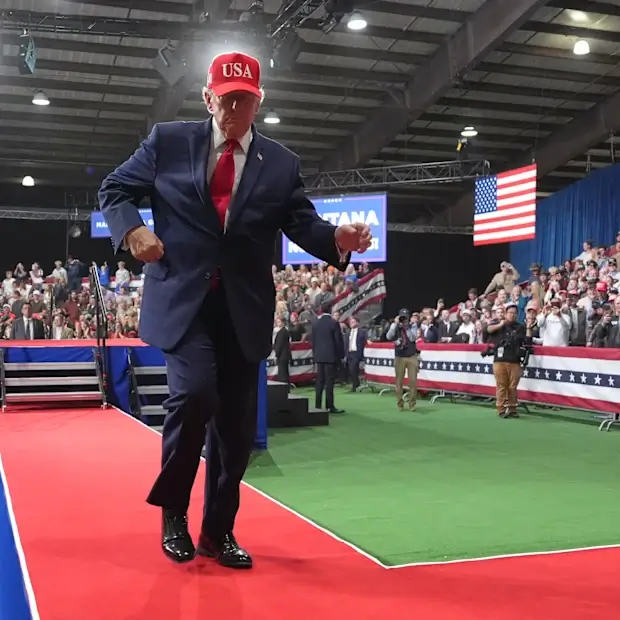
Democrats Win the House and Senate
Midterm Election In the recent elections, Democrats have achieved significant victories by winning control of both the House and Senate, which has considerable implications. The control of the Senate, in particular, is crucial as it oversees judicial confirmations, cabinet appointments, and ambassadorial nominations, enabling the majority party to shape the government executive framework. The Democrats currently hold a slim majority in the Senate by 2 seats, facilitating their authority over Senate committees and the legislative agenda.
Midterm Election This majority empowers them to potentially block numerous judicial nominees put forth by President Trump and could lead to a strategic delay in filling any vacancies in the US Supreme Court until after the presidential elections in 2028. However, Republicans may attempt to expedite confirmations before the newly elected Congress convenes in January. Despite this shift in control, Trump maintains his veto authority and executive powers, complicating the path toward significant legislative achievements.

Notably, many proposed laws will continue to require a supermajority of 60 votes to bypass the Senate filibuster, a rule that allows the minority party to obstruct or protract legislative processes. This situation indicates that while Democrats hold a greater bargaining power concerning the debt ceiling and budget discussions, substantial legislative progress is hindered by narrow margins, the existing filibuster, and the president veto capabilities. As the Democrats aim for a Senate majority ranging between 4 to 6 seats, their control represents a critical check on Trump appointments; yet, the combination of limited majorities and procedural hurdles suggests that significant legislative victories may remain out of reach. Midterm Election
Midterm Election The analysis of the current political landscape suggests that Democrats, with an increased Senate majority of eight seats or more, have a favorable position in advancing legislation that addresses pressing voter concerns such as healthcare costs, tariffs, living expenses, and constraints on presidential war powers. This greater majority provides them the leeway to afford some electoral defections, allowing for a more robust legislative agenda that could compel President Trump to utilize his veto power on various bills. These veto challenges could serve as a strategic framing tool for the Democrats in the upcoming 2028 campaign, highlighting their stance vis-à-vis economic issues and their role in governance.
Midterm Election Despite the enhanced position, it is important to note that judicial confirmations may stagnate, and Democrats will encounter hurdles in surpassing filibuster restrictions, overriding vetoes, or pursuing Trump impeachment should the House lean towards that direction. This underscores that while Democrats hold more significant leverage in fiscal negotiations regarding government funding and the debt ceiling, they’re still limited in their capacity to implement substantial reforms without potential bipartisan cooperation. Midterm Election
Midterm Election Trump, on the other hand, is positioned to benefit politically from this dynamic, as he can portray the Democrats as co-responsible for economic difficulties and the inefficiencies of Washington legislative process. This interplay effectively creates a dual narrative where Democrats face public expectations to address economic concerns seriously, while also navigating the political ramifications of shared responsibility in governance.
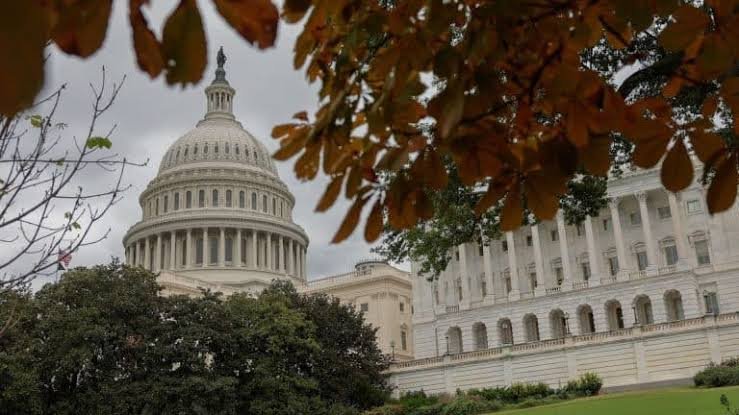
Republicans Keep Control of Both House and Senate
Midterm Election In the face of a challenging political environment, it remains theoretically possible for Republicans to maintain control over both the House and Senate, despite the presence of several vulnerable members within the House. Should this occur, it would have significant implications for President Trump and the Republican Party. They would be able to assert a renewed mandate for the remaining two years of Trump presidency.
With unified control in Washington, Trump administration would likely operate with minimal congressional constraints, allowing for the continuation of his agenda, particularly in advancing judicial nominees and other key appointments. Additionally, such a scenario would likely mitigate risks associated with potential budgetary conflicts, government shutdowns, and debates over the debt ceiling, leading to a more stable political climate. Midterm Election
In the event that Democrats secure victories in both the House of Representatives and the Senate, resulting in either a Democratic majority in the House or a split Senate with a 50-50 division favoring Democrats, the governance will be characterized as a divided government. This scenario will significantly constrain President Trump legislative authority during the remaining two years of his term. Consequently, the focus of his administration is expected to shift predominantly towards executive orders and foreign policy initiatives. Additionally, the possibility of impeachment inquiries against him may increase, as the dynamics of a divided government often precipitate heightened political scrutiny and contention.
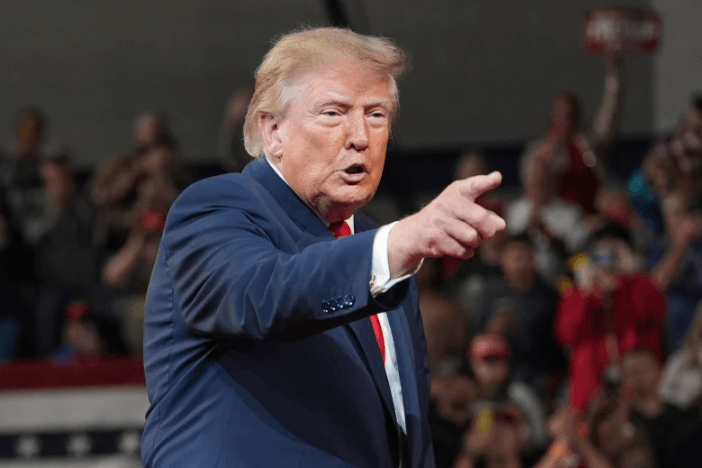
Summary
- The November 3 US midterm elections could reshape Congress and influence President Donald Trump final two years in office.
- If Democrats win the House, they could investigate the administration, control key committees, and challenge Trump policies, while Senate Republicans could block much of their legislative agenda.
- Midterm Election If the Senate is evenly split, Vice President JD Vance tie-breaking vote could help Republicans retain control, making key legislative decisions highly unpredictable.
- If Democrats win both chambers, they could gain greater influence over judicial nominations, government funding, healthcare, and other policies, but Trump veto power and Senate filibuster rules would limit major changes.
- Midterm Election If Republicans retain both chambers, Trump could continue his agenda with fewer congressional obstacles. Regardless of the outcome, disputes over the debt ceiling, budget negotiations, and government funding could create economic and financial market uncertainty in 2027.
When is the US Midterm Election 2026 date
In the United States, the midterm election is scheduled for November 3, 2026, a Tuesday. This election will involve significant electoral activities, including voting for all 435 members of the House of Representatives, 33 Senate seats, and 39 gubernatorial positions across various states.
How will the 2026 midterm election results affect Trump last 2 years in office?
In a detailed analysis of the potential outcomes of the 2026 midterm elections, it is posited that the results will significantly influence former President Trump last two years in office. Should the Democrats secure a majority in the House of Representatives, Trump capacity to enact legislation would face substantial constraints. In this scenario, his governance would likely pivot towards an increased reliance on executive orders and a greater focus on foreign policy initiatives. Conversely, if the Republican Party retains control of the House, Trump would have the opportunity to persist with his agenda concerning immigration policies, tax reforms, and the appointment of federal judges, allowing for a continuation of his political aims and objectives during the concluding years of his term.
What happens if Democrats win the House in 2026 midterms
If Democrats win the House in the 2026 midterms, they will gain control over various committees, allowing them to obstruct Donald Trump proposed legislation. Additionally, they would initiate investigations, manage federal spending, and possibly commence impeachment inquiries. This scenario would result in a divided government, leading to increased gridlock in Washington.
Can Republicans keep control of the Senate in 2026
In the lead-up to the 2026 Senate elections, Republicans are positioned favorably to maintain control, as only 33 seats will be contested and a significant number of these are located in traditionally Republican states. This demographic advantage could be pivotal. However, the dynamics of the elections could shift dramatically if Democrats manage to secure victories in critical swing states such as Pennsylvania, Wisconsin, and North Carolina. Such outcomes could result in a tie in the Senate, a 50-50 split, or potentially enable Democrats to gain control of the chamber, highlighting the strategic importance of these pivotal states in determining the future Senate landscape.
Why are the 2026 midterms important for the 2028 presidential election
The 2026 midterms are crucial as they function as a national referendum on Donald Trump anticipated second term. The outcomes will reflect the prevailing voter sentiment, evaluate the effectiveness of campaign strategies employed by both political parties, and generate momentum for prospective candidates gearing up for the 2028 presidential election.
What powers will Trump lose if Republicans lose the midterms
If Republicans lose the House and Senate in the midterms, Donald Trump will experience significant reductions in his legislative authority. This loss includes the inability to effectively pass major laws, delays in appointing judges, and an increase in oversight and scrutiny of his administration, including facing subpoenas. Consequently, Trump last two years in office would likely shift focus from legislative collaboration with Congress to reliance on executive actions.
What is the latest prediction for 2026 midterms
As of early 2026, the predictions for the midterm elections indicate a tightly contested race, reflecting historical trends where the president party typically loses around 26 House seats during midterm elections. The outcome of these elections will hinge on several critical factors: Donald Trump approval rating, the current state of the economy, and voter turnout levels. These elements will ultimately determine which party gains control of Congress in the upcoming elections.
Pingback: Zelenskiy Meets Steve Witkoff as US-Ukraine Relations Sink to New Lows - internationalmediawire.com