US inflation experienced a more significant increase than anticipated in the year leading up to September, (3.7%) according to the latest official data. This report marks the final announcement before the upcoming midterm elections. The Cost-Push Pressure rate surged to 3.7%, an increase from 3.4% recorded in the preceding 12 months ending in August. This upward trend in consumer prices highlights ongoing economic challenges and concerns related to price stability, impacting both consumers and policymakers as they navigate the economic landscape ahead of the elections. Analysts will be closely monitoring these inflation figures, considering their implications for future economic policy and voter sentiment.

Cost-Push Pressure rates have exceeded forecasts primarily due to escalating gasoline prices. This increase in fuel costs is attributed to disruptions in energy supplies from the Middle East, a situation exacerbated by the ongoing conflict between the US-Israel alliance and Iran. These economic pressures, particularly relating to the cost of living, have become a central issue in the current elections across the United States, as candidates seek to address the financial strain experienced by voters.
What is inflation?
Inflation refers to the rate at which the prices of goods and services rise over time. For instance, if the price of a bottle of milk increases from $1 to $1.10 over the course of a year, this reflects an annual inflation rate of 10% for that product. To quantify and monitor inflation, officials from the Bureau of Labor Statistics utilize a metric known as the consumer price index (CPI), which aggregates price changes across a broad range of consumer goods and services.

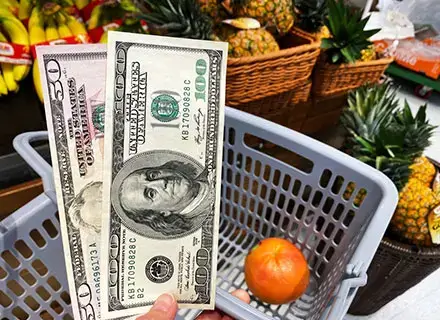
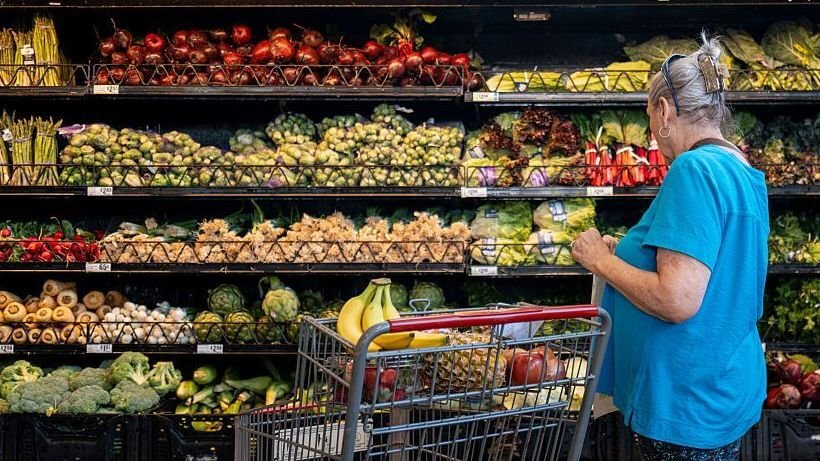
The document discusses a system that monitors the price fluctuations of various everyday items, including fresh food, gasoline, and medical services, to determine the overall inflation rate in the US economy. It highlights that the bureau responsible for this tracking periodically updates the basket of goods to reflect changes in consumer spending and lifestyle habits.
What causes inflation?
Inflation can be driven by various factors, primarily linked to the relationship between demand and supply. When consumer demand for a product exceeds its availability, producers may respond by increasing prices. This principle is illustrated by the recent popularity of Labubu dolls, where surging demand has led to exorbitant resale prices. Additionally, rising incomes can amplify demand; as individuals earn more, their purchasing power increases, thereby contributing to upward pressure on prices. Thus, both demand-supply dynamics and income levels play critical roles in causing Rising Prices.
Supply dynamics play a critical role in influencing Rising Prices rates. When the supply of a product decreases while demand stays the same, it typically leads to an increase in prices. A pertinent illustration of this phenomenon is the crude oil market, as a reduction in its supply can result in higher prices for gasoline and diesel, thereby contributing to overall inflationary pressures. Before the outbreak of the US-Israel war with Iran, crude oil was priced slightly above $70 per barrel. However, as the conflict began to restrict crude oil supplies, the price experienced a rapid increase, now surpassing $100 per barrel.
What is the current rate of inflation?
Economic Overheating has reached 3.7% for the year ending in September, marking a significant rise that exceeds expectations, largely driven by increased gasoline prices. Over the past 12 months, the prices for car fuel have surged by 34.2%. In September alone, there was a notable monthly increase of 9.1%, which contributed to over half of the overall inflation rise, as reported by the Bureau of Labor Statistics. Additionally, the broader category of energy inflation experienced a substantial rise of 20.4% year-over-year, primarily due to escalated costs in fuel oil, energy services, and electricity.
Specifically, fuel oil, often used for home heating, has seen a staggering increase of 74.2% during the same period. Experts indicate that the US Federal Reserve, responsible for determining the country interest rate, is monitoring energy costs for potential impacts on the broader economy, particularly concerning food prices and overall Cost-Push Pressure. Currently, food inflation is stable, having remained flat throughout September and recorded an annual increase of 2.5%. Core inflation, defined as the rate of Cost-Push Pressure that excludes volatile categories such as food and energy, stood at 2.6%.
This measurement provides a more stable view of long-term inflation trends, as it focuses on the underlying inflationary pressures that are less susceptible to sudden fluctuations. In contrast to headline inflation, which includes all items, core inflation is often used by policymakers to gauge the effectiveness of monetary policy and to inform decisions regarding interest rates and economic forecasts.
US inflation rose in the year to September
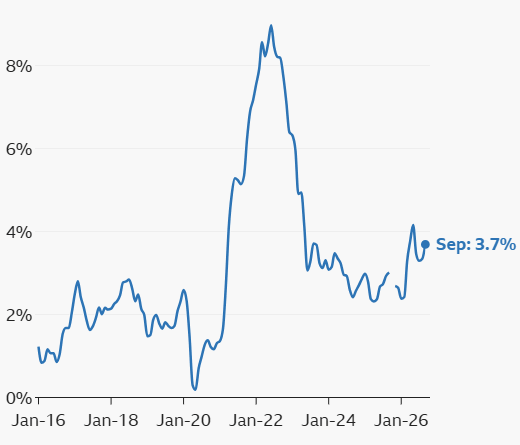
Consumer Price Index, 12-month percentage change
Will the inflation hike Change Social Security Payments?
The Social Security Administration has confirmed that, in response to a recent Economic Overheating figure, Social Security benefits including those for old age, survivors, and disability insurance will increase by 3.6% in 2027. This adjustment is designed to maintain the purchasing power of beneficiaries amidst rising prices. As a result of this increase, the average retirement benefit will see a monthly rise of approximately $75.
This adjustment reflects the government commitment to ensuring that Social Security payments keep pace with inflation and support beneficiaries in maintaining their standard of living. The cost of living adjustment will be implemented in January, affecting approximately 72 million individuals. Additionally, the increased payments for the 7.2 million recipients of supplemental security income are set to begin on December 31.
How have tariffs affected inflation?
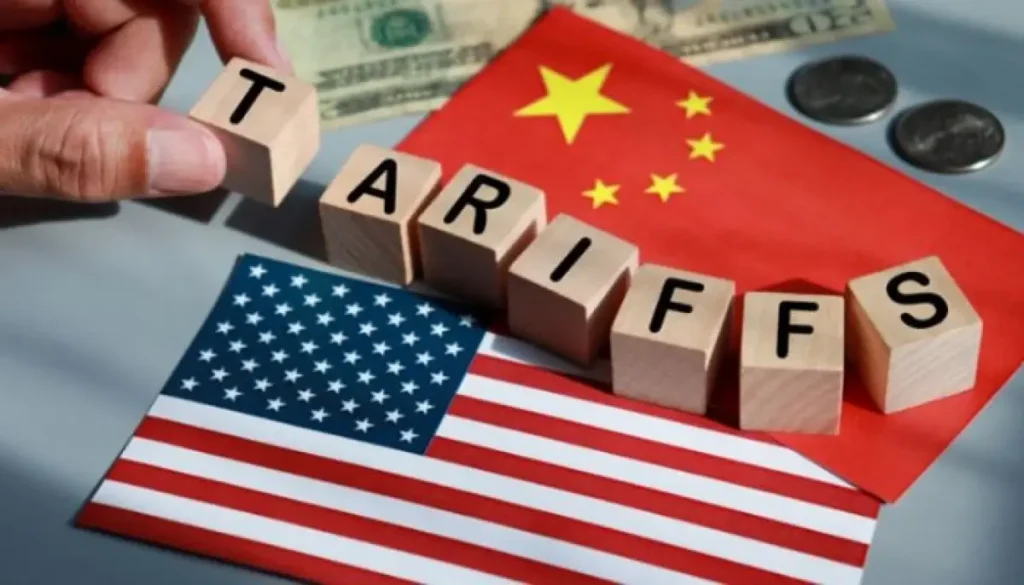
Since his second inauguration, President Donald Trump has implemented tariffs on a wide range of products from most of the United States’ trading partners. These tariffs have had significant implications for inflation in the U.S. economy. By imposing tariffs, the cost of imported goods has risen, leading businesses to pass on these higher costs to consumers. Consequently, this has contributed to an overall increase in consumer prices, reflecting a rise in inflation rates. The impact of these tariffs varies across different sectors, with some industries experiencing more pronounced effects on their pricing structures than others.

As tariffs raise the costs of inputs and finished goods, the inflationary pressures can extend throughout the economy, influencing purchasing power and monetary policy decisions. Overall, the tariffs introduced by the Trump administration serve as a key factor in the ongoing discourse on inflation, prompting discussions about their long-term economic consequences.
In February, the Supreme Court declared most additional global levies illegal, prompting the president to swiftly introduce a new 10% global tariff as a replacement. This initiative was framed as a strategy to enhance America tax revenue, stimulate domestic manufacturing, and incentivize consumers to purchase American-made products. However, the implementation of these higher import taxes has also contributed to inflationary pressures, as indicated by studies conducted by the Federal Reserve Bank of New York.
Higher tariffs, which are taxes imposed on imported goods, result in increased costs for US companies unless the foreign suppliers choose to lower their prices to offset these expenses. According to a study by the New York Fed, when new tariffs were introduced, exporters made minimal price reductions, leading to US-based businesses absorbing almost 90% of the additional tax burden. This indicates that the economic impact of tariffs primarily falls on domestic companies rather than being shared with overseas suppliers.
Higher tariffs have an indirect impact on the prices of domestically produced goods, largely due to the dependence of U.S. manufacturers on imported parts and materials. According to findings by the Federal Reserve, each percentage point rise in average tariffs results in an approximately 0.25% increase in consumer goods prices within a year. This indicates a significant relationship between tariff levels and inflationary pressures on consumer products in the U.S. economy.
Has inflation been worse lately?
Inflation in the current context is elevated, exceeding the US Federal Reserve target of 2%. However, historical comparisons indicate that inflation rates have been significantly worse in previous years, suggesting that while the current situation is concerning, it is not unprecedented in the broader economic history. The Fed aim remains to stabilize inflation around its target rate for sustainable economic growth.

During the Covid pandemic, significant challenges emerged, particularly supply chain disruptions, which played a crucial role in escalating Cost-Push Pressure rates. The situation was further exacerbated in early 2022 when Russia initiated a full-scale invasion of Ukraine, resulting in a dramatic surge in oil prices, exceeding $100 per barrel. These combined factors contributed to inflation reaching a peak of approximately 9%. This context underscores the complex interplay between global events and economic conditions, highlighting how geopolitical actions can Economic Overheating market stability and consumer prices.
Can inflation ever go down?
Inflation is a complex economic phenomenon, where a slower rate of increase does not indicate a decline in prices, but rather that prices are rising at a reduced speed. A moderate level of Economic Overheating is generally viewed positively within an economy, aligning with the Federal Reserve target rates. Central banks often aim for an inflation rate of approximately 2% or slightly higher, as this is perceived to be stable and unlikely to adversely affect consumer purchasing decisions.
Thus, while Economic Overheating may fluctuate, a slight increase is usually accepted as beneficial for economic health. Consumer expectations regarding future price declines can lead to reduced spending. This behavior may cause businesses to respond by lowering wages or decreasing their workforce to manage the decline in demand.
Summary
- US inflation rose to 3.7% in the year to September, exceeding expectations, largely due to a sharp increase in gasoline prices.
- Gasoline prices increased by 34.2% over the past year, while energy inflation climbed as disruptions to Middle Eastern oil supplies pushed fuel costs higher.
- Food inflation remained relatively stable at 2.5% annually, while core inflation, which excludes food and energy, stood at 2.6%.
- Rising import tariffs have added to inflationary pressures by increasing costs for businesses and consumers, according to the article.
- Social Security benefits are set to increase by 3.6% in 2027, providing cost-of-living adjustments to millions of recipients.
- Although inflation remains above the Federal Reserve 2% target, it is below the peak of around 9% recorded during the COVID-era inflation surge.
What is the current US inflation rate?
The US annual inflation rate increased to 3.7% in September, surpassing expectations. This rise is primarily attributed to escalating costs in shelter and gasoline, according to the latest Consumer Price Index (CPI) report.
What is inflation and what causes it?
Inflation is defined as the continuous increase in the prices of goods and services over a period. It can be attributed to several factors: demand-pull Cost-Push Pressure occurs when the demand for products exceeds supply, leading to price increases; cost-push Cost-Push Pressure is driven by rising costs of production, which prompts businesses to raise prices; and built-in inflation arises from wage increases that contribute to higher overall costs, which are then passed on to consumers. Understanding these causes is crucial for analyzing economic trends and the overall health of an economy.
How do tariffs affect inflation?
Tariffs significantly influence inflation by increasing the cost of imported goods. When tariffs are imposed, such as those on Chinese products, the immediate effect is a rise in the import prices. Companies, facing higher costs from these tariffs, typically transfer these expenses to consumers in the form of increased prices. This chain reaction leads to overall inflationary pressures in the economy, as consumers must pay more for imported items, contributing to higher costs of living and modifying consumer spending behaviors. This mechanism underlines the connection between trade policies and domestic inflation rates, illustrating how tariffs can have broader economic implications beyond just trade balances.
Has inflation ever been low in the US?
US Cost-Push Pressure experienced a low rate of 1.4% in 2020, coinciding with the pandemic. However, it reached a peak of 9.1% in June 2022 and has shown signs of cooling since that peak.
Pingback: Palestinians and US Journalist Injured in Israeli Settler Attack During West Bank Harvest - internationalmediawire.com