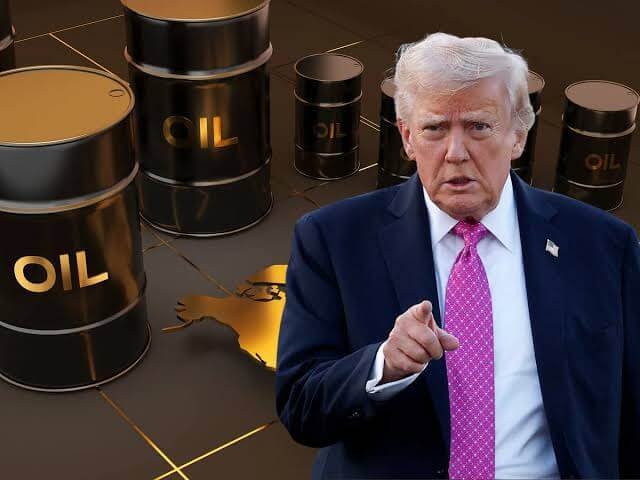
President Trump has exercised his authority to waive tariffs on the major buyers of Russian oil, ahead of the implementation of the Lindsey O. Graham-backed law aimed at sanctioning Russia. This decision came just days before the law, which mandates a 100% tariff on the five largest importers of Russian crude oil and natural gas, was set to take effect. The waiver was invoked through an executive order, leveraging a provision within the bipartisan law that allows the president to eliminate portions of the sanctions if he deems it “in the national interests of the United States.” (Russian Oil)
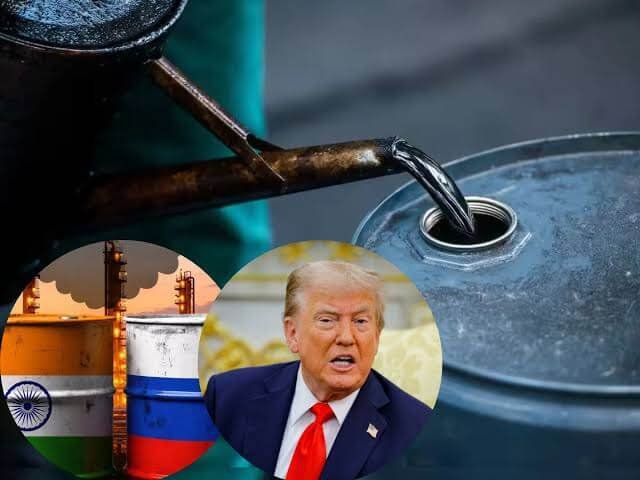
Rising Oil Prices Prompt Shift in US Russia Policy
Russian Oil This move is seen as an effort by Trump to alleviate domestic energy prices by continuing to tap into Russian energy resources, despite the legislative intentions to impose stricter economic pressures on the Russian government. The president announced that he has sent a notification to Congress regarding recent actions taken against Russia. Specifically, he waived the law imposing a 500% tariff on Russian goods and temporarily halted certain other sanctions related to Russia. These waivers will remain effective until administration officials decide that additional measures are warranted.
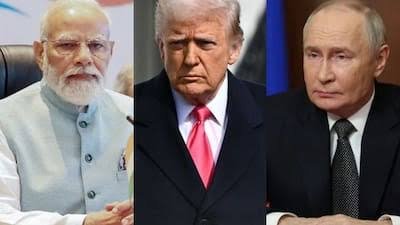
Russian Oil Furthermore, he instructed members of his administration to keep a close watch on countries that import Russian energy or attempt to evade existing sanctions. An envoy to Russian President Vladimir Putin, Kirill Dmitriev, expressed strong approval of former President Donald Trump recent decision to suspend the Graham Act, characterizing it as an “important and truly historic moment.” This statement was shared on social media, reflecting a significant diplomatic response to the decision made by the Trump administration.
Russian Oil In a recent social media post, Ukrainian President Volodymyr Zelenskyy commented on the consequences of an attack on Ukraine energy sector, describing the situation as “unfortunate.” He specifically referenced the Graham Act, stating that it “could have helped enormously” in mitigating the impacts of such aggression. Zelenskyy further emphasized that a “U.S. sanctions blackout,” which would alleviate pressure on the aggressor, alongside financial rewards for President Putin, only serves to encourage ongoing attacks against Ukraine. This statement reflects Zelenskyy concern about the implications of sanctions policy and its perceived inadequacies in addressing Russian hostility.
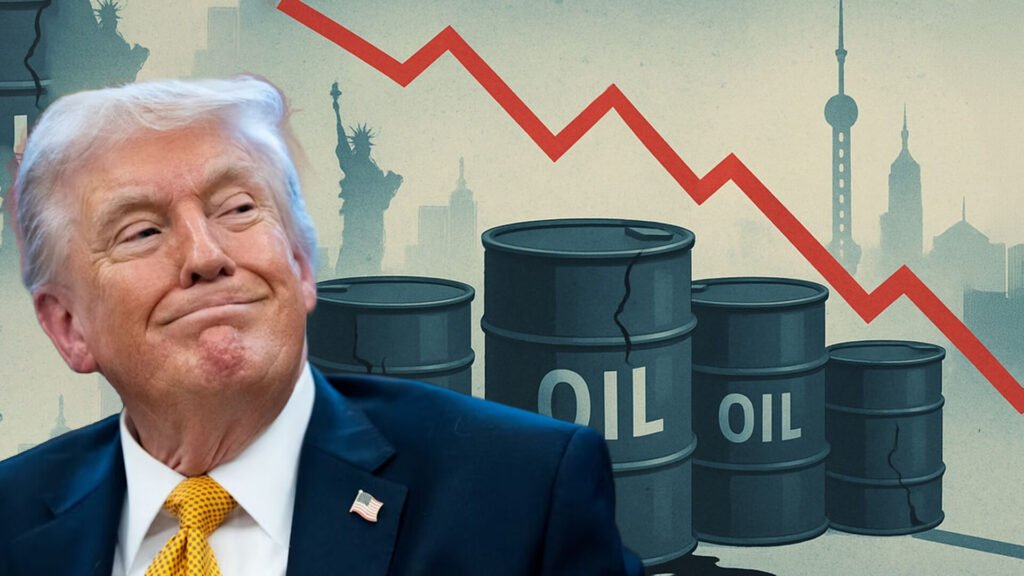
Graham-Backed Law Targets Major Buyers of Russian Energy
The legislation, introduced by the deceased Sen. Lindsey Graham prior to its enactment, primarily targets major international consumers of Russian oil and gas, notably China, India, and Turkey. Historically, the European Union has been a significant purchaser of Russian natural gas; however, there has been a marked reduction in these imports in recent years. Recently granted waivers emerged just a week following former President Trump decision to relax sanctions on Russian diesel and to formalize an agreement with President Vladimir Putin for the importation of diesel into the U.S. market.
Russian Oil The recent moves by the United States signify a significant shift in policy, reversing years of stringent restrictions on Russian oil and gas exports. These limitations were initially imposed to deter President Putin ability to utilize Russia energy resources to support his military actions in Ukraine. However, in response to the escalating oil prices, exacerbated by the ongoing conflict in Ukraine and the repercussions of the Iran war, former President Trump has redirected his focus toward Russia and Ukraine. He asserts that the war has been a key factor in the rising energy costs, prompting a reconsideration of the U.S. stance on Russian energy imports.
Russian Oil Last weekend, Mr. Trump urged Ukraine and Russia to cease attacks on each other energy infrastructure, proposing an “energy ceasefire.” Initial support came from Ukrainian President Volodymyr Zelenskyy, who expressed willingness to adhere to the ceasefire. However, in response to ongoing Russian assaults, Zelenskyy later declared that Ukraine would resume strikes on Russian refineries. This situation has led to tensions, with Mr. Trump expressing dissatisfaction with Zelenskyy, stating he is “not a big fan” of the Ukrainian leader.
Russian Oil The recent decision to ease sanctions has faced significant opposition in Congress. A bipartisan coalition of senators has publicly criticized the move, labeling the diesel waivers as a “betrayal of the people of Ukraine.” They have urged President Trump to strictly enforce the sanctions and tariffs stipulated in the Graham law. In a call to action, authorities emphasized the necessity of applying economic pressure on Russia and its primary ally, China, to strengthen the negotiating stance aimed at quickly resolving the ongoing conflict. They described the current situation as ruinous, underlining the urgency of their message to facilitate a swift end to the war.
Summary
- President Trump waived tariffs on major buyers of Russian oil ahead of a Graham-backed law intended to increase economic pressure on Russia.
- The decision aims to ease energy price pressures but has raised concerns about weakening sanctions against Moscow.
- Ukrainian President Volodymyr Zelenskyy warned that easing sanctions could encourage further Russian attacks on Ukraine.
- The law targets major Russian energy buyers, including China, India, and Turkey.
- A bipartisan group of US senators criticized the sanctions relief, urging Trump to maintain pressure on Russia to help end the war in Ukraine.
What is the Lindsey O. Graham Sanctioning Russia and Iran Act of 2026?
Russian Oil The Lindsey O. Graham Sanctioning Russia and Iran Act of 2026 is a piece of legislation signed by President Trump on September 18, 2026. This Act introduces severe economic measures against nations involved in the importation of Russian energy products. Specifically, it authorizes the imposition of tariffs as high as 100% on goods from the top five importers of Russian crude oil and gas. Additionally, the Act allows for duties of up to 500% on Russian energy products, which aims to significantly hinder Russia energy export capabilities. Furthermore, it includes sanctions targeting Russia shadow fleet, which is involved in the circumvention of existing trade restrictions. The overall goal of the Act is to bolster economic pressure on both Russia and Iran by leveraging tariffs and sanctions to disrupt their energy markets.
Why did Trump waive the tariffs?
Russian Oil In an executive order dated October 16, former President Trump announced the waiver of tariffs, justifying the decision as being in the “national interests of the United States.” This action is reportedly linked to a strategic agreement with Russian President Vladimir Putin concerning the import of Russian diesel. The intent behind this deal is believed to be a move to lower diesel prices in the U.S. ahead of the November 3 midterm elections. Additionally, the tariff waiver may serve to prevent diplomatic tensions with key countries such as India, China, and Turkey.
Which countries get relief from this waiver?
Russian Oil Countries receiving relief from the waiver include India, China, Italy, Turkiye, and the Netherlands. India is the largest buyer, importing approximately 1.8 million barrels per day (bpd), followed by China with about 1.2 million bpd. Notably, these two countries together account for around 70% of Russia energy trade, thus gaining immediate benefits from the waiver.
Is the waiver permanent?
No, the waiver is not permanent. Trump activated the law and suspended it within the same order, allowing the possibility of reimposing it in the future. The White House has stated that the waiver remains in effect until the administration decides that “further action is appropriate.”
What was the reaction to the waiver?
Russian Oil Russia Kirill Dmitriev characterized the waiver as “truly historic.” In contrast, U.S. lawmakers expressed significant criticism. Senator Elizabeth Warren labeled it a failure, while Representative Don Bacon accused Trump of prolonging the conflict. Senator Richard Blumenthal described the waiver as an act of “sucking up to Putin.”
What about Trump earlier Russian diesel deal?
Last week, Trump announced a deal to import Russian diesel, framing it as a “Gift to Putin.” This narrative is important as it relates to a waiver that has been issued to prevent any conflicts arising from the diesel deal. The announcement has garnered attention, linking back to previously referenced articles on the subject.
Trump Announces Deal for Russian Diesel as Zelensky Calls it a ‘Gift to Putin’
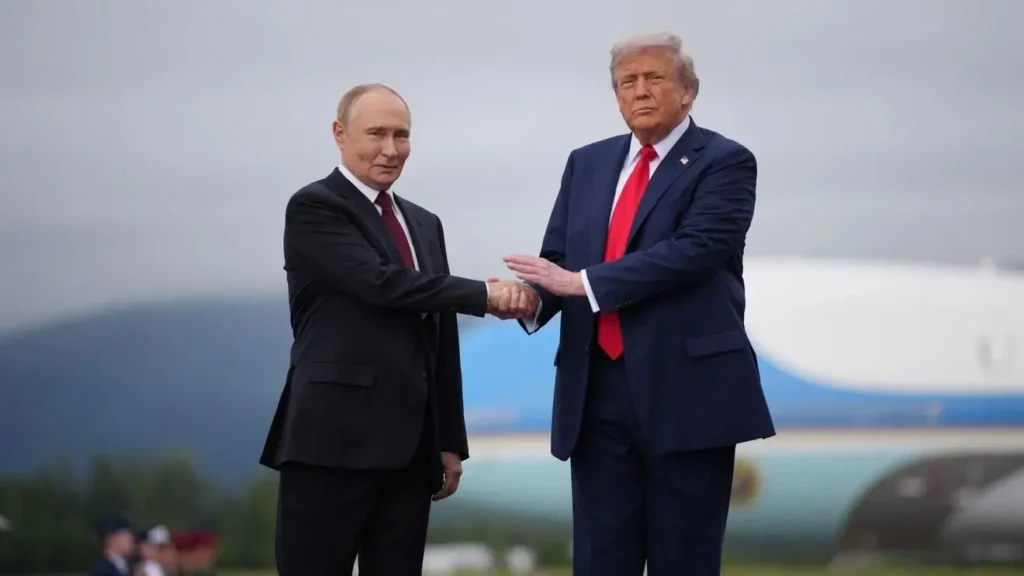
Deal for Russian Diesel Donald Trump has made a controversial announcement regarding a deal to import Russian diesel into the United States. This decision has been met with severe criticism from Ukrainian President Volodymyr Zelensky, who characterized the move as a “gift to Putin.” Zelensky argues that such an agreement effectively serves as an investment in a war that should be concluded rather than lengthened.
Pingback: Macron France Riots: Macron Calls for Calm in France and Warns Rioting Must not Escalate - internationalmediawire.com
Pingback: How US Midterm Election Results Could Shape Trump Final 2 Years - internationalmediawire.com
Pingback: Iran Military Network Smuggles Hardware Past US Blockade 29-Oct - internationalmediawire.com