Saudi Arabia says it intercepted Houthi missiles fired at south in test of years-long truce
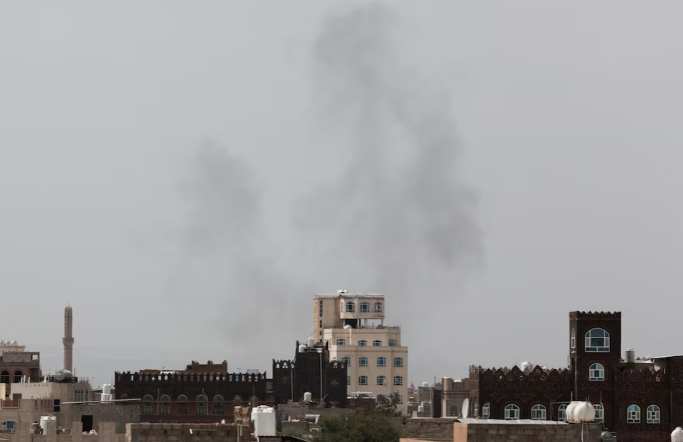
Saudi Arabia reported intercepting ballistic missiles launched by Yemen’s Houthi movement on July 13. This incident follows accusations from the Houthis claiming that Saudi forces attacked an airport under their control, thereby challenging a prolonged truce in their ongoing conflict.
The Saudi-led coalition, which backs Yemen’s internationally recognized government, confirmed the missile interceptions aimed at the southern region of Saudi Arabia.
Fortunately, there were no reports of casualties or damage resulting from the missile attacks. This situation highlights the escalating tensions between the kingdom and the Iran-aligned Houthi group in Yemen.
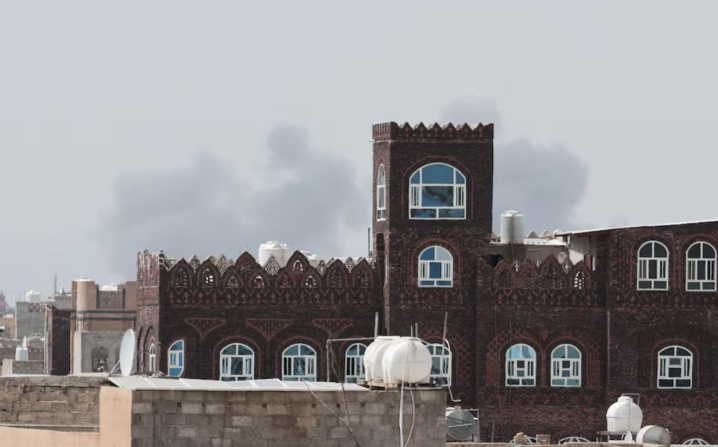
- Saudi Arabia says it intercepted Houthi missiles following attack
- Houthis blame Saudi for earlier airport attack
- Yemen’s defence ministry says Iranian plane blocked from landing in Sanaa
- Aircraft landed at Hodeidah airport, military spokesman says
Saudi Arabia reported that its defense forces intercepted missiles launched by the Houthi movement, which is based in Yemen. This escalation follows accusations from the Houthis claiming that Saudi Arabia was responsible for a prior attack on an airport.
Houthi Threats Grow After Saudi Missile Interception
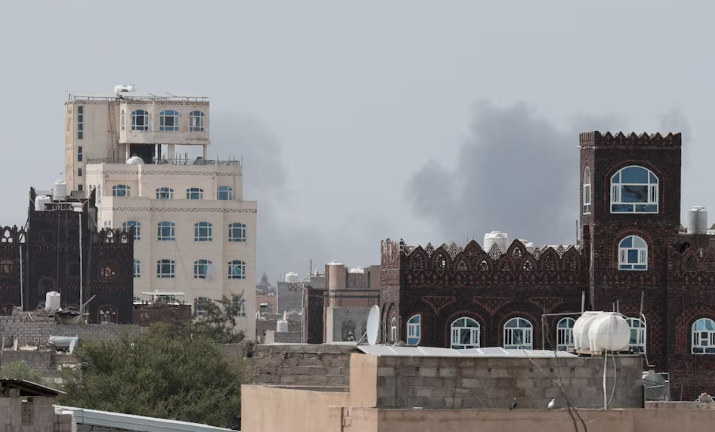
Additionally, Yemen’s defense ministry indicated that an Iranian aircraft was prevented from landing in the capital city, Sanaa. However, military representatives clarified that the aircraft was able to successfully land at Hodeidah airport instead. The developments point to ongoing tensions in the region and the complex interactions among the involved parties.
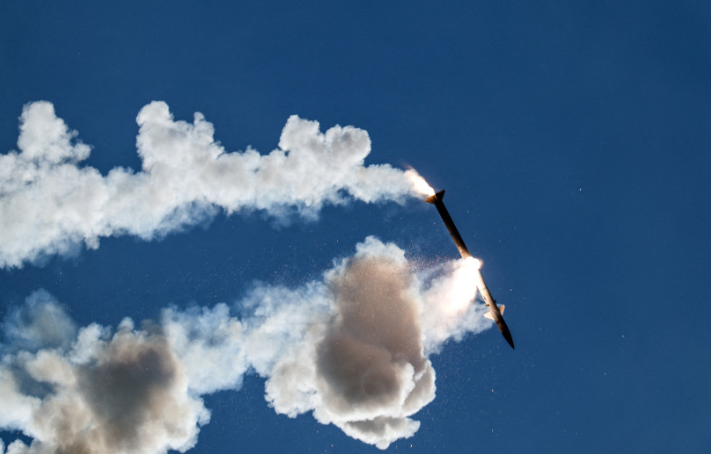
Saudi air defenses successfully intercepted ballistic missiles launched by the Houthi militia towards its southern region, as stated by a spokesperson for the Saudi-led military coalition in Yemen.
This event transpired shortly after the Houthis accused Saudi Arabia of conducting airstrikes on the international airport in Sana which they vowed to retaliate against.
These airstrikes were endorsed by Yemen’s internationally recognized government, which receives substantial backing from Riyadh, where many of its officials reside. Houthi military spokesperson Brig.-Gen. Yahya Saree characterized the Saudi actions as “blatant aggression,” marking the end of a period of de-escalation.
He declared that Saudi Arabia would face repercussions and emphasized that their assault would not go unanswered. Moreover, the incident followed Yemen’s Defense Ministry reporting that its forces had targeted the Sana airport runway after the Houthis obstructed Yemeni flights while allowing an Iranian aircraft to land, which contravened Yemeni sovereignty.
The Saudi government’s communication office has yet to respond to these accusations. Overall, these developments indicate a significant escalation in hostilities between the involved parties, raising concerns about the stability of the region.
Sana Airport in Yemen targeted to prevent Iranian plane from landing
Sana International Airport in Yemen was targeted by the Yemeni government’s defense ministry to prevent an Iranian plane from landing. Despite the government’s efforts, the aircraft successfully landed at Houthi-controlled Hodeidah Airport, located approximately 150 km southwest of Sana on the Red Sea coast.
It remains unclear if any actions were taken to intercept the aircraft before it reached Hodeidah. Additionally, reports emerged that the Houthis were detaining another plane belonging to the International Committee of the Red Cross at Sana Airport.
In response to escalating tensions, Yemen’s general aviation authority, aligned with the Saudi-backed, internationally recognized government, initially ordered a nationwide airport closure, but this decision was reversed within a few hours, allowing airports to reopen.
The Yemeni government’s defense ministry reported that the runway at Sanaa International Airport was targeted to prevent an Iranian plane from landing.
Despite this, an armed forces spokesman indicated that the aircraft successfully landed at Houthi-controlled Hodeidah Airport, located approximately 150 km (93 miles) southwest of Sanaa, on Yemen’s Red Sea coast. It remains unclear if there were any attempts made to prevent the aircraft’s landing in Hodeidah.
Additionally, another minister stated that the Houthis are detaining a plane belonging to the International Committee of the Red Cross at Sanaa Airport. In response to these incidents, Yemen’s general aviation authority, representing the Saudi-backed, internationally recognized government, initially ordered the closure of all airports across the country, but later lifted the closure just a few hours afterward and reopened the airports.
Regional Risk
Yemen has endured over a decade of civil war and external proxy conflicts since the Houthis seized control of the capital, prompting the internationally recognized government to retreat southward.
The situation escalated dramatically in 2015 when a Saudi-led coalition intervened in support of the government against the Houthis, resulting in one of the most severe humanitarian crises worldwide. Recently, violence resurged following a separatist movement supported by the United Arab Emirates, which disrupted the Saudi-led coalition’s efforts against the Houthis.
Despite these tensions, a truce established between Saudi Arabia and the Houthis in 2022 has largely persisted, even amid regional tensions worsened by the Israel-Gaza conflict, where the Houthis targeted multiple Red Sea vessels, alongside the ongoing discord with Iran.
The violence encountered on the recent Monday raises concerns about ongoing peace efforts in the region, particularly as the Houthis are backed by Tehran.
Saudi Arabia has maintained a relatively insulated position concerning the Iranian conflict, experiencing less military and economic fallout from Iranian aggressions compared to other Gulf nations, and has worked towards a diplomatic resolution.
A protective factor for Saudi Arabia has been its ability to sustain oil exports via its western Red Sea coastline, especially crucial following the de facto closure of the Strait of Hormuz. However, any escalated conflict involving the Houthis could threaten this vital export route.
ICRC Plane Held
Moammar bin Mutahar Al-Eryan, the information minister of Yemen’s internationally recognized government, announced that the Houthis are detaining a plane belonging to the International Committee of the Red Cross (ICRC) at Sanaa airport, along with its pilot and co-pilot.
Hachem Osseiran, the ICRC’s spokesperson for the Middle East, confirmed to Reuters that all ICRC personnel and the aircraft’s crew are safe and accounted for but refrained from providing further details. Recently, a prisoner exchange agreement mediated by the ICRC between the Houthis and the Yemeni government collapsed, with both parties trading accusations, highlighting escalating tensions.
Earlier on the same day, Yemen defense minister stated that the government had exhausted diplomatic channels to negotiate with Iran and the Houthis regarding violations of Yemeni airspace by Iranian aircraft. He warned that government forces would employ all available means to respond to any hostile incursions into Yemen’s airspace and placed blame on Iran for these violations.