Trump reinstates Iran port blockade and imposes 20% charge on cargo passing through Strait of Hormuz
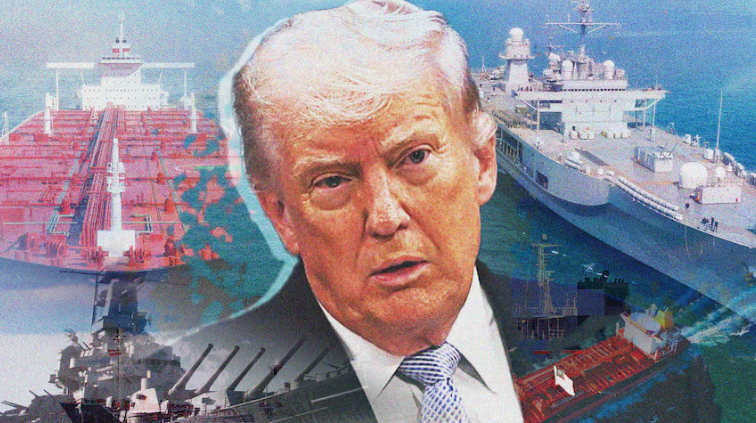
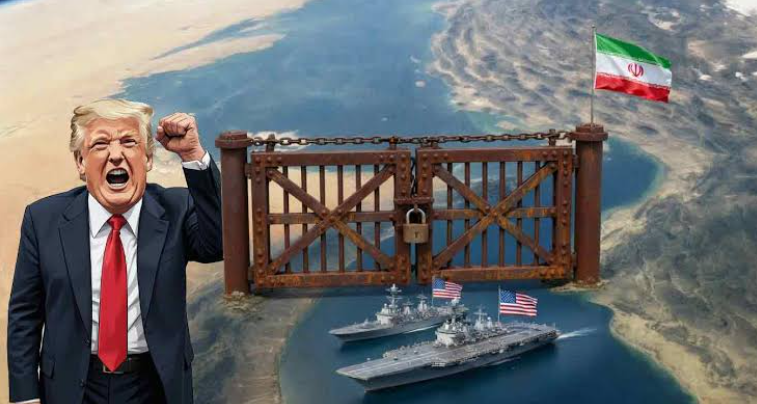
Trump has announced the reinstatement of a blockade on Iranian ships in the Strait of Hormuz, along with a 20% toll on all cargo crossing this critical maritime route. This decision aligns with his broader foreign policy objectives, emphasizing a stringent approach towards Iran.
The blockade reflects escalating regional tensions, particularly following incidents of US strikes that have extended further inland, and accusations from Iran-backed Houthis against Saudi Arabia concerning airport attacks.
By asserting the US role as the “guardian” of navigational safety in the Strait, Trump is intensifying his administration’s stance amidst a complex Middle East crisis, as international relations continue to be strained.
The document outlines escalating tensions in the Middle East, particularly regarding Iran’s military activities and its impact on regional diplomacy and security. Reports indicate that Iranian strikes have broadened beyond coastal areas, escalating the risk of a regional conflict, as stated by the Iranian military following a turbulent weekend.
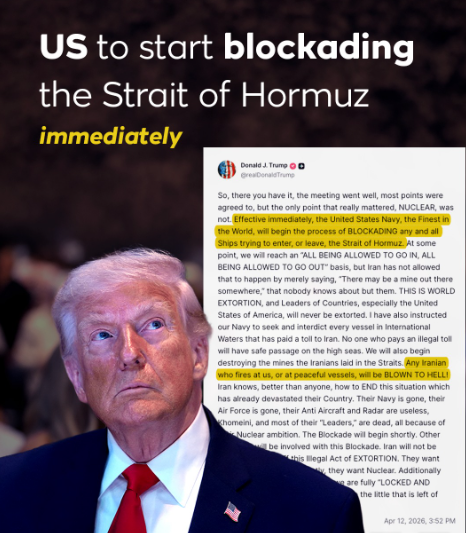
Concurrently, Iran accuses the U.S. of undermining diplomatic efforts with Oman regarding safe passage through a crucial waterway, indicating that relations between Washington and Tehran are deteriorating.As a result of these tensions, oil prices are climbing, with Brent crude and U.S. crude increasing due to fewer ships willing to navigate the strait.
The situation is further complicated by Yemen’s Iran-backed Houthi rebels, who have alleged that Saudi Arabia has struck the airport in Yemen’s capital, suggesting that a fragile truce between the Houthi group and Saudi Arabia is in jeopardy.
Trump Strait of Hormuz Toll Proposal Sparks Legal Debate
Additionally, the document touches on U.S. President Trump’s views regarding defense expenditures of allied nations.
He has frequently commented that U.S. allies do not sufficiently cover their defense costs, which he believes results in a disproportionate financial burden on the U.S. For this reason, there have been discussions about the reimbursement for the extensive commitment of U.S. naval and air power in the Gulf.
This perspective, however, sharply contrasts with the position of Secretary of State Marco Rubio, who asserted that international law prohibits countries from charging fees on international waterways.
Looking ahead, it is anticipated that the White House will attempt to clarify the distinction between the tolls suggested by Trump and those proposed by Tehran, in order to navigate these complexities in international relations and maritime law.
Trump reinstates blockade of Iran ports and plans to charge shippers for passage
US President Donald Trump announced a decision to reinstate a blockade on Iranian ships in the Strait of Hormuz, asserting that this action will not impede other nations’ use of the passage. He emphasized that the Strait is and will remain open for all except Iranian vessels.
Strait of Hormuz In a post on Truth Social, Trump declared the U.S. as the “guardian” of the Strait, intending to charge commercial ships a fee equivalent to 20% of the cargo’s value as compensation for ensuring security in this strategically significant region.
This approach aims to create a fair system for shippers while addressing the risks associated with Iran’s maritime activities, reinforcing the U.S. role in maintaining stability in the volatile area.
Why is the Strait of Hormuz so vital?
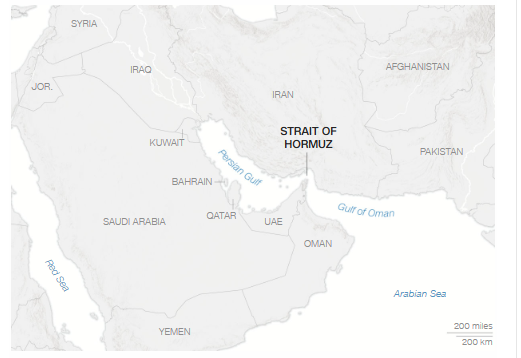
The Strait of Hormuz is a crucial maritime passage connecting the Gulf to the Arabian Sea, facilitating the transit of large crude oil tankers.
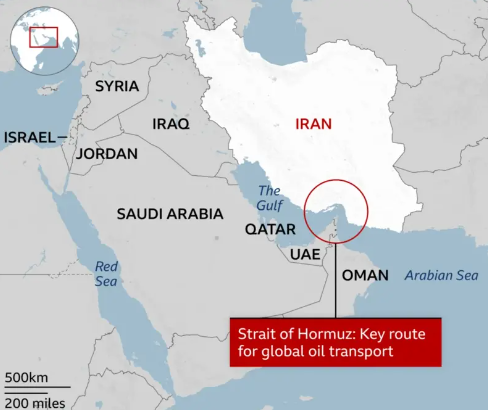
In 2025, approximately 20 million barrels of oil and oil products traversed this strait daily, according to the U.S. Energy Information Administration (EIA).
Significantly, around 20% of the global supply of oil and liquefied natural gas is transported through this narrow waterway, which receives oil shipments not only from Iran but also from other Gulf nations including Iraq, Kuwait, Qatar, Saudi Arabia, and the UAE.
The strait typically witnesses about 3,000 ships navigating through it each month; however, this figure saw a notable decline during periods of heightened tensions, such as the US-Iran war.
Strait of Hormuz Strategically, the strait is noteworthy at its narrowest point, where its shipping lanes lie entirely within the territorial waters of Iran and Oman, rendering it a focal point in ongoing regional conflicts.
UK to make support for Iran’s Revolutionary Guard Corps a criminal offense
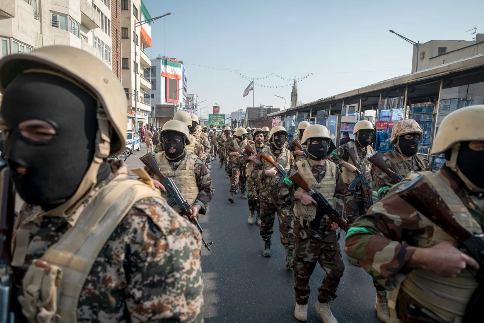
The UK government, led by Home Secretary Shabana Mahmood, has declared Iran’s Islamic Revolutionary Guard Corps (IRGC) a national security threat, proposing legislation to criminalize any support for the organization.
This designation, pending parliamentary approval, would impose severe penalties: up to 14 years in prison for providing assistance, with those committing espionage, sabotage, or arson on behalf of the IRGC facing life imprisonment.
The proposed legislation also targets the Islamic Movement of Companions of the Right (IMCR) and Russia’s GRU Volunteer Corps, both of which are linked to foreign state-sponsored activities harmful to the UK. The IMCR has been implicated in recent violent incidents against Jewish communities in Britain.
In a strong statement, Prime Minister Keir Starmer emphasized the government’s commitment to preventing the UK from becoming a venue for foreign threats and violence, reiterating that measures against the Iranian regime and Russian actors have already been taken.
Strait of Hormuz The government aims to streamline the prosecution of individuals involved in such activities, reinforcing its stance against external forces threatening national security. This proposed legislation represents a significant escalation in the UK’s strategy to combat foreign influence and protect its citizens from associated harm.
Trump has rejected tolls for Strait of Hormuz unless paid to the US
US President Donald Trump announced that the United States will act as the “guardian” of the Strait of Hormuz, asserting that the US would expect to be compensated for this role.
In previous statements, the Trump administration has argued that ships should be allowed to pass through the strait without paying fees to any entity, which is categorized as an international waterway. Secretary of State Marco Rubio emphasized this point, stating that no nation supports paying for the right to navigate the straits.
In recent months, Trump has altered his stance on fees. While he previously described any fees on shipping in the strait as “unacceptable,” he also hinted at the possibility of the US receiving payment for ensuring safe passage.
During discussions surrounding a memorandum of understanding with Iran, he suggested that tolls would not be permitted unless imposed by the United States.
Trump articulated that he expects financial reimbursement for safeguarding the strait, asserting the risks to US personnel involved.
The Strait of Hormuz is significant, as it serves as a crucial shipping route connecting the oil-rich Persian Gulf to global markets, with around 20% of the world’s oil production passing through it before the war, while Iran maintains control over its northern side.
Houthis threaten “punishment” for Saudis after airport hit with strikes
Yemen’s Houthi rebels, backed by Iran, have accused Saudi Arabia of launching airstrikes on Sana’a International Airport, proclaiming the attack as a significant violation of an established truce.
Houthi military spokesperson Yayha Saree characterized the bombings as a “flagrant act of aggression” and warned that “this aggression will not pass without response and punishment.”
The Houthi Political Bureau condemned the strikes as reflective of the “hatred and criminality” of the Saudi regime, implicating the United States in maintaining a blockade against the Yemeni people for over a decade.
In a related incident, an Iranian aircraft en route to Sana’a was diverted to Hodeidah, another area under Houthi control.
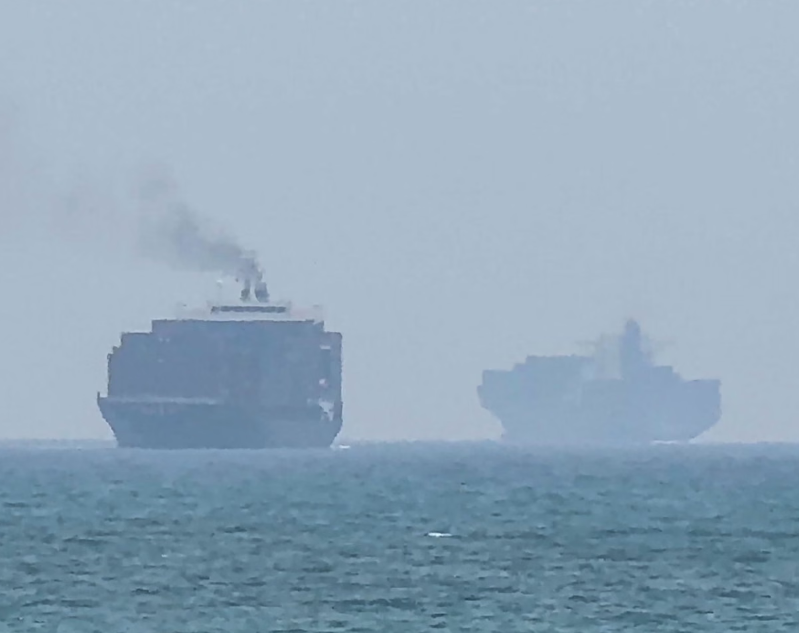
The Houthis, traditionally allied with Iran, have threatened to disrupt vital shipping routes through the Bab al Mandab Strait, which is crucial for Saudi oil exports, particularly since Iran has previously impeded traffic through the Strait of Hormuz. The airstrikes triggered a spike in global oil prices, with Brent crude rising over 4%, reaching approximately $79.25 per barrel.
This escalation marks a departure from the fragile peace established through a UN-brokered truce in 2022 and subsequent Saudi-Houthi dialogues following the restoration of diplomatic ties between Riyadh and Tehran. The recent conflict is set against the backdrop of over four years of relative stability in the region.
We don’t need foreign workers to protect the strait’ – Iranian parliamentarian
Iranian parliamentarian Ebrahim Rezaei, serving as a spokesperson for the National Security and Foreign Policy Commission, publicly responded to President Trump’s announcement regarding a new blockade of Iranian ports.
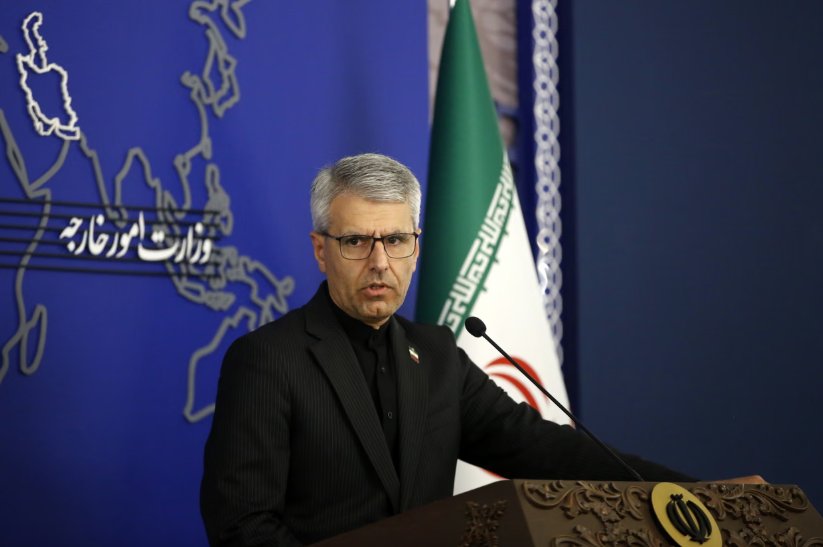
In his remarks on X, Rezaei challenged the assertion made by Trump that the United States would assume the role of “guardian” of the Strait of Hormuz. He firmly stated, “We don’t need foreign workers to protect the strait!”
Strait of Hormuz This remark reflects Iran’s stance on its sovereignty in securing crucial maritime routes, particularly in the context of escalating tensions with the United States.
How much oil is thought to have left Iran since the first US blockade was lifted?
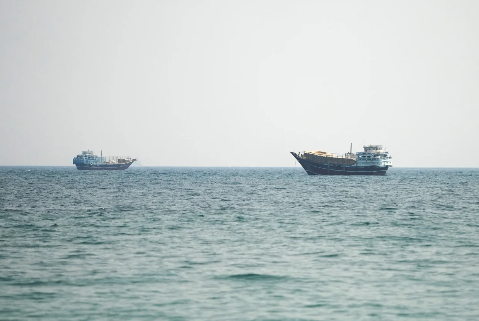
Following the lifting of the two-month US blockade on Iranian ports in the Strait of Hormuz on June 17, subsequent to an agreement to conclude hostilities between the US and Iran, an allowance was made for the temporary sale of Iranian oil, which had been restricted by longstanding sanctions.
This permission was set to expire on August 21; however, the US retracted its authorization following a series of attacks on vessels in the strait. During the month in which the sanctions were eased, 59 tankers departed from the Gulf, transporting oil and petrochemicals.
According to the advocacy group United Against a Nuclear Iran, these exports totaled approximately 72 million barrels of oil, potentially generating around $5.5 billion (£4.1 billion) in revenue for the Iranian government.
Pingback: Breaking News: Massive Attack on Saudi Arabia How Many People Have Died? 13 July - internationalmediawire.com
Pingback: Report: China Biggest Nuclear Weapon Ever Built Hits the United States 13 July - internationalmediawire.com
Pingback: Breaking: What deal has Trump made regarding the Strait of Hormuz with the Gulf countries? What are the names of the Gulf investment deals? 14 July - internationalmediawire.com