Trump drops Strait of Hormuz fee plan in favour of Gulf investment deals
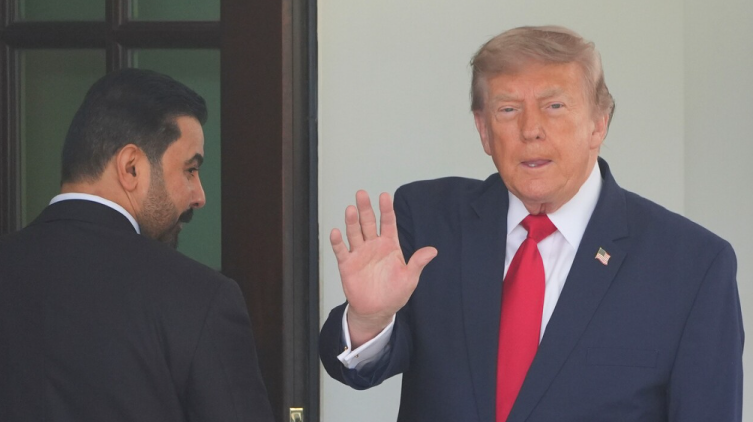
President Donald Trump has abandoned his proposal to impose a 20% transit fee on cargo traversing the Strait of Hormuz.
This decision comes amid escalating tensions with Iran, which had previously announced the closure of the strait. Instead of the fee, Trump announced a shift in strategy aimed at fostering investment deals with Gulf nations.
The change follows a series of U.S. military actions, including multiple attacks in response to Iran’s aggressive maneuvers. Trump’s initial proposal to impose the shipping fee had been intended as a response to safeguard the critical waterway, but he has now decided to focus on constructing economic partnerships within the Gulf region as a more viable approach to address the ongoing conflict.
In a significant development, just under five hours prior to the scheduled implementation of a US naval blockade targeting all Iranian ports and coastal areas at 2000 GMT, President Trump announced that the Strait of Hormuz would remain accessible to all shipping traffic, with the notable exception of vessels associated with Iran.
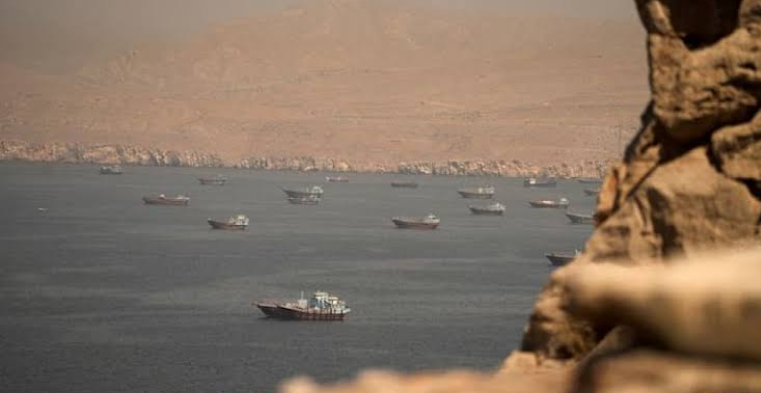
This statement underscores the ongoing tensions between the United States and Iran, particularly concerning maritime operations in a critical region for global shipping.
What to know about the Iran war today
The ongoing conflict between the U.S. and Iran has escalated recently, highlighted by the U.S. resuming a blockade on Iranian ports and conducting additional strikes against Iranian targets for the fourth consecutive night.
President Trump announced a shift in strategy, opting to replace a proposed 20% fee on cargo passing through the crucial Strait of Hormuz with trade and investment deals from Gulf states, following pushback from shipping industry experts regarding the fee’s feasibility.
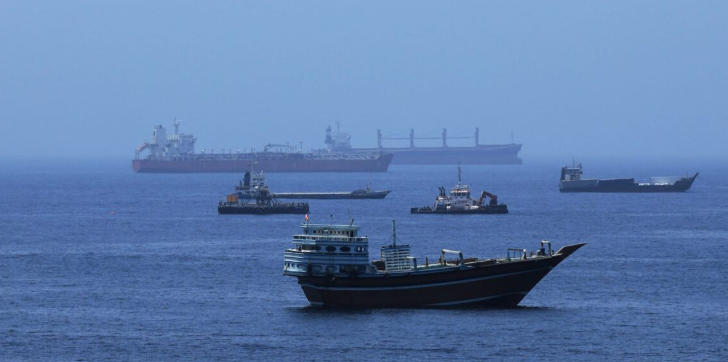
In a post on Truth Social, Trump emphasized that this decision arose from “highly productive conversations” with Middle Eastern leaders. Meanwhile, tensions have heightened as Iran has openly threatened to impose its own tolls for the use of the Strait and has attacked cargo ships amidst the renewed hostilities.
This surge in conflict has also led to a significant spike in crude oil prices over the past two days. Additionally, Trump warned during an appearance on the Hugh Hewitt Show of further aggressive actions against Iran, stating, “they’re going to hit them hard tomorrow.”
The U.N. shipping agency criticized the notion of imposing fees on straits used for international navigation, asserting a lack of legal grounds for mandatory tolls on transiting vessels, underscoring the growing complexities in maritime law as geopolitical tensions intensify.
U.S. blockade of Iranian ports restarts
A U.S. military blockade on Iranian ports resumed at 4 p.m. ET following orders from President Trump, as announced by U.S. Central Command (CENTCOM).
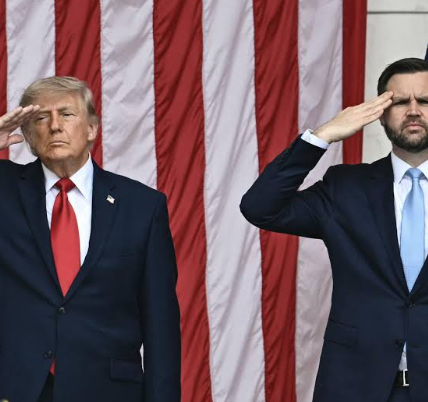
This operation involves over 20 U.S. Navy warships and hundreds of military aircraft in the Middle East, with American forces remaining vigilant and prepared for action. The blockade, which initially began in mid-April and lasted about two months, marks a deterioration in the already fragile diplomatic relations between the U.S. and Iran.
Notably, despite a recent memorandum of understanding that extended their ceasefire by 60 days—mandating the U.S. to end its naval blockade and Iran to ensure safe passage for commercial vessels—the ceasefire has been deemed “over” by Trump following Iranian attacks on several ships.
Historically, the blockade was aimed at crippling Iran’s economy by hindering its exports and was part of a broader conflict over control of shipping routes in the Strait of Hormuz.
During its previous enforcement, CENTCOM reported intercepting over 140 commercial vessels and taking action against those not complying with the blockade regulations, although numerous ships were allowed to continue their passage with humanitarian goods.
The resumption of the blockade signifies a renewed phase of military and economic pressure from the U.S. on Iran amidst escalating tensions in the region.
U.S. carries out more strikes on Iran
The U.S. military has intensified its operations in Iran, conducting additional strikes on military targets with the aim of “eliminating emerging threats,” as confirmed by a U.S. official to CBS News.
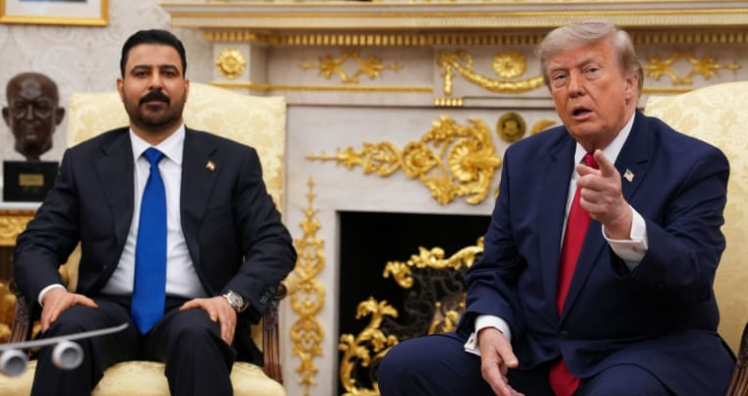
These strikes have thus far targeted a limited number of sites. According to U.S. Central Command, the objective of the strikes is to persistently undermine Iranian military capabilities that are involved in assaults on commercial shipping within the strategic Strait of Hormuz.
This recent wave of attacks marks the fourth consecutive night of military operations against Iran, with the prior night’s actions encompassing numerous targets.
European countries should step up to help reopen Strait of Hormuz, GOP senator says
The article discusses the urgent plea from Republican Senator John Hoeven of North Dakota for European countries to take initiative in addressing the ongoing conflict and closure of the Strait of Hormuz.
Hoeven emphasized that the strait is crucial for European nations as a significant route for their oil supply, directly impacting their economies and relations with Middle Eastern countries that rely on oil sales for revenue.
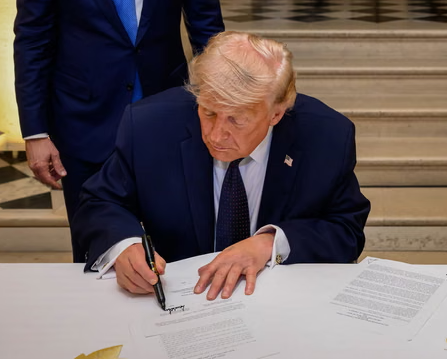
He urged European nations to collaborate with the U.S. to resolve the situation rapidly, suggesting that if they do not contribute, they may end up bearing financial responsibilities for the outcome.
In contrast, Democrats, represented by Connecticut Senator Richard Blumenthal, criticized the Trump administration’s handling of the situation. Blumenthal pointed out the failures in ceasefire agreements, attributing the ongoing turmoil to a lack of coherent strategy and ineffective negotiations.
He characterized the Memorandum of Understanding (MOU) as fundamentally flawed, allowing Iran to strengthen its influence over the Strait of Hormuz. Blumenthal’s comments underscored a belief that poor diplomatic efforts and chaotic governance were key factors perpetuating the conflict in the region.
This tension highlights the complexity of international relations and the strategic importance of the Strait of Hormuz for global oil supply and security.
Blasts heard in Kuwait as army says it’s intercepting “aerial targets”
Explosions were reported in Kuwait City on Tuesday, coinciding with announcements from the Kuwait Armed Forces regarding the interception of “hostile” aerial targets.

This marked the second such announcement within a short span of time. The General Staff clarified that the explosions heard were the result of Air Defense systems engaging incoming threats, though no additional details were offered.
Meanwhile, Flightradar24 indicated that flights heading to Kuwait were temporarily held in response to ongoing missile launches originating from Iran.
The situation underscores heightened military tensions in the region, necessitating ongoing vigilance from both military and civilian sectors.
Trump says he reversed course on 20% fee after other countries called him: “I don’t think anybody should be able to charge a fee”
President Trump announced a reversal of his proposed 20% cargo fee for shipments passing through the Strait of Hormuz, citing significant opposition from multiple countries.
In remarks delivered to reporters, he revealed that he received calls from various leaders, including “kings and emirs,” who expressed a preference for alternative arrangements, emphasizing the potential for substantial investment in the United States.
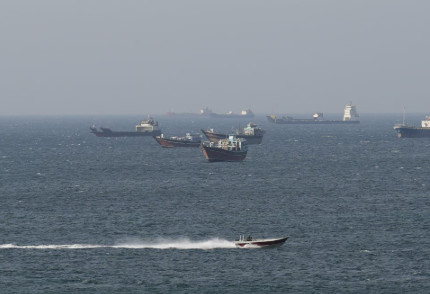
The president conveyed his belief that imposing a fee on the strait was inappropriate, stating, “I don’t think anybody should be able to charge a fee for the strait.”
Despite this reversal, he maintained that the U.S. should derive some benefit from its efforts to secure the strait, which he indicated was previously open before the U.S. and Israel’s military actions in the region.
55 Iranian fishermen freed from UAE custody, Reuters reports
Fifty-five Iranian fishermen have been released from custody in the United Arab Emirates, as reported by Reuters.
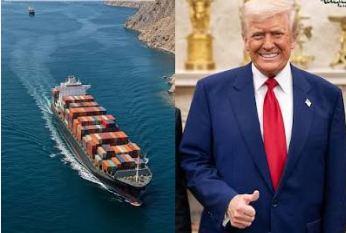
The report cites the Telegram channel of the Iranian embassy in the UAE, indicating that these mariners were detained by the Emirati coast guard over the past few months due to “special conditions” in the region, likely alluding to the ongoing war in Iran.
The embassy has confirmed that the process to return the fishermen to Iran has commenced.
Trump maintains position on Iran blockade Strait of Hormuz
Strait of Hormuz President Trump reiterated his stance on the reinstatement of the Iran blockade, which he previously announced, emphasizing that the Strait of Hormuz remains open to all ship traffic with the exception of Iranian vessels.
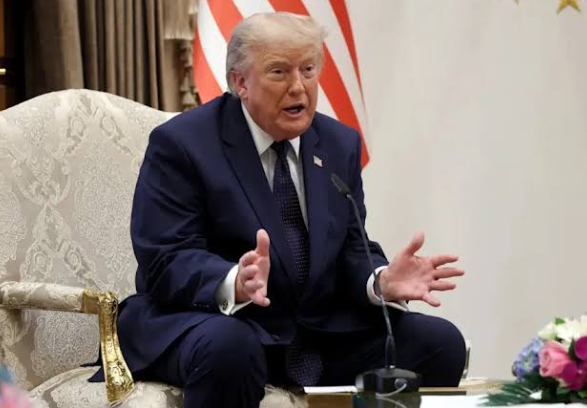
He attributed this decision to what he described as “lying, violent, malicious leadership” in Iran, claiming it drives the nation towards “TOTAL DESTRUCTION.” Trump stated, “We will therefore have a FULL Blockade, but only on Ships coming to and from Iranian ports, or carrying anything have to do with Iranian cargo.”
In a related announcement, he declared a shift regarding a controversial 20% fee on cargo transported through the Strait of Hormuz. Initially, Trump had proposed this fee as a way to secure U.S. interests and cover security costs for guarding the strait.
Strait of Hormuz However, following backlash from shippers, he reversed this policy, opting instead to replace the fee with trade and investment deals that Gulf States will negotiate with the United States.
On Truth Social, he mentioned that this decision stemmed from “highly productive conversations with Middle East leadership.”
The reversal came after a significant outcry from shipping industry analysts who deemed the imposition of such a fee illegal.
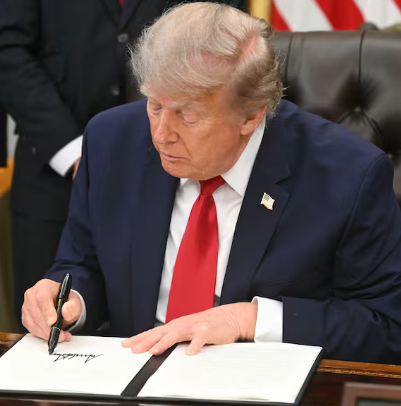
They expressed concerns, estimating that the cost could reach upwards of $30 million for large tankers, prompting Trump to rethink the financial structure associated with U.S. oversight in the region.
Pingback: Breaking: US launches strikes against Iran shipping on 15 July - internationalmediawire.com
Pingback: Breaking News: After closing the Strait of Hormuz, Iran has now reportedly closed the Red Sea as well. Could the Red Sea become the next major choke point for the global economy? 16 July - internationalmediawire.com