Trump says the US will take out Pickaxe Mountain in Iran
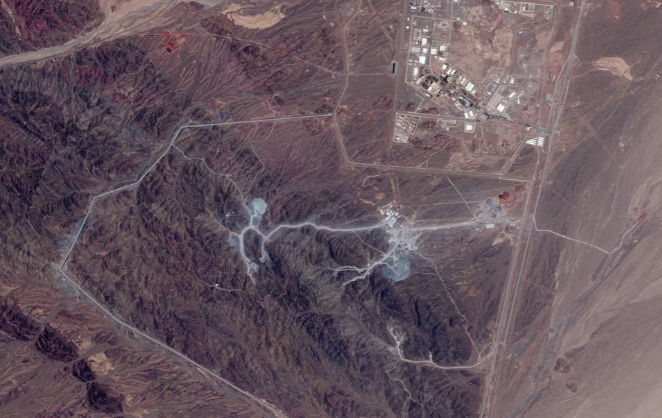
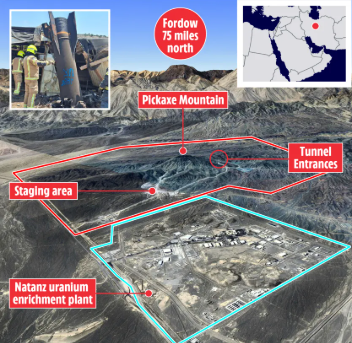
U.S. President Donald Trump has issued a stark warning regarding Iran, stating that the United States will target Pickaxe Mountain, a heavily fortified nuclear site situated approximately one mile south of the Natanz enrichment complex.
Pickaxe Mountain During an interview with Hugh Hewitt, Trump declared, “We’re going to take out Pickaxe Mountain. Tell the Iranians to be ready,” indicating a significant escalation in military rhetoric against Tehran. This announcement comes amidst an ongoing series of U.S. military actions against Iranian infrastructure, which have now extended into their third consecutive night.
Trump threat marks one of the boldest to date in the ongoing conflict, as it signals a readiness to escalate further the military confrontation over Iran’s nuclear ambitions.

The specific nature of the facility targeted, called Kolang Gazla, raises concerns among international observers about the potential ramifications of such an action, especially given the already heightened tensions in the region.
The threat to destroy the site adds a new layer of complexity to the U.S.-Iran relationship, as it underscores the serious risks of military engagement and the potential for broader conflict in the Middle East.
Pickaxe Mountain becomes the latest flashpoint in Donald Trump’s escalating Iran campaign
President Donald Trump’s recent remarks on the Hugh Hewitt Show signal a dramatic escalation in the United States’ military campaign against Iran, focusing specifically on a site known as Pickaxe Mountain. Trump stated, “We’re going to take out Pickaxe Mountain.
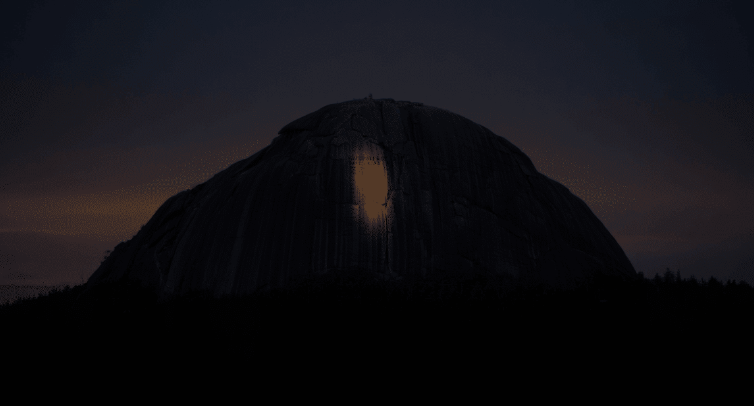
Tell the Iranians to be ready,” indicating that the U.S. may soon target this location, which is closely associated with Iran’s nuclear capabilities. Located near the heavily damaged Natanz uranium enrichment facility, Pickaxe Mountain includes two deeply buried tunnel complexes that experts believe are impervious to the most powerful bunker-buster bombs in the U.S. arsenal.
During his interview, Trump noted that the situation at the site is under close surveillance, claiming, “We’re watching (Pickaxe Mountain) closely.
Pickaxe Mountain We see no activity there.” He assessed Iran’s nuclear situation as deteriorating, stating, “Every time we hear about it, we blow it up,” and suggested that military action could be imminent: “We probably give Pickaxe a shot relatively soon.”
Furthermore, he emphasized a broader campaign of military pressure against Iran, asserting, “We’re going to hit them very hard tonight, and we’re going to hit them hard tomorrow,” while taunting Iranian authorities with, “And there’s not a damn thing they can do about it.”
This threat to strike Pickaxe Mountain, described in multiple media reports as one of the most fortified nuclear complexes in Iran, raises significant concerns regarding the potential implications for regional stability and international relations.
The rhetoric from Trump marks a shift toward an unprecedented level of military confrontation, with analysts debating the potential outcomes and escalatory risks involved in such actions against Iran’s nuclear infrastructure.
Recommended Stories
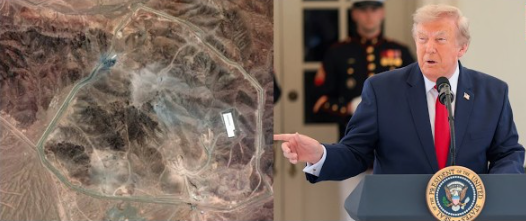
list of 4 items
- list 1 of 4 US, Iran exchange attacks around Strait of Hormuz
- list 2 of 4 US bombs Iran again, Tehran strikes Gulf, tankers: What’s the latest?
- list 3 of 4 With US-Iran trust broken again, can Pakistan bring them back to talks?
- list 4 of 4 Oil prices hit 1-month high as US-Iran attacks dim Strait of Hormuz outlook
Recent developments around the Strait of Hormuz have seen a noticeable escalation in tensions between the US and Iran, characterized by a series of attacks.
As the situation deteriorates, the US has bombed Iranian targets, leading to retaliatory strikes by Tehran against Gulf interests and tanker operations.
This ongoing conflict has led to a rift in US-Iranian relations, raising questions about the possibility of re-establishing diplomatic talks, particularly through Pakistan’s mediation efforts.
Furthermore, these hostilities have contributed to a surge in oil prices, reaching a one-month high, as the outlook for maritime security in the Strait remains uncertain amid the escalating violence.
What is the secret behind the site?
Pickaxe Mountain, situated south of Tehran, is a heavily fortified site that houses two subterranean tunnel complexes, making it resistant to complete destruction.
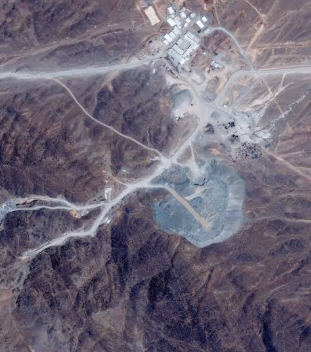
US intelligence suggests that the facility has been excavated deep below solid granite, making it impervious to powerful bunker-busting bombs.
Pickaxe Mountain Reports from Al-Monitor indicate suspicions that Tehran is aiming to construct an undeclared uranium-enrichment facility, which would act as a “strategic hedge” in its nuclear endeavors.
However, Iranian officials assert that the site, active since construction began in 2020, is solely for the assembly and manufacturing of advanced centrifuges. In statements made during an interview, President Trump indicated awareness of the facility’s operations, claiming the US is closely monitoring Pickaxe Mountain and hinting at potential military action.
He emphasized that the Iranians should prepare for impending action regarding this site, stating that the US remains vigilant about Iran’s nuclear activities, which he described as faltering. Trump asserted that the US has previously intervened when necessary and suggested that a strike on Pickaxe Mountain might occur soon.
US attacks on Iran
US military actions against Iran have led to escalating tensions, with Tehran attributing the resurgence of insecurity in the region to these aggressions.
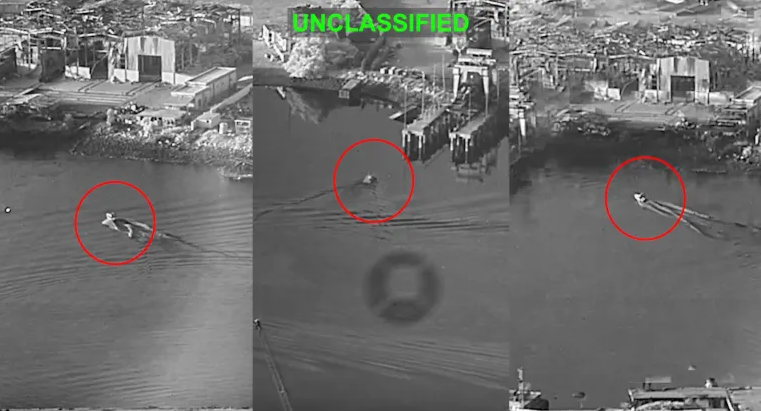
The Islamic Revolutionary Guard Corps has further criticized the US, alleging that its attacks pose a significant threat to global oil supplies.
What is the toll of the US attacks?
The recent military actions by the United States against Iran represent a significant escalation in hostilities, specifically targeting Iranian military infrastructure.
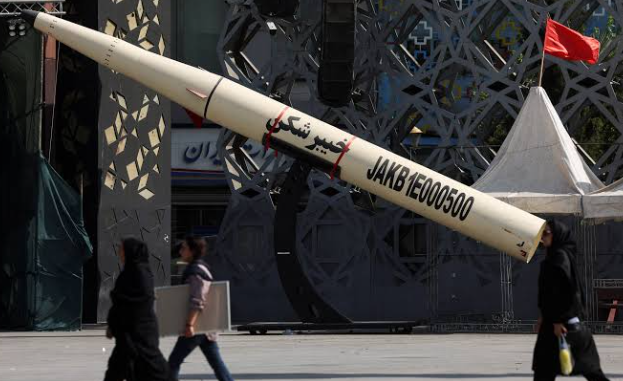
According to reports from both the U.S. Central Command (CENTCOM) and Iranian media, the third round of bombing commenced with an explicit focus on Iranian military targets, particularly in southern regions of Iran, which were reportedly hit by explosions.
On Monday, CENTCOM officially announced the initiation of this new wave of airstrikes, continuing an aggressive campaign that has now spanned three consecutive nights.
The overarching objective of these operations appears to be the degradation of Iran’s military capabilities. CENTCOM emphasized the strategic use of precision-guided munitions in these attacks, which were aimed at crucial military installations.
Specific targets included Iranian coastal-defence systems, missile sites, drone command facilities, and naval assets, all of which play a vital role in Iran’s military operations.
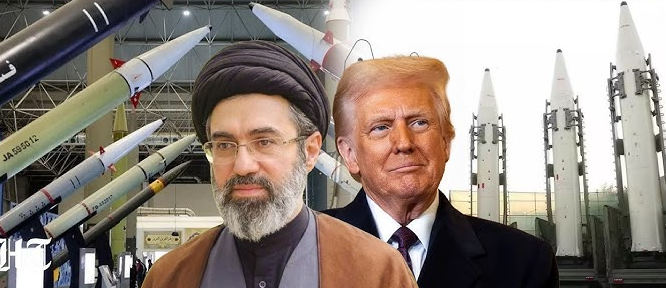
The five-hour bombing campaign resulted in extensive strikes across various military targets within Iran, further intensifying the ongoing conflict and drawing attention to the ramifications of these military interventions.
Overall, the U.S. operations have significant implications for regional stability and the strategic balance of power between the two nations.
What did the Iranian side say?
Iranian media reported multiple explosions in southern Iran, particularly in the islands of Kish and Qeshm, as well as Bandar Abbas and Jam.
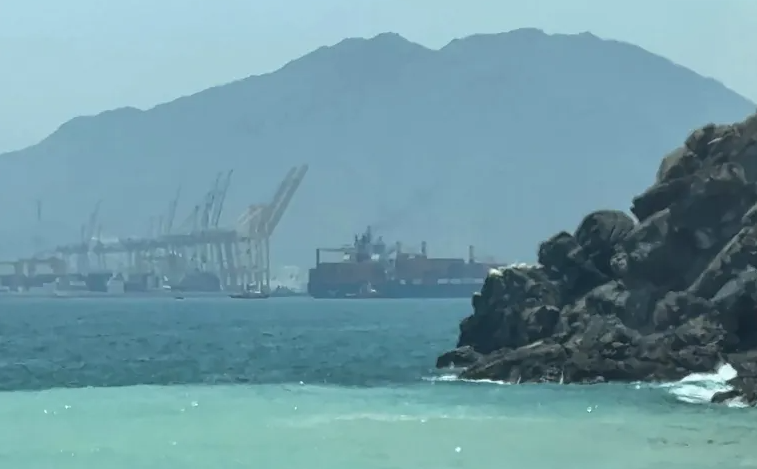
Local sources cited by Fars news agency indicated that several explosions were audible across these regions. Iran’s official news agency confirmed three explosions were heard in Bandar Abbas, while state television reported two explosions on Kish Island, though no detailed information regarding casualties or damage was provided.
Furthermore, an official from Khuzestan province mentioned that four individuals were injured due to US attacks in the southwestern city of Omidiyeh. Additionally, Nour News reported that three boats were set ablaze in the port of Kish Island following attacks on the region on Monday night, although specifics about the nature of the targeted sites or the extent of the overall damage remain unclear.
Where is the confrontation heading?
Despite increased military actions by the US against Iran, President Trump has maintained a potential avenue for diplomacy, suggesting an agreement to resolve the conflict is “certainly possible.”
In a recent statement, Trump confirmed the reactivation of a blockade on Iranian shipping in the Gulf and emphasized the US’s commitment to keeping the Strait of Hormuz open, albeit for a fee. His comments came as missile and drone attacks between the two nations have escalated.
In a stark declaration during an interview on the Hugh Hewitt Show, Trump stated, “We’re going to hit them very hard tonight and we’re going to hit them hard tomorrow,” indicating a robust military response to Iranian provocations.
Concurrently, reports from the UAE disclosed that Iranian missile strikes on oil tankers in the Strait of Hormuz resulted in one fatality, significantly impacting maritime safety and resulting in a reduction of traffic to a two-month low.
US Central Command (CENTCOM) has confirmed that American forces conducted a third consecutive night of strikes targeting Iranian military infrastructure, which included missile sites, drone locations, coastal radar systems, and naval assets.
The focus of these operations is to diminish Iran’s capability to pose threats to commercial shipping routes in the strategically vital Strait of Hormuz.
As the exchange of military strikes continues, there is mounting concern regarding the potential for the conflict to escalate further, jeopardizing regional stability and disrupting one of the world’s most crucial energy and shipping corridors.