US launches strikes At 6 a.m. ET (1100 GMT), the U.S. Central Command initiated a series of military strikes against Iran, aimed at diminishing the military capacities that have been employed to target commercial shipping within the Strait of Hormuz.
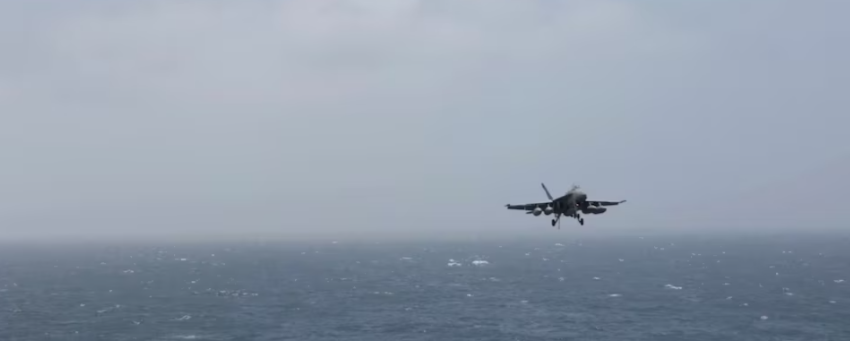
Reports from Iran’s Mehr news agency indicate that U.S. munitions struck targets on Hengam Island, which is situated in the Strait. The U.S. military confirmed these operations involved attacks on coastal defense systems and cruise missile storage and launch sites on Greater Tunb Island, completing the assault within approximately 90 minutes.
This wave of attacks followed extensive strikes on the previous day, where the U.S. claimed to have targeted numerous military installations along the Iranian coastline and near the Strait of Hormuz.
In retaliation, the Islamic Revolutionary Guard Corps of Iran announced it had struck U.S. military positions in Bahrain, Kuwait, and Jordan, and issued threats to halt regional energy exports. They warned the U.S. to prepare for potential closures of export corridors essential to both the U.S. and its allies.
An interim ceasefire was established last month, intended to pave the way for further discussions regarding Iran’s nuclear program and a permanent truce; however, negotiations have stalled.
Iranian Foreign Ministry spokesperson Esmaeil Baghaei stated that Iran has shifted its focus to defense and has no immediate plans for negotiations, contending that the interim ceasefire constituted mutual commitments that the U.S. has failed to uphold.
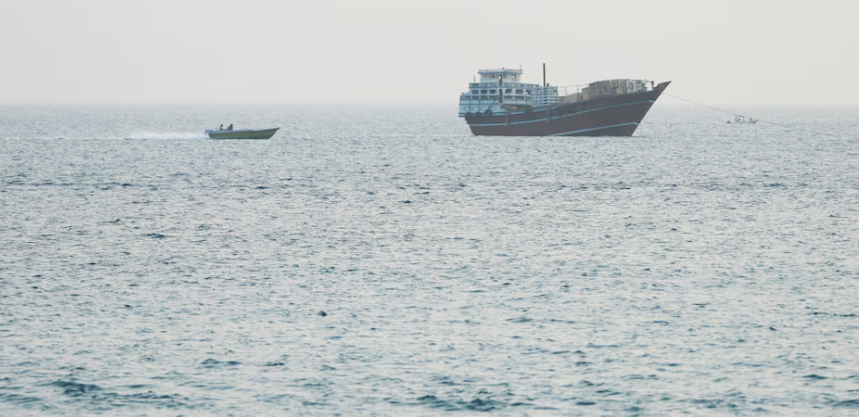
As hostilities escalated, it was reported that Iran had closed the Strait of Hormuz and allegedly attacked seven commercial vessels over the past week, resulting in casualties among the crew members.
END OF AMERICA’S EVILS Fresh US launches strikes
The recent war ignited by U.S. and Israeli airstrikes on Iran starting February 28 has initiated retaliatory Iranian attacks on Gulf states housing U.S. military bases, resulting in significant disruptions to global energy supplies and heightened inflation concerns.

Following a peak in oil prices to a new one-month high on Tuesday, prices fell on Wednesday, reflecting market volatility amidst ongoing tensions.
Analysts suggest that although the US launches strikes have resumed their antagonistic postures reminiscent of pre-ceasefire conditions, a full-scale war is unlikely, albeit a risk of escalation persists. Iran may leverage its Houthi allies in Yemen to threaten the Bab el-Mandeb Strait, an essential maritime corridor for global energy transport, thereby reopening a strategic front against U.S. interests.
Bab el-Mandeb connects the Red Sea to the Gulf of Aden, through which a US launches strikes proportion of Saudi oil exports and global shipping transits. Shippers are gradually reinstating routes through the Red Sea after previous disruptions caused by Houthi assaults linked to the ongoing Gaza conflict initiated in 2023.
Concurrently, Iran is attempting to establish long- US launches strikes over shipping in the Strait of Hormuz, aiming to impose tolls on vessels navigating through this critical channel, a move that could shift the regional power dynamics where the U.S. has historically provided security.
The Islamic Revolutionary Guard Corps (IRGC) declared the Hormuz Strait would remain closed until a definitive end to what they term “America’s evils.” Additional shipping data indicates a rise in Iranian-affiliated vessels using the strait ahead of the enforcement of a new U.S. blockade targeting Iranian ports, with U.S. forces reported to have redirected two commercial ships attempting to breach this blockade.
TRUMP THREATENS TO HIT ENERGY TARGETS
U.S. President Donald Trump, under domestic pressure to avoid a US launches strikes to war, issued a warning on Tuesday regarding potential strikes on Iranian power plants and bridges if negotiations with Tehran do not resume.
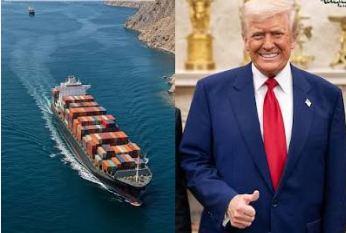
He stated, “I’ll save the energy targets for last, but ultimately we’ll hit US launches strikes,” indicating a willingness to escalate economic pressure. U.S. negotiators have reached out to their Iranian counterparts, urging them to reach an agreement.
Amid escalating tensions, Trump initially proposed a 20% fee on shipping US launches strikes, but later abandoned this plan, opting instead to seek investment deals with Gulf states, though he provided no further details.
The ongoing conflict has resulted in significant casualties, with thousands killed and millions displaced, particularly in Iran and Lebanon, where hostilities have reignited between Israel and the Iran-backed militant group Hezbollah.
In a report from state media on Wednesday, Iranian government spokesperson Fatemeh Mohajerani indicated that U.S. strikes in southern Iran had resulted in the deaths of at least 30 civilians recently.
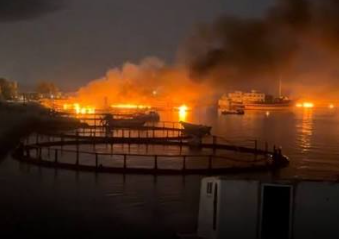
Additionally, the Iranian army reported that at least seven military personnel—both active-duty and conscripts—lost their lives in U.S. airstrikes targeting the Bampur military base in southeastern Iran.
Pingback: Breaking: The U.S. announced strikes on Iran, and Iran has now announced strikes in the United States. Has a full-scale war started? 15 July - internationalmediawire.com