U.S. strikes Iran again as Tehran warns of ‘existential war’ with America
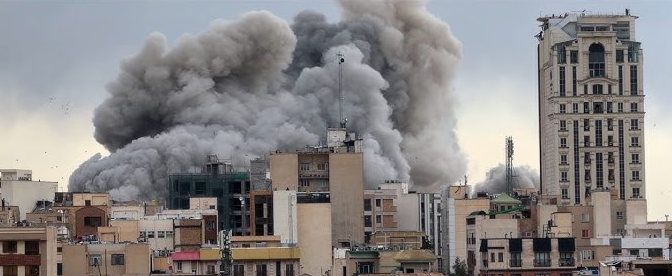
On July 15, the United States executed strikes against Iran’s coastal defenses and missile installations, coinciding with the re imposition of a naval blockade on Iranian ports.
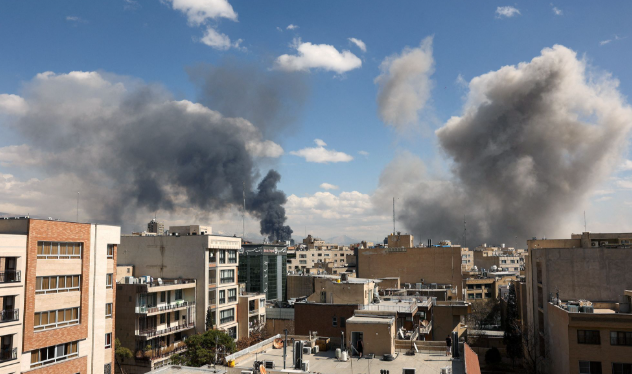
This marked a significant escalation in the ongoing hostilities between the U.S. and Iran, following the collapse of a fragile truce. Iran has responded to these developments by threatening to obstruct regional energy exports and has declared that it is engaged in an “existential war” with the United States.
The conflict has heightened tensions in the region, especially concerning the strategic Strait of Hormuz, through which approximately one-fifth of the world’s oil and gas shipments transit. While the situation remains critical and the potential for full-scale war looms, analysts typically regard such an escalation as less likely at this point.
This latest round of strikes and threats underscores the ongoing volatility and complex power dynamics between the two nations, as they continue to contest control over vital sea routes and energy supplies.
Summary
- Hostilities have intensified since last week
- Iran threatens to close ‘all other export corridors’
- Trump says US could hit power plants and bridges
- Analysts say escalation has remained calibrated
Hostilities in the region have escalated significantly since the previous week, with Iran issuing threats to close off “all other export corridors” as tensions rise.
In response to these developments, former President Trump stated that the United States could target critical infrastructure, including power plants and bridges, if necessary. Meanwhile, analysts observing the situation indicate that the escalation of conflict appears to be calibrated, suggesting a strategic approach to heightening tensions without crossing certain thresholds that could lead to broader warfare.
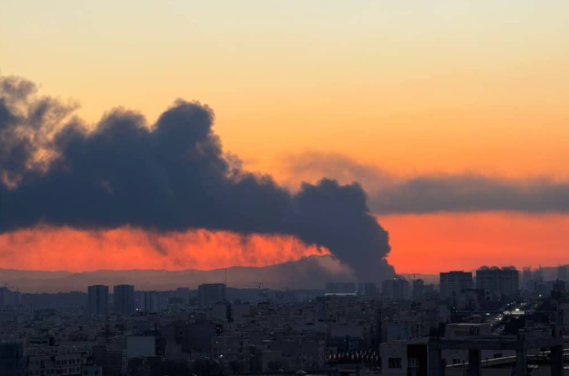
Hostilities in the region have escalated sharply following Iran’s announcement of a closure of the Strait of Hormuz, a critical maritime route that previously facilitated approximately 20% of global oil and gas shipments.
This closure and the ongoing military activities have severely hindered maritime traffic through the strait. As a result, Brent crude oil, the international benchmark, surged to a one-month high of $84.95 per barrel.
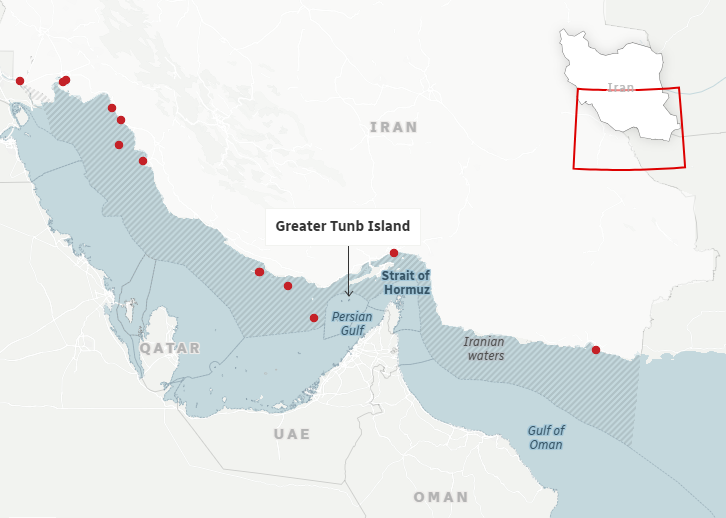
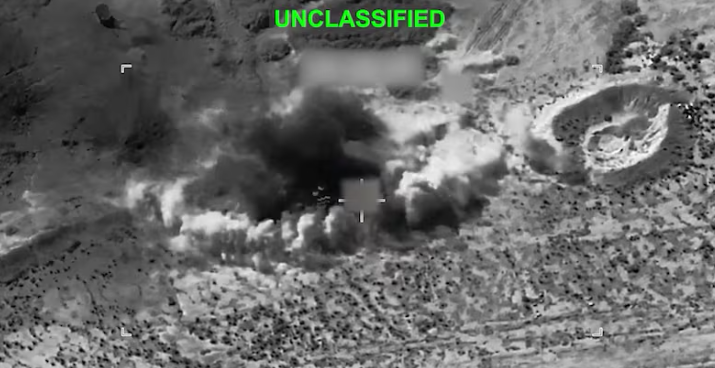
In response to the increasing tensions, U.S. Central Command reported a series of military strikes targeting Iranian coastal defense systems and cruise missile storage and launch sites located on Iran’s Greater Tunb Island. These strikes were executed in a rapid sequence, completed within roughly 90 minutes.
The initiation of these strikes commenced at 6 a.m. ET (1100 GMT), as confirmed by the U.S. military. The primary objective of these operations is to diminish the military capabilities that Iran has utilized to threaten commercial shipping activities in the Strait of Hormuz.
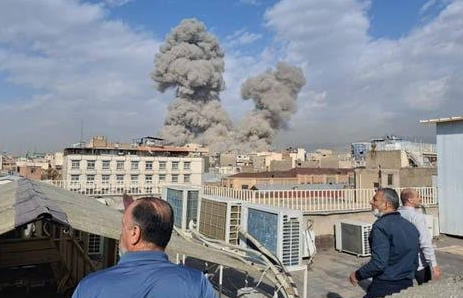
Shortly after reports emerged from Iran’s Mehr news agency regarding the impacts of U.S. military actions on Hengam Island, Iran’s chief negotiator, Mohammad Baqer Ghalibaf, articulated the country’s perspective.
He emphasized that Iran’s security is intrinsically linked to what he termed “Iranian arrangements” within the strait, characterizing the conflict with the U.S. as both essential and existential in nature.
TRUMP THREATENS POWER PLANTS, BRIDGES
U.S. President Donald Trump has reiterated his threats to target Iranian power plants and bridges if Tehran does not return to negotiations, suggesting that these energy targets will be addressed last in a series of military actions.
Trump emphasized that U.S. negotiators have contacted their Iranian counterparts, warning them to “make a deal” and indicating that a timeline may not be given, but implied that Iran should understand the consequences of their actions.
Reports indicate that U.S. military operations are focusing on Iranian military capabilities, particularly in the critical Strait of Hormuz, where strikes have aimed to degrade military assets that threaten commercial shipping in the area. U.S.
Central Command noted successful operations against coastal defense systems and cruise missile installations on Iran’s Greater Tunb Island. The operation reportedly consisted of a series of coordinated strikes that lasted about 90 minutes.
In response, Iran’s Islamic Revolutionary Guard Corps claimed to have attacked U.S. military targets across the region, including locations in Bahrain, Kuwait, and Jordan. Additionally, Iran has threatened to halt energy exports from the region, warning that the U.S. must prepare for a potential disruption of export routes advantageous to itself and its allies.
This escalating conflict has resulted in substantial casualties and widespread displacement within Iran and neighboring regions, particularly affecting Lebanon amid renewed clashes involving Iranian support for Hezbollah against Israeli forces. Overall, the situation remains tense, with both nations positioning for further confrontations if diplomatic negotiations fail.
IRAN THREATENS OTHER SHIPPING ROUTES
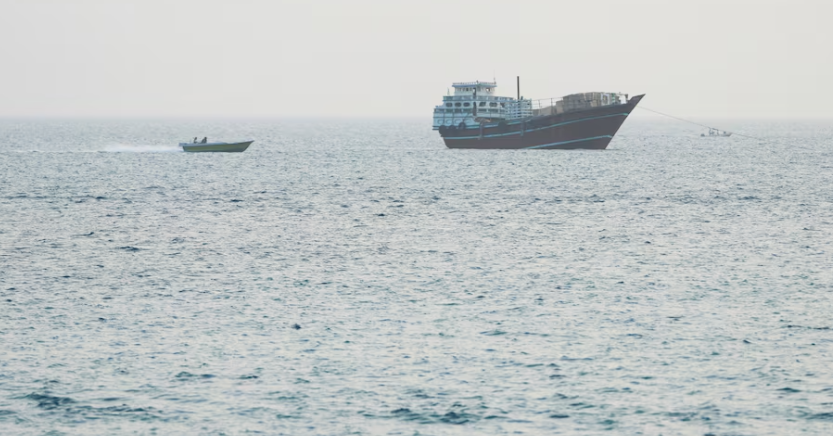
Iran is making efforts to establish permanent control over maritime traffic in the Strait of Hormuz, aiming to impose fees on vessels passing through, signaling a significant shift in regional power dynamics where the U.S. has historically played the role of security guarantor.
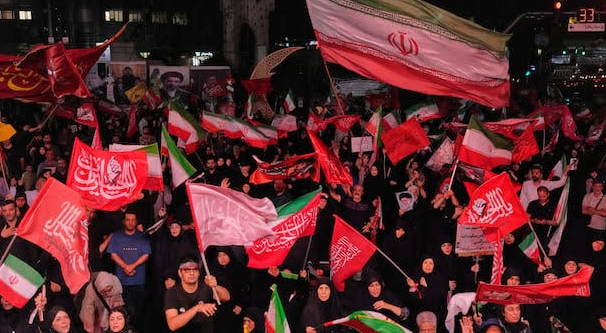
Recent developments indicate a decline in shipping traffic through the strait, now at a fraction of its pre-war levels. The Islamic Revolutionary Guard Corps (IRGC) reported recent strikes on U.S. military targets in Bahrain, Kuwait, and Jordan, and further threatened to disrupt additional regional energy exports. The U.S. has been warned to prepare for the closure of other export corridors advantageous to itself and its allies.
Analysts are interpreting these actions as Iran potentially leveraging its Houthi allies in Yemen to target Bab el-Mandeb, which links the Red Sea to the Gulf of Aden—a critical route for Saudi oil exports and substantial global shipping.
Following the initial threats, some shipping companies have begun to cautiously return to Red Sea routes, although risks remain high due to Houthi attacks associated with the ongoing Gaza conflict that escalated in 2023.
This increasingly aggressive posture from Iran poses a direct challenge to U.S. interests and threatens two of the world’s most vital maritime routes.
CEASEFIRE DEAL FALTERS
The interim ceasefire deal signed last month aimed to lead to additional negotiations, specifically addressing Iran’s nuclear program and establishing a permanent truce; however, progress has stalled. Esmaeil Baghaei, spokesperson for Iran’s Foreign Ministry, stated that there are currently “no plans for negotiations” and that the focus has shifted to defense.
Parliament Speaker Mohammad Bagher Qalibaf indicated that if Iran does not see benefits from its memorandum of understanding with the U.S., it will not feel compelled to uphold it. He emphasized Iran’s position on war, stating that while the country does not seek conflict, it must remain prepared to defend its national security and interests.
Qalibaf noted that relying solely on either war or negotiation would be a significant tactical error.
Recent reports from the U.S. claim that Iran was responsible for attacks on seven commercial vessels over the past week, resulting in casualties among their crews. Conversely, Fatemeh Mohajerani, an Iranian government spokesperson, reported that at least 30 civilians have lost their lives due to U.S. military strikes in southern Iran.
The ongoing conflict, which escalated following U.S. and Israeli strikes against Iran on February 28, has led to retaliatory actions by Iran against Gulf states hosting U.S. troops. This situation has caused severe disruptions to global energy supplies and has raised concerns over potential inflation spikes.
TRUMP SAYS ‘WE’LL HIT ENERGY TARGETS’
U.S. President Donald Trump has issued a warning to Iran, threatening to target Iranian power plants and infrastructure if negotiations do not resume. During his remarks, Trump stated, “I’ll save the energy targets for last, but ultimately we’ll hit energy targets,” indicating a focus on weakening Iran’s energy capabilities.
This escalation follows ongoing U.S. and Israeli strikes against Iran, which began on February 28, prompting retaliatory Iranian actions against Gulf states harboring U.S. military bases and causing significant disruptions in global energy supplies. Such developments have raised concerns about inflation and volatile oil prices, which had recently reached a one-month high after a brief decline.
Analysts express skepticism about the likelihood of a full-scale war resuming, although they caution that the potential for further escalation remains. Iran appears to be leveraging its Houthi allies in Yemen to threaten key shipping routes, particularly the Bab el-Mandeb Strait, which connects the Red Sea to the Gulf of Aden—a critical passage for Saudi oil exports and global shipping.
The situation has led some shipping companies to reconsider their routes in light of recent Houthi attacks that have been linked to the ongoing conflict in Gaza.
Moreover, in an effort to exert influence over regional shipping lanes, Iran is attempting to assert control over the Strait of Hormuz, potentially imposing fees on vessels, a move that would significantly shift regional power dynamics where U.S. forces have traditionally ensured security.
In a related vein, Trump briefly proposed a 20 percent shipping fee through the strait but later dropped the idea, opting instead for investment deals with Gulf countries.
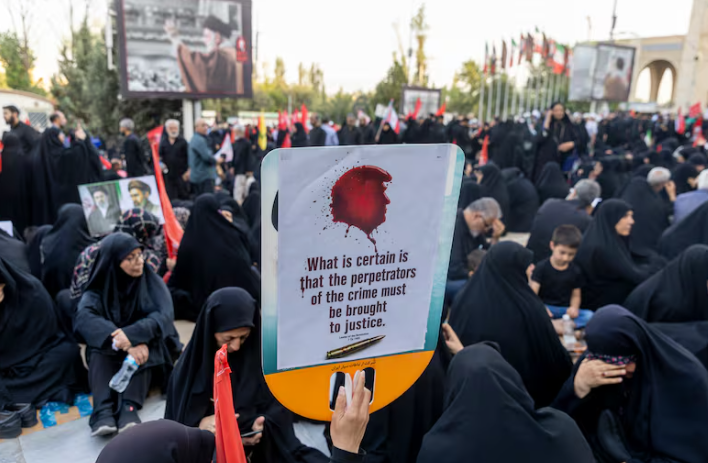
The ongoing conflict has had dire humanitarian consequences, resulting in thousands of deaths and the displacement of millions, particularly in Iran and Lebanon, where hostilities have reignited between Israel and the Iran-backed militant group Hezbollah.
According to Iranian officials, U.S. airstrikes on southern Iran have recently claimed the lives of at least 30 civilians, emphasizing the escalating violence and its toll on the population.
Pingback: Breaking: Did the U.S. Supreme Court immediately allow Trump to fire him? 16 July - internationalmediawire.com