Trump immediately fires the new court-appointed top prosecutor in Seattle
President Donald Trump fired Roger Rogoff, the newly appointed U.S. Attorney for the Western District of Washington, on Wednesday, shortly after federal judges had unanimously appointed him to the role.
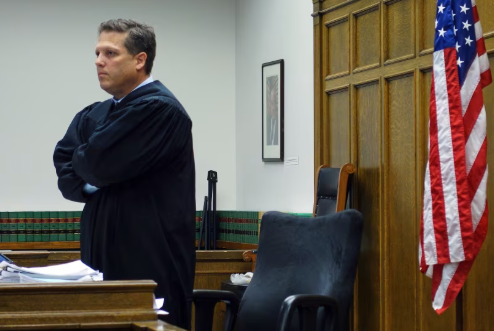
Rogoff was sworn in early that morning, around 8 a.m. PDT, but received notice of his termination via an email from the Trump administration while still in the lobby of the U.S. attorney’s office. This swift action underscores the ongoing tensions between the judicial system and the executive branch concerning control over powerful prosecutorial positions.
The rapid dismissal has elicited significant attention, as it occurred less than an hour after Rogoff’s official appointment, highlighting the precarious nature of federal appointments in the current political climate.
Roger Rogoff, an experienced former judge and state and federal prosecutor, was sworn in as the US attorney at the downtown Seattle courthouse before 8 a.m.
Following his swearing-in, he arrived at the US Attorney’s Office to meet with Charles Neil Floyd, whose interim term had concluded in February. While waiting in the lobby, Rogoff received an email from the Trump administration notifying him of his immediate removal from the position.
He is currently seeking legal counsel to potentially file a lawsuit regarding his firing.
Trump Administration Fires U.S. Attorney Appointed by Federal Judges
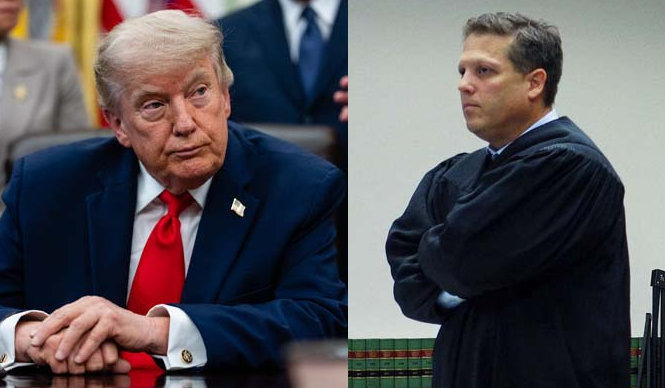
Traditionally, US attorneys, who are the principal federal prosecutors in their judicial districts, are appointed by the President and require Senate confirmation unless they are temporary appointees. In cases where temporary appointees’ terms expire before a permanent nominee is confirmed, judges within the respective district have the authority to appoint a US attorney.
The acting Attorney General, Todd Blanche, publicly announced Rogoff’s dismissal via social media, accusing the judges of the U.S. District Court for the Western District of Washington of neglecting to consult with the administration prior to Rogoff’s appointment.
He stated that such judicial appointments should adhere to the established protocol of consultation to ensure that the selected U.S. Attorney aligns with the administration’s qualifications.
In the aftermath of Rogoff’s removal, Senator Patty Murray, a Democratic representative from Washington, criticized President Trump, asserting that Rogoff was “eminently qualified” for the role and labeling Floyd as an “out-of-touch extremist.”
This controversy arose partly from a U.S. appeals court panel expressing skepticism regarding the legality of Trump’s adjustments to Floyd’s role, which included naming him first assistant U.S. attorney following his interim appointment. A collective of 17 active and former federal judges in the region had unanimously appointed Rogoff as U.S. attorney after Floyd’s interim term ended.
The situation highlights a conflict between judicial appointments and the executive branch’s stance on the appointment process, raising questions about adherence to traditional consultation practices that ensure the suitability of federal prosecutors within the judicial system.
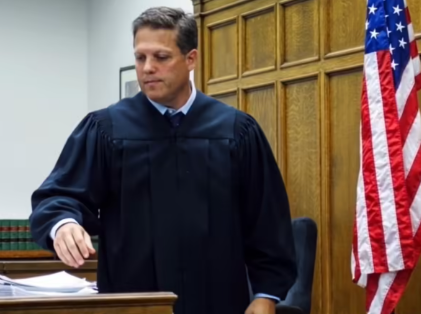
Under the Trump administration, the Justice Department has attempted to maintain unconfirmed prosecutors in their roles without Senate confirmation by employing unconventional personnel strategies. On Wednesday, Acting US Attorney General Todd Blanche highlighted a practice where district court judges can appoint temporary US attorneys, asserting that these judges, in appointing Roger Rogoff, deviated from traditional consultation processes, which ensure appointees are qualified for their roles.
Rogoff was appointed unanimously by a bipartisan panel of 17 federal judges who acknowledged his extensive background in public service, which includes positions as a federal prosecutor and judge on the King County Superior Court.
Patty Murray Slams Trump Over Controversial U.S. Attorney Appointment
However, this decision came shortly after Trump named Floyd, a former immigration judge, as interim US attorney but did not submit his nomination to the Senate for confirmation. Instead, Trump reclassified Floyd to first assistant US attorney while leaving the main role vacant, a strategic maneuver that raised concerns about its legality among federal judges.
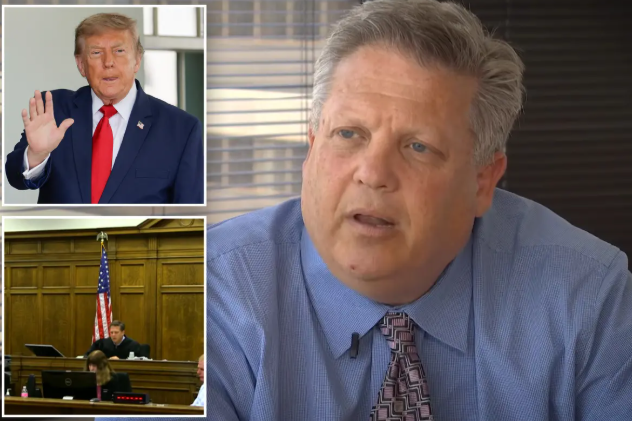
Senator Patty Murray, who opposed Floyd’s interim appointment, condemned the administration’s dismissal of Rogoff, emphasizing that the judges’ decision was legitimate and in line with proper legal protocols.
Murray criticized the administration’s intent to “install cronies to carry out a corrupt political agenda,” asserting that Washington state’s residents deserve fair and responsible law enforcement leadership, rather than individuals seen as political puppets aligned with Trump.
In a broader context, this incident reflects ongoing tensions between the executive branch and the judicial appointments process, especially regarding the enforcement of law and adherence to established legal frameworks.
Facing scrutiny, Blanche defended the president’s actions, reiterating the administration’s stance that the judicial appointments represented a departure from established processes. The lack of a Senate-confirmed US attorney in the Western District since mid-2023 underscores the ongoing issue of judicial vacancies and administrative maneuvering within the context of political agendas.
The document discusses the ongoing tensions between the Trump administration and federal courts regarding appointments to U.S. Attorney positions.
Court-Appointed Prosecutors Removed as Trump DOJ Faces Scrutiny
A senator’s written statement highlights a commitment to public service and criticizes the administration for circumventing the advice and consent process, accusing it of wanting to install loyalists to further a corrupt agenda.
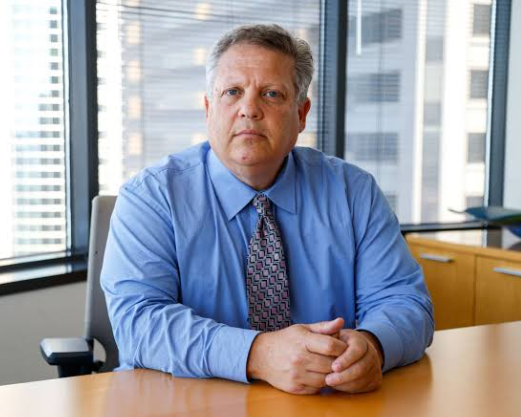
Alina Habba resigned from her role as the top federal prosecutor in New Jersey after an appeals court ruled her appointment illegal. Lindsey Halligan, another acting U.S. attorney, also left her position following a judicial determination that her appointments and subsequent indictments against political adversaries were unlawful.
Currently, Mr. Trump has not nominated a successor to lead the U.S. Attorney’s Office in Seattle, where the interim U.S. attorney, Charles Neil Floyd, is serving. His 120-day appointment expired in February, allowing the district court the authority to appoint a new U.S. attorney.
Federal law permits the attorney general to designate an interim U.S. attorney for a limited period, after which the district court can choose to extend the term or appoint a replacement until Senate confirmation.
The senator expresses concern for the people of Washington, demanding a fair enforcement of law rather than a politically motivated appointment. The document features Rogoff, a former state and federal prosecutor and judge, who expresses pride in his career despite these challenges and indicates he is consulting with lawyers about potential legal actions against the administration.
Additionally, the narratives surrounding other U.S. attorney appointments reflect a pattern of the Trump administration dismissing court-appointed officials shortly after their selection. Rogoff appreciates the judges’ trust in him as their choice for U.S. attorney, finding it both humbling and significant.
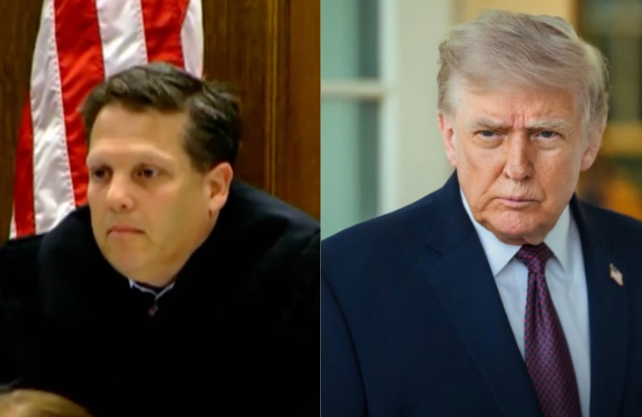
The text discusses recent changes in U.S. attorneys and judges as they relate to the Trump administration. James Hundley, a judge with over 30 years of experience, was fired alongside a court-appointed U.S. attorney from northern New York.
In the context of these changes, Richard Rogoff, a state judge and former prosecutor, expressed pride in being appointed as U.S. attorney despite anticipating potential conflicts arising from such political movements. He highlighted the significance of being recognized by judges he has worked with throughout his career.
Courts Question Legality of Trump U.S. Attorney Appointments
The narrative further explores how federal judges across various regions, such as Virginia, New Jersey, New York, and Nevada, have exercised their authority in appointing U.S. attorneys, often opposing the appointments made by the Trump administration.
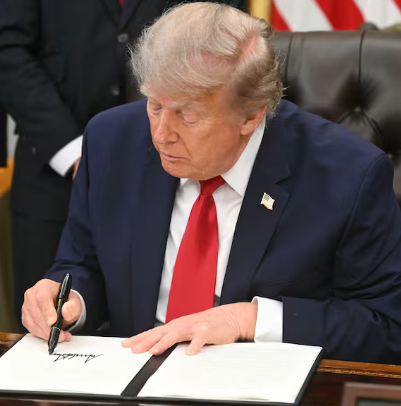
Notably, figures like Alina Habba, a personal attorney to Trump, were named as interim U.S. attorneys but faced challenges regarding the legality of their appointments. Courts have ruled that some of these appointments were unlawful, leading to ongoing legal scrutiny in different appeals courts.
Furthermore, in a significant case involving Lindsey Halligan—who was appointed as interim U.S. attorney in Virginia—criminal charges against former FBI Director James Comey and New York Attorney General Letitia James were dismissed due to Halligan’s invalid appointment.
The Justice Department has since appealed this decision. Overall, the text underscores the complexities and legal battles surrounding U.S. attorney appointments under the current administration.