Iran reaffirmed its belief that a diplomatic resolution is the only viable solution to its ongoing conflict with the United States and Israel. This statement follows US President Donald Trump dismissal of an Iranian proposal aimed at reopening the Strait of Hormuz and ceasing hostilities in the region. According to Iranian Foreign Minister Abbas Araqchi social media announcement, Tehran has set specific conditions that must be satisfied for any discussions about reopening the Strait of Hormuz to take place. Araqchi emphasizes that without a negotiated agreement, the impasse between the nations will persist.
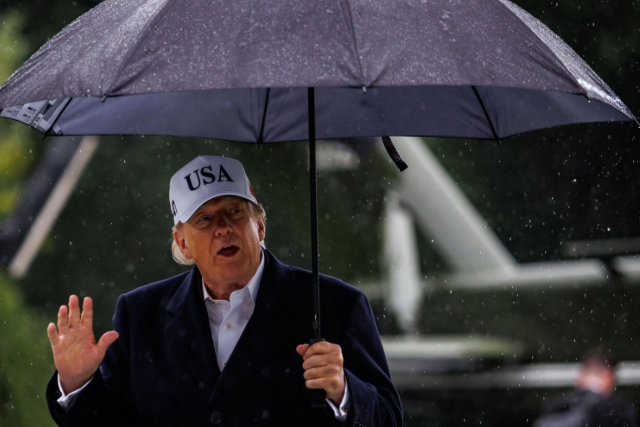
Diplomatic Solution Iran recently presented a peace proposal at the UN General Assembly, which it communicated to the United States through Qatari mediators. President Trump dismissed the proposal, attributing Iran eagerness to negotiate regarding the strategic Hormuz Strait to a sense of desperation due to their unfavorable circumstances. He expressed this sentiment during a press briefing at the White House, stating that Iran is eager to reach an immediate agreement as they are facing significant challenges.
Diplomatic Solution Nevertheless, Trump indicated that the U.S. remains open to diplomatic avenues; in a subsequent phone interview with Axios, he mentioned that U.S. negotiators are expected to engage in further discussions within the week. Iranian official Araqchi noted that the intermediaries facilitating the dialogue with Washington had not communicated any official rejection of Iran plan from the United States.
The situation concerning the tensions between the United States and Iran has escalated, with Iran Deputy Foreign Minister Abbas Araqchi indicating that they are awaiting the mediators to present final views before making any decisions. The U.S. has imposed an economic blockade aimed at pressuring Iran to cease its attacks on vessels in the strategic Strait of Hormuz, which have led to a significant decline in shipping activity in the region. President Trump continues to assert U.S. control over this crucial waterway.
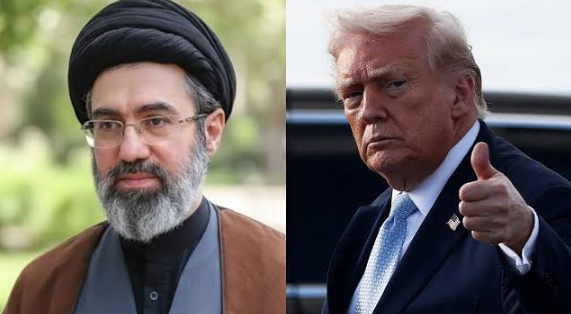
Diplomatic Solution Iranian military leadership, represented by Commander Amir Hatam, has emphasized that the conflict has reached a critical juncture, insisting that Tehran will not tolerate a scenario where it cannot engage in trade while foreign nations utilize the area pivotal waterways. Hatam notably stated, “If Iran cannot trade, if Iran cannot live, no one will be able to trade or live,” highlighting the gravity of the situation as reported by state media. This sentiment reflects Iran determination to maintain its economic activities in the face of external pressures.
Saudi Arabia Drawn Deeper into War
Diplomatic Solution Saudi Arabia has become more deeply involved in a conflict that started on February 28 with US and Israeli military strikes against Iran. Despite previous diplomatic efforts, these attempts have been unsuccessful in halting hostilities, which have intensified and included alternating periods of pauses and renewed military action. The ongoing conflict has resulted in thousands of casualties and has significantly weakened Iran conventional military capabilities while exacerbating its struggling economy. In response to the strikes, Iran and its allies have broadened the scope of the conflict across the region.
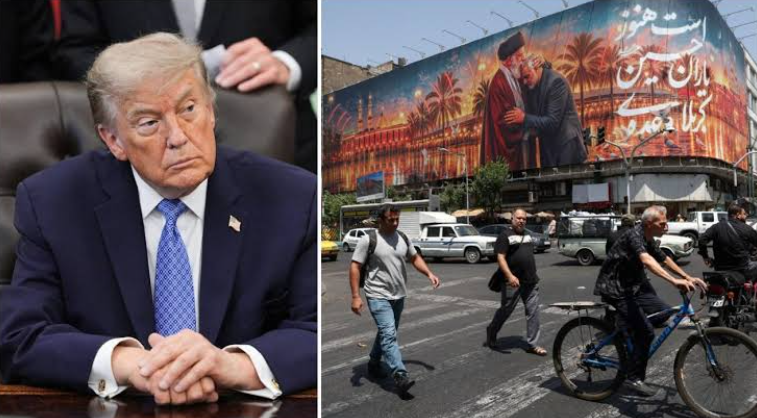
This includes drone and missile attacks on US allies in the Gulf by Iran, as well as assaults on Saudi interests by the Houthi faction in Yemen, severely impacting regional stability. Saudi Arabia is increasingly embroiled in the ongoing conflict in Yemen, particularly this month as Houthi fighters gain ground, defeating troops loyal to the Saudi-backed government and posing a significant risk to Saudi oil exports through the Red Sea. The Iran-backed Houthis have escalated hostilities by launching attacks into Saudi territory. Diplomatic Solution
In a precautionary response, parents in Riyadh received notifications from schools indicating a transition to remote learning for the coming week, although no specific rationale was provided for this shift. Saudi officials have yet to comment on the situation. Meanwhile, Yemen Houthi-run health ministry reported that seven individuals lost their lives and around 40 were injured, including children, following a strike that targeted shops at a market located at the Mawiya junction in Taiz province in the southwest. In retaliation, Yemen internationally recognized government claimed that its forces had targeted a Houthi military camp and associated vehicles at the same location, marking a significant exchange in the deteriorating conflict.
Conflict has Disrupted Oil Flows, Harmed Global Economy
The ongoing conflict, which has persisted for seven months, has severely impacted oil flows through the strategically vital Strait of Hormuz, thus affecting the global economy. Recent diplomatic exchanges in New York between Iranian officials and their Saudi counterparts highlight the high stakes involved. Iranian Deputy Foreign Minister Abbas Araqchi announced that a proposed deal could initiate a seven-day countdown towards reopening the Strait and an ensuing pause in regional hostilities, contingent upon the seriousness of the United States in negotiating a resolution. Araqchi emphasized that should the US agree to the terms, it would pave the way for broader discussions on topics of mutual interest, potentially including Iran contentious nuclear program. Diplomatic Solution
President Trump has signaled that one of his administration primary objectives is to prevent Iran from acquiring nuclear weapons, as well as to curtail its military actions against neighboring states and to cultivate conditions conducive to a change in Iran leadership. However, US Ambassador to the United Nations, Mike Waltz, indicated that the Iranian proposal was promptly rejected. The rejection stemmed from Iran demand for an immediate lifting of sanctions and the release of frozen assets as a precursor to negotiations. Diplomatic Solution

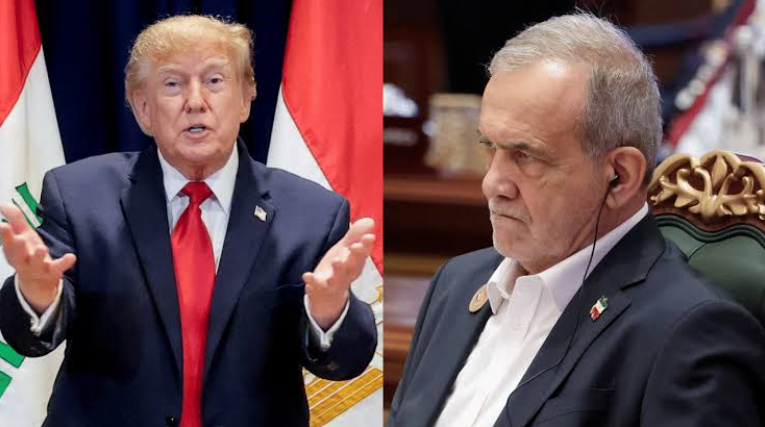
Waltz remarked that the Iranian position required the US to concede significant terms upfront, raising concerns regarding Iran genuine commitment to negotiate an end to its nuclear ambitions.In response, Iranian President Masoud Pezeshkian reiterated Tehran openness to discussions concerning its nuclear program, but he firmly rejected any approaches that involved coercion or intimidation. He asserted that Iran does not seek warfare but is prepared to defend itself against any pressures, threats, or assaults, and reiterated the country stance against the development of nuclear weapons.
Summary
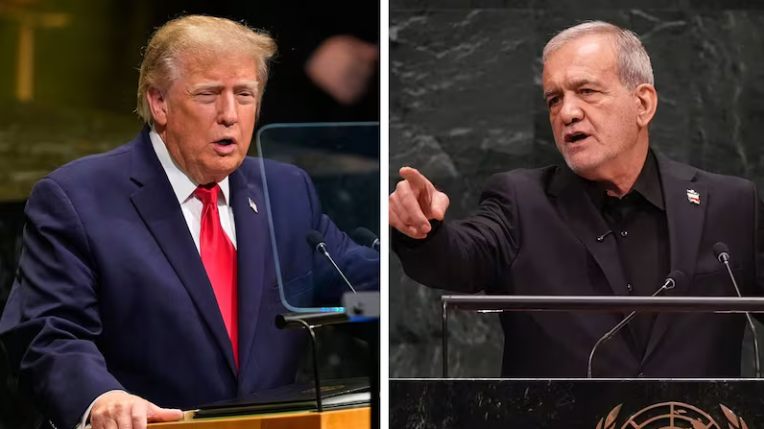
- Trump rejects Iran proposal for reopening Hormuz, but expects more talks
- Iran says reopening Hormuz hinges on conditions being met and a negotiated solution
- Seven killed in strike on market in Yemen, say Houthi authorities
- US envoy to UN says Trump not confident of Iranians’ good faith
Breaking Trump Reject Iran Deal to Reopen Strait of Hormuz in 7 days
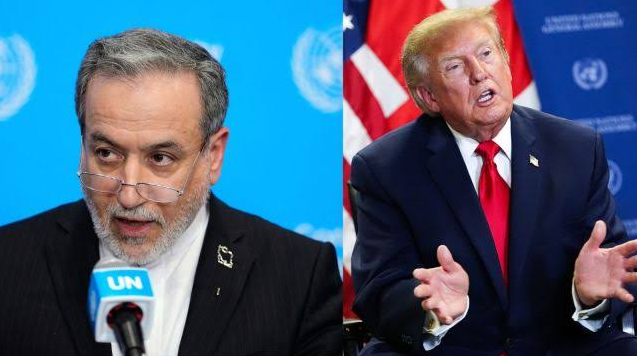
US President Donald Trump Reopen Strait of Hormuz has firmly rejected an Iranian proposal aimed at reopening the Strait of Hormuz for commercial shipping within a week. During a press briefing at the White House, Trump characterized the Iranian offer as a desperate move stemming from their deteriorating situation, stating that Iran intends to “make a deal where they open the Strait immediately because they’re losing so badly.” Diplomatic Solution