Cryptocurrency, commonly known as crypto, is a digital or virtual type of currency that relies on cryptographic techniques to ensure the security of transactions. Distinct from traditional currencies, cryptocurrencies function without the oversight of a central authority or regulatory body, utilizing a decentralized framework for recording transactions and generating new units. This decentralized structure is fundamental to their operation, enabling users to conduct secure peer-to-peer transactions without intermediaries. Consequently, cryptocurrencies provide a level of privacy and security not generally associated with conventional financial systems.

Related articles
- What is Crypto-Currency?
- How does Crypto-Currency Work?
- Crypto-currency fraud and crypto-currency scams
- Four tips to invest in cryptocurrency safely
What is Cryptocurrency?
Cryptocurrency represents a transformative digital payment system that functions autonomously from traditional banking structures. This innovative technology facilitates direct peer-to-peer transactions, allowing individuals to conduct payments across the globe without the need for intermediaries. Unlike conventional currencies, cryptocurrencies exist solely in digital form, recorded as entries in an online database that meticulously tracks specific transactions. These transactions are made transparent through a public ledger, ensuring accountability and visibility of all exchanges.
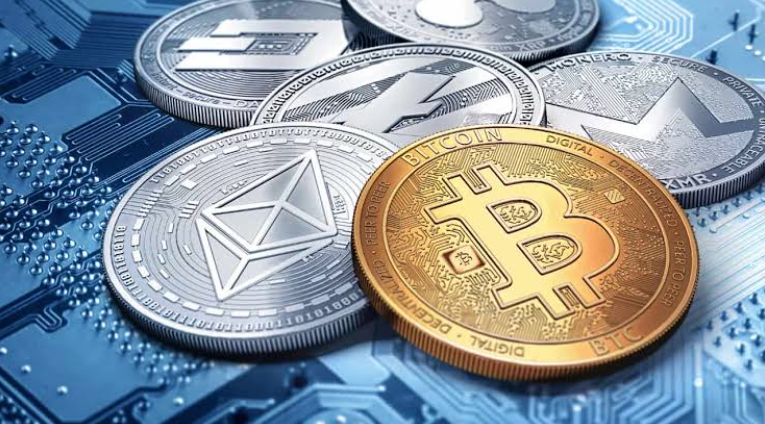
Users manage their cryptocurrencies through digital wallets, which serve to secure their digital assets. The nomenclature “cryptocurrency” originates from the encryption methods employed to protect transaction data. These advanced cryptographic techniques are crucial for both safeguarding the storage of cryptocurrencies and ensuring secure transmission of data between wallets and within public ledgers. The primary aim of such encryption is to bolster the security of transactions.
Bitcoin, established in 2009, is the first and most prominent cryptocurrency, garnering significant recognition across the financial landscape. The growing interest in digital currencies is largely fueled by the potential for profit through trading, with market speculators frequently inducing abrupt price fluctuations. This signifies the volatile nature of the cryptocurrency market, characterized by its dynamic trends and speculative trading behaviors. In summary, cryptocurrencies are an innovative and increasingly popular method of transactional exchange, marked by their unique attributes of decentralization, security, and volatility.

How does Cryptocurrency Work?
Cryptocurrencies operate on a decentralized public ledger known as the blockchain, which maintains a comprehensive record of all transactions facilitated by the currency holders. The creation of new cryptocurrency units occurs through a process called mining, where computational power is deployed to solve complex mathematical problems, resulting in the generation of new coins. Users can buy these currencies from brokers, after which they can store and utilize them through cryptographic wallets.

It’s important to note that owning cryptocurrency does not mean possessing a physical asset; rather, it involves holding a cryptographic key that allows the transfer of a record or unit of currency between parties without relying on a trusted intermediary. Since the introduction of Bitcoin in 2009, the world of cryptocurrencies has continued to evolve, along with the applications of blockchain technology in the financial sector. There is increasing anticipation for broader applications, which may include using this innovative technology to facilitate transactions involving bonds, stocks, and other financial instruments in the future.
Cryptocurrency Examples
The cryptocurrency market boasts thousands of different digital currencies, with notable examples being Bitcoin, Ethereum, Ripple, and Litecoin. Each of these cryptocurrencies operates on blockchain technology, which guarantees secure and transparent transactions across networks. Bitcoin, introduced in 2009, is recognized as the first cryptocurrency and remains the most valuable and popular one in circulation.

Launched in 2015, Ethereum distinguishes itself by enabling developers to build decentralized applications (dApps) on its platform, thus expanding its utility beyond a mere currency. Ripple aims to streamline international money transfers, utilizing a unique consensus algorithm that differentiates it from traditional cryptocurrencies. Litecoin, often dubbed the silver counterpart to Bitcoin gold, is designed to offer quicker transaction speeds and employs a different hashing algorithm than Bitcoin.
The cryptocurrency ecosystem is dynamically evolving, marked by the emergence of numerous projects tailored to address a variety of financial use cases, showcasing applications that reach beyond conventional currency systems. The complexity and diversity within the market highlight the potential of cryptocurrencies to reshape various aspects of finance and technology.
Bitcoin:
Bitcoin, launched in 2009, holds the distinction of being the inaugural cryptocurrency and remains the most widely traded digital currency today. The creation of Bitcoin is attributed to Satoshi Nakamoto, a pseudonymous figure whose identity is widely speculated to be either an individual or a group, with no conclusive evidence to confirm who Nakamoto truly is. This foundational aspect makes Bitcoin not only a significant financial innovation but also a subject of ongoing intrigue regarding its origins and the motivations behind its development.

Ethereum:
Ethereum is a blockchain platform that was established in 2015, notable for its cryptocurrency, Ether (ETH). It ranks as the second most popular cryptocurrency, following Bitcoin. Ethereum distinguishes itself by offering functionalities beyond simple financial transactions; it enables the creation and execution of smart contracts and decentralized applications (dApps). The platform technological framework enhances transparency and security, positioning it as a pivotal entity in the rapidly developing landscape of blockchain technology. Its use cases and adaptability continue to expand, impacting various sectors and facilitating new forms of digital interactions and agreements.
Litecoin:
Litecoin is a cryptocurrency that shares similarities with Bitcoin but has made significant strides in implementing technological advancements. One of its key features is the introduction of expedited payment mechanisms, which allow transactions to be processed more quickly. Additionally, Litecoin infrastructure supports a higher volume of transactions compared to Bitcoin, positioning it as a more efficient alternative for users and businesses seeking faster and more scalable payment solutions in the digital currency landscape.

Ripple:
Ripple, founded in 2012, is a distributed ledger technology that extends its functionality beyond cryptocurrency transactions, enabling the tracking of various financial transactions. The company has formed partnerships with several banks and financial institutions to enhance these operational capabilities. Furthermore, it is important to note that cryptocurrencies other than Bitcoin are categorized as “altcoins,” distinguishing them from the pioneering cryptocurrency Bitcoin.
How to Buy Cryptocurrency
To buy cryptocurrency safely, it is important to follow three key steps. First, conduct thorough research on the market and the specific cryptocurrencies you wish to invest in. This helps you understand trends, potential risks, and opportunities. Second, select a reputable exchange or platform that implements robust security measures, such as two-factor authentication, to protect your transactions and personal information. Finally, ensure that you know how to securely store your cryptocurrency. Using a hardware wallet is recommended, as it can significantly reduce the risk of hacks and theft. By adhering to these steps, you can effectively mitigate the risks associated with cryptocurrency transactions.
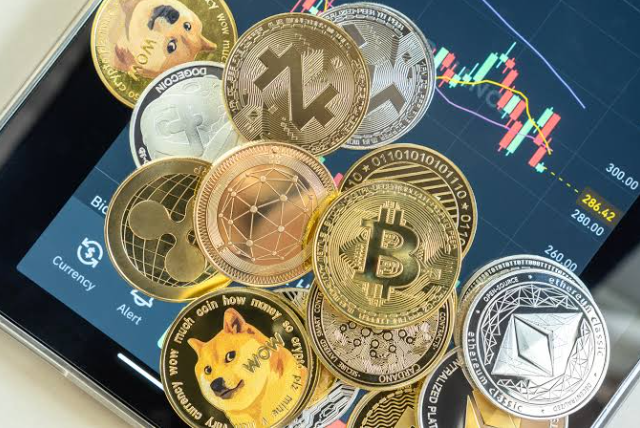
Choosing a Platform
The initial step in cryptocurrency trading involves selecting an appropriate platform, which typically includes options between traditional brokers and dedicated cryptocurrency exchanges. Traditional brokers are known for facilitating the buying and selling of diverse financial assets, including cryptocurrencies, generally offering lower trading costs but lacking crypto-specific features. On the other hand, cryptocurrency exchanges provide a broader selection of digital currencies and additional functionalities such as wallet storage and interest-bearing accounts, yet they often impose asset-based fees.
When assessing these platforms, several critical factors should be taken into account: the range of cryptocurrencies offered, fee structures, security measures, storage and withdrawal options, as well as the educational resources available to users. Following the selection of a platform, the next phase is to fund the account to commence trading. Most cryptocurrency exchanges allow users to purchase digital currencies with fiat currencies, like the US Dollar or Euro, using debit or credit cards, although this feature can differ from one platform to another.
While some cryptocurrency exchanges do not permit credit card transactions due to the volatility of cryptocurrencies, they often support alternative funding methods such as ACH transfers and wire transfers. It is essential for users to evaluate the varying fees associated with both deposits and withdrawals, as well as trading fees, which can differ based on the payment method and platform utilized.

The process for executing an order through a broker or exchange web or mobile interface involves several steps. Users first initiate a “buy” order by selecting this option, choosing the order type, specifying the amount of cryptocurrency they wish to purchase, and confirming the transaction. A parallel process is in place for “sell” orders.
Investors have additional avenues for cryptocurrency investment, including payment services like PayPal and Cash App, which enable the buying, selling, or holding of cryptocurrencies. Furthermore, there are investment vehicles such as Bitcoin trusts that can be acquired through regular brokerage accounts, thus providing exposure to cryptocurrencies via the stock market.
Other investment options include Bitcoin ETFs and mutual funds, along with opportunities to invest in blockchain stocks or ETFs focused on companies within the cryptocurrency industry. Ultimately, the most suitable investment strategy depends on each individual investment goals and their risk tolerance.
How to Store Cryptocurrency
To effectively secure cryptocurrencies after acquisition, it is imperative to utilize specialized storage methods that reduce the risk of hacks and theft. Primarily, cryptocurrencies are stored in cryptocurrency wallets, which are categorized into two main types: hot wallets and cold wallets.
Hot wallets are online software solutions that manage the private keys necessary for accessing cryptocurrencies. Their constant internet connectivity allows for convenience and immediate access to assets; however, this same feature renders them more vulnerable to security threats, making them susceptible to hacking attempts.

In contrast, cold wallets, often referred to as hardware wallets, store private keys on devices that are not connected to the internet. This significant disconnect enhances security, rendering cold wallets largely immune to online threats. While they may incur certain fees, the choice between utilizing hot and cold wallets depends on the individual user preference, balancing the convenience of hot wallets against the superior security provided by cold wallets when managing cryptocurrency holdings.
Additionally, while some cryptocurrency exchanges provide integrated wallet services, it is important to note that not all brokerage platforms include these options by default. This means users must proactively select the wallet type that best fits their needs. Generally, hot wallets do not charge fees, positioning them as the preferred option for users who prioritize immediate access over heightened security measures in their cryptocurrency management.
What can you buy with Cryptocurrency?
Cryptocurrency, and specifically Bitcoin, was initially designed to facilitate everyday transactions, allowing users to purchase both minor items, like coffee, and major investments, such as real estate. While this goal has not been fully realized since high-value transactions remain relatively uncommon there is an observable increase in the acceptance of cryptocurrencies among institutions. Presently, consumers can utilize Bitcoin for a diverse range of purchases through e-commerce platforms, encompassing everyday goods as well as larger items. This trend indicates a growing integration of cryptocurrency into traditional purchasing practices, despite the fact that large transactions are still relatively rare.

Technology and e-commerce sites
Several technology and e-commerce companies are increasingly integrating cryptocurrency payment options, marking a notable transition towards mainstream adoption of digital currencies. Noteworthy examples include platforms like newegg.com, AT&T, and Microsoft, all of which have enabled cryptocurrency transactions on their sites.
Overstock is highlighted as a pioneer in this space, being one of the first e-commerce platforms to accept Bitcoin as a method of payment. In addition, major retailers such as Shopify, Rakuten, and Home Depot have embraced this trend, further indicating the widespread acceptance of cryptocurrencies across diverse sectors. This evolution signifies the expanding influence of digital currencies in facilitating online transactions and reshaping the retail environment.
Luxury Goods
Luxury retailers are increasingly embracing cryptocurrency as a viable payment option. One prominent example is Bitdials, an online retailer specializing in luxury watches, which features prestigious brands such as Rolex and Patek Philippe. This shift towards cryptocurrency payments reflects a broader trend within the luxury goods sector, aiming to attract tech-savvy customers and enhance transaction efficiency. By accepting Bitcoin, these retailers not only diversify their payment options but also position themselves at the forefront of evolving technological finance trends in the luxury market.

Insurance
In April 2021, Swiss insurance company AXA began accepting Bitcoin as a payment option across all its insurance lines, with the exception of life insurance, which is limited by regulatory constraints. This move reflects a growing trend among insurers to incorporate digital currency. Additionally, Premier Shield Insurance, which provides home and auto insurance in the United States, has also adopted Bitcoin for premium payments. For consumers who prefer to utilize cryptocurrency at merchants that do not accept it directly, solutions like cryptocurrency debit cards, such as BitPay available in the US, offer a practical workaround, enabling broader utilization of digital currency for insurance and other purchases.
Cars
Certain car dealers, including those representing both mass-market and luxury brands, have started to accept cryptocurrency for vehicle purchases. This shift reflects a growing acceptance of digital currencies in various commercial sectors, as car buyers explore alternative payment methods.
Cryptocurrency fraud and Cryptocurrency Scams
Cryptocurrency-related crimes have become increasingly prevalent, taking various forms that deceive and defraud investors. A significant category includes fraudulent websites that promise high returns, often supported by misleading testimonials and complex jargon designed to confuse potential victims. Among the most alarming schemes are virtual Ponzi scams, which have swindled large sums from investors. A notable example is the BitClub Network, which raised over $700 million before legal action was initiated in December 2019, illustrating the scale and impact of such fraudulent activities.

Another tactic employed by scammers is the impersonation of celebrities to endorse specific cryptocurrencies. This strategy artificially inflates prices, allowing scammers to sell their holdings at a profit, leaving genuine investors with losses. Romance scams have also gained traction; the FBI reported over 1,800 incidents in early 2021 alone, with losses exceeding $133 million. In these scams, con artists exploit dating app users’ trust to lure them into investing in cryptocurrency.
Further methods of fraud include impersonating legitimate traders, creating fake exchanges, and marketing misleading individual retirement accounts that involve cryptocurrency investments. Additionally, straightforward hacking incidents pose a risk, with criminals targeting digital wallets to steal virtual currencies directly. Overall, the landscape of cryptocurrency fraud is varied and continually evolving, requiring vigilance from investors to avoid becoming victims of these sophisticated crimes.
Is Cryptocurrency Safe?
Cryptocurrencies, which are built on blockchain technology, provide a secure framework for recording transactions through time-stamped blocks. This technology offers a digital ledger that is notably resistant to hacking attempts. Each transaction typically employs a two-factor authentication process, requiring users to input a username and password followed by an authentication code sent to their mobile devices. While these security features enhance protection, cryptocurrencies remain susceptible to hacking incidents.
Significant breaches, such as the Coincheck hack that led to a loss of $534 million and the BitGrail hack costing $195 million in 2018, illustrate the potential vulnerabilities. Furthermore, the value of cryptocurrencies is largely influenced by market forces of supply and demand, contributing to their extreme volatility. This volatility can yield substantial financial gains or losses for investors. Compounding the risk, cryptocurrency investments do not benefit from the regulatory protections typically associated with traditional financial assets like stocks, bonds, or mutual funds, making them a potentially hazardous investment avenue.

Four tips to invest in Cryptocurrency Safely
Investing in cryptocurrencies is widely perceived as risky, as reported by Consumer Reports. To navigate this volatile market safely, potential investors should consider the following four key tips:
- Research Exchanges: With a plethora of over 500 cryptocurrency exchanges, it is essential to thoroughly investigate and read reviews to identify the most reliable options. Consulting experienced investors can also provide valuable insights.
- Know How to Store Your Digital Currency: Once purchased, cryptocurrencies must be stored on an exchange or in a digital wallet. Each type of wallet presents its own advantages, security levels, and technical requirements, necessitating careful research to select the appropriate storage method.
- Diversify Your Investments: To reduce risk, investors are advised against concentrating their finances in a single cryptocurrency, such as Bitcoin. Instead, a diversified portfolio that spans multiple cryptocurrencies can help mitigate potential losses.
- Prepare for Volatility: The cryptocurrency market is characterized by extreme volatility and significant price swings. Investors should evaluate their risk tolerance and ability to withstand price fluctuations before making commitments.
Additionally, exercising caution is paramount due to the speculative nature of cryptocurrencies. Conducting thorough research and beginning with lower-risk investments is advisable. Employing robust antivirus software like Kaspersky Internet Security is also recommended to protect online transactions from malware and theft.
What is Cryptocurrency and how does it work?
Cryptocurrency is defined as a digital payment system that operates independently of traditional banking institutions. It utilizes blockchain technology, which is a decentralized and distributed ledger, to record transactions securely. Encryption methods ensure the safety of peer-to-peer transactions, maintaining a public record that is accessible and verifiable by all participants in the network.
Is it safe to invest in Cryptocurrency in 2026?
In 2026, investing in cryptocurrency can be safe if appropriate safety measures are adhered to. It is essential to utilize reputable exchanges such as Binance or Coinbase, secure a reliable digital wallet, and keep private keys confidential to mitigate risks associated with investment.
What is the difference between Bitcoin and other Cryptocurrencies?
Bitcoin, introduced in 2009, stands out as the first and largest cryptocurrency, primarily serving as a form of digital money. In contrast, other cryptocurrencies, such as Ethereum, extend beyond this role, facilitating smart contracts and diverse blockchain applications. This distinction highlights Bitcoin’s focus on transaction functionalities, while other cryptos cater to broader technological uses within the blockchain ecosystem.
Can quantum computing break Bitcoin and Crypto security?
Quantum computing poses a significant threat to Bitcoin and cryptocurrency security, with experts predicting that by 2026, up to 35% of Bitcoin’s supply may be at risk from attacks that can compromise elliptic-curve cryptography. In response, new quantum-safe security measures are currently being developed to safeguard against these potential vulnerabilities.
How to avoid Cryptocurrency scams and fraud?
To avoid cryptocurrency scams and fraud, it is crucial to adhere to specific guidelines. First, never trust anyone who promises to double your money, as this is often indicative of a scam. It is essential to steer clear of fake investment schemes. Additionally, always use official wallets for transactions and make sure to verify all transactions on the public ledger, ensuring the legitimacy of your dealings.
Pingback: Netanyahu Met With UAE President Sunday in Rare Trip to Country, Both Sides Confirm - internationalmediawire.com
Pingback: Report Bank of Japan Signals Faster Rate Hikes as Policy Shift Gains Momentum - internationalmediawire.com
Pingback: Global Bond Rout Deepens, Pushes US Treasury Yields to 24 Year Peak - internationalmediawire.com